





Superalloy Machining
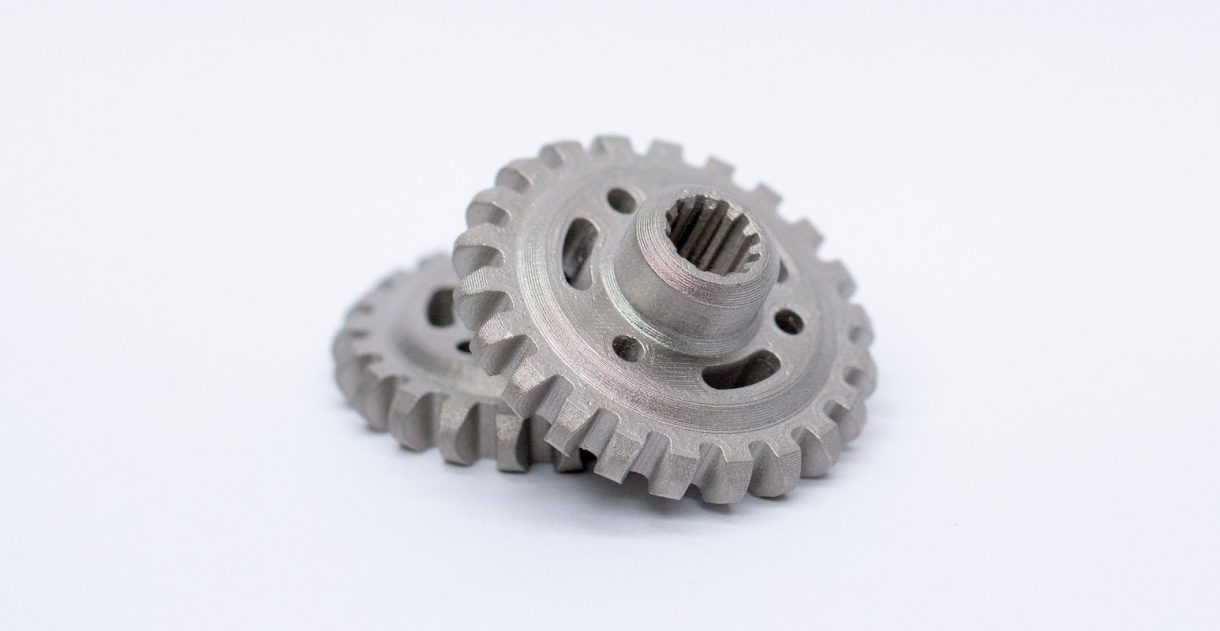
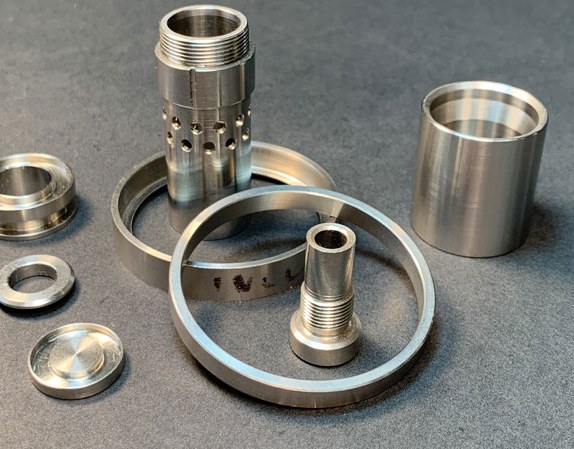
Also known as Nickel Alloys · Heat Resistant AlloysSuperalloy machining at DEK covers Inconel 600, 625 and 718, A286, Nitronic 60, Kovar and Invar for turbine, exhaust, downhole and vacuum hardware. Rigid setups, coated carbide and ceramic tooling and wire EDM hold ±0.005 mm, with no MOQ.
-
±0.005 mmGeneral Tolerance
-
650–1,000 °CDesign Temperature
-
11 W/m·K718 Conductivity
-
2–3 timesForces vs 304
Superalloy Machining Capabilities and Tolerances
Tolerances, finishes, part size and lead times DEK holds on Inconel, A286, Nitronic 60, Kovar and Invar parts.
-

General Tolerance
±0.005 mmmilled and turned
-

Ground Features
±0.002 mmshafts, seal faces
-

Wire EDM Profiles
±0.003 mmslots, sharp corners
-

As-Machined Finish
Ra 0.8–1.6 µmstandard
-

Ground or Polished
Ra 0.2–0.4 µmseal faces, fits
-

Part Size
~1,000 mmmicro under 10 mm
-

Prototypes
3–5 daysmost geometries
-

Small Batches
4–7 daysno MOQ
Alloys We Machine
Family, reason for specification and machining notes for each superalloy and controlled-expansion alloy DEK machines.

- Inconel 600 Ni-Cr, to 1,100 °C
- Inconel 625 Ni-Cr-Mo
- Inconel 718 Ni-Cr, PH, to 700 °C
- Aged 718 hardness 40–44 HRC
- 718 conductivity 11 W/m·K

- A286 Fe-Ni-Cr, PH
- A286 service Strength to 700 °C
- Nitronic 60 Austenitic Fe-Cr-Mn-Ni
- Nitronic 60 use Galling resistance

- Kovar Fe-Ni-Co
- Kovar use Glass, ceramic seals
- Invar 36 Fe-Ni
- Invar 36 expansion Near-zero
What Makes Superalloys Hard to Machine
Work hardening, trapped heat and hot strength make high temperature alloy machining slow; here is how DEK manages each.
Nickel alloys harden under the cutter, so every pass takes a real chip. Inconel 718 conducts heat at around 11 W/m·K, a quarter of carbon steel, so heat concentrates at the edge.
Cutting forces run 2–3 times those of 304 stainless and removal rates end at 10–20% of aluminum. Nickel alloy machining at DEK follows fixed practices, not an adapted stainless program.
- Rigid setups: short overhangs, heavy fixtures, full support on turned parts.
- Ceramic inserts for roughing 718 and 625; coated carbide for finishing, climb milling.
- Inserts replaced on a fixed count; high-pressure coolant at the edge.
- Thin slots and aged 718 cut by wire EDM, with no cutting force.
-
Carbide Speed
20–40 m/minInconel, coated carbide
-
Ceramic Speed
150–250 m/minRoughing only
-
Removal Rate
10–20%Of aluminum rates
-
Cutting Forces
2–3xVersus 304 stainless
-
Tool Life
MinutesChange by schedule
Typical Superalloy Parts
Hot-section, downhole, cryogenic and hermetic parts machined from Inconel, A286, Nitronic 60, Kovar and Invar.
-
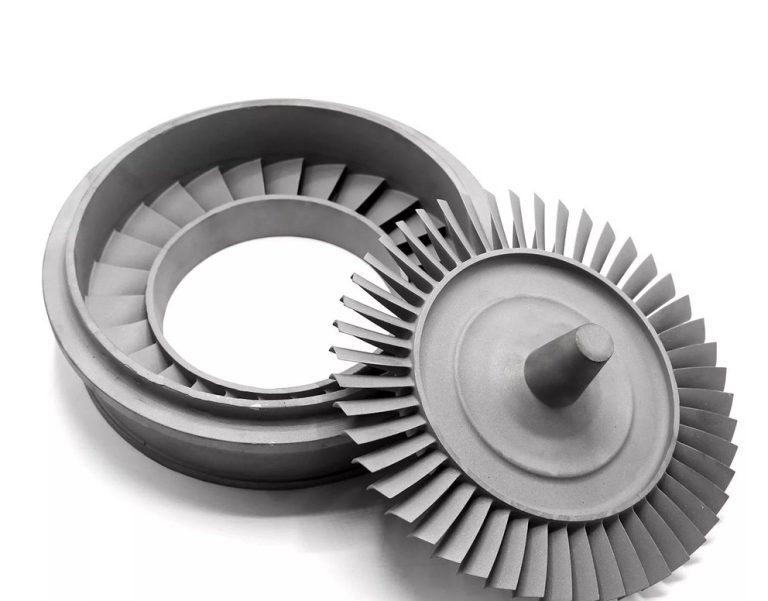
 Turbine HardwareVanes, seal rings, shrouds and fastener blanks in Inconel 718 and A286 for aerospace and power, produced under AS9100D.
-
 Exhaust ComponentsFlanges, manifold fittings and sensor bosses in Inconel 625 and 600 for automotive, motorsport and industrial burners.
-
 Downhole and SubseaInconel 625 and 718 housings, mandrels and connectors for oil and gas service in sour environments.
-
 Vacuum and HermeticKovar feedthrough bodies, lids and headers for electronics; Invar mounts and reference bars for optics and metrology.
Inconel 718 vs A286, Nitronic 60 and Kovar
Choose 718 for the highest strength to 700 °C; A286 or Nitronic 60 cost less to buy and machine. See Inconel machining.
| Criteria | This GradeInconel 718 | A286 | Nitronic 60 | Kovar |
|---|---|---|---|---|
| Family | Ni-Cr, PH | Fe-Ni-Cr, PH | Fe-Cr-Mn-Ni | Fe-Ni-Co |
| Strength to | 700 °C | 700 °C | – | – |
| Key property | Top strength | Lower cost | Anti-galling | Glass sealing |
| Machining | Rigid fixturing | Hard stainless | Heavy feeds | Gummy, burrs |
CNC Machining + Finish for Superalloys
Finishes applied to the superalloy parts DEK machines; anodizing does not apply to nickel alloys.
-
Passivation AvailableStandard treatment for Inconel, A286 and Nitronic 60, removing free iron and machining residue without altering dimensions.
-
Electropolishing AvailableAvailable on machined superalloy parts after CNC machining, alongside passivation for stainless-type grades.
-
Bead blasting AvailableAvailable on machined superalloy parts as a CNC machining + finish option for a uniform surface.
-
Laser marking AvailableAvailable for part identification on machined Inconel, A286, Nitronic 60, Kovar and Invar components.
-
PVD or DLC coatings On RequestWhere a hard coating is required on a nickel alloy part, PVD or DLC coatings can be discussed at quote.
-
Nickel plated On RequestKovar parts destined for glass sealing are supplied clean and, on request, nickel plated after machining.
Request a Superalloy Machining Quote
Send alloy, condition, tolerances and quantity. An engineer confirms route, heat-treatment sequence and EDM, quoting within 6 hours for most parts.
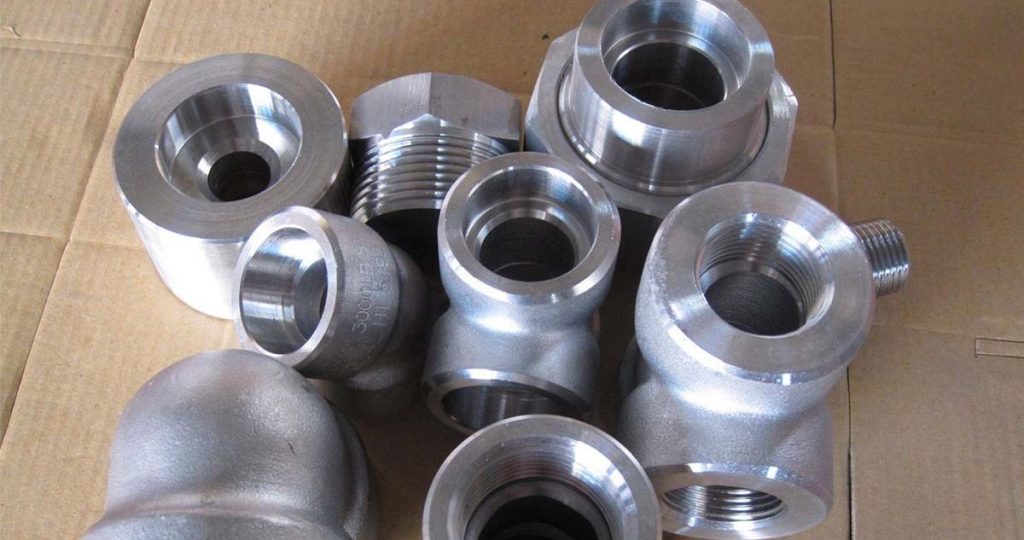
Why DEK for Superalloy Machining
Heat resistant alloy machining at DEK runs milling, turning, Swiss, EDM and grinding in-house, with certified traceability and engineer-reviewed quotes.
DEK is AS9100D, ISO 13485 and ISO 9001:2015 certified by TÜV, with FAI and material traceability that aerospace and energy buyers require. Every incoming lot is verified by spectrometer; CMM inspection runs in a temperature-controlled room.
- No MOQ, prototypes in 3–5 days, small batches in 4–7 days.
- Worldwide delivery in 3–7 days.
- Engineer-reviewed quotes price heat treatment, EDM and tooling correctly.
Avoid walls under 1.5 mm and sharp internal corners. State whether 718 or A286 is delivered solution-annealed or aged. Put ±0.005 mm only on sealing faces and fits; use ISO 2768-m elsewhere.
- Design narrow slots and splines for wire EDM.
- Prefer rolled or thread-milled threads over tapping in Inconel.
- Consider A286 or Nitronic 60 where 718’s full strength is not needed.
-
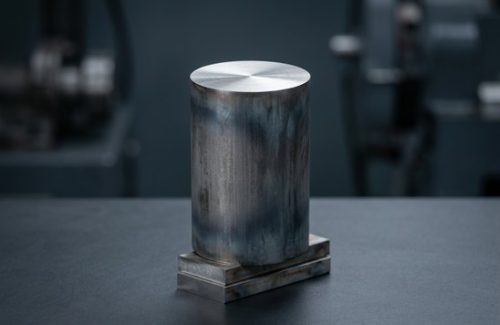 Raw Stock
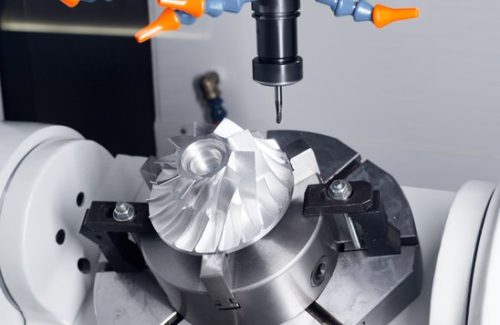 CNC Machined
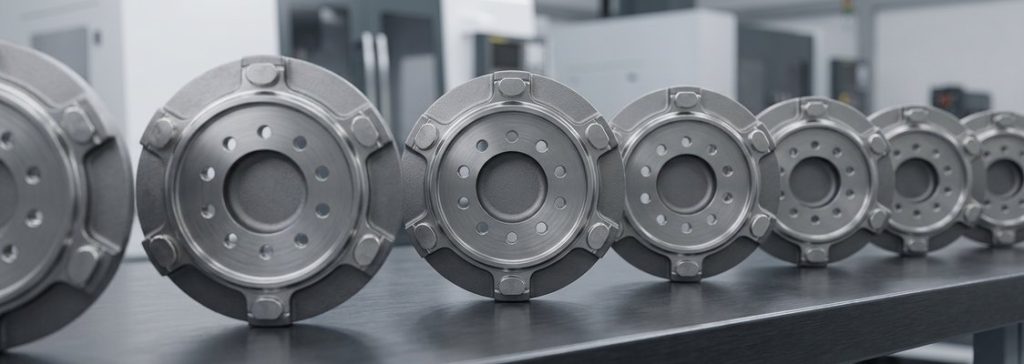 Finished Parts
-
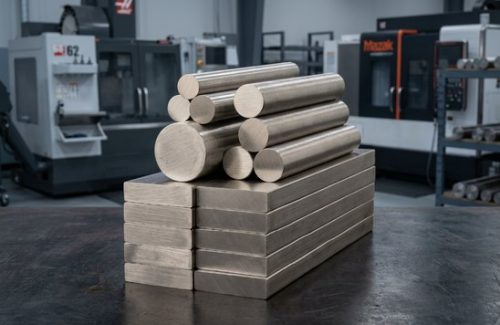 Raw Stock
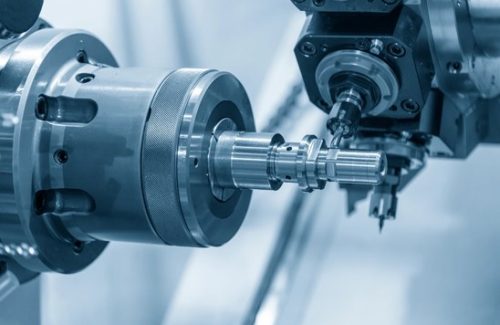 CNC Machined
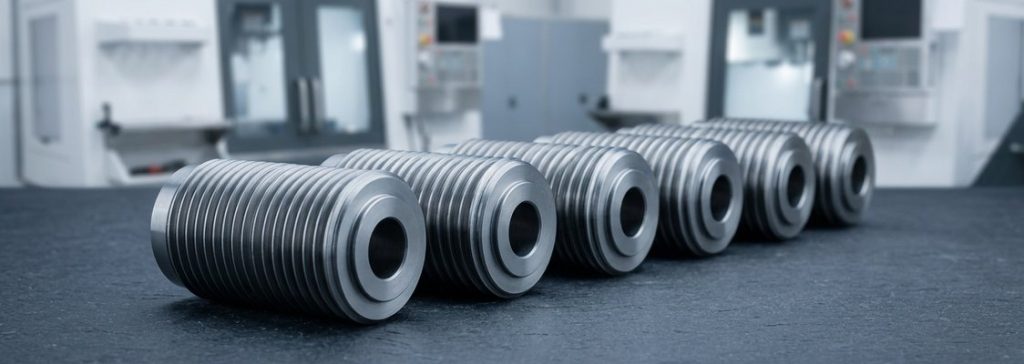 Finished Parts
Superalloy Machining FAQ
Common questions on alloys, cost, tolerances and hardened Inconel 718.
Other Materials
-
 W-Cu SeriesTungsten-Copper (W-Cu) alloys have a balance of high thermal conductivity, wear resistance, and electrical conductivity.Learn More
-
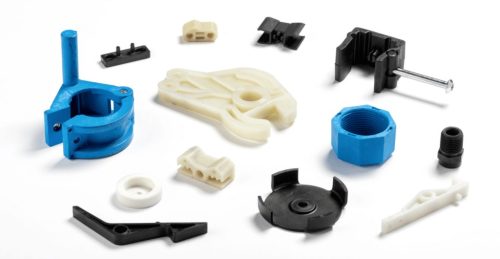 UHMW-PEUltra High Molecular Weight Polyethylene (UHMW-PE) is a type of polyethylene with a very high molecular weightLearn More
-
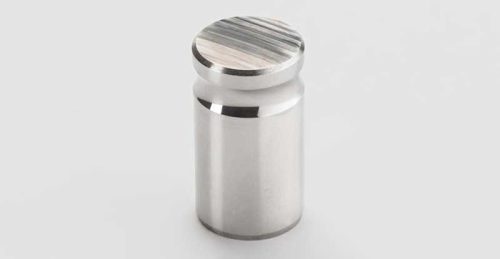 Tungsten Steel YL10.22 Tungsten Carbide is created through powder metallurgy, using WC (tungsten carbide) and Co (cobalt). This material has excellent shock and bending resistance.Learn More

Ready to Scale Your Project?
Get started with a stable process and controlled quality. Let's discuss your project.