







Precision Aluminum Turning Services
DEK aluminum turning services hold turned diameters as tight as ±0.005 mm, and ±0.003 mm on micro-turned parts. No MOQ, with prototypes in about 3 days from confirmed order.
-
±0.005mm
Turned Tolerance
-
~3 Days
Prototype Delivery
-
98.6%+
On-Time Delivery
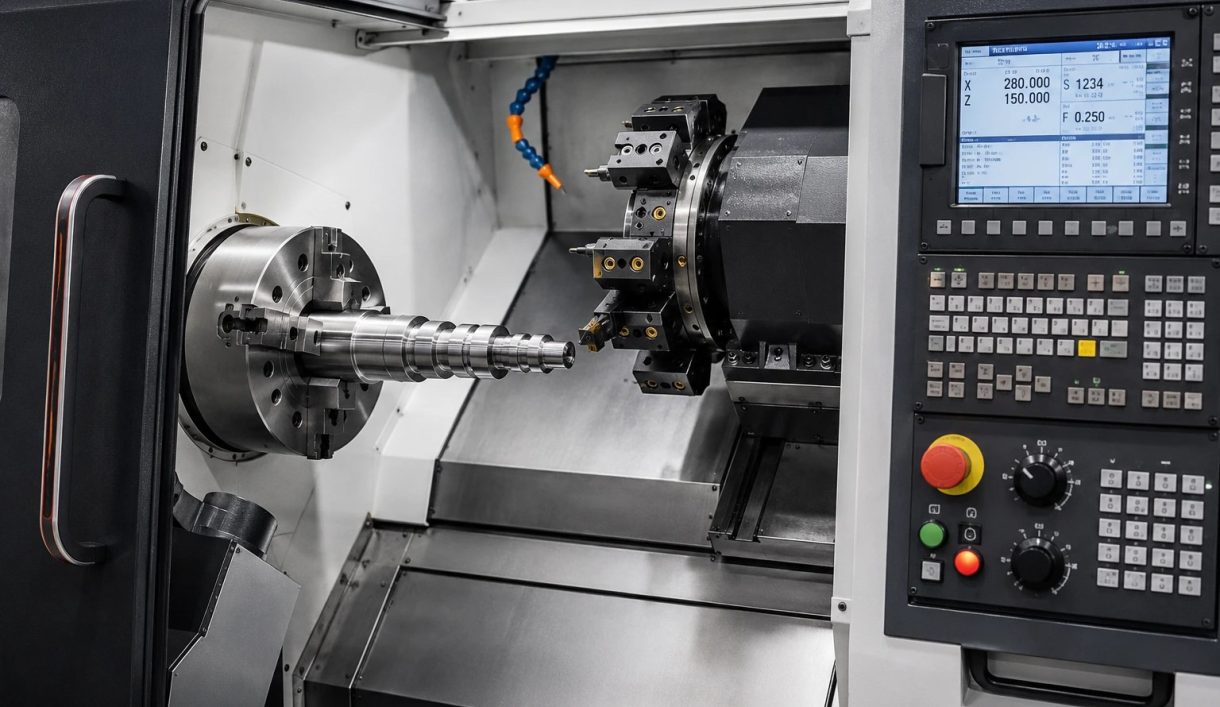

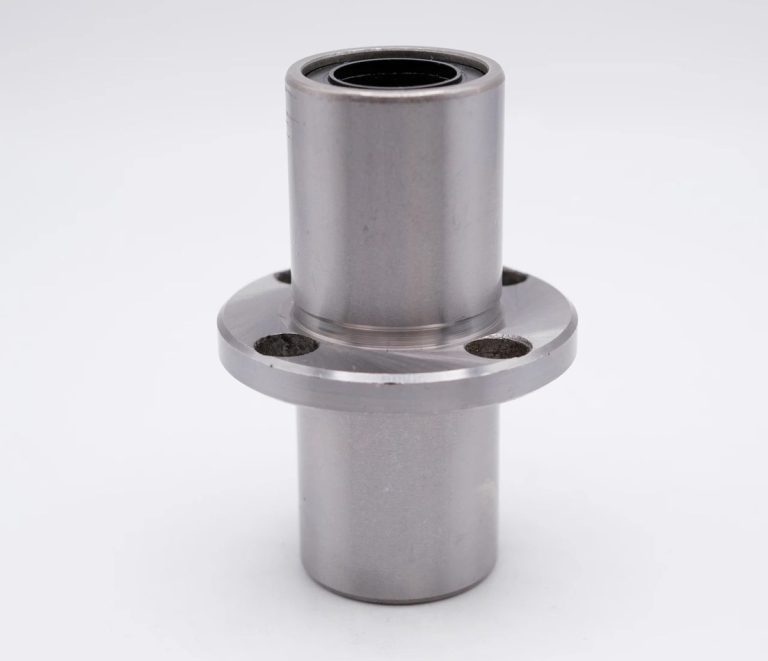
CNC Turned Aluminum Components to Your Drawing
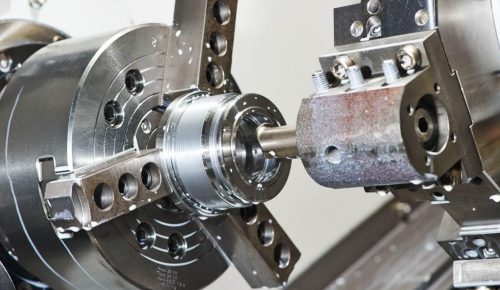
Aluminum turning is a lathe-based process: bar or billet stock rotates while a cutting tool shapes it into shafts, bushings, spindles, standoffs, and threaded fittings. DEK prices against the critical callouts on your drawing, not a flat rate per geometry.
Need pockets, flats, or slots on the same part? Our CNC milling services combine with turning on one drawing and one quote. For mostly milled work, see our aluminum machining services; for other metals, see CNC turning services.
Why Source Aluminum Turning from DEK
OEM engineers, procurement teams, and startups order single prototypes or running production batches from the same lathe cells.
-

20+ Years Machining
More than 20 years in precision machining, with 1.2M+ parts machined annually across prototype and production work.
-

2,300+ OEM Clients
Global OEM clients across aerospace, medical, robotics, and industrial equipment trust DEK with their turned aluminum parts.
-

98.6%+ On-Time Delivery
A 98.6%+ on-time delivery rate keeps prototype iterations and production releases on schedule from quote to shipment.
-

No MOQ, 3-Day Prototypes
Order a single 6061 shaft today and a 500-piece release next quarter; prototypes arrive in about 3 days from confirmed order.

Engineer-Reviewed Quotes
A mechanical engineer reviews every file by hand. Material behavior, tolerance stack-up, and finishing steps all affect the price, so no automated calculator sets your number.


Aluminum Turning Capabilities
Aluminum's machinability supports the full range of lathe operations, quoted and inspected to the dimensions your drawing flags as critical.
Aluminum Turning vs. Other Machining Options
Choose turning for rotationally symmetric aluminum parts that must be light and corrosion-resistant. See how CNC turning works.
| Criteria | This ProcessAluminum Turning | CNC Milling | Brass Turned Parts | Carbon Steel Turned Parts |
|---|---|---|---|---|
| Best for | Shafts, bushings, standoffs | Pockets, flats, slots | Connectors, fittings | Same fit and finish in steel |
| Geometry | Rotationally symmetric | Mostly milled parts | Turned parts | Turned parts |
| Material trait | Light, corrosion-resistant | Full aluminum milling set | Conductivity, bearing wear | Carbon steel |
| Choose when | Weight matters | Part is mostly milled | Aluminum lacks conductivity | Steel is specified |
Industries Using Turned Aluminum Parts
Aerospace, medical device, robotics, and semiconductor equipment teams source turned aluminum where parts must be light and corrosion-resistant.
-

Aerospace
-

Medical
-

Automotive
-

Robotics
-

Semiconductor
-

Electronic
-

Telecom
-

Drone & UAV
-

Energy
-

Oil & Gas
-

Marine
-

Industrial Equipment
-

Construction
-

Agriculture
-

Consumer Products
-

Military & Defense
-

Mining
-
 AerospaceNon-flight-critical brackets, cabin hardware and fittings under AS9100D, in 7075 aluminum, Ti-6Al-4V and Inconel 718, with FAI.Learn More
-
 MedicalInstrument shafts, handles and cannulas in 316L stainless, titanium and PEEK under ISO 13485, with lot traceability as standard.Learn More
-
 AutomotivePrototype and low-to-mid-volume sensor housings, valve bodies and shafts in aluminum, 4140 and 4340 alloy steel, stainless and brass.Learn More
-
 RoboticsJoint housings, harmonic drive flanges and gripper fingers in aluminum and hardened steel, with 5-axis milling in one setup.Learn More
-
 SemiconductorChamber components, wafer handling fixtures and vacuum flanges in 6061 aluminum, 316L, PEEK and Kovar, with burr-free edges.Learn More
-
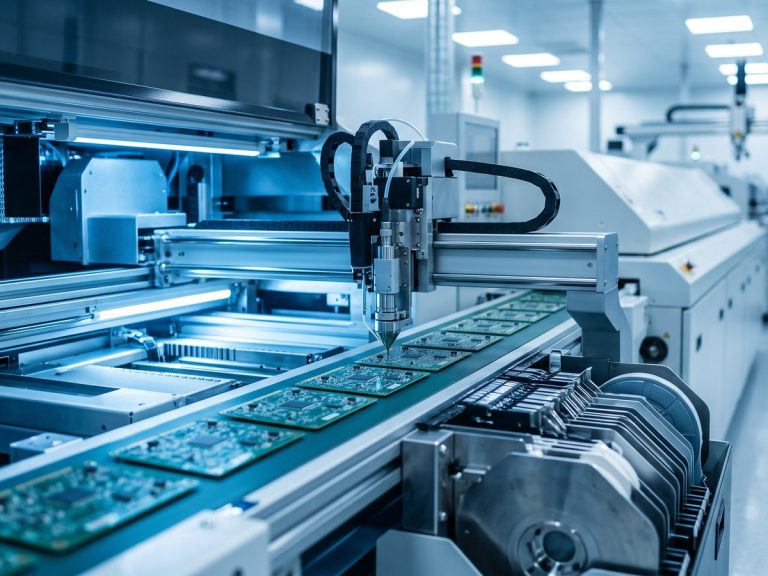 ElectronicConnector bodies, heat sinks, RF shields and precision pins in aluminum, brass and copper, held to ±0.01 mm on contact features.Learn More
-
 TelecomWaveguide components, filter housings and RF enclosures in aluminum and copper alloys, with silver or nickel plating for conductivity.Learn More
-
 Drone & UAVMotor mounts, gimbal frames and landing gear fittings in 7075 aluminum, titanium and magnesium to cut weight without losing stiffness.Learn More
-
 EnergyBattery end plates, busbars, inverter housings and fuel-cell fittings in aluminum, copper and stainless, machined flat and burr-free.Learn More
-
 Oil & GasValve components, manifold blocks, downhole tool parts and flanges in 4140, 17-4 PH, duplex 2205 and Inconel, with hardness specs.Learn More
-
 MarinePropeller shafts, pump parts and deck hardware in 316 stainless, bronze and aluminum bronze, chosen first for corrosion resistance.Learn More
-
 Industrial EquipmentGripper plates, linear guide mounts, cam followers and machine frames in aluminum and steel, with fixtures kept on file for repeats.Learn More
-
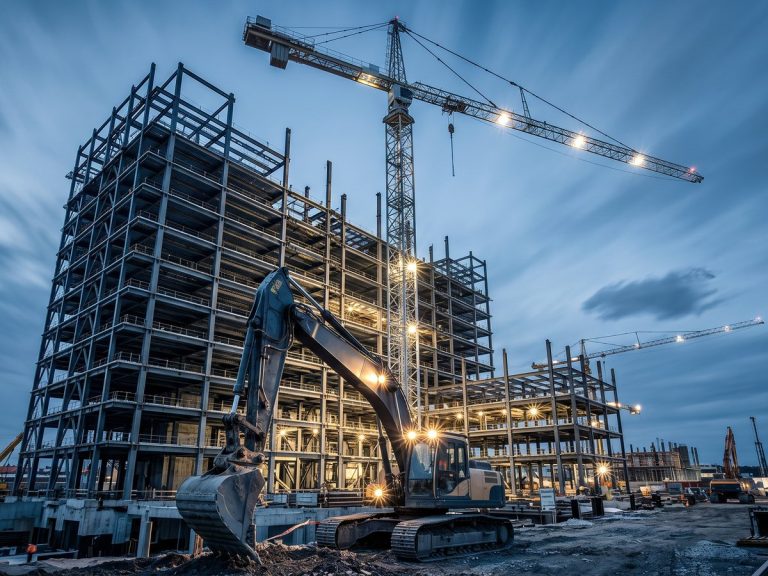 ConstructionStructural brackets, anchoring hardware and hydraulic fittings in mild steel, alloy steel and aluminum, zinc plated or powder coated.Learn More
-
 AgricultureGearbox housings, shafts, sprayer nozzle bodies and sensor mounts in cast iron, steel and stainless for abrasion and moisture.Learn More
-
 Consumer ProductsKnobs, handles, enclosure parts and audio hardware where the machined surface shows, anodized, bead blasted or polished to sample.Learn More
-
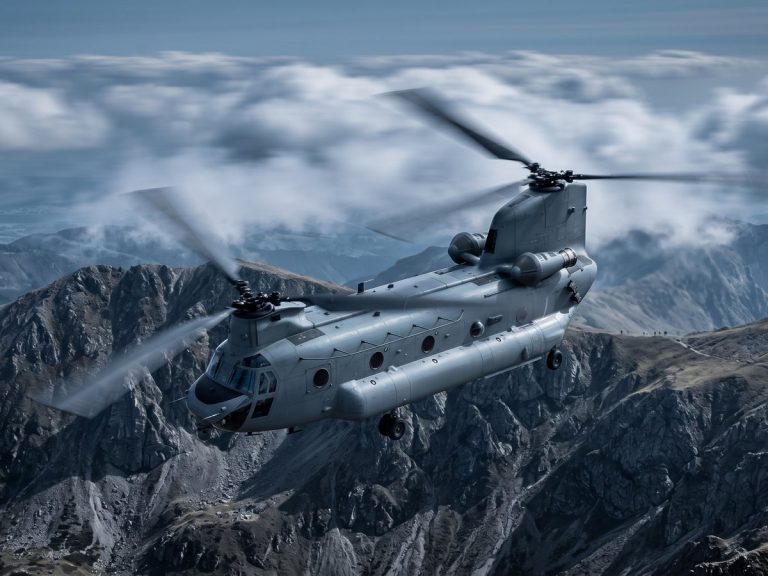 Military & DefenseOptical mounts, enclosures and accessory rails in aluminum, steel and titanium, with material certification and FAI reports.Learn More
-
 MiningWear plates, bushings, crusher components and hydraulic fittings in hardened alloy steel, bronze and stainless for dust and vibration.Learn More
Turned Features & Challenges We Solve
From stepped shafts to micro-turned parts, these are the turned aluminum geometries we machine and the issues we control.
-

Shafts & Stepped Diameters
Contour, straight, and taper turning for custom shafts, stepped diameters, and conical fittings.
-

Threads & Knurling
Threads and knurls for fasteners, grip surfaces, and mating connectors; fit-critical pitch diameters to ±0.005 mm.
-

Cross-Holes, Flats & Keyways
Live tooling cuts secondary milled features in the same setup, without re-fixturing, at ±0.01 mm profile control.
-

Micro-Turned Components
Sub-10 mm outer diameters held to ±0.003 mm with CMM inspection at FAI. See micro machining.
-

Large Turned Components
Turned structural parts up to ~1000 mm long. Related: large part CNC machining.
-
Bushings & Standoffs
Bushings, couplings, and standoffs for motion assemblies and fluid-handling lines.
Common Challenges We Handle
-
Thin-Wall Deflection
We reduce cutting forces, support the wall in the workholding, and finish with light passes so thin walls stay round within tolerance.
-
Shaft-Bore Coaxiality
Coaxial features and press fits held to ±0.005 mm, verified by CMM at FAI and OQC rather than sampled from the cutting program.
-
Tool Marks Before Coating
A polished or bead-blasted pass before anodizing removes visible tool marks for consistent color and corrosion protection.
-
Bare Metal After Anodizing
Threads, bores, and mating faces are masked with tape or plugs to stay bare for press fits, electrical continuity, or grounding.
Certified Quality on Every Batch
ISO 9001, AS9100D, and ISO 13485 certified through TUV, with in-house CMM inspection.
-
 AS9100D
Aerospace Quality Management System
-
 ISO 9001:2015
Quality Management Standard
-
 ISO 13485
Medical Devices Quality Management
Aluminum Grades & Surface Finishes
Four aluminum grades in standard stock, related turned metals, and the finishes we apply after CNC turning.
Surface Finishes
Need another alloy or finish on your part? Ask our engineers for help.
View MaterialsHow to Order Turned Aluminum Parts
Aluminum Turning FAQs
Answers on threads, coaxiality, thin walls, masking, and lead times for turned aluminum.
Request an Aluminum Turning Services Quote
Send a 2D drawing and 3D CAD file with fit-critical dimensions marked. An engineer reviews it by hand and returns a quote before production.
- No MOQ, from one prototype to production
- Prototypes in about 3 days from order
- Tolerances as tight as ±0.005 mm
- CMM inspection at FAI and OQC
- Anodizing, plating, or powder coating
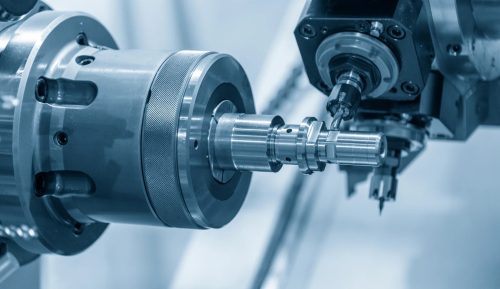

Ready to Scale Your Project?
Get started with a stable process and controlled quality. Let's discuss your project.