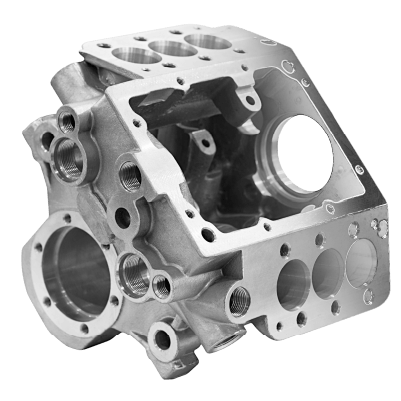









Precision Custom Titanium Parts
DEK machines custom titanium parts to a general tolerance of ±0.005 mm, from single prototypes to production runs with no MOQ. Cutting parameters are validated for Ti-6Al-4V.
-
±0.005 mm
General Tolerance
-
3 Days
Prototype Lead
-
No MOQ
One Part or a Run
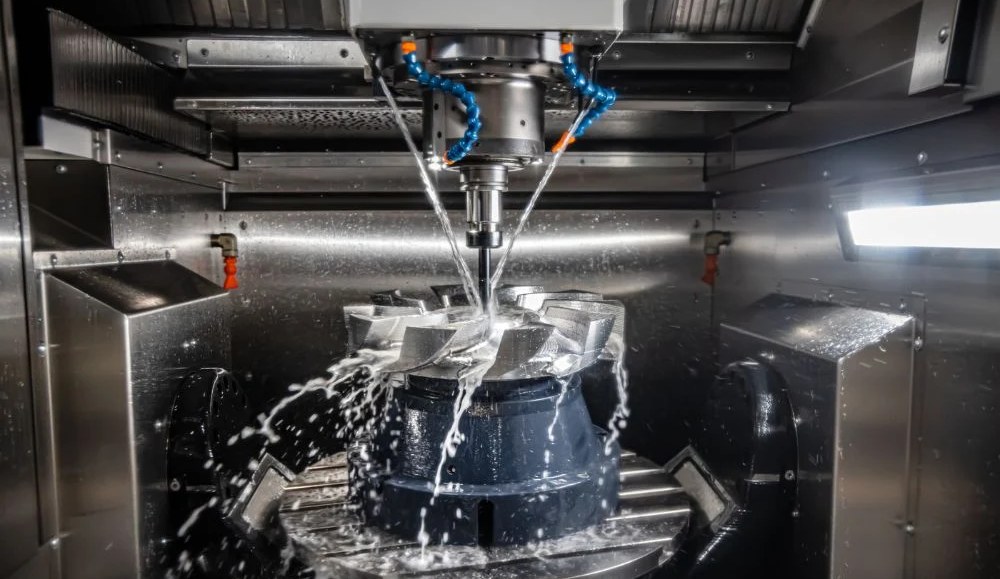

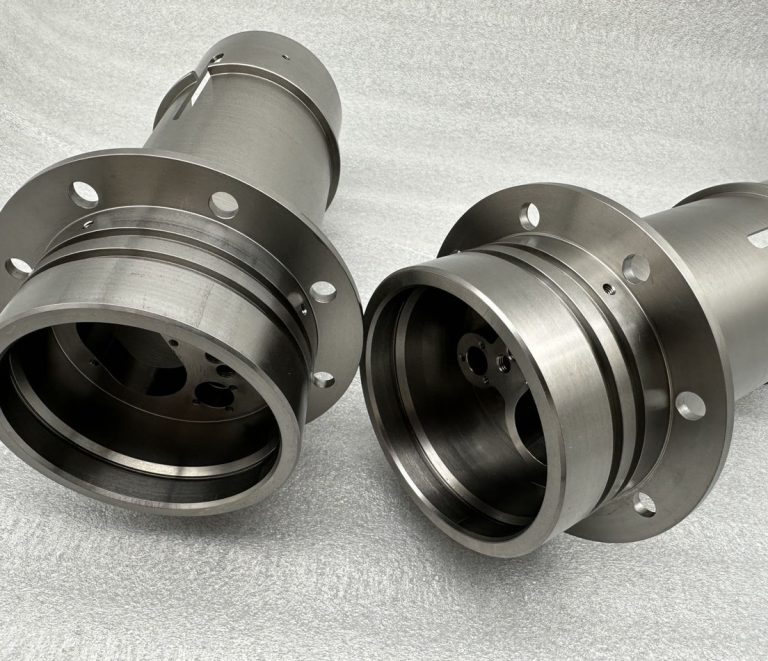
Titanium Parts Manufacturer, Prototype to Production
Sourcing titanium means finding a shop that holds tight tolerances on a hard-to-cut alloy without turning a prototype into a six-week wait. DEK runs titanium grades 1, 2 and 5 from stock, with Grade 9 and Grade 23 ELI on request.
We work under ISO 9001, ISO 13485 and AS9100D (via TUV) and quote every part against its actual geometry, not a per-kilo rate. A single prototype and a 500-unit run get quoted the same way, then move to production in the same shop.
Why Manufacturers Choose DEK
Two decades of precision machining, validated titanium parameters and a delivery record OEMs can plan around.
-

20+ Years Machining
More than 20 years machining precision metal and plastic parts, including hard-to-cut alloys like titanium, Inconel 718 and 17-4PH.
-

High-Volume Experience
1.2M+ parts machined annually for 2,300+ global OEM clients, from single prototypes to repeat production orders.
-

On-Time Delivery
A 98.6%+ on-time delivery rate, with finished parts shipping as fast as 1 day once they clear final inspection.
-

Fast Prototypes
3-day prototype lead time and no MOQ: machine one titanium part at true prototype pricing before committing to a run.

Validated Titanium Process
Titanium work-hardens, holds heat at the cutting edge and springs back under tool pressure. Our process controls are validated for Ti-6Al-4V, keeping ±0.005 mm consistent across multi-feature parts.


Titanium CNC Machining Service Capabilities
Processes, tolerance tiers, grades and inspection steps that apply to every titanium part we machine.
Custom Titanium Machining vs. Aluminum Alternatives
Choose titanium for high-load, corrosion-exposed parts. If your assembly has non-critical parts, a lighter, lower-cost aluminum part can take that role.
| Criteria | This ProcessCustom titanium machining | Aluminum extrusion machining |
|---|---|---|
| Best for | Critical, high-load parts | Non-critical parts |
| Weight | High strength-to-weight | Lighter metal |
| Relative cost | Higher (tool wear, speed) | Lower cost |
| Choose when | Corrosion or high stress | Cost and weight lead |
Industries Sourcing Titanium Parts
Aerospace, medical device, robotics, semiconductor and energy teams source titanium from DEK where weight, corrosion and stress matter.
-

Aerospace
-

Medical
-

Automotive
-

Robotics
-

Semiconductor
-

Electronic
-

Telecom
-

Drone & UAV
-

Energy
-

Oil & Gas
-

Marine
-

Industrial Equipment
-

Construction
-

Agriculture
-

Consumer Products
-

Military & Defense
-

Mining
-
 AerospaceNon-flight-critical brackets, cabin hardware and fittings under AS9100D, in 7075 aluminum, Ti-6Al-4V and Inconel 718, with FAI.Learn More
-
 MedicalInstrument shafts, handles and cannulas in 316L stainless, titanium and PEEK under ISO 13485, with lot traceability as standard.Learn More
-
 AutomotivePrototype and low-to-mid-volume sensor housings, valve bodies and shafts in aluminum, 4140 and 4340 alloy steel, stainless and brass.Learn More
-
 RoboticsJoint housings, harmonic drive flanges and gripper fingers in aluminum and hardened steel, with 5-axis milling in one setup.Learn More
-
 SemiconductorChamber components, wafer handling fixtures and vacuum flanges in 6061 aluminum, 316L, PEEK and Kovar, with burr-free edges.Learn More
-
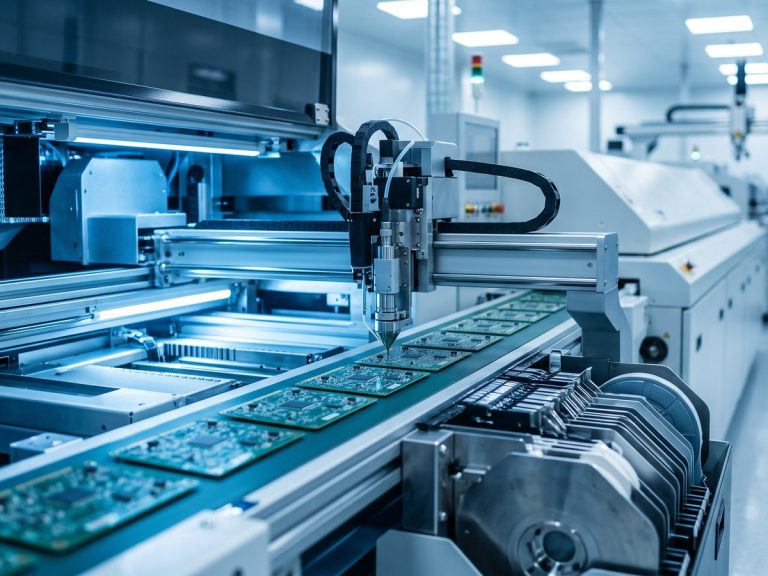 ElectronicConnector bodies, heat sinks, RF shields and precision pins in aluminum, brass and copper, held to ±0.01 mm on contact features.Learn More
-
 TelecomWaveguide components, filter housings and RF enclosures in aluminum and copper alloys, with silver or nickel plating for conductivity.Learn More
-
 Drone & UAVMotor mounts, gimbal frames and landing gear fittings in 7075 aluminum, titanium and magnesium to cut weight without losing stiffness.Learn More
-
 EnergyBattery end plates, busbars, inverter housings and fuel-cell fittings in aluminum, copper and stainless, machined flat and burr-free.Learn More
-
 Oil & GasValve components, manifold blocks, downhole tool parts and flanges in 4140, 17-4 PH, duplex 2205 and Inconel, with hardness specs.Learn More
-
 MarinePropeller shafts, pump parts and deck hardware in 316 stainless, bronze and aluminum bronze, chosen first for corrosion resistance.Learn More
-
 Industrial EquipmentGripper plates, linear guide mounts, cam followers and machine frames in aluminum and steel, with fixtures kept on file for repeats.Learn More
-
 ConstructionStructural brackets, anchoring hardware and hydraulic fittings in mild steel, alloy steel and aluminum, zinc plated or powder coated.Learn More
-
 AgricultureGearbox housings, shafts, sprayer nozzle bodies and sensor mounts in cast iron, steel and stainless for abrasion and moisture.Learn More
-
 Consumer ProductsKnobs, handles, enclosure parts and audio hardware where the machined surface shows, anodized, bead blasted or polished to sample.Learn More
-
 Military & DefenseOptical mounts, enclosures and accessory rails in aluminum, steel and titanium, with material certification and FAI reports.Learn More
-
 MiningWear plates, bushings, crusher components and hydraulic fittings in hardened alloy steel, bronze and stainless for dust and vibration.Learn More
Common Titanium Parts and Challenges
If your part looks like one of these, it is a straightforward RFQ quoted against its actual geometry.
-

Structural Brackets
Structural brackets and mounting plates, often in Grade 2 or Grade 5 for high-load components.
-

Fasteners & Threaded Parts
Titanium fasteners and threaded hardware, a typical use of general-purpose Grade 2.
-

Medical Device Components
Housings and instrument components under ISO 13485, with CMM records and traceability.
-

Robotic Joints & Actuators
Joints, actuator housings and structural links for robotics where weight matters.
-

Valve & Fitting Components
Titanium valve and fitting components for corrosive or high-stress environments.
-
Semiconductor Tooling
Tooling parts for semiconductor equipment, machined for corrosion and thermal stability.
Titanium Challenges We Handle
-
Work Hardening
Grade 5 work-hardens quickly. Validated tooling and cutting parameters prevent the tolerance drift and rapid tool wear that follow.
-
Heat at the Cutting Edge
Titanium retains heat at the edge. Our process controls, validated with Inconel 718 and 17-4PH, keep tool life and size stable.
-
Springback
Titanium springs back under tool pressure. Validated parameters hold ±0.005 mm consistently across multi-feature parts.
-
Thin Walls
Thin-wall features are reviewed case by case during design review; we flag any wall that needs a design tweak before cutting.
Certified Titanium Machining
ISO 9001, AS9100D and ISO 13485 quality systems, all obtained via TUV.
-
 AS9100D
Aerospace Quality Management System
-
 ISO 9001:2015
Quality Management Standard
-
 ISO 13485
Medical Devices Quality Management
Titanium Grades and Finishes
Pick the grade for strength or formability, then add the finish your titanium part needs: color, corrosion resistance or ID.
Surface Finishes
Need another grade or finish? Ask our engineers to review it.
All MaterialsHow to Order Custom Titanium Parts
Titanium Parts FAQ
Cost, lead time, wall thickness, tolerances and medical documentation for titanium parts.
Get a Quote for Your Custom Titanium Parts
Upload your CAD file or drawing and we quote your part against its actual tolerances, features and grade, not a generic rate card.
- No MOQ: one part or a production run
- Prototypes in as fast as 3 days
- ±0.005 mm general tolerance
- CMM inspection and full traceability
- Prototype to production in one shop

Ready to Scale Your Project?
Get started with a stable process and controlled quality. Let's discuss your project.