






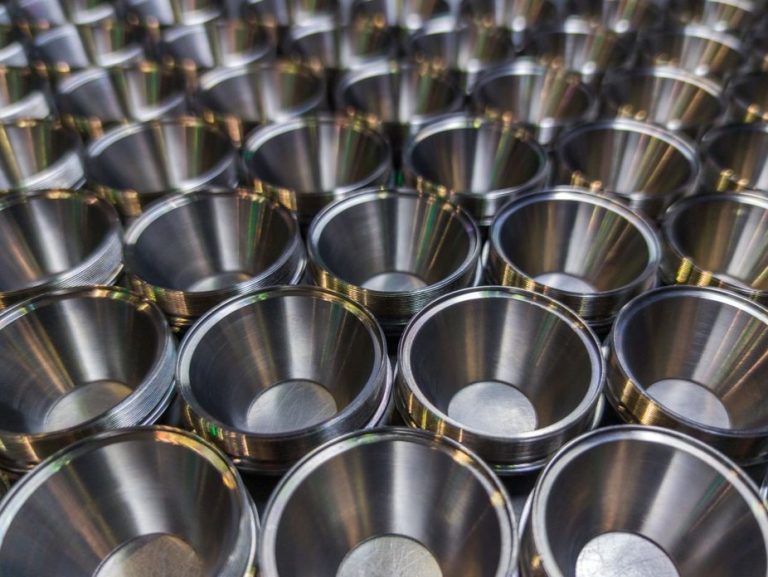
CNC Machining Surface Finish Options
Every CNC machining surface finish at DEK is part of the machining order: anodizing, passivation, PVD, DLC and more, applied only to parts we machine, with tolerance planned together.
-
16Finish Options
-
0.05µmPolished Ra From
-
6hQuote Turnaround
Surface Finishing Services Inside Your CNC Order
Our surface finishing services are one step of the machining order: DEK does not accept finishing-only orders.
Tolerance, coating thickness and inspection are planned together from the drawing. As-machined parts leave the machine at Ra 0.8–1.6 µm, grinding and polishing reach Ra 0.2–0.4 µm, and coatings are quoted with their thickness so fits still work. Finishes are available on every order through our CNC machining service.
- Finish planned with machining, so tolerances hold after coating
- Coating thickness, Ra and masking verified at final inspection
- ISO 9001:2015, ISO 13485 and AS9100D, certified by TÜV
- No MOQ, quotes within 6 hours, photos before shipment
-

Coatings
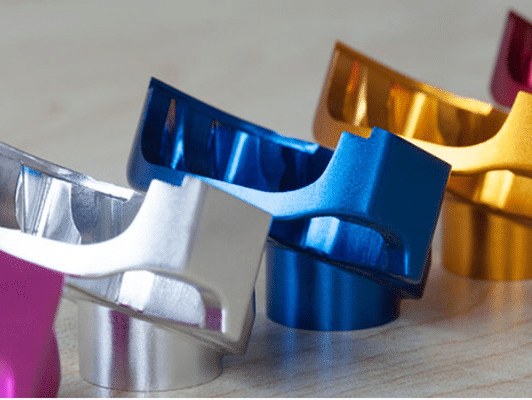
Anodizing, chem film, black oxide, PVD and more
-

Plating
Zinc plating, electroless nickel, nickel plating
-

Mechanical
Bead blasting, polishing, deburring, laser marking
-

Treatments
Passivation, electropolishing, heat treatment

Available Surface Finishes
Each finish is applied to parts DEK machines, quoted with its thickness or Ra and inspected before shipment.
-
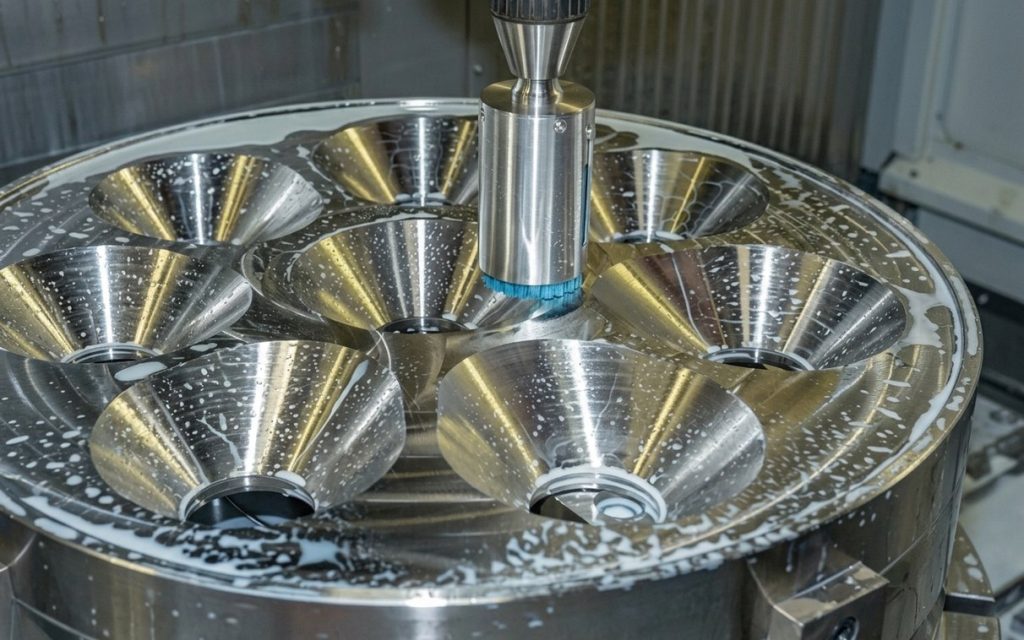
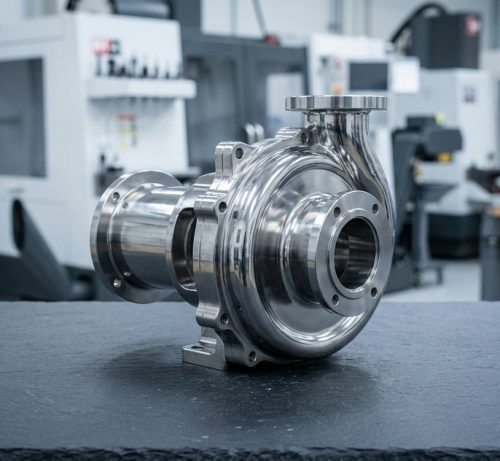 MechanicalPolishingBrushed, satin, polished or mirror surfaces on parts DEK machines, from Ra 0.8–1.6 µm as-machined down to Ra 0.02–0.05 µm on stainless, aluminum, brass, titanium and tool steel.Learn More
-
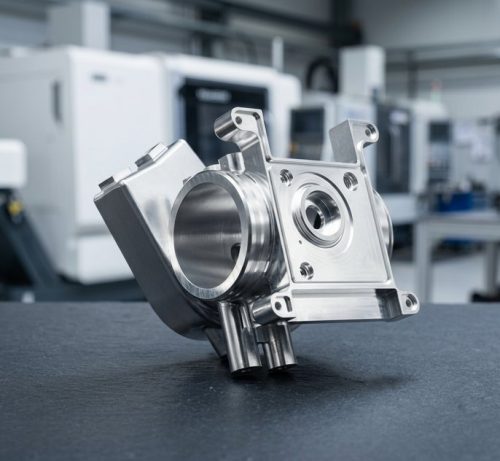 TreatmentsPassivationA controlled acid treatment that removes free iron left by machining and restores the chromium oxide layer on stainless steel parts, with no change to dimensions or finish.Learn More
-
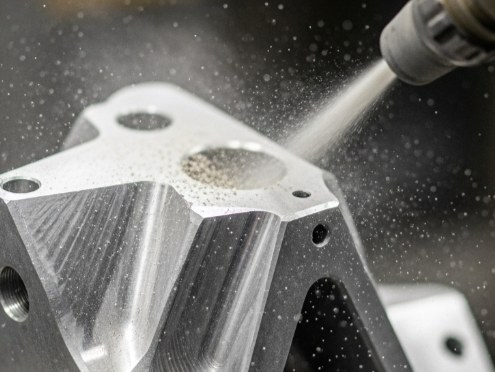
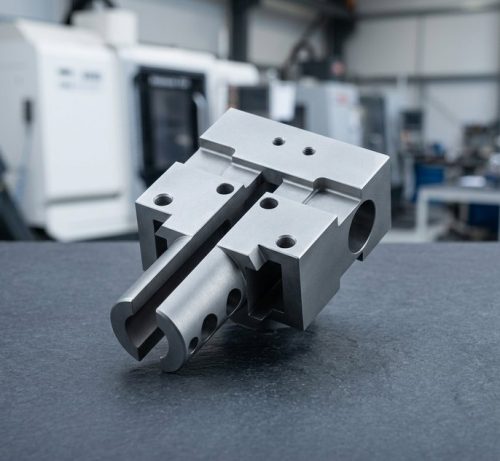 MechanicalMedia Blasting & Shot PeeningBead blasting, aluminum oxide and shot peening give machined aluminum, stainless, titanium and steel parts a uniform matte, a paint key or longer fatigue life, in the same order.Learn More
-
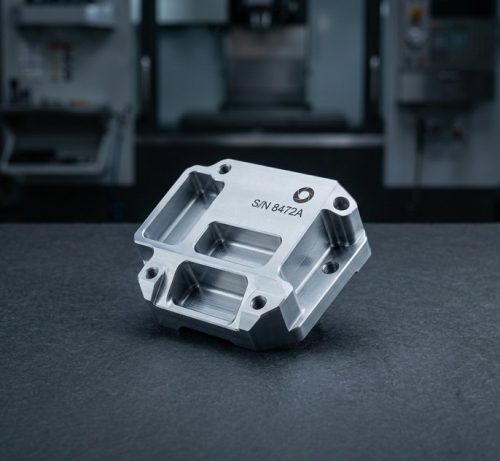 MechanicalLaser MarkingPermanent part numbers, serials, logos and UDI codes laser marked on the stainless steel, titanium, aluminum and plastic parts DEK machines, with no depth or burr in annealing mode.Learn More
-
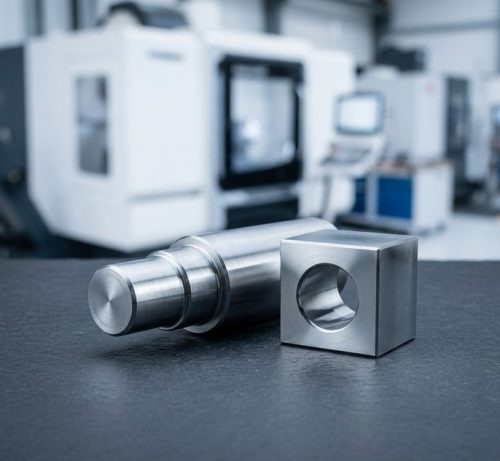 TreatmentsHeat TreatmentHeat treatment hardens, softens or nitrides the steel parts DEK machines, adding strength and wear resistance while finish grinding holds the final ±0.005 mm tolerance.Learn More
-
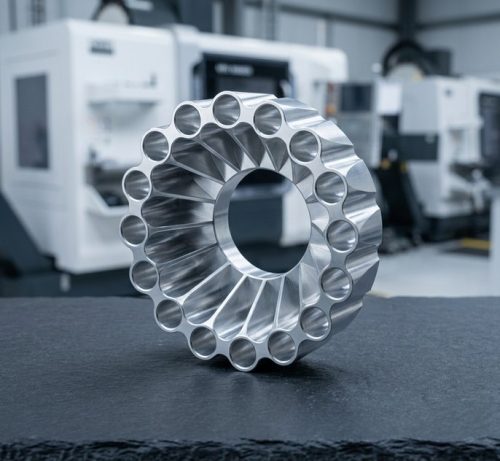 MechanicalDeburring & Edge FinishingDeburring and edge breaking on parts DEK machines in-house, from 0.1 mm hand-broken edges to thermal and abrasive-flow deburring of internal cross-holes in steel and aluminum.Learn More
Finish and Tolerance: Coating Affects Fit
A coating adds material, twice across a bore diameter. DEK plans the finish with the machining so fits still work after treatment.
-

Coating Thickness on Bores
A 25 µm hard anodize on a Ø10 H7 bore closes it by about 0.05 mm, out of tolerance. Electroless nickel and zinc plate the same way; electropolishing removes material.
-

Dimensions After Finishing
If the drawing says dimensions apply after finishing, the machining program compensates; if it is silent, the engineer asks. Passivation, black oxide and laser marking change nothing measurable.
-

Masking or Grinding
On precision fits, masking or grinding after coating is usually cheaper than holding a plated dimension. Hardened 4140 or 17-4 PH parts get grinding stock after heat treatment.
Which Finish for Which Material
Metal surface finishing depends first on the base material. Here are the finishes DEK recommends for each material family.
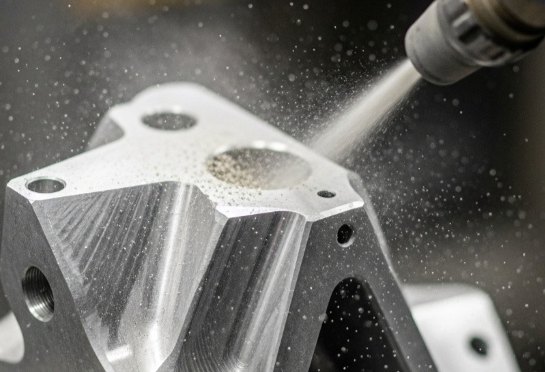
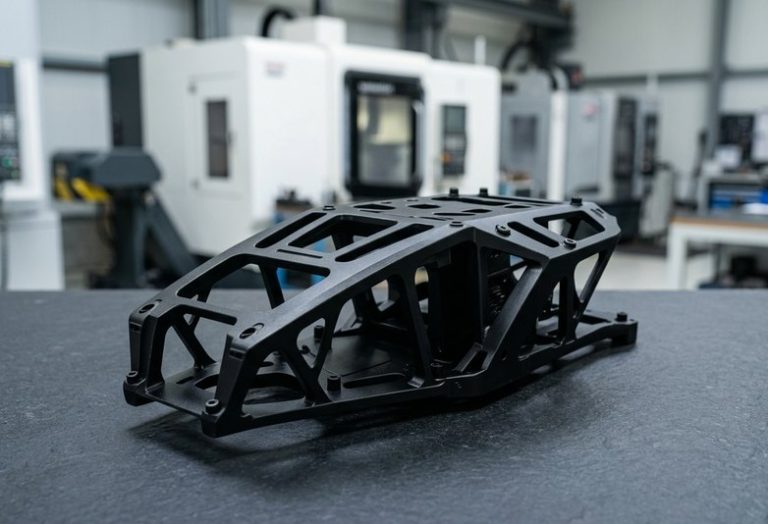
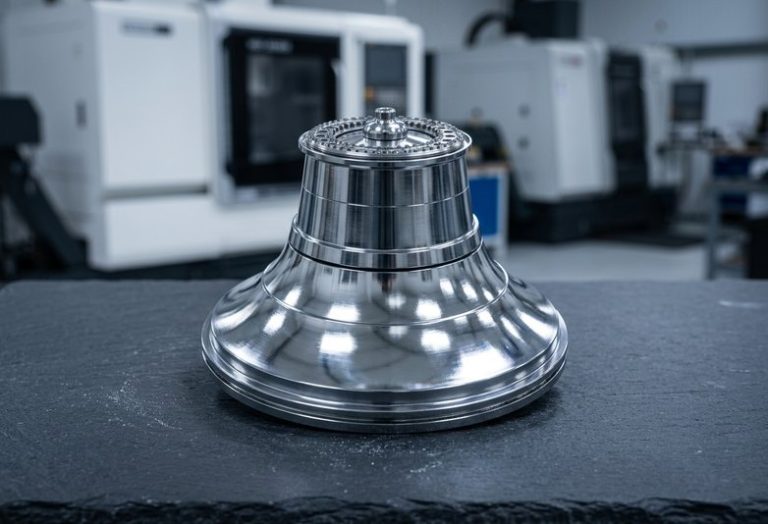
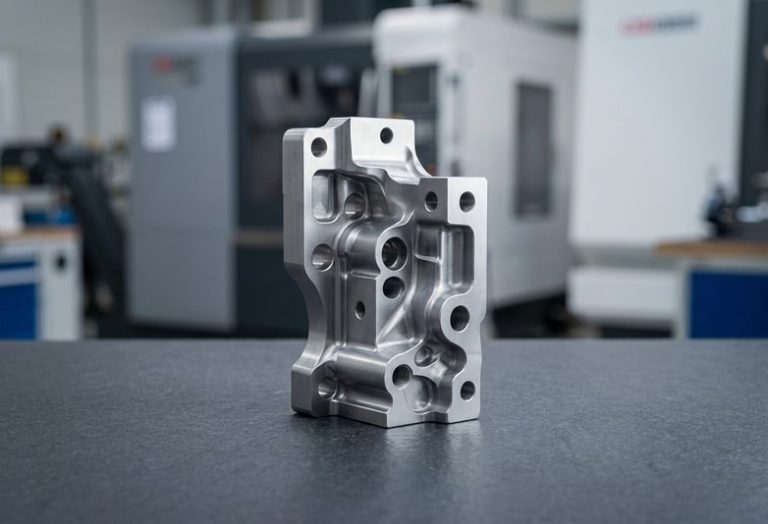
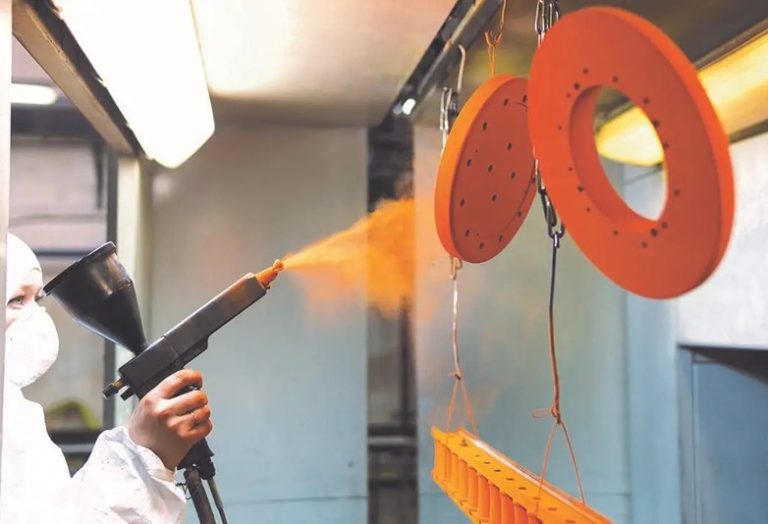

Anodizing for color and corrosion, hard anodizing for wear, chem film where conductivity is needed, and powder coating for outdoor parts. See our aluminum machining page.

Passivation as a minimum, electropolishing for medical and semiconductor parts, and PVD for color. See our stainless steel machining page.

Black oxide for indoor parts, zinc plating outdoors, electroless nickel for uniform protection, and heat treatment for hardness.
Nickel plating or electroless nickel protects copper and brass parts against tarnish and improves solderability.
Bead blasting for texture, polishing or vapor polishing for clarity, and laser marking for identification. See the CNC machining plastics hub.
Finish Selection Table
Materials, purpose and typical thickness or Ra for each finish DEK applies to the parts it machines.
| Finish | Materials | Purpose | Typical thickness / Ra |
|---|---|---|---|
| Anodizing (Type II) | Aluminum, titanium | Corrosion resistance, color | 5–25 µm |
| Hard anodizing (Type III) | Aluminum | Wear resistance, 400+ HV | 25–75 µm |
| Electropolishing | Stainless steel, titanium | Smoothness, cleanability | Removes 10–40 µm; Ra 0.2–0.4 µm |
| Passivation | Stainless steel, titanium | Restores passive layer | No measurable thickness |
| Chem film (Alodine) | Aluminum, magnesium | Conductive corrosion protection, paint base | 0.5–4 µm |
| Black oxide | Carbon and alloy steel, stainless | Mild corrosion resistance, black color | 1–2 µm |
| DLC coating | Steel, stainless, titanium, carbide | Very low friction, 2000+ HV | 1–5 µm |
| PVD coating (TiN, TiCN, TiAlN, CrN) | Steel, stainless, titanium, carbide | Wear resistance, gold or black color | 1–5 µm |
| Laser marking | All metals, most plastics | Part numbers, logos, 2D codes | No thickness change |
| Bead blasting | All metals, plastics | Uniform matte texture | Ra 1.0–3.0 µm |
| Media blasting and shot peening | All metals | Texture; peening adds compressive stress | Ra 1.5–6 µm |
| Polishing and brushed finish | Metals, clear plastics | Mirror or directional cosmetic finish | Ra 0.05–0.8 µm |
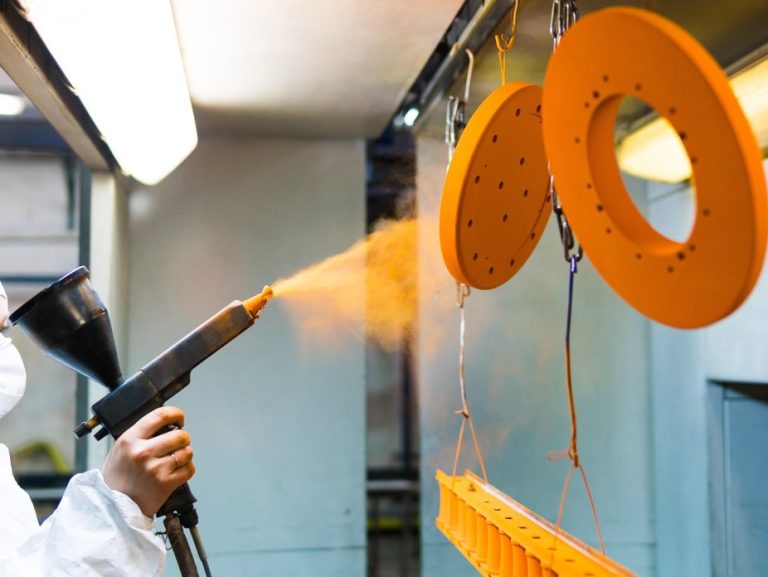
| Powder coating | Aluminum, steel | Durable colored coating for outdoor parts | 50–100 µm |
| Zinc plating | Carbon and alloy steel | Low-cost sacrificial corrosion protection | 5–15 µm |
| Electroless nickel | Steel, aluminum, copper, brass | Uniform corrosion and wear resistance | 5–50 µm |
| Heat treatment | Alloy, tool and stainless steel | Hardness, strength | Per spec |
| Deburring | All materials | Burr removal, edge break | Edge radius 0.1–0.5 mm |

Quote Your Parts With the Finish Included
Surface treatment for machined parts is quoted with the machining, on one lead time: send your drawing with the callout, or describe the environment and an engineer will specify it.


Specifying a CNC Machining Surface Finish
Typical Ra at each DEK process stage, and the standards to reference so your finish callout is complete.
Frequently Asked Questions
Short answers on finishing scope, default Ra, dimensions and callout standards.

Ready to Scale Your Project?
Get started with a stable process and controlled quality. Let's discuss your project.