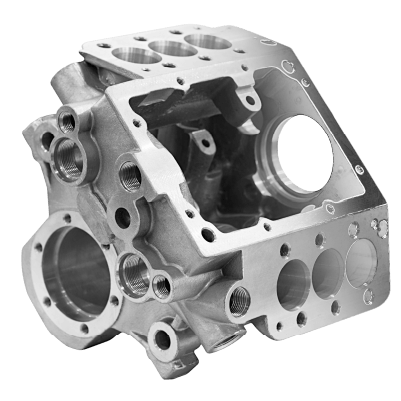









Chem Film Coating for CNC Machined Parts
DEK applies chem film coating to aluminum parts we machine in-house, in the same order. MIL-DTL-5541 Type I or Type II film holds ±0.005 mm parts with no build-up.
- 0.25–1 µm Film Thickness
- 168 h Salt Spray Test
- +1 day Added Lead Time


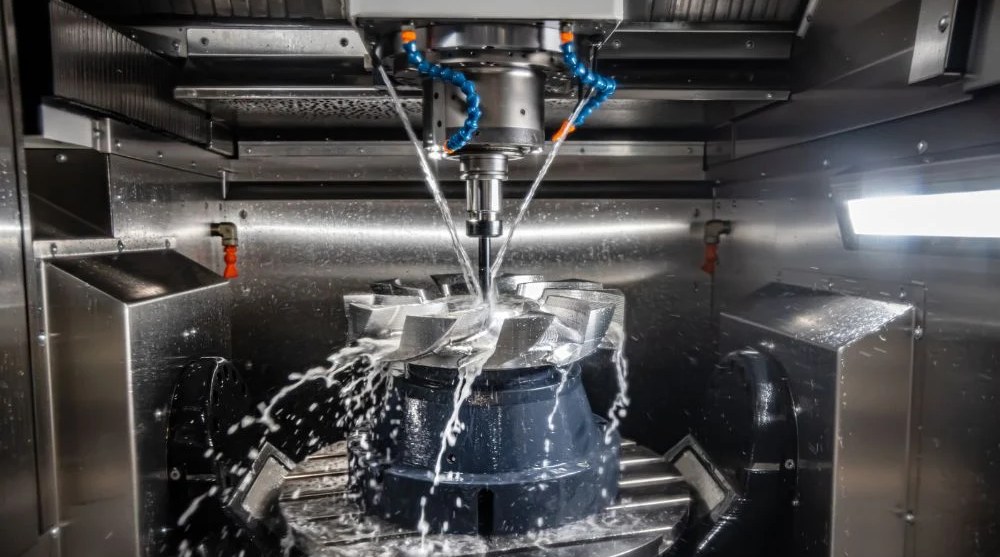
The Chem Film Coating Process
Chem film forms a conductive chromium-aluminum oxide film by chemical reaction. DEK plans it with the machining of your part, in the same order; no coating-only orders.
What Chem Film Coating Delivers & Its Limits
Chem film is thinner, softer, cheaper and more conductive than anodizing. Know where it excels and when another finish fits better.
-

Key Benefits
- Electrical conductivity: Class 3 keeps contact resistance low for EMI grounding, chassis grounds and RF housings
- No dimensional change: the film is under 1 µm and grows into the surface, so tolerances stay as machined
- Corrosion protection: passes 168 h salt spray on common machining alloys and stops white corrosion
- Primer base for paint: adherent film serves as the base under epoxy and polyurethane paint
- No thread masking: threads stay in fit and Ra after coating is the as-machined value
- Low cost, fast: one of the lowest-cost finishes, adding about one day with no MOQ
-

Limitations & Alternatives
- Wear or colored surfaces: chem film is too soft; specify Type II or Type III anodizing
- Thick outdoor color: use chem film as a primer base plus powder coating
- Solderability or hardness: choose electroless nickel plating over aluminum
- Steel parts: chem film is an aluminum process; use zinc plating or black oxide
- Uniform matte look: add bead blasting before chem film to hide tool marks
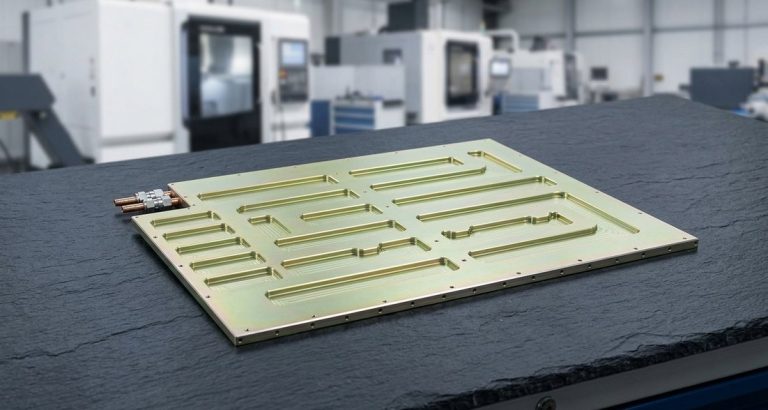
Alodine Coating Results on Parts
An alodine coating gives machined aluminum corrosion protection, conductivity and a paint base, with appearance set by type and alloy.
-

Corrosion Protection
Passes 168 h salt spray on 2024 and 6061. Class 1A gives the heaviest film and maximum protection for unpainted exposed parts.
-

Low Contact Resistance
Class 3 stays below 5,000 µΩ per square inch as applied and 10,000 µΩ after salt spray, for joints that must carry current.
-

Gold or Clear Finish
Type I gives gold, iridescent yellow-brown; Type II is clear to faint blue-green and can be dyed to show coverage.
Chem Film Type II vs Type I
| MIL-DTL-5541 | Chemistry | Appearance | Corrosion (168 h salt spray) | RoHS / REACH | When to specify |
|---|---|---|---|---|---|
| Type I | Hexavalent chromium (classic Alodine 1200) | Gold, iridescent yellow-brown | Passes on 2024 and 6061 | Not compliant; restricted in EU consumer and automotive use | Legacy aerospace and defense drawings that still call for Type I |
| Type II | Trivalent chromium (Alodine 5200 / TCP) | Clear to faint blue-green; can be dyed to show coverage | Passes with correct pre-treatment | Compliant | New designs, electronics, EU and consumer products, medical enclosures |
Chromate Conversion Aluminum Alloys
Chem film works on every aluminum alloy DEK machines, with some appearance differences. Copper-rich 2024 and 2014 anodize poorly but chem film well.
Cast and plate alloys can look mottled because of silicon, so avoid them for cosmetic parts. Alloy selection is covered on our aluminum machining page.
-
6061 AluminumUniform gold (Type I) or clear (Type II) film; the most predictable result, as with 6063 and 6082.Recommended
-
7075 AluminumSlightly darker film with excellent corrosion results, as with 7050; common on aerospace brackets.Excellent
-
2014 AluminumCopper-rich, like 2024: anodizes poorly but chem films well; the standard corrosion finish on structures.Standard
-
MIC6 AluminumGood functional film, as with 5052, 5083 and cast alloys, but it can look mottled because of silicon.With caveats
Chem Film Applications
Chem film serves aerospace, defense and electronics parts that must resist corrosion, accept paint or stay conductive for grounding.
-
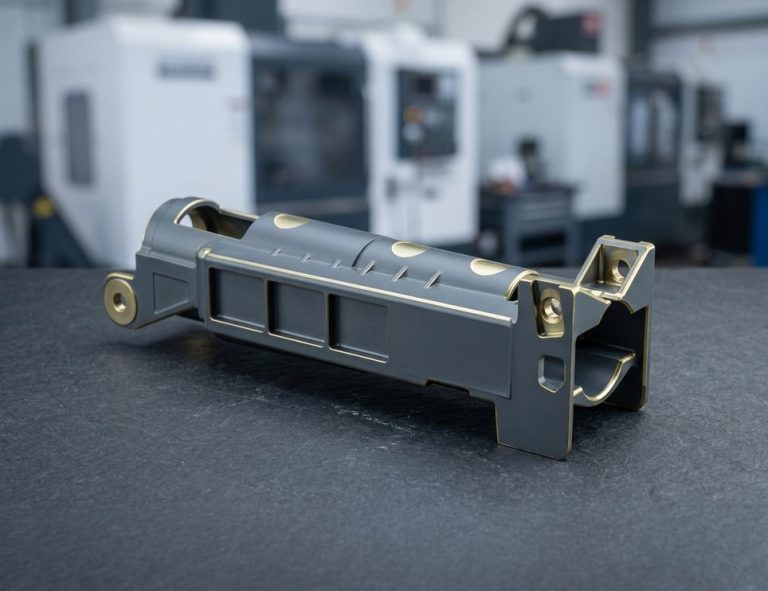 Aerospace PartsPrimer base under epoxy and polyurethane paint on brackets, fittings and avionics housings, made under AS9100D.Request a Quote
-
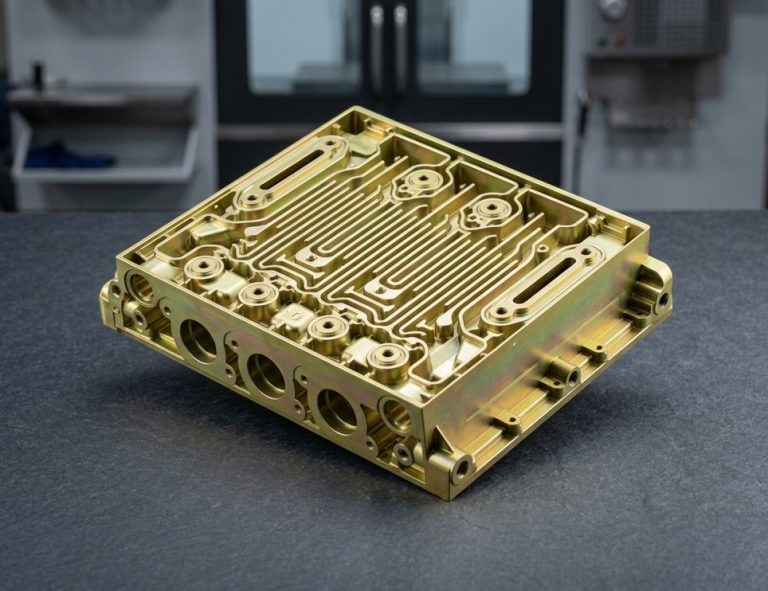 Internal StructuresBare chem film finish on internal aluminum structural parts, including 2024 structural components.Request a Quote
-
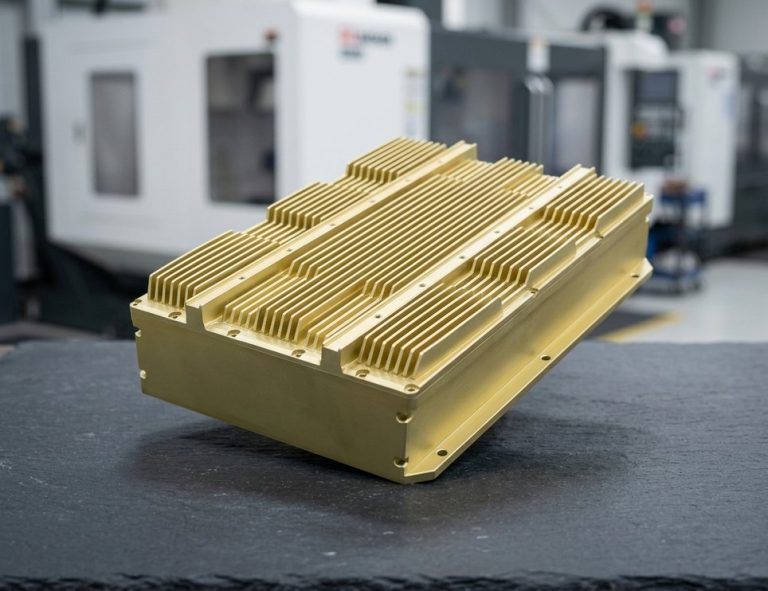 RF Shields & ChassisClass 3 keeps machined chassis, heat sinks and RF cavities conductive for EMI grounding while stopping white corrosion.Request a Quote
MIL-DTL-5541 Chem Film Design Notes
Chem film has no practical effect on dimensions, so design work focuses on the right type and class callout and on any area needing another finish.
-
No Pre-Coat Compensation
The film is under 1 µm and grows into the surface: bores, pins and press fits held to ±0.005 mm need no compensation.
-
Threads Need No Masking
Thread fit, flatness and roughness are unchanged; Ra after coating is the as-machined or polished value.
-
Choose Class 1A or Class 3
Class 1A for unpainted exposed parts or a primer base; Class 3 for EMI shields, chassis grounds and any joint carrying current.
-
Write a Full Callout
Example: "Chemical conversion coating per MIL-DTL-5541 Type II Class 3, clear. All surfaces. No masking."
-
Combine With Anodizing
For one hard-anodized region, DEK masks and applies anodizing first, then chem films the masked area.
Chem Film Specifications
- Standard MIL-DTL-5541
- Types Type I (hexavalent), Type II (trivalent)
- Classes Class 1A, Class 3
- Film Thickness 0.25–1 µm
- Cure Time 24 hours
- Salt Spray 168 h
- Class 3 As Applied < 5,000 µΩ per sq in
- Class 3 After Salt Spray < 10,000 µΩ
- Colors Gold (Type I), clear (Type II)
- Tolerance Held ±0.005 mm
- Added Lead Time About 1 day
- Default Type II

Chromate Conversion Coating Service Options
DEK's chromate conversion coating service covers both MIL-DTL-5541 types and classes, chosen to match your drawing.
Frequently Asked Questions
Answers to common questions about chem film on machined aluminum parts.

Ready to Scale Your Project?
Get started with a stable process and controlled quality. Let's discuss your project.