






3 Axis CNC Machining Services
3 axis CNC machining holds ±0.005 mm on flat faces, pockets, slots and perpendicular holes. Engineer-reviewed quotes, no MOQ, prototypes in as fast as 3 days.
-
±0.005mm
Standard Tolerance
-
3 Days
Fastest Prototype
-
~1000 mm
Part Envelope

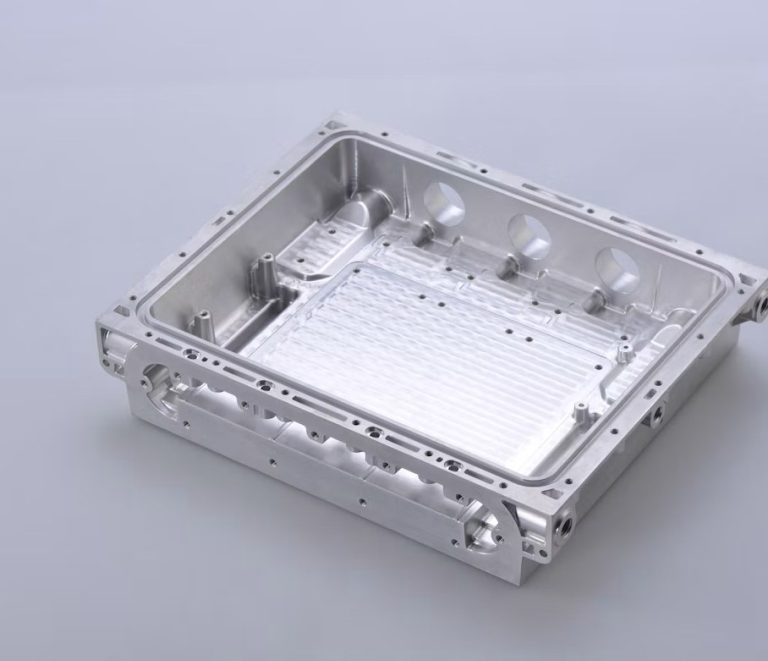
Custom 3 Axis CNC Machining for Prismatic Parts
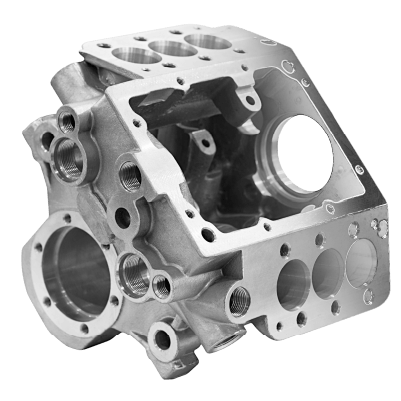
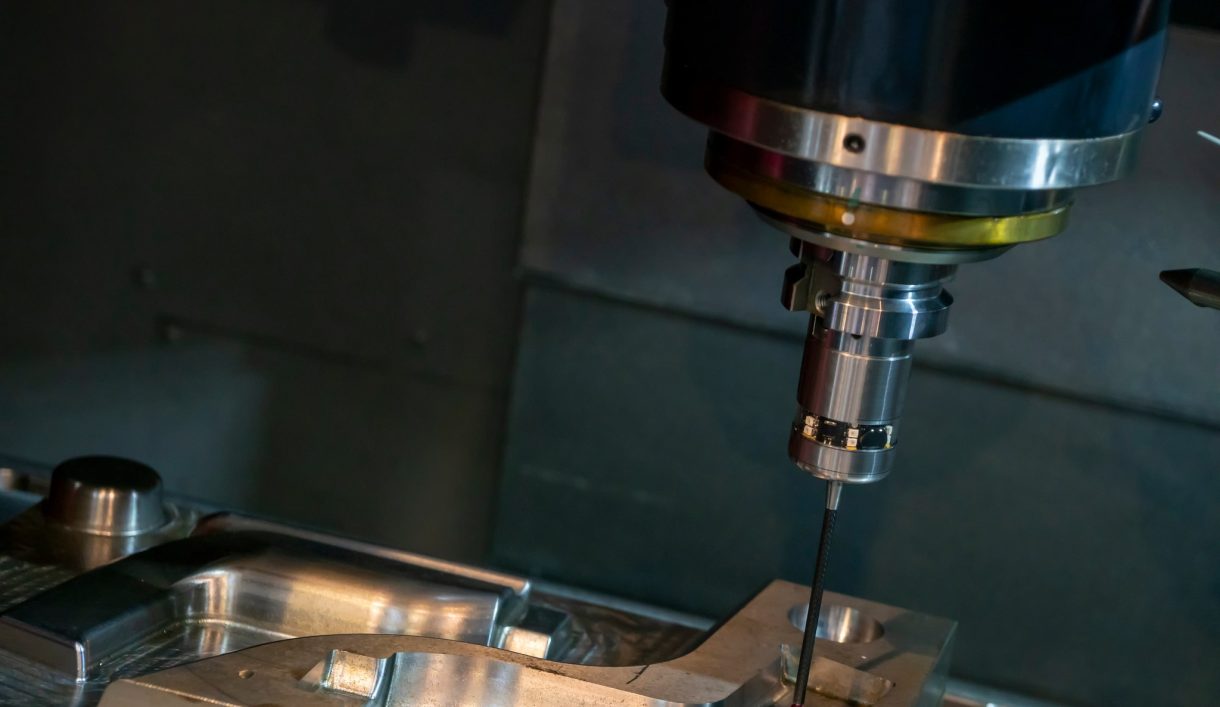
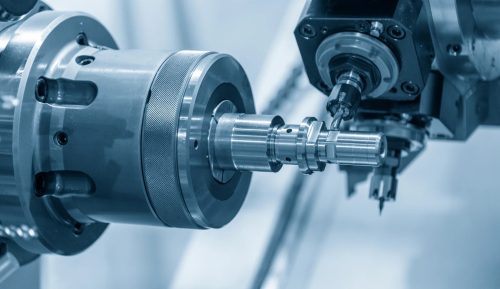
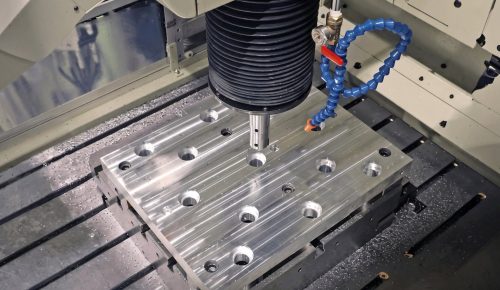
3 axis CNC machining moves the cutting tool along X, Y and Z to cut flat faces, pockets, slots and perpendicular holes, with no rotation. It is DEK’s default route within our CNC machining services for prismatic parts.
Every quote is reviewed by engineers who read your drawing, not an automated calculator, and there is no MOQ: one prototype and a production run follow the same process. Parts needing turned features too are covered by our milling services and CNC turning services under one quote.
Why Manufacturers Choose DEK
Two decades of precision machining, one shop from prototype to production, and engineers on every quote.
-

20+ Years of Machining
More than 20 years in precision machining, with 1.2M+ parts machined annually across prototypes and production orders.
-

98.6%+ On-Time Delivery
2300+ global OEM clients rely on our schedules, with on-time delivery above 98.6% and shipping in as fast as 1 day.
-

No MOQ, Same Review
Engineer-reviewed quotes with no MOQ: a single prototype or a production run gets exactly the same review process.
-

Prototype to Production
Prototype and production run in one shop, so you never re-quote the same part with a second vendor when volumes grow.

Engineering Review Before Quoting
Engineers check your CAD file against tolerance and geometry before quoting, and flag features that need a second setup or a tighter grade, so cost drivers are visible before you order.


3 Axis CNC Machining Capabilities
Tolerance grades, equipment, lead times and quality controls for every part we run on 3-axis vertical machining centers.
3-Axis vs. 5-Axis Machining and CNC Turning
Default to 3-axis for flat faces, perpendicular holes and pockets; escalate for undercuts or compound angles. See how 5-axis machining works.
| Criteria | This Process3-Axis CNC Machining | 5-Axis Machining | CNC Turning |
|---|---|---|---|
| Best for | Brackets, plates, housings | Five-side access parts | Turned, cylindrical parts |
| Geometry | Flat faces, pockets, holes | Undercuts, compound angles | Cylindrical shapes |
| Axes | X, Y, Z | X, Y, Z + two rotary | Turned profiles |
| Multi-face parts | Repositioned per face | One setup | Milled features, same quote |
| Programming | Simplest | More complex | Quoted per drawing |
| Choose when | No undercuts, prismatic | Fewer setups needed | Part is round, not prismatic |
Industries We Machine For
3-axis parts serve aerospace non-flight-critical hardware, medical device housings, robotics, semiconductor equipment and industrial automation.
-

Aerospace
-

Medical
-

Automotive
-

Robotics
-

Semiconductor
-

Electronic
-

Telecom
-

Drone & UAV
-

Energy
-

Oil & Gas
-

Marine
-

Industrial Equipment
-

Construction
-

Agriculture
-

Consumer Products
-

Military & Defense
-

Mining
-
 AerospaceNon-flight-critical brackets, cabin hardware and fittings under AS9100D, in 7075 aluminum, Ti-6Al-4V and Inconel 718, with FAI.Learn More
-
 MedicalInstrument shafts, handles and cannulas in 316L stainless, titanium and PEEK under ISO 13485, with lot traceability as standard.Learn More
-
 AutomotivePrototype and low-to-mid-volume sensor housings, valve bodies and shafts in aluminum, 4140 and 4340 alloy steel, stainless and brass.Learn More
-
 RoboticsJoint housings, harmonic drive flanges and gripper fingers in aluminum and hardened steel, with 5-axis milling in one setup.Learn More
-
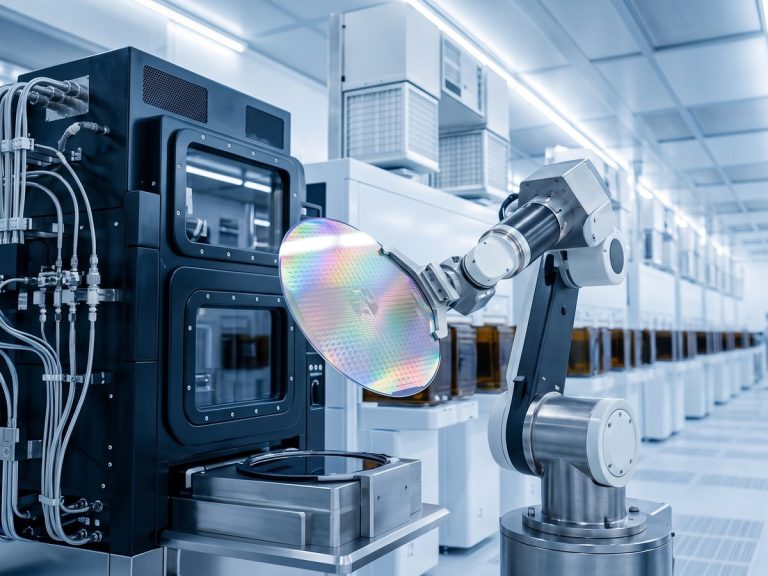 SemiconductorChamber components, wafer handling fixtures and vacuum flanges in 6061 aluminum, 316L, PEEK and Kovar, with burr-free edges.Learn More
-
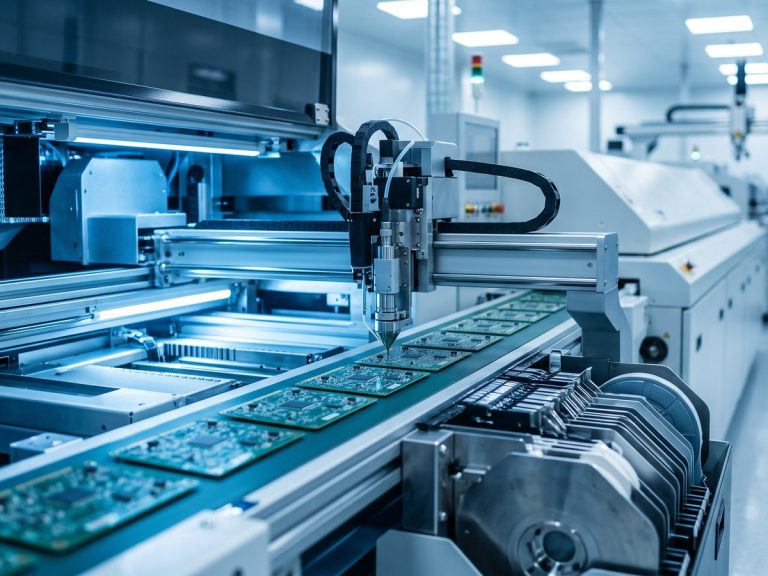 ElectronicConnector bodies, heat sinks, RF shields and precision pins in aluminum, brass and copper, held to ±0.01 mm on contact features.Learn More
-
 TelecomWaveguide components, filter housings and RF enclosures in aluminum and copper alloys, with silver or nickel plating for conductivity.Learn More
-
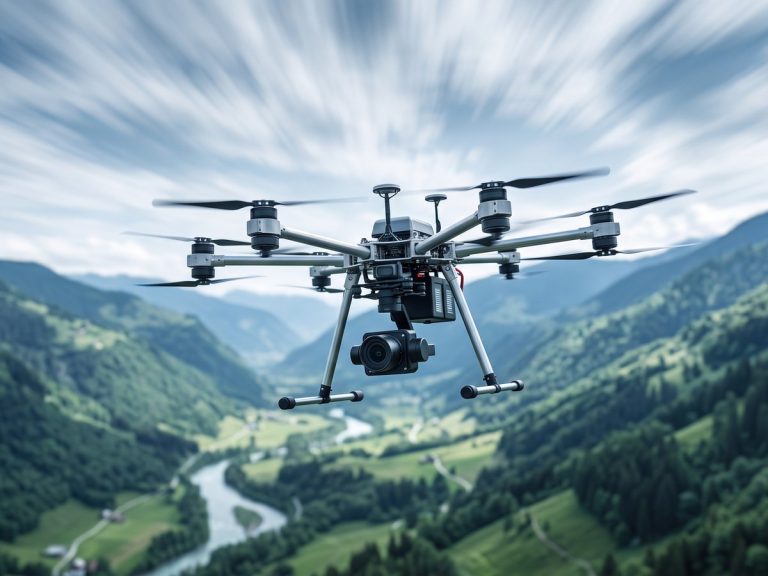 Drone & UAVMotor mounts, gimbal frames and landing gear fittings in 7075 aluminum, titanium and magnesium to cut weight without losing stiffness.Learn More
-
 EnergyBattery end plates, busbars, inverter housings and fuel-cell fittings in aluminum, copper and stainless, machined flat and burr-free.Learn More
-
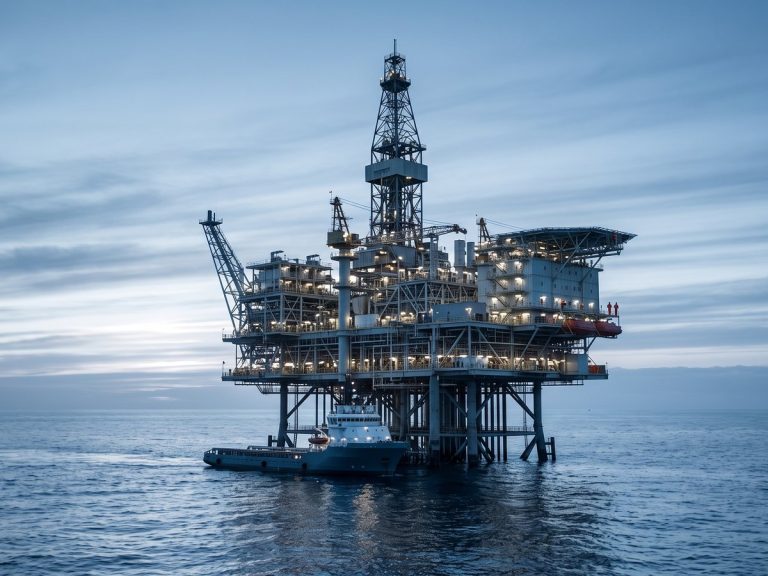 Oil & GasValve components, manifold blocks, downhole tool parts and flanges in 4140, 17-4 PH, duplex 2205 and Inconel, with hardness specs.Learn More
-
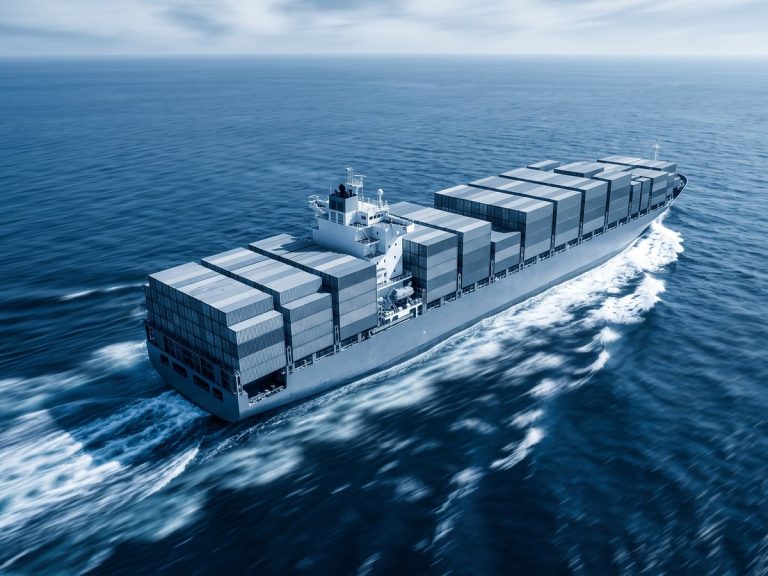 MarinePropeller shafts, pump parts and deck hardware in 316 stainless, bronze and aluminum bronze, chosen first for corrosion resistance.Learn More
-
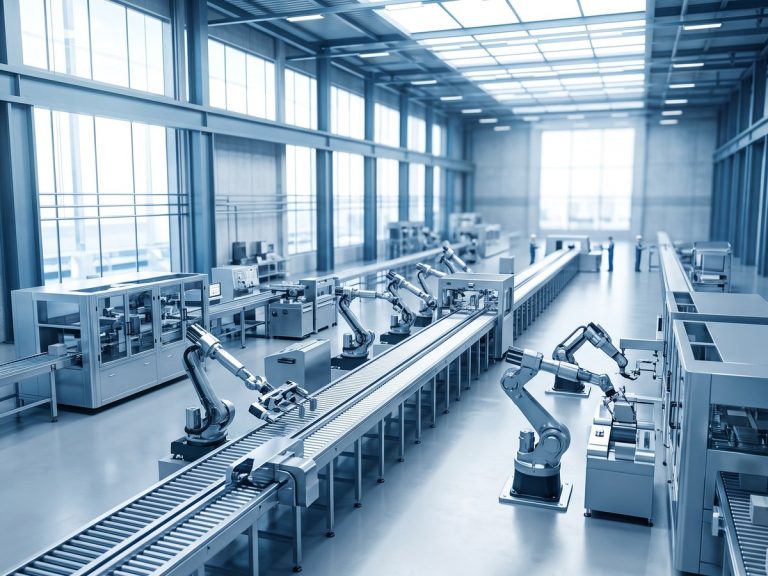 Industrial EquipmentGripper plates, linear guide mounts, cam followers and machine frames in aluminum and steel, with fixtures kept on file for repeats.Learn More
-
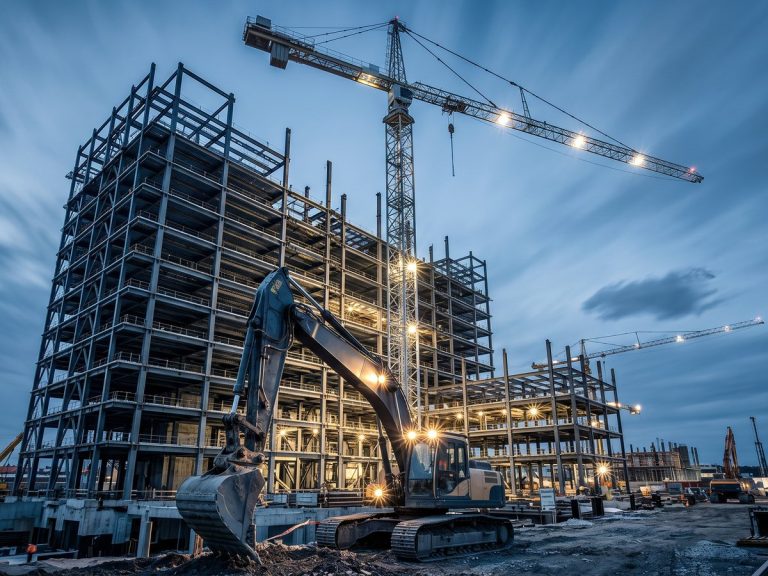 ConstructionStructural brackets, anchoring hardware and hydraulic fittings in mild steel, alloy steel and aluminum, zinc plated or powder coated.Learn More
-
 AgricultureGearbox housings, shafts, sprayer nozzle bodies and sensor mounts in cast iron, steel and stainless for abrasion and moisture.Learn More
-
 Consumer ProductsKnobs, handles, enclosure parts and audio hardware where the machined surface shows, anodized, bead blasted or polished to sample.Learn More
-
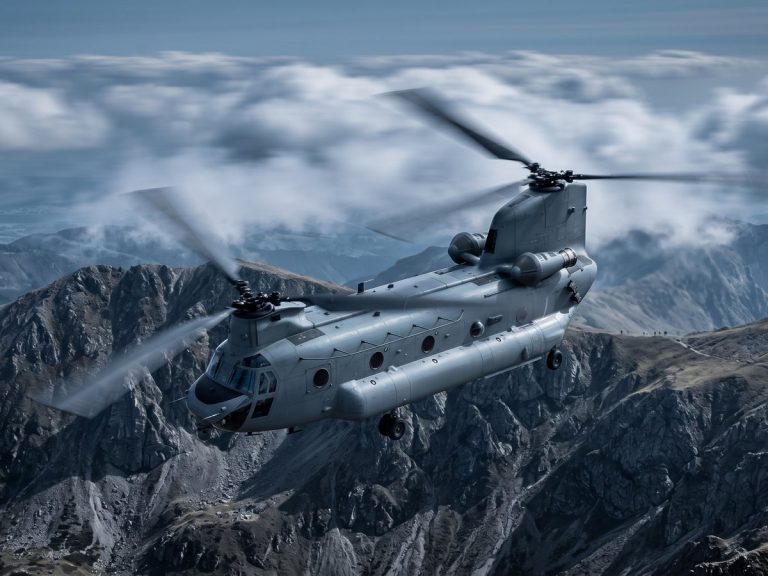 Military & DefenseOptical mounts, enclosures and accessory rails in aluminum, steel and titanium, with material certification and FAI reports.Learn More
-
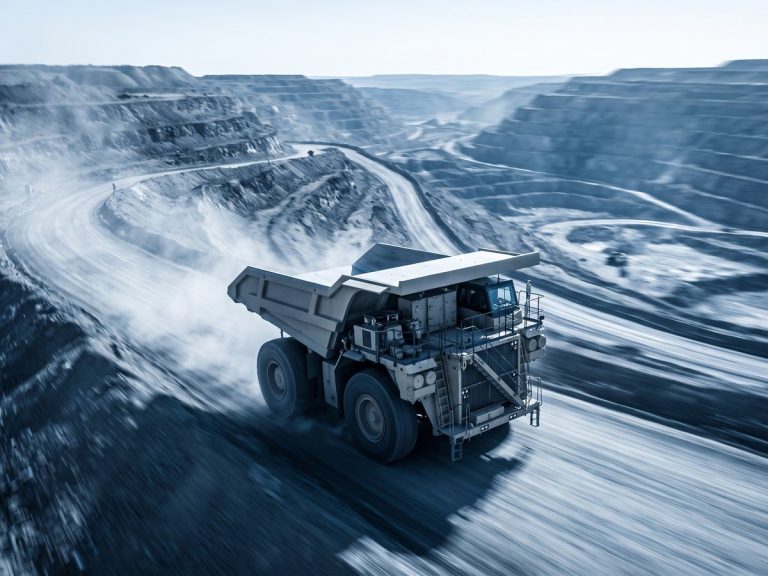 MiningWear plates, bushings, crusher components and hydraulic fittings in hardened alloy steel, bronze and stainless for dust and vibration.Learn More
3 Axis CNC Machining Applications
3-axis is the right call for any part built from flat faces, perpendicular holes and simple pockets or contours.
-

Brackets & Mounting Plates
Flat faces and perpendicular holes in aluminum or brass. See our machined brackets.
-

Enclosures & Housings
Pocketed housings and enclosures, common in medical device and electronics work.
-

Manifolds with Straight Bores
Manifolds whose bores run straight and perpendicular, reachable without rotary axes.
-

Jigs & Fixtures
Shop and production jigs and fixtures built from flat, square reference faces.
-

Drone Frames & Mounts
Lightweight frames and mounts machined to the same tolerances. See drone CNC machining.
-
Ultra-High Purity Fittings
Ultra-high purity fittings for semiconductor and gas systems start from prismatic 3-axis cuts.
Material Challenges We Handle
-
Work-Hardening Stainless
Stainless steel work-hardens under the tool, so we use sharper cutters and lower feed rates to hold finish.
-
Heat in Hard Alloys
Inconel, titanium and Invar generate heat and dull tools fast: cycles run longer, tolerance stays the same.
-
Plastic Clamping Deflection
ABS, nylon and polycarbonate machine easily but deflect under clamping pressure, so fixturing is kept deliberately light.
-
Melting at the Cut Edge
PEEK, PEI and PTFE need lower feed rates and sharp tooling to avoid melting or smearing at the edge.
Certified Quality at Every Stage
Every 3-axis part runs under one QMS with in-house CMM inspection, whatever the order size.
-
 AS9100D
Aerospace Quality Management System
-
 ISO 9001:2015
Quality Management Standard
-
 ISO 13485
Medical Devices Quality Management
3 Axis CNC Machining Materials
Cutting speed is set by hardness, not axis count: free-machining metals run fast, hard alloys run slow at the same tolerance.
Surface Finishes
Engineering Plastics
Not seeing your material? Ask our engineers to review your drawing.
View AllOur 3-Axis Machining Process
Frequently Asked Questions
Quick answers on what 3-axis machining covers and when to move up to 5-axis.
Get a 3-Axis CNC Machining Quote
Send your drawing and get it reviewed by engineers, not run through an automated calculator. Tighter tolerance grades are available on request.
- ±0.005 mm standard tolerance
- Prototypes in as fast as 3 days
- No MOQ, from one part to production
- Parts up to ~1000 mm longest dimension
- In-house CMM inspection on every order

Ready to Scale Your Project?
Get started with a stable process and controlled quality. Let's discuss your project.