



Powder Coating for CNC Machined Parts
DEK delivers powder-coated aluminum parts we machine in-house, in the same order: a 60–80 µm electrostatic coating for color, corrosion and impact resistance.
- 60–80 µm Typical Thickness
- 400 °F Cure Temperature
- 9 Powder Types
The Powder Coating Process
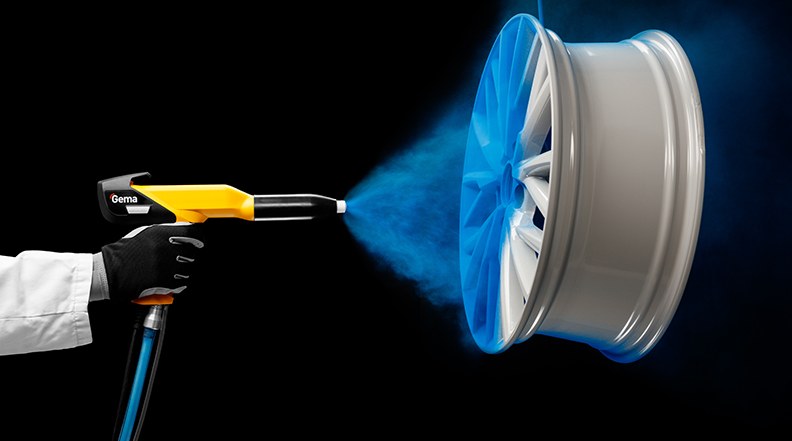
Powder coating is a dry, solvent-free finish: charged powder is sprayed onto the part, then melted in an oven. DEK plans it with the machining of your part, in the same order; no coating-only orders.
What Powder Coating Delivers & Its Limits
Powder coating is thicker and more impact resistant than paint, but adds far more build-up than anodizing or chem film. Know where it fits best.
-

Key Benefits
- Durable finish: a thick, cured film that resists scratching, chipping and wear better than liquid paint
- Corrosion resistance: the coating blocks moisture and air and stops rust on exposed parts
- Colors and textures: a wide choice of colors, gloss levels and textured finishes
- No solvents: dry powder, no harmful solvents released during application or curing
- Recyclable overspray: powder that does not stick is collected and reused, so little material is wasted
- Short cure: 10 to 20 minutes in the oven keeps the finishing step fast
-

Limitations & Alternatives
- Tight fits and threads: 60–80 µm build-up needs masking; for no build-up choose chem film coating
- Thin, hard wear surface: specify Type II or Type III anodizing instead
- Orange peel and color drift: small texture and shade differences between lots are normal; agree on a color tolerance
- Filiform near joints: thin corrosion lines can start at joints when pretreatment is poor
- Chalking in sunlight: epoxy powders chalk under UV; use polyester or TGIC powders outdoors
Powder Coating Results on Parts
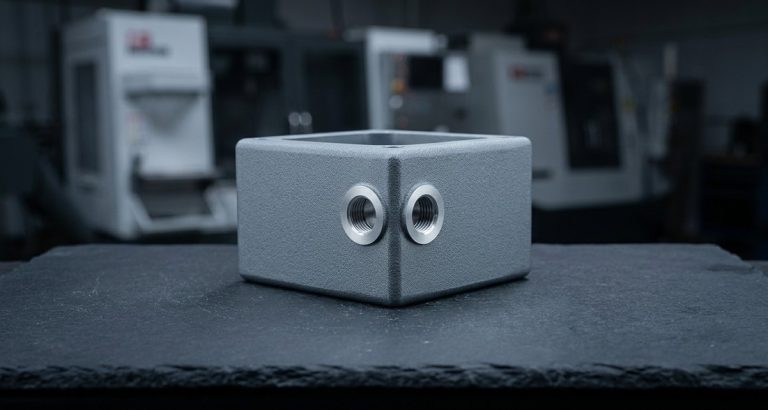
A cured powder coat gives machined aluminum lasting color and a tough, protective surface, with performance set by the powder chemistry and thickness.
-

Corrosion Protection
A continuous film that blocks moisture and air. Going thicker improves rust protection on parts exposed to rain or pollution.
-

Color & Texture
A broad range of colors and gloss levels, smooth or textured. Acrylic powders give the clearest color and smoothest finish.
-

Impact & Scratch Resistance
Resists wear, chipping and impacts better than paint. Heavy-wear machine parts take 100 to 150 µm for extra protection.
-

UV & Weather Stability
Polyester, TGIC and fluoropolymer powders keep color and gloss outdoors; epoxy is kept for indoor and industrial parts.
-

Chemical Resistance
Epoxy, polyurethane and fluoropolymer powders resist chemicals, for parts exposed to fluids, cleaning agents or fuels.
-

Low-Friction Options
Nylon powder coatings reduce friction and resist wear on gears and bearings; antimicrobial powders suit hygienic areas.
Powder Coating vs Painting vs Anodizing
| Finish | Coating | Wear & impact | Corrosion | Environment | When to choose |
|---|---|---|---|---|---|
| Powder coating | Thick film, typically 60–80 µm; less even than anodizing | Resists wear, corrosion and impact better than paint | Strong barrier against moisture and air | No solvents; overspray recycled | Colored, durable parts where build-up is acceptable |
| Painting | Liquid coat, widest color choice | Chips and wears faster; repainting needed more often | Lower than powder coating | Releases solvents into the air | Low-cost cosmetic parts and touch-up work |
| Anodizing | Thin, even oxide layer that reaches hard-to-reach areas | Harder surface than powder coating, but less impact protection | Excellent | Electrochemical bath process | Tight fits, wear surfaces and thin, hard finishes |
Powder Coating Aluminum Alloys
Powder coating suits every aluminum alloy DEK machines. Alloy choice follows the part: 6061 for wheels and engine parts, 3003 and 5052 for formed architectural parts, 7075 for high-stress aerospace parts.
Aluminum is not magnetic, so coating thickness is checked with eddy current gauges; steel parts use magnetic gauges. Alloy selection is covered on our aluminum machining page.
-
6061 AluminumStrong, light and corrosion resistant; the usual choice for powder-coated wheels and engine components.Recommended
-
5052 AluminumEasy to form and weather resistant, like 3003; used for powder-coated panels, frames and enclosures.Recommended
-
7075 AluminumHigh-strength alloy for parts under extreme stress, such as aircraft frames, powder coated for protection.Compatible
-
1018 Mild SteelSteel brackets and frames take powder coating after phosphate pretreatment; thickness checked by magnetic gauge.Compatible
Powder Coating Applications
Powder-coated machined parts serve automotive, aerospace, electronics and industrial equipment where color must last and the surface must take wear.
-
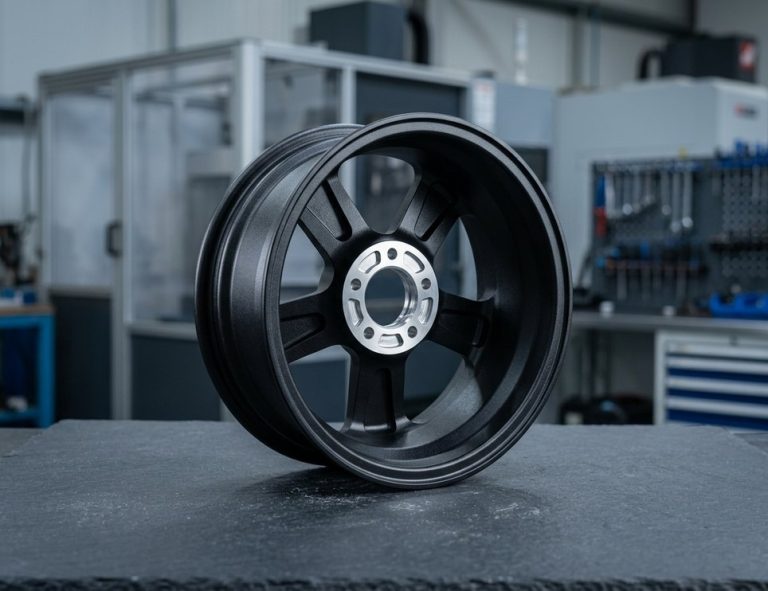 Wheels & TrimPowder-coated 6061 wheels and trim stay light and durable, with a color finish that resists chipping and road salt.Request a Quote
-
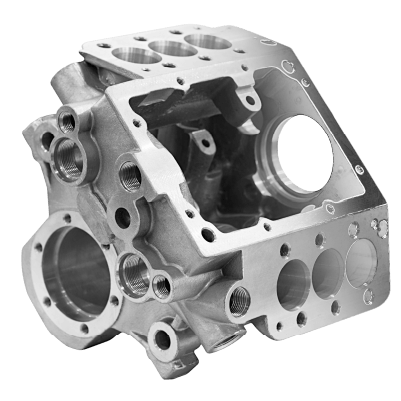
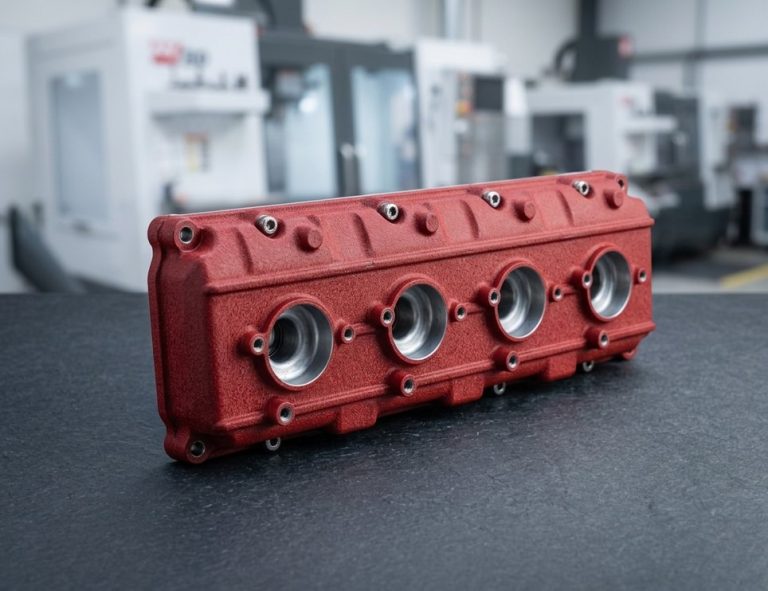 Engine ComponentsMachined engine blocks, covers and housings powder coated for color and corrosion protection; bores and seats masked.Request a Quote
-
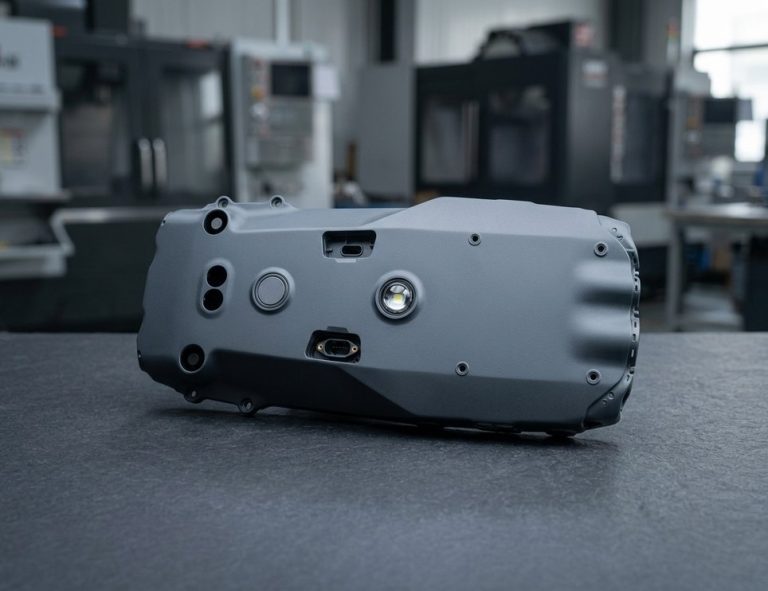 Aerospace & UAV Parts7075 frames and drone enclosures that must stay strong under stress, with a protective powder coat over the alloy.Request a Quote
-
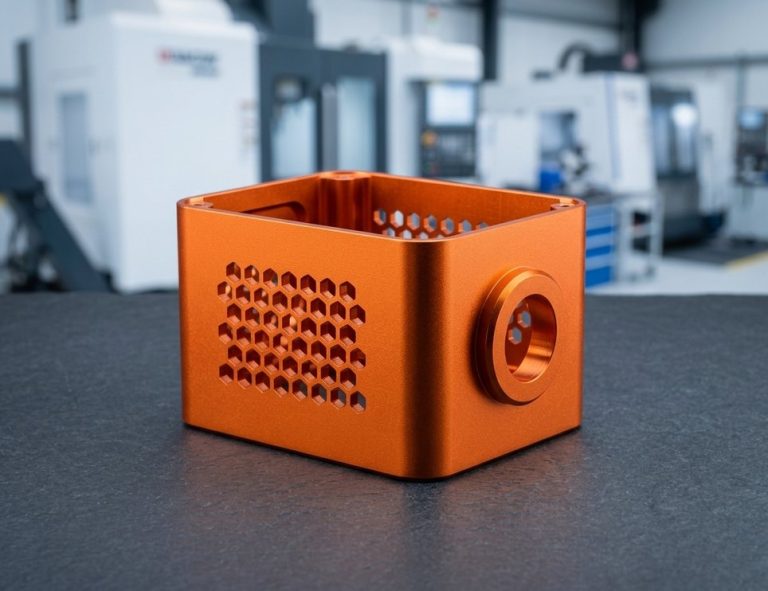 Electronic HousingsVented aluminum housings and enclosures powder coated in brand colors, with acrylic or polyester powders for a clean look.Request a Quote
-
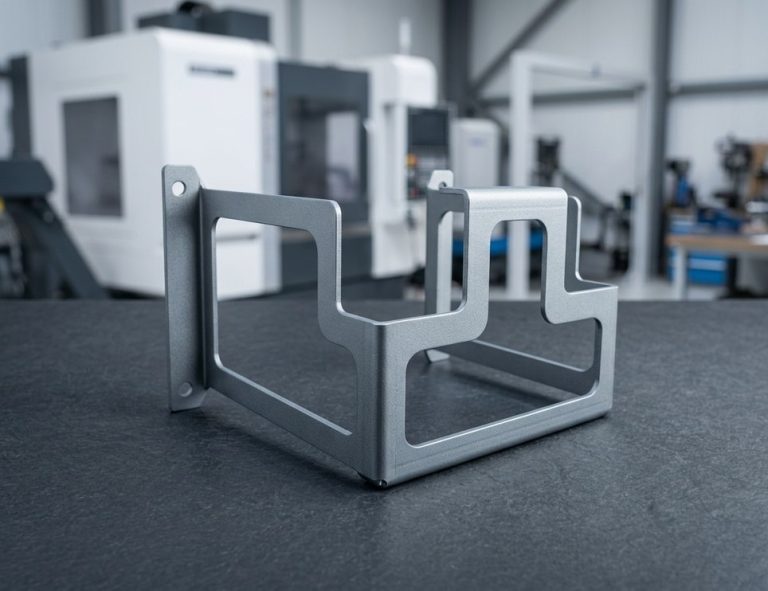 Brackets & FramesMachine brackets and frames for heavy machinery take thick epoxy or polyurethane coats against wear, hits and rust.Request a Quote
-
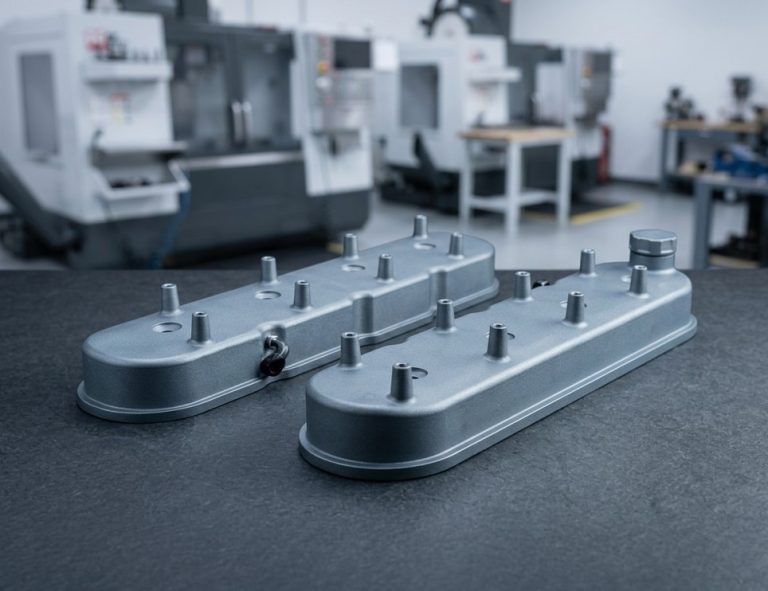 Turbo & Pump HousingsCast and machined housings for industrial equipment, powder coated for chemical and abrasion resistance in service.Request a Quote
Powder Coating Design Notes
Powder coating adds a measurable film to every coated surface, so design work focuses on build-up, masking and the right powder for the environment.
-
Plan for Build-Up
A 60–80 µm film is added to each coated face. Tell us which fits and bores must hold size after coating so we plan masking.
-
Mask Threads & Contacts
Threaded holes, mating faces and grounding points are masked; list them on the drawing so they stay bare.
-
Match Thickness to Use
100–150 µm for heavy-wear machine parts, 60–120 µm for window frames and facades, 50–100 µm for furniture and appliances.
-
Pick the Powder for the Site
Indoor parts can take epoxy or hybrid powders; outdoor parts need polyester, TGIC or fluoropolymer for UV and weather.
-
Specify Color & Gloss
Give the color reference, gloss and texture, and accept small shade differences between lots for non-critical parts.
Powder Coating Specifications
- Typical Thickness 60–80 µm
- Heavy-Wear Parts 100–150 µm
- Architectural Parts 60–120 µm
- Furniture & Appliances 50–100 µm
- Application Electrostatic spray, cross passes of ~20 µm
- Pretreatment Wash, alkaline and solvent cleaning, rinse
- Surface Preparation Sweep blasting or phosphate treatment
- Cure About 400 °F, 10–20 min
- Inspection Scratch, punch and micron tests
- Thickness Gauge Eddy current (aluminum), magnetic (steel)
- Powders Epoxy, polyester, TGIC, polyurethane, hybrid
- Specialty Powders Acrylic, fluoropolymer, nylon, antimicrobial

Powder Types for Machined Parts
The powder chemistry sets how the coating handles sunlight, chemicals and wear. DEK matches it to where your part will be used.
Frequently Asked Questions
Answers to common questions about powder coating on machined aluminum parts.

Ready to Scale Your Project?
Get started with a stable process and controlled quality. Let's discuss your project.