






Precision Cylindrical Grinding Services
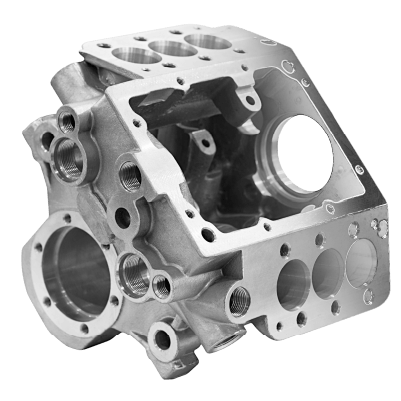
DEK cylindrical grinding services bring shafts, pins and bores to ±0.005 mm roundness and coaxiality after turning or milling. Grinding runs in the same job, so parts never leave the shop.
-
±0.005mm
Roundness
-
~1000 mm
Max Part Size
-
50+
Materials
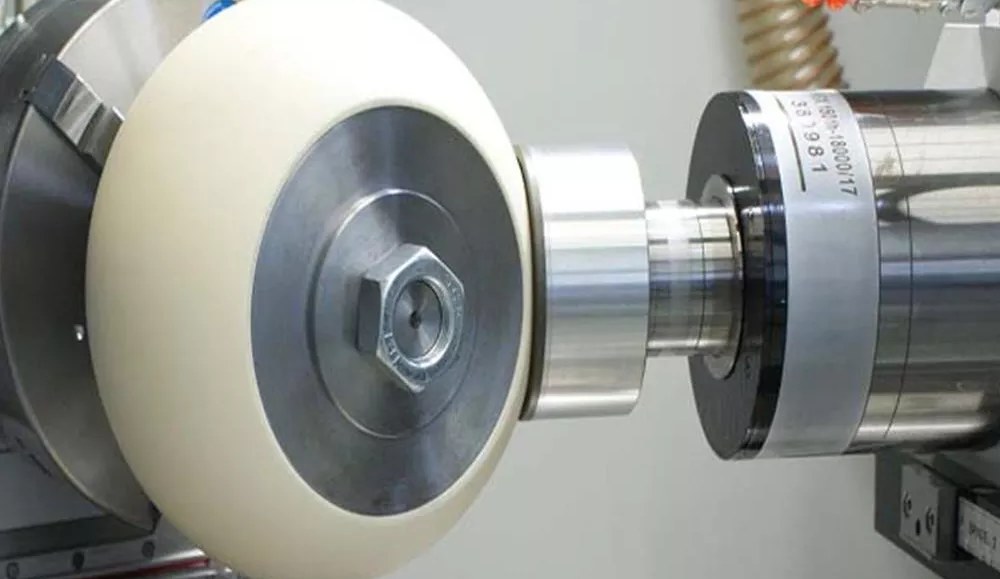

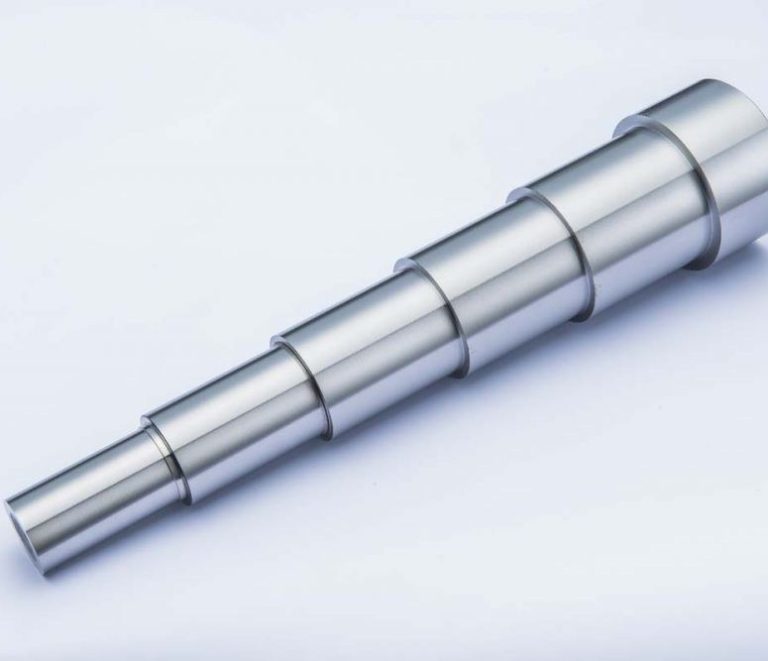
Precision Cylindrical Grinding After Machining
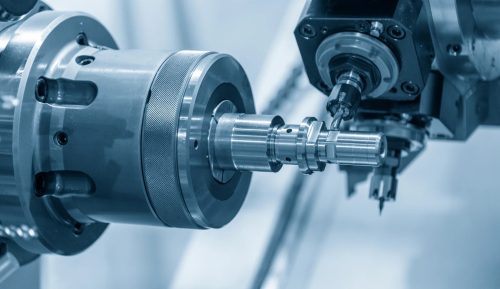
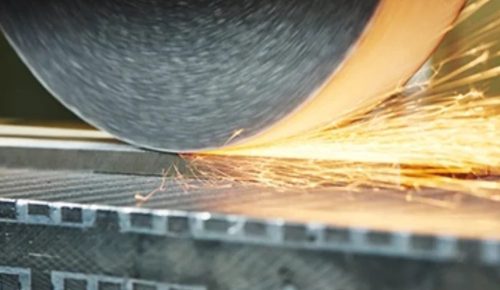
Cylindrical grinding uses a rotating abrasive wheel, in plunge or traverse motion, to bring a round part’s diameter to final size, roundness and surface finish. Our guide What is Cylindrical Grinding covers wheel selection, dressing and OD vs. ID setups.
At DEK, grinding runs as a finishing step directly behind our CNC turning and CNC milling lines. Parts arrive close to final size, so grinding removes only a small stock allowance, and a fit-critical spec never requires a trip to an outside vendor.
Why DEK for Cylindrical Grinding Services
Grinding is part of our CNC production, not an outsourced step with its own lead time and its own quality file.
-

One Job, One Lead Time
Grinding continues the turning and milling job feeding it, so it is quoted within one turnaround instead of tracked as a separate line item.
-

Certified Quality System
ISO 9001, ISO 13485 and AS9100D certified, obtained through TUV, covering ground features as well as primary machining.
-

Full QMS Traceability
Every job runs through IQC, IPQC, FAI, OQC, SPC and CAPA, giving one inspection record from turning through final grind.
-

No Minimum Order
The same line handles a single prototype shaft and a production run of housings, with no minimum order quantity (no MOQ).

In-House CMM Inspection
Ground features are checked on our own CMM, not just the primary machining operations. One set of datums is carried through turning, milling and grinding, so ID to OD coaxiality is verified without re-fixturing at another shop.


OD and ID Grinding Capability & Tolerances
From outer diameters on shafts to internal bores and hardened steel, here is what our grinding cell holds on fit-critical round parts.
Cylindrical Grinding vs. Turning and Centerless
Choose cylindrical grinding when a tolerance, roundness or finish cannot be held by turning alone; for high-volume shafts without center-drilling, centerless grinding fits better.
| Criteria | This ProcessCylindrical Grinding | CNC Turning | Centerless Grinding |
|---|---|---|---|
| Best for | Fit-critical OD and ID | Round parts near final size | High-volume shaft parts |
| Features | Outer and inner diameters | Turned diameters | Outer diameters |
| Typical tolerance | ±0.005 mm | Wider end of standard range | Confirmed at quoting |
| Workpiece support | Fixed centers | Lathe setup | Rest blade, no centers |
| Volume | Prototype to production | Prototype to production | High volume |
| Choose when | Fit, roundness or finish | Looser tolerances | No center-drilling needed |
Ground Parts for Every Industry
Aerospace, medical device, robotics and semiconductor teams rely on ground round parts where turning alone cannot hold the fit.
-

Aerospace
-

Medical
-

Automotive
-

Robotics
-

Semiconductor
-

Electronic
-

Telecom
-

Drone & UAV
-

Energy
-

Oil & Gas
-

Marine
-

Industrial Equipment
-

Construction
-

Agriculture
-

Consumer Products
-

Military & Defense
-

Mining
-
 AerospaceNon-flight-critical brackets, cabin hardware and fittings under AS9100D, in 7075 aluminum, Ti-6Al-4V and Inconel 718, with FAI.Learn More
-
 MedicalInstrument shafts, handles and cannulas in 316L stainless, titanium and PEEK under ISO 13485, with lot traceability as standard.Learn More
-
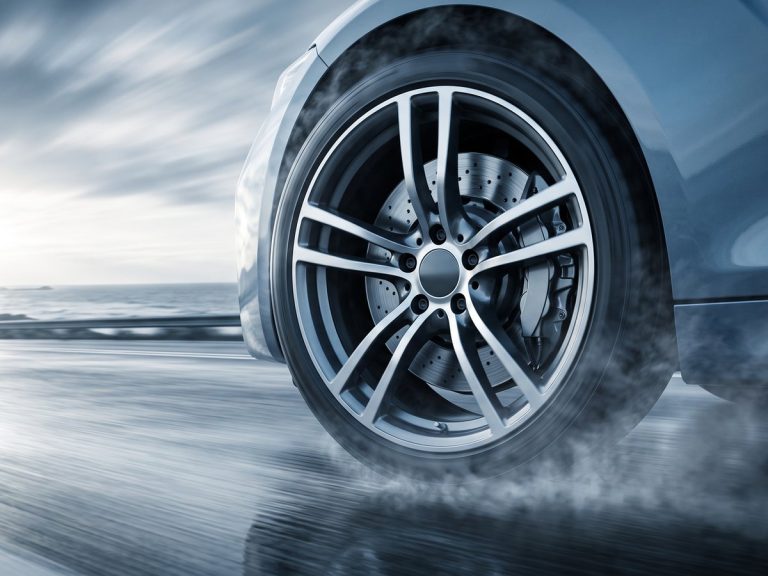 AutomotivePrototype and low-to-mid-volume sensor housings, valve bodies and shafts in aluminum, 4140 and 4340 alloy steel, stainless and brass.Learn More
-
 RoboticsJoint housings, harmonic drive flanges and gripper fingers in aluminum and hardened steel, with 5-axis milling in one setup.Learn More
-
 SemiconductorChamber components, wafer handling fixtures and vacuum flanges in 6061 aluminum, 316L, PEEK and Kovar, with burr-free edges.Learn More
-
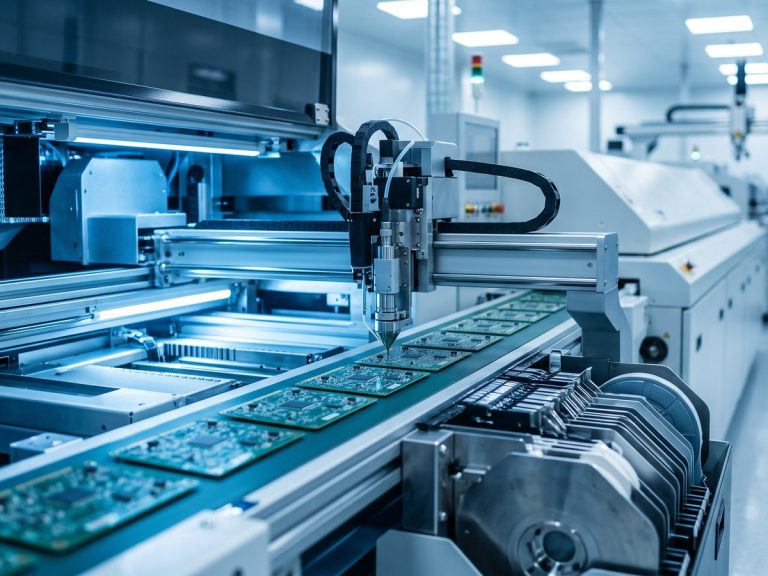 ElectronicConnector bodies, heat sinks, RF shields and precision pins in aluminum, brass and copper, held to ±0.01 mm on contact features.Learn More
-
 TelecomWaveguide components, filter housings and RF enclosures in aluminum and copper alloys, with silver or nickel plating for conductivity.Learn More
-
 Drone & UAVMotor mounts, gimbal frames and landing gear fittings in 7075 aluminum, titanium and magnesium to cut weight without losing stiffness.Learn More
-
 EnergyBattery end plates, busbars, inverter housings and fuel-cell fittings in aluminum, copper and stainless, machined flat and burr-free.Learn More
-
 Oil & GasValve components, manifold blocks, downhole tool parts and flanges in 4140, 17-4 PH, duplex 2205 and Inconel, with hardness specs.Learn More
-
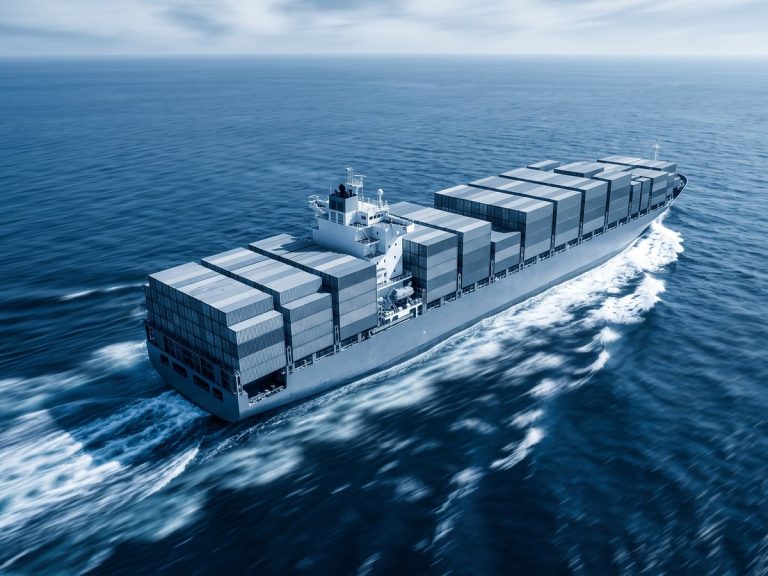 MarinePropeller shafts, pump parts and deck hardware in 316 stainless, bronze and aluminum bronze, chosen first for corrosion resistance.Learn More
-
 Industrial EquipmentGripper plates, linear guide mounts, cam followers and machine frames in aluminum and steel, with fixtures kept on file for repeats.Learn More
-
 ConstructionStructural brackets, anchoring hardware and hydraulic fittings in mild steel, alloy steel and aluminum, zinc plated or powder coated.Learn More
-
 AgricultureGearbox housings, shafts, sprayer nozzle bodies and sensor mounts in cast iron, steel and stainless for abrasion and moisture.Learn More
-
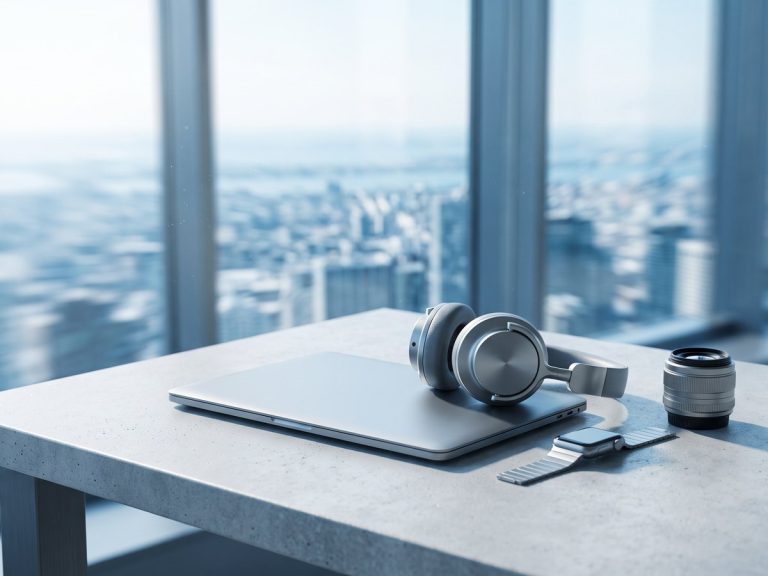 Consumer ProductsKnobs, handles, enclosure parts and audio hardware where the machined surface shows, anodized, bead blasted or polished to sample.Learn More
-
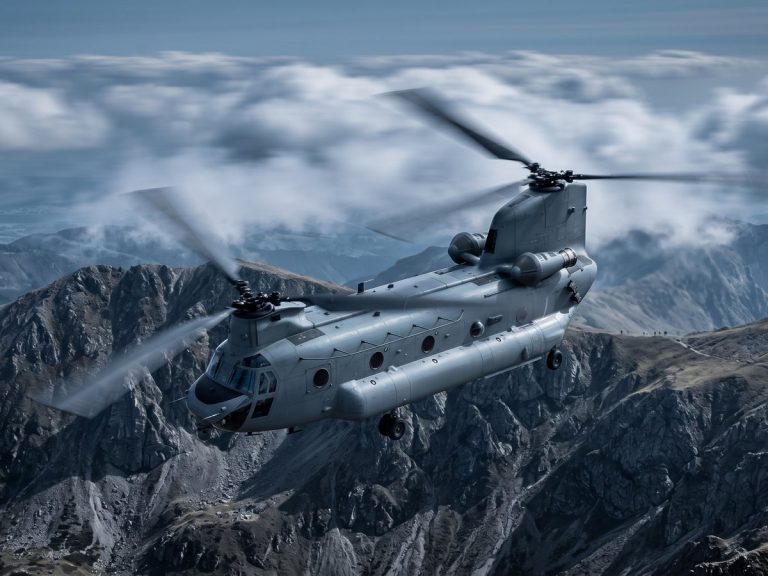 Military & DefenseOptical mounts, enclosures and accessory rails in aluminum, steel and titanium, with material certification and FAI reports.Learn More
-
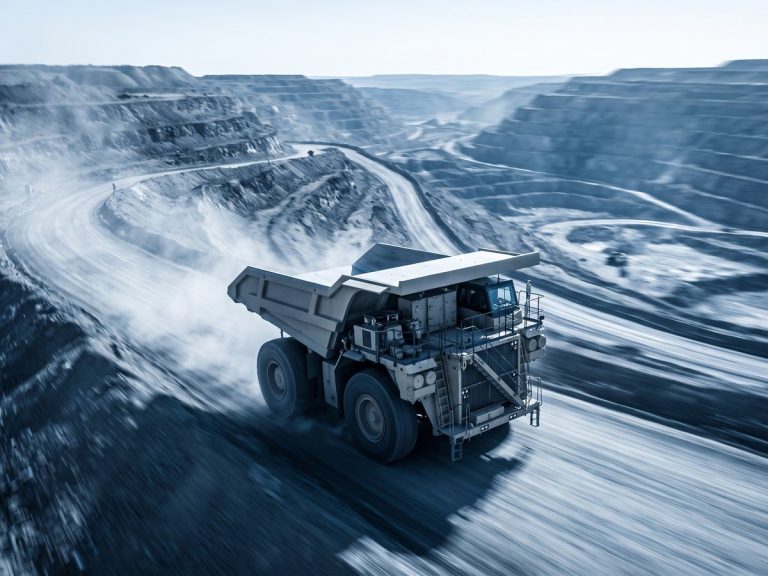 MiningWear plates, bushings, crusher components and hydraulic fittings in hardened alloy steel, bronze and stainless for dust and vibration.Learn More
Typical Ground Parts & Challenges
Cylindrical grinding finishes rotating and fit-critical features that need tighter tolerances than turning alone provides.
-

Shafts & Spindles
Drive shafts, instrument shafts and spindles ground to final OD so bearing seats and press fits hold reliably.
-

Pins & Rollers
Pins and rollers ground after turning; aluminum shafts and rollers move straight into final OD sizing.
-

Bores & Bushings
Internal diameters on bushings and housings finished for the shaft fit that defines how the assembly runs.
-

Sleeves & Valve Bodies
Spool valve bores and sleeves ground so the seal works, with ID held coaxial to the matching OD.
-

Micro Features
Features on sub-10 mm parts held to ±0.003 mm, finished in the same job as the upstream machining.
-
Aluminum Shafts & Rollers
Turned and milled through CNC aluminum machining, then ground without a second quoting cycle.
Common Challenges We Handle
-
Heat-Treat Distortion
Hardening moves bores and ODs; a post-heat-treat grind on tool and alloy steel brings them back to print tolerance.
-
ID to OD Coaxiality
Bearings run true only when ID and OD align; one supplier and one datum set through turning, milling and grinding make it easiest to hold.
-
Finish Beyond Turning
When a surface finish cannot be guaranteed by milling or turning, grinding removes a small allowance to reach it.
-
Avoiding Re-Fixturing
Grinding in the same shop as the CNC operation avoids moving the part to another vendor and re-fixturing it.
Certified Quality on Ground Parts
ISO 9001, ISO 13485 and AS9100D certified through TUV, with CMM checks on ground features.
-
 AS9100D
Aerospace Quality Management System
-
 ISO 9001:2015
Quality Management Standard
-
 ISO 13485
Medical Devices Quality Management
Metals for Precision Cylindrical Grinding
We grind the same metals we machine, drawn from a library of 50+ metals and engineering plastics.
Grinding another alloy or a hardened part? Send us your drawing.
All MetalsHow to Order Ground Parts
Cylindrical Grinding FAQ
Quick answers on the process, grinder types and when grinding is worth specifying.
Request a Cylindrical Grinding Quote
Send the drawing and CAD file with tolerance, datums and post-heat-treat notes. We quote grinding together with the machining that makes the rest of the part.
- One lead time for machining and grinding
- One inspection record, CMM on ground features
- ±0.005 mm roundness and coaxiality
- No MOQ, from one prototype shaft
- ISO 9001, ISO 13485, AS9100D certified

Ready to Scale Your Project?
Get started with a stable process and controlled quality. Let's discuss your project.