






Multi Axis Machining Services
Multi axis machining at DEK finishes parts in one setup, holding ±0.005 mm between features on five faces. 4-axis, 3+2, simultaneous 5-axis and mill-turn, all in-house.
-
±0.005 mm
One-Setup Position
-
3–5 days
Prototypes
-
6 hours
Engineer Quote
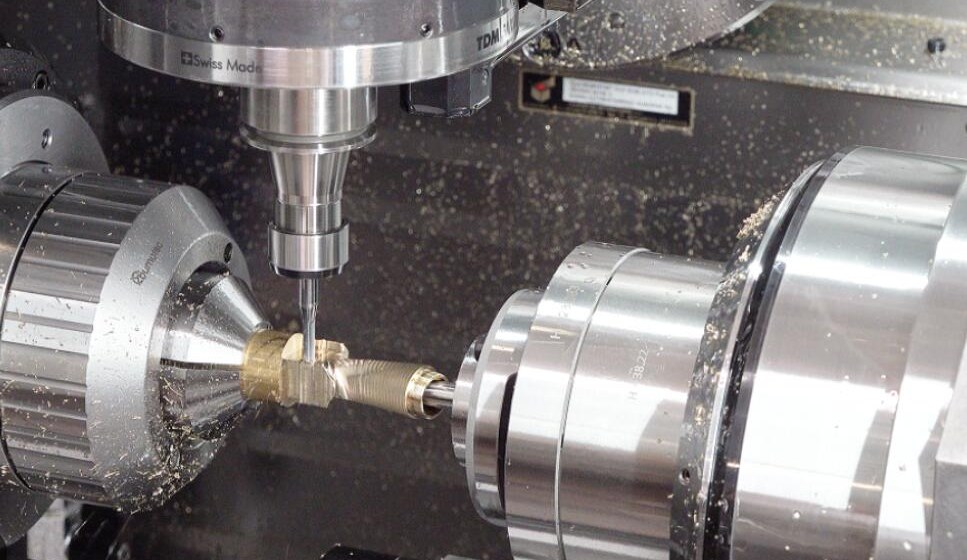

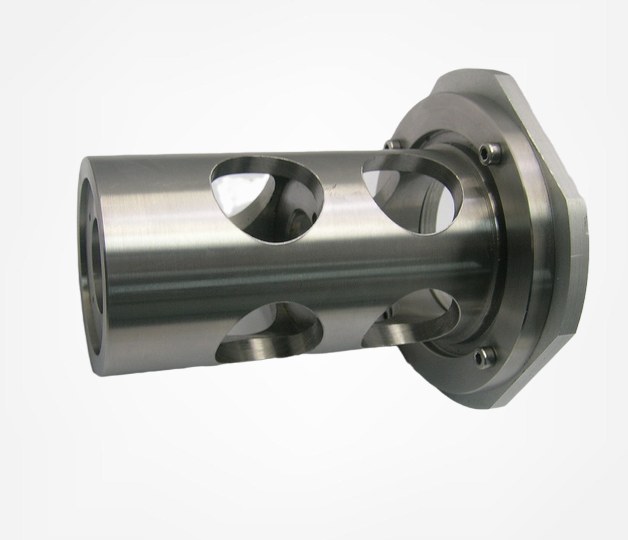
Multi-Axis CNC Machining in One Setup
Multi-axis CNC machining adds one or two rotary axes to X, Y and Z, so features on several faces share one datum instead of stacking error across re-clampings. See 4-axis CNC machining and 5-axis CNC machining.
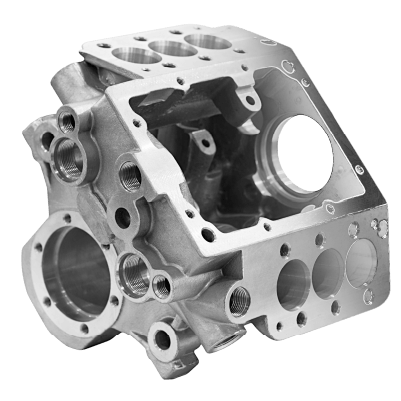
Typical parts are impellers, manifolds with angled ports, medical implants, turbine blades and turned shafts with milled flats and cross holes. Multi-axis work runs alongside 3-axis milling, turning, EDM and grinding under our CNC machining services; the 5-axis machining guide explains the kinematics.
Why DEK for Multi-Axis Machining
One shop, one quality record: from a 5-axis roughed housing to a ground bore, every part is reviewed by an engineer before quoting.
-

Every Process In-House
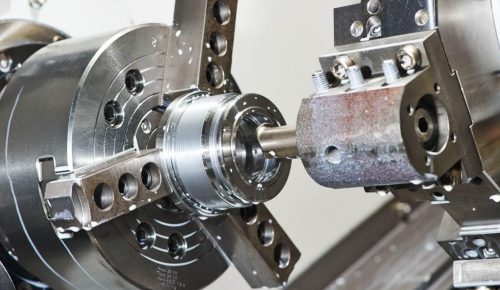
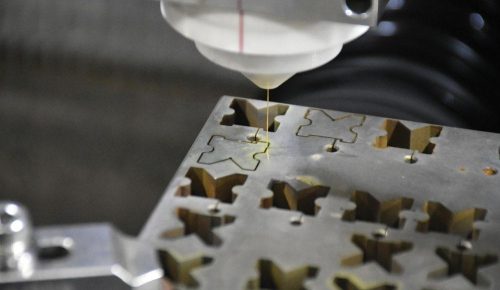
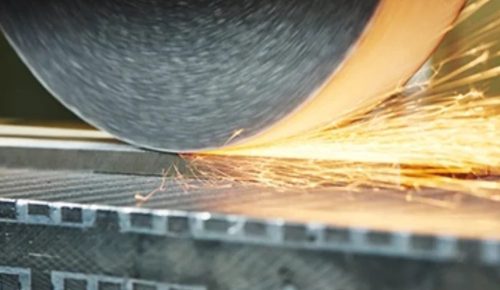
3-, 4-, 5-axis milling and mill-turn alongside Swiss turning, EDM and grinding, so a multi-process part stays under one quality record.
-

CMM-Verified Tolerance
±0.005 mm standard tolerance, verified on CMM with first article inspection (FAI) on the first batch before production continues.
-

Certified Since 2002
ISO 9001:2015, ISO 13485 and AS9100D certified by TÜV, with 20+ years of precision machining experience since 2002.
-

Fast, No MOQ
No minimum order: prototypes in 3–5 days, small batches in 4–7 days, and worldwide delivery in 3–7 days.

Engineering Review on Every Drawing
An engineer reviews every drawing manually, so the quote reflects the real setup count. Parts are routed to the lowest-cost process that holds the drawing, even if that is 3-axis.


Multi Axis Machining Capabilities
Four axis configurations, one goal: the fewest setups that hold your drawing, from indexed shafts to continuous 5-axis contours.
Multi Axis Machining vs. 3-Axis and Turning
Choose multi-axis once a part needs four or more 3-axis setups or compound angles; simple parts stay cheaper on 3-axis or standard turning.
| Criteria | This ProcessMulti-Axis Machining | 3-Axis Milling | CNC Turning | Swiss Turning |
|---|---|---|---|---|
| Best for | Compound angles, contours | Plates, brackets, lids | Plain turned geometry | Small-diameter, long parts |
| Faces reached | Five faces, one setup | One or two faces | Diameters and faces | Diameters and faces |
| Error per added setup | None (one setup) | 0.01–0.02 mm | Second fixture needed | Not stated |
| Hourly cost | Higher | Lower | Lower | Not stated |
| Choose when | 4+ setups on 3-axis | Simple prismatic parts | No milled features | Slender turned parts |
Industries We Serve
Multi-axis parts go into robotics joint housings and gearbox cases, semiconductor equipment, drones, energy and automotive programs.
-

Aerospace
-

Medical
-

Automotive
-

Robotics
-

Semiconductor
-

Electronic
-

Telecom
-

Drone & UAV
-

Energy
-

Oil & Gas
-

Marine
-

Industrial Equipment
-

Construction
-

Agriculture
-

Consumer Products
-

Military & Defense
-

Mining
-
 AerospaceNon-flight-critical brackets, cabin hardware and fittings under AS9100D, in 7075 aluminum, Ti-6Al-4V and Inconel 718, with FAI.Learn More
-
 MedicalInstrument shafts, handles and cannulas in 316L stainless, titanium and PEEK under ISO 13485, with lot traceability as standard.Learn More
-
 AutomotivePrototype and low-to-mid-volume sensor housings, valve bodies and shafts in aluminum, 4140 and 4340 alloy steel, stainless and brass.Learn More
-
 RoboticsJoint housings, harmonic drive flanges and gripper fingers in aluminum and hardened steel, with 5-axis milling in one setup.Learn More
-
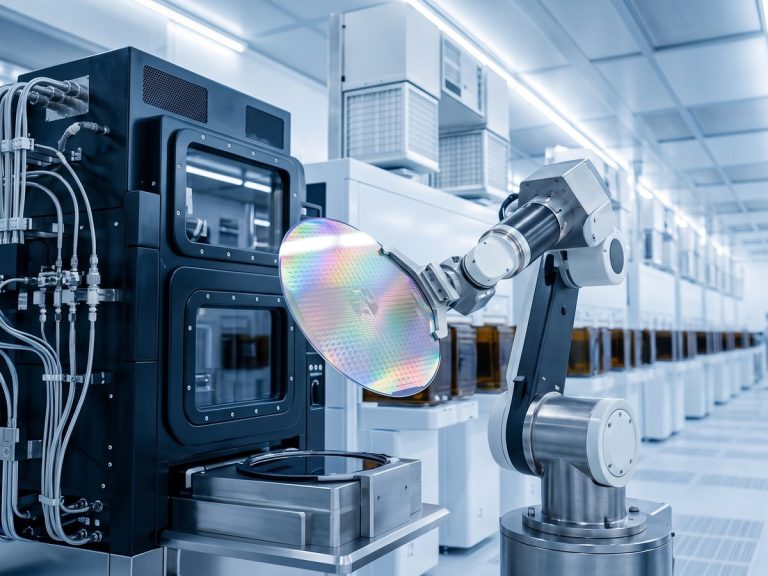 SemiconductorChamber components, wafer handling fixtures and vacuum flanges in 6061 aluminum, 316L, PEEK and Kovar, with burr-free edges.Learn More
-
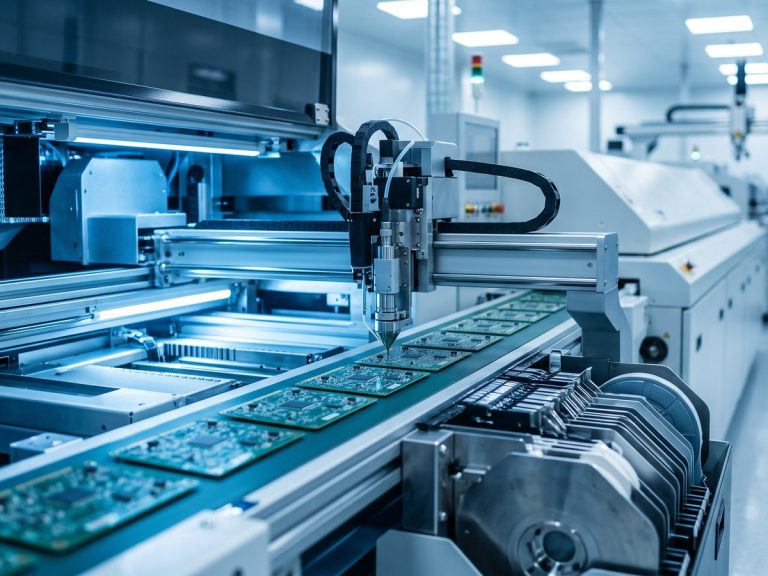 ElectronicConnector bodies, heat sinks, RF shields and precision pins in aluminum, brass and copper, held to ±0.01 mm on contact features.Learn More
-
 TelecomWaveguide components, filter housings and RF enclosures in aluminum and copper alloys, with silver or nickel plating for conductivity.Learn More
-
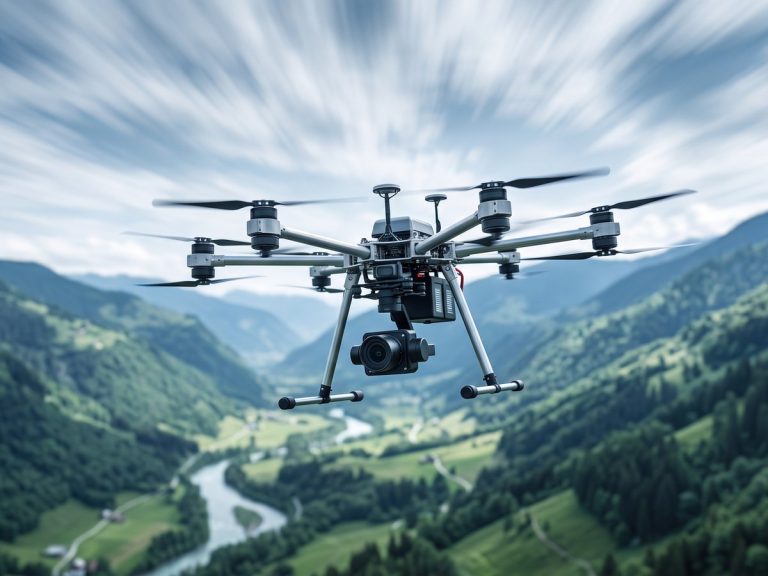 Drone & UAVMotor mounts, gimbal frames and landing gear fittings in 7075 aluminum, titanium and magnesium to cut weight without losing stiffness.Learn More
-
 EnergyBattery end plates, busbars, inverter housings and fuel-cell fittings in aluminum, copper and stainless, machined flat and burr-free.Learn More
-
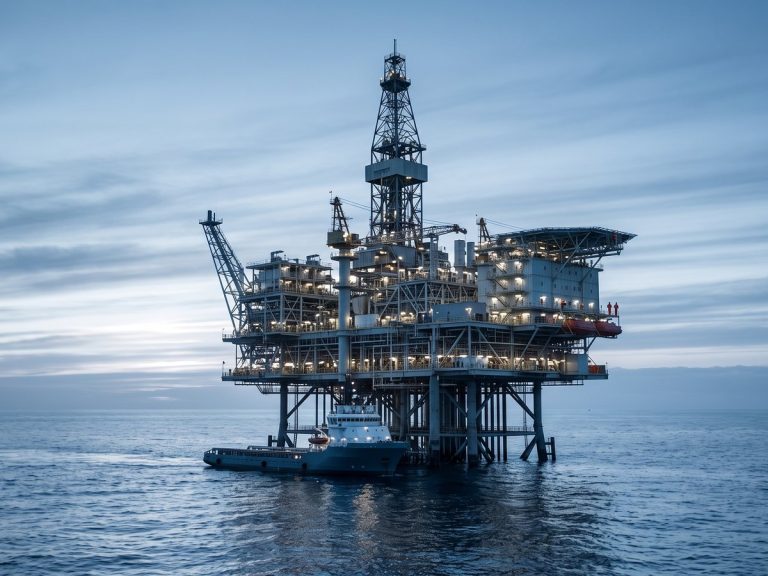 Oil & GasValve components, manifold blocks, downhole tool parts and flanges in 4140, 17-4 PH, duplex 2205 and Inconel, with hardness specs.Learn More
-
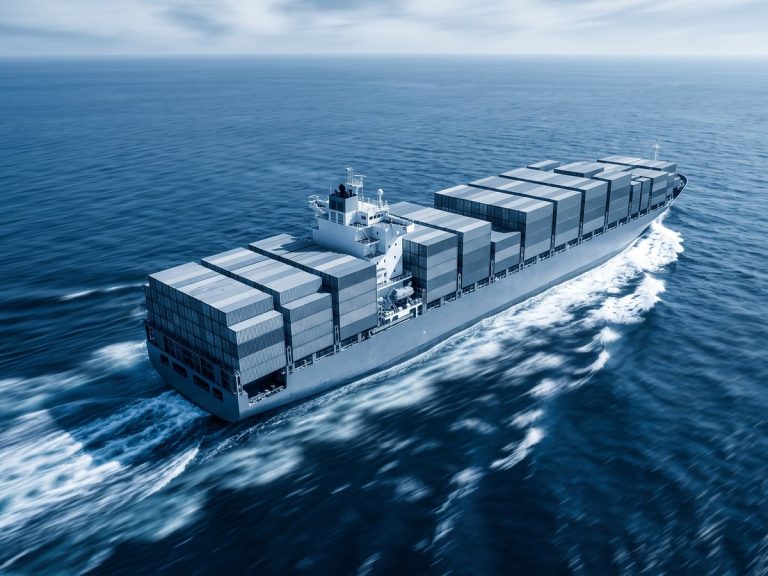 MarinePropeller shafts, pump parts and deck hardware in 316 stainless, bronze and aluminum bronze, chosen first for corrosion resistance.Learn More
-
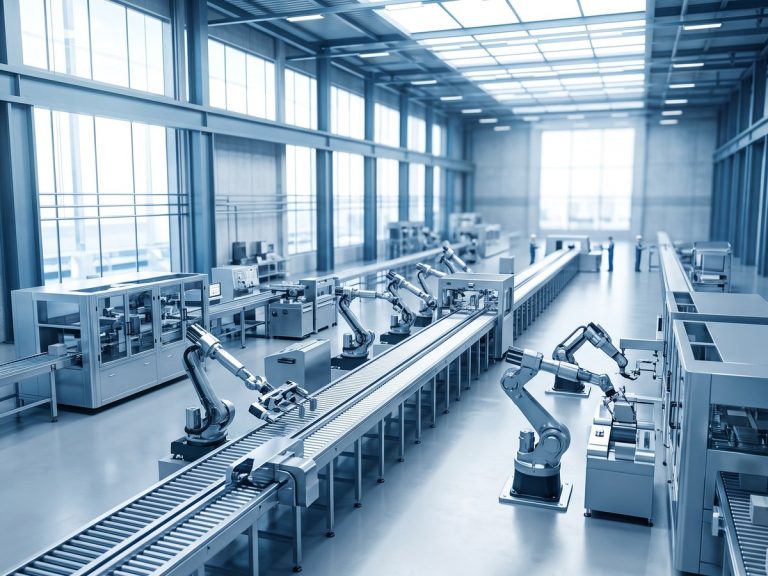 Industrial EquipmentGripper plates, linear guide mounts, cam followers and machine frames in aluminum and steel, with fixtures kept on file for repeats.Learn More
-
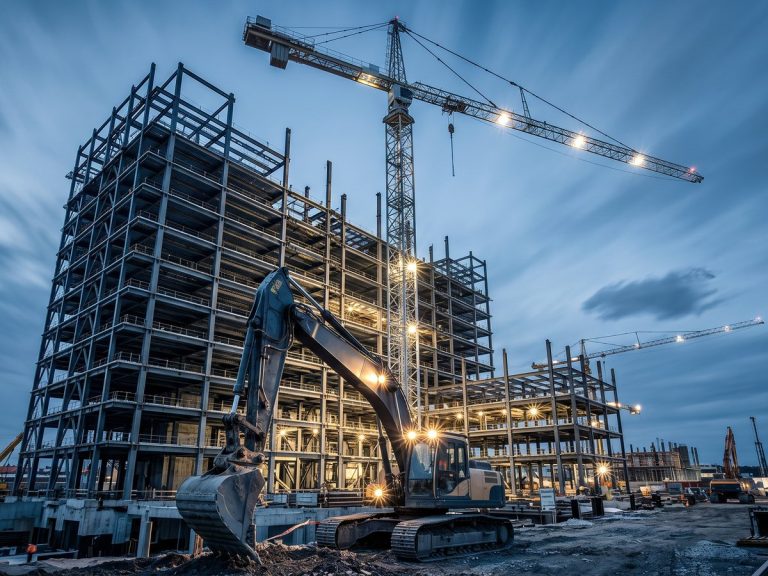 ConstructionStructural brackets, anchoring hardware and hydraulic fittings in mild steel, alloy steel and aluminum, zinc plated or powder coated.Learn More
-
 AgricultureGearbox housings, shafts, sprayer nozzle bodies and sensor mounts in cast iron, steel and stainless for abrasion and moisture.Learn More
-
 Consumer ProductsKnobs, handles, enclosure parts and audio hardware where the machined surface shows, anodized, bead blasted or polished to sample.Learn More
-
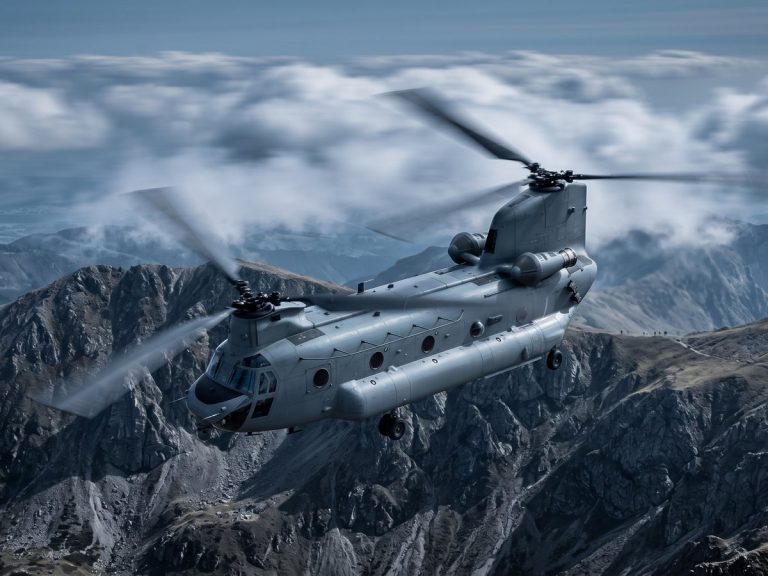 Military & DefenseOptical mounts, enclosures and accessory rails in aluminum, steel and titanium, with material certification and FAI reports.Learn More
-
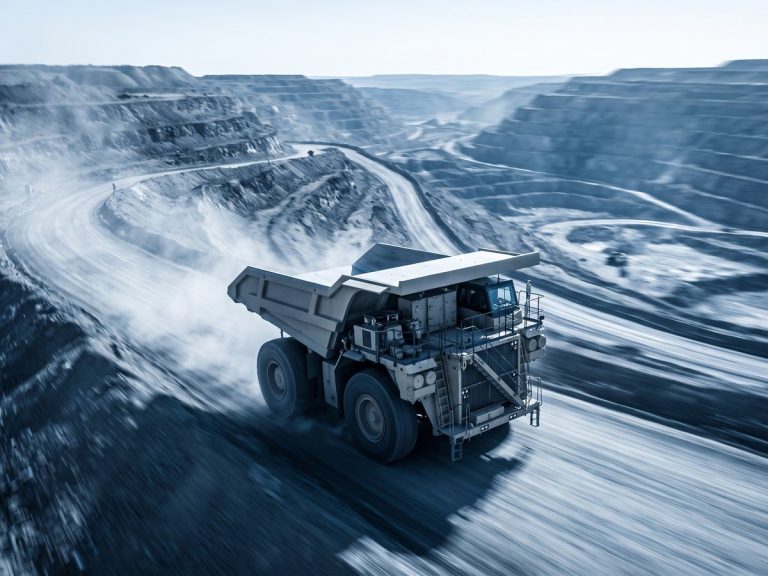 MiningWear plates, bushings, crusher components and hydraulic fittings in hardened alloy steel, bronze and stainless for dust and vibration.Learn More
When Multi Axis Machining Fits
Multi-axis earns its higher hourly rate on geometry that would need angle plates, sine fixtures or four or more 3-axis setups.
-

Compound-Angle Features
Angled manifold ports, tilted bosses, holes at 37° to two datums: one 3+2 tool path instead of angle plates or sine fixtures.
-

Contoured Surfaces
Impellers, propellers, turbine blades, mold cores and orthopedic implants cut with simultaneous 5-axis motion and short tools.
-

Parts Needing 4+ Setups
Each 3-axis setup costs 15–45 minutes and adds 0.01–0.02 mm error; past four, 5-axis is usually cheaper and more accurate.
-

Coaxial Bores, One Setup
Bearing bores on opposite faces coaxial within 0.01 mm, or a bolt pattern tied to a back-face feature, cut without moving the part.
-

Complex Multi-Face Parts
Housings and brackets with features on five faces: see our complex parts CNC machining.
Design Tips for Multi-Axis Parts
-
Give the Tool Room
Leave clearance around deep features so the head can tilt; a pocket ringed by tall walls on all sides forces long tools.
-
Model Compound Angles
Angled holes and faces need their angles and a clear datum on the drawing; "as per model" works for geometry but not for tolerance.
-
Keep Tolerances One-Setup
If two features must be within 0.01 mm of each other, make both reachable in one clamping; our DFM review flags cases where it is not.
-
Leave a Clamping Surface
Provide a face or boss to hold; a sacrificial tab removed afterwards is fine and often cheaper than a custom fixture.
Certified Multi-Axis Quality
ISO 9001:2015, ISO 13485 and AS9100D certified by TÜV, with CMM and FAI on first batches.
-
 AS9100D
Aerospace Quality Management System
-
 ISO 9001:2015
Quality Management Standard
-
 ISO 13485
Medical Devices Quality Management
Materials for Multi-Axis Parts
Aluminum, steels, titanium, Inconel, copper alloys and engineering plastics, plus 40+ other materials, machined on every axis configuration.
Engineering Plastics
Need another of our 40+ materials? Browse all materials
View AllHow to Order Multi-Axis Parts
Multi-Axis Machining FAQ
Straight answers on 3+2 versus 5-axis, cost, mill-turn and tolerances.
Request a Multi Axis Machining Quote
Send your drawing with tolerances and quantity; an engineer chooses the axis configuration and returns a quote within 6 hours for most parts.
- STEP, STP, IGES, SLDPRT or PDF accepted
- No MOQ, 1 to 10,000+ parts
- Prototypes in 3–5 days
- Small batches in 4–7 days
- Manual engineering review on every drawing

Ready to Scale Your Project?
Get started with a stable process and controlled quality. Let's discuss your project.