









CNC Machined Steel Parts
CNC machined steel parts in carbon, alloy, stainless and tool steel, from a single prototype to production volumes with no MOQ. DEK takes on jobs that reject a cutting tool: hardened dies by EDM and grinding, shaft-bore fits to ±0.005 mm coaxiality.
-
±0.005mm
Tolerance Capability
-
98.6%+
On-Time Delivery
-
20+
Years in Machining
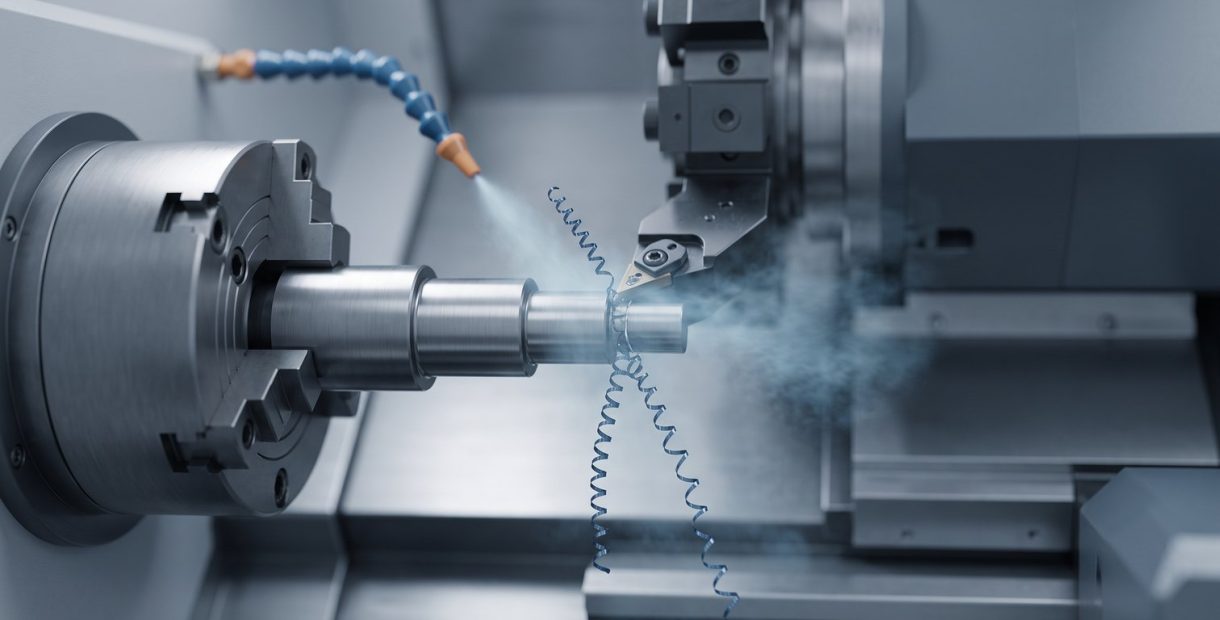

What Makes CNC Machined Steel the Right Choice?
Steel is fundamentally an iron-carbon alloy, and how much carbon and alloying element a grade carries determines whether it favors machinability, strength, or corrosion resistance. That is why every project starts by narrowing the family down before touching the CAD file.
Carbon steel machines fast and keeps costs down; alloy steel adds chromium, molybdenum, or nickel for strength and hardenability; stainless resists corrosion; tool steel holds a hard, wear-resistant edge. DEK machines all four alongside our other CNC machining metals.
-

Tolerances to ±0.005 mm on milling and turning
-

No MOQ, from one prototype to production
-

ISO 9001, AS9100D and ISO 13485 certified
-

In-house CMM inspection with full traceability
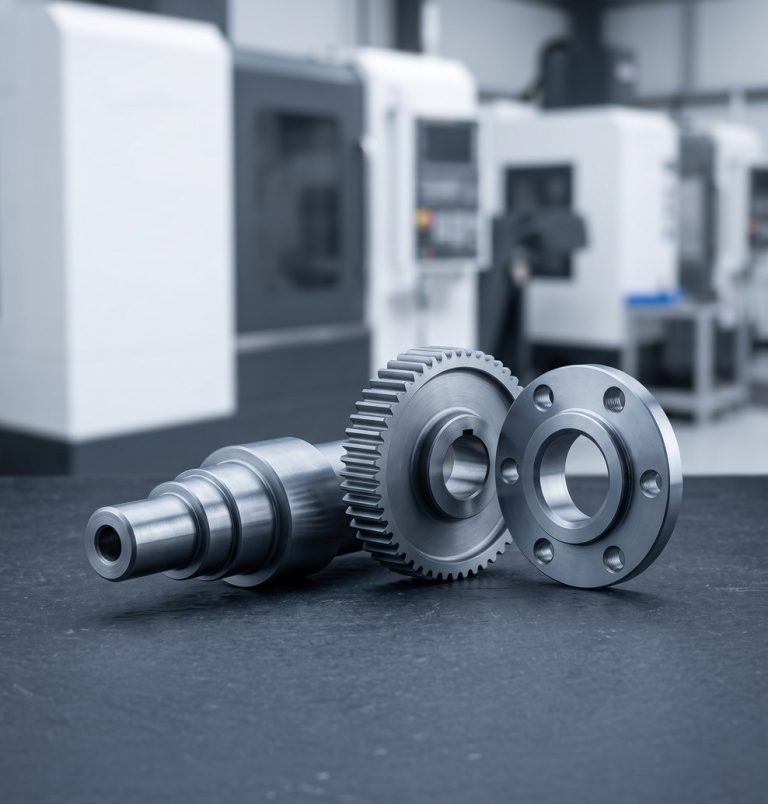
Steel Grades We Machine
Four steel families cover most projects; the right one balances machinability, strength after machining, and corrosion resistance.
-

1018 / A36
Fast-machining carbon steelFor brackets, plates, and general-purpose parts that won't see a corrosive environment. See Carbon Steel Machining.
-

1215
Leaded carbon steelA leaded carbon grade that machines fast and keeps costs down on general-purpose parts away from corrosive environments.
-

4130 / 4140
Strength and hardenabilityFor shafts, gears, and structural fasteners under repeated load, where plain carbon steel falls short. Details on 4140.
-

4340 / 8620 / A514
Alloy steel under repeated loadChromium, molybdenum, or nickel additions for strength beyond plain carbon steel. See Alloy Steel Machining.
-

304 / 316
300-series corrosion resistanceChromium content resists corrosion for medical, food-contact, and marine parts. See Stainless Steel CNC Machining.
-

Tool Steel
Hard, wear-resistant edgeFor dies, punches, and cutting tooling, often machined by grinding or EDM once the stock is hardened. See Tool Steel.
-
±0.005mm
Milling and turning tolerance
-
±0.003mm
Grinding, parts under 10 mm
-
~1000mm
Turned part size, roughly
-
58–62 HRC
Hardened stock we machine
Steel CNC Machining Capabilities
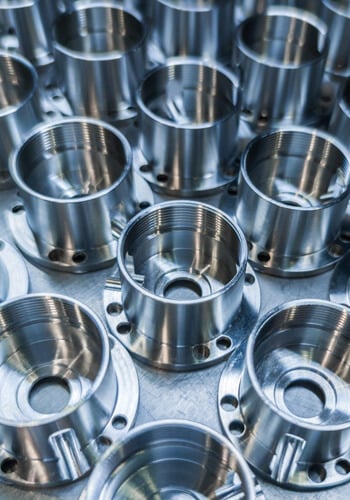
Each process is matched to the grade and its hardness, from conventional cutting of annealed stock to grinding and EDM for hardened steel.
-
1
Multi-Axis Milling
Milling on 3-, 4-, and 5-axis machines holds ±0.005 mm on general features and ±0.01 mm profile control on complex 5-axis contours.
-
2
CNC & Swiss Turning
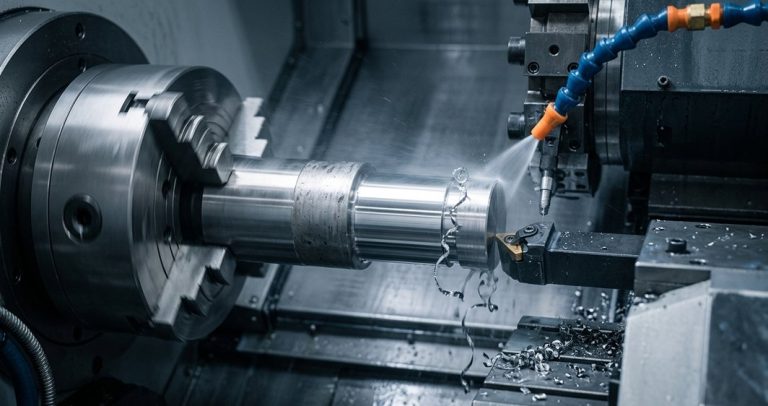
CNC and Swiss-type turning holds ±0.005 mm on fit-critical features such as shaft-bore fits and coaxiality, on parts up to roughly 1000 mm.
-
3
Precision Grinding
Cylindrical grinding reaches ±0.003 mm on micro and precision parts under 10 mm, and removes material from stock hardened to 58–62 HRC.
-
4
Wire & Sinker EDM
EDM erodes material by spark discharge, reaching hardened tool steel and intricate internal geometry that a cutting edge can't cleanly cut.
Machining Soft vs. Hardened Steel
How hardness, grade, and fit tolerance decide which process our engineers assign to a steel part.
-
1
Annealed & Normalized Stock
Most carbon and alloy grades as supplied cut cleanly on conventional mills and lathes up to around 30–35 HRC, where cutting forces and tool wear stay manageable.
-
2
Hardened Stock at 58–62 HRC
Tool steel and shaft stock already hardened to 58–62 HRC moves to grinding and wire/sinker EDM, which do not depend on a cutting edge biting into material that hard.
-
3
Choose the Family Before CAD
Carbon and alloying content set the trade-off between machinability, post-machining strength, and corrosion resistance, so the family is narrowed down before the CAD file is touched.
-
4
What Drives Steel Part Cost
Harder alloy, tool, or stainless grades and tighter tolerances add machining time; geometry and order volume also count. See our CNC machining cost guide.
Industries Using CNC Machined Steel Parts
Steel parts machined at DEK serve six sectors where strength, wear resistance, or corrosion resistance decides the material.
-
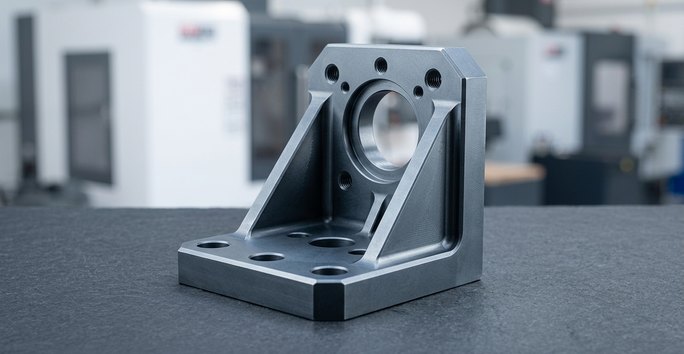 AerospaceNon-flight-critical structural and cabin parts, machined under AS9100D with in-house CMM inspection and full traceability.
-
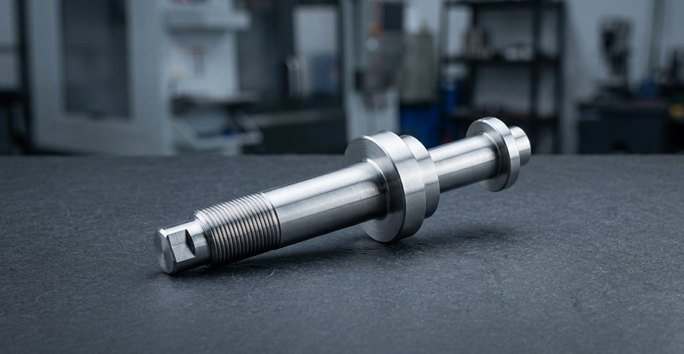 Medical DevicesStainless steel parts where chromium content resists corrosion, produced under ISO 13485 with full traceability documentation.
-
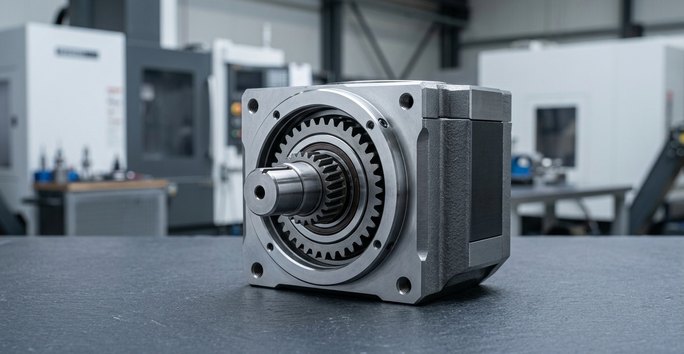 RoboticsAlloy steel shafts and gears under repeated load, with shaft-bore fits held to ±0.005 mm coaxiality for rotating assemblies.
-
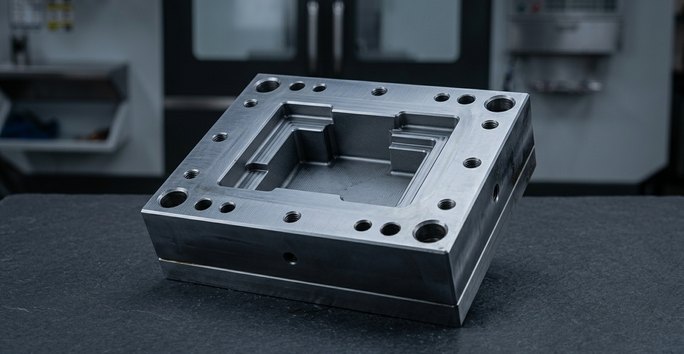 Industrial & AutomationCarbon steel brackets, plates, and general-purpose parts, plus tool steel dies and punches machined by EDM and grinding.
-
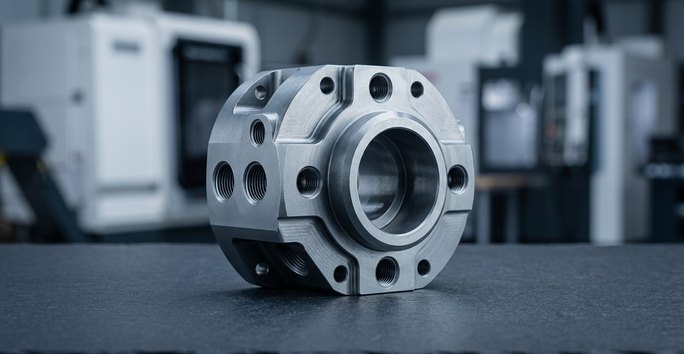 EnergySteel parts from a single prototype to production volumes, inspected by CMM and documented through IQC, IPQC, FAI and OQC.
-
 AutomotiveSteel gears, shafts, and structural fasteners in carbon or alloy grades, from one-off prototypes to production with no MOQ.
Steel Finishing Options for Machined Parts
Every finish is applied after CNC machining, chosen by steel family: conversion coatings for carbon steel, passivation for stainless.
Need another finish for your steel parts? See all finishes
-
 As-machinedMost PopularCNC machining with no added finishing step, leaving Ra 0.8–1.6 µm functional surfaces from milling or turning.Get a Quote
-
 Black oxideMost PopularCNC machining + black oxide: a chemical conversion coating giving low-glare corrosion resistance on carbon and alloy steel.Get a Quote
-
 PassivationMost PopularCNC machining + passivation: an acid treatment for corrosion resistance on stainless steel, with no added coating thickness.Get a Quote
-
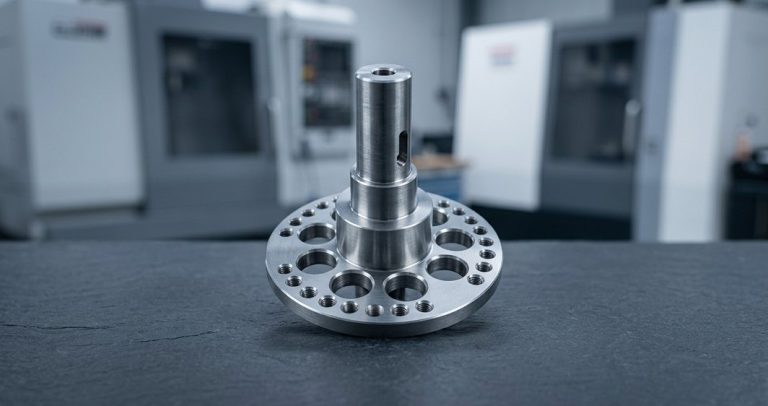 Plating (nickel or zinc)Most PopularCNC machining + nickel or zinc electroplating for wear and corrosion protection on carbon and alloy steel parts.Get a Quote
Frequently Asked Questions
Common questions from engineers sourcing CNC machined steel parts.
Other Materials
-
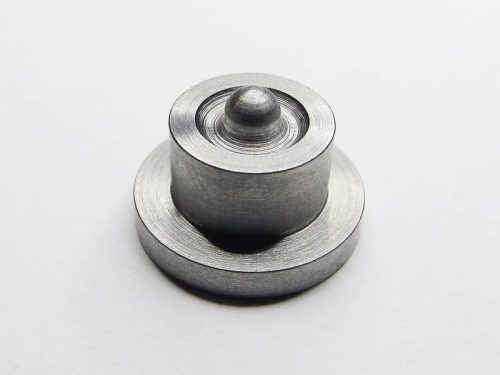 Alloy SteelAlloy steel grades 4140, 4340, 8620, 4130 and A514 for shafts, gears and structural parts that need more fatigue strength than plain carbon steel.Learn More
-
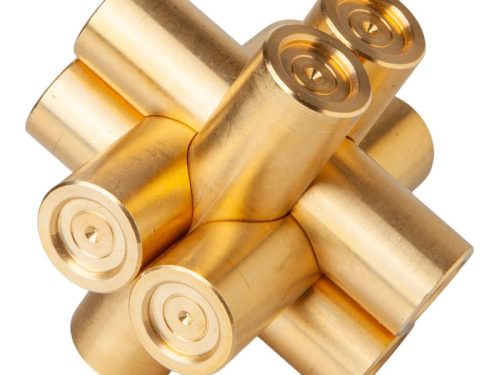 BrassC260, C360 free-cutting brass and Cz121 machined for fittings, valve parts, gears and connectors, from one prototype to production volumes.Learn More
-
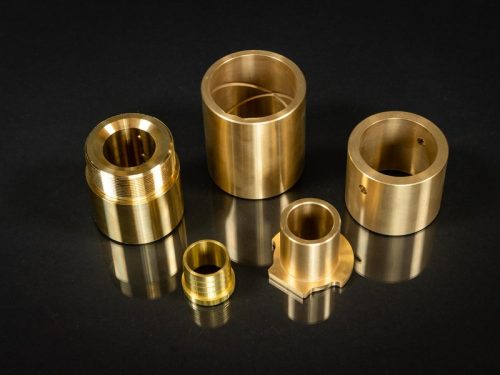 BronzePhosphor bronze C544, sintered C841, bearing bronze 932 and aluminum bronze 954 for bushings, sleeve bearings, gears, connectors and marine fittings.Learn More
-
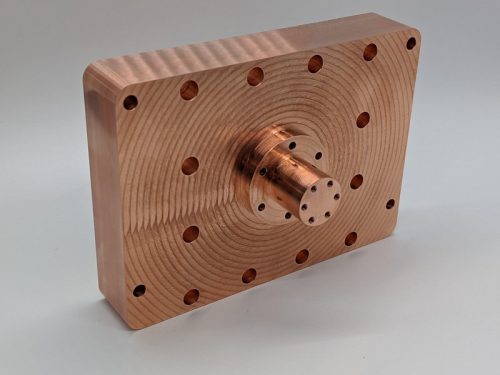 CopperCopper 101 and 110 stocked for waveguides, bus bars, connectors and heat sinks; beryllium and tellurium copper machined on request.Learn More
-
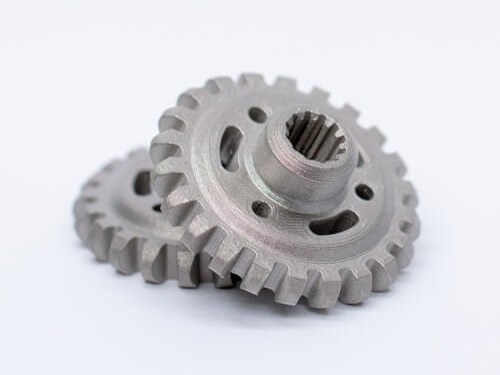 InconelNickel superalloys Inconel 600, 625 and 718, machined for aerospace, energy, medical and industrial parts exposed to heat and corrosive chemistry.Learn More
-
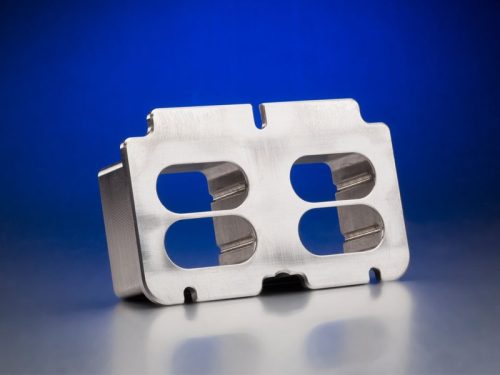 InvarInvar 36 and low-expansion Invar-family alloys, about 1.2 ppm/°C CTE, machined for optics mounts, semiconductor fixtures and measurement tooling.Learn More
-
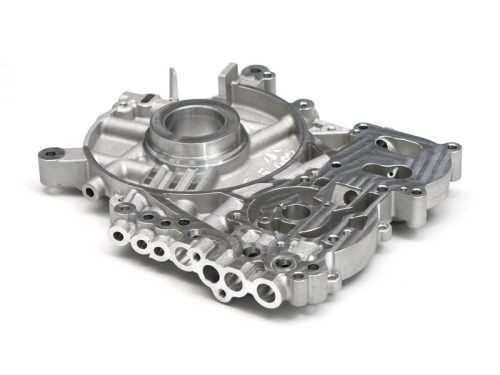 MagnesiumLightest structural metal in production use. AZ31B, AZ61B and AZ91D machined under fire-safe chip and coolant controls for weight-critical parts.Learn More
-
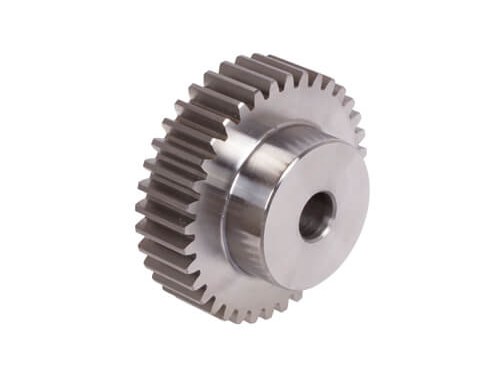 Mild SteelLow-carbon 1018, medium-carbon 1045 and free-machining 1215 and 12L14: cost-effective steel for shafts, brackets, pins, bushings and gears.Learn More
-
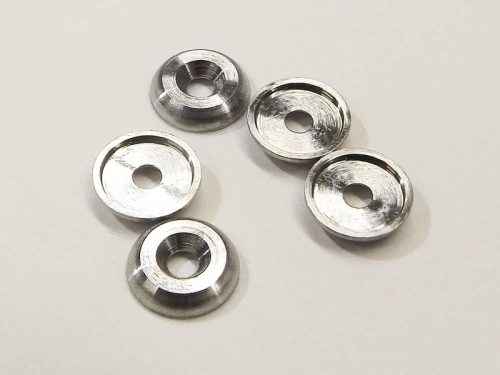 TitaniumGrade 1, Grade 2 and Grade 5 (Ti-6Al-4V) titanium, milled, turned and EDM-cut for aerospace, medical, robotics and semiconductor parts. No MOQ.Learn More
-
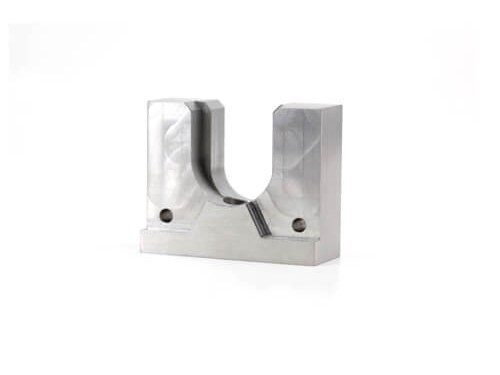 Tool SteelA2, D2, H13, O1, S7 and A3 machined into punches, dies, mold inserts and wear parts, annealed or hardened to 60+ HRC.Learn More
-
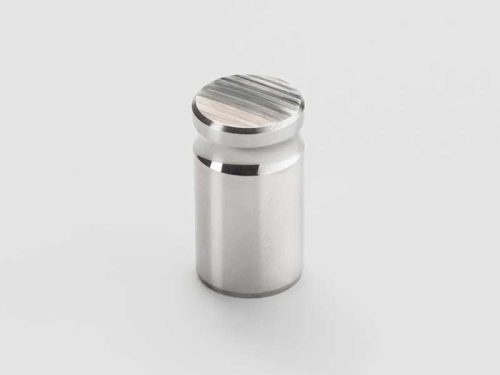 Tungsten SteelTungsten and tungsten carbide grades (YG6, YG8, YG10X, YG15, YL10.2) for wear parts, dies, punches and shielding, milled, turned, EDMed and ground.Learn More
-
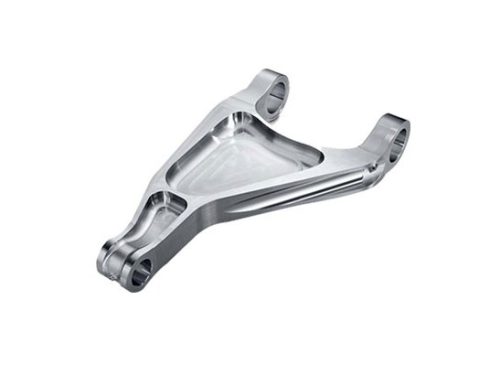 AluminumStocked 6061, 6063, 5083 and 5052 for brackets, housings, marine and fluid-handling parts, held to ±0.005 mm on fit-critical features with no MOQ.Learn More
-
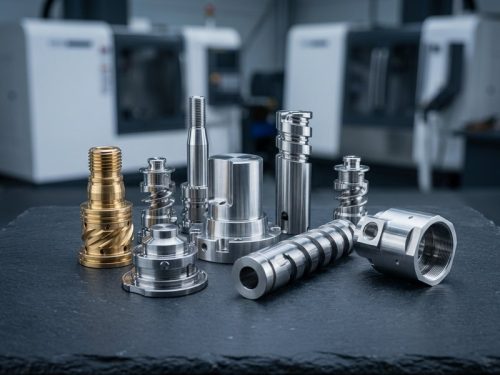 Stainless Steel303, 304, 316L, 17-4PH and 2205 duplex machined for medical, robotics, semiconductor and aerospace parts, from one prototype to production, ±0.005 mm.Learn More

Ready to Scale Your Project?
Get started with a stable process and controlled quality. Let's discuss your project.








