







Invar Machining Services
DEK delivers Invar machining for parts that cannot tolerate thermal drift, holding ±0.005 mm on alloys with a CTE of about 1.2 ppm/°C between 20 and 100°C. Material certification and full traceability documentation ship with every order.
-
±0.005mm
Tolerance Capability
-
3-Day
Prototype Lead Time
-
~1000mm
Max Part Size

Why Invar Machining Suits Low-CTE Parts
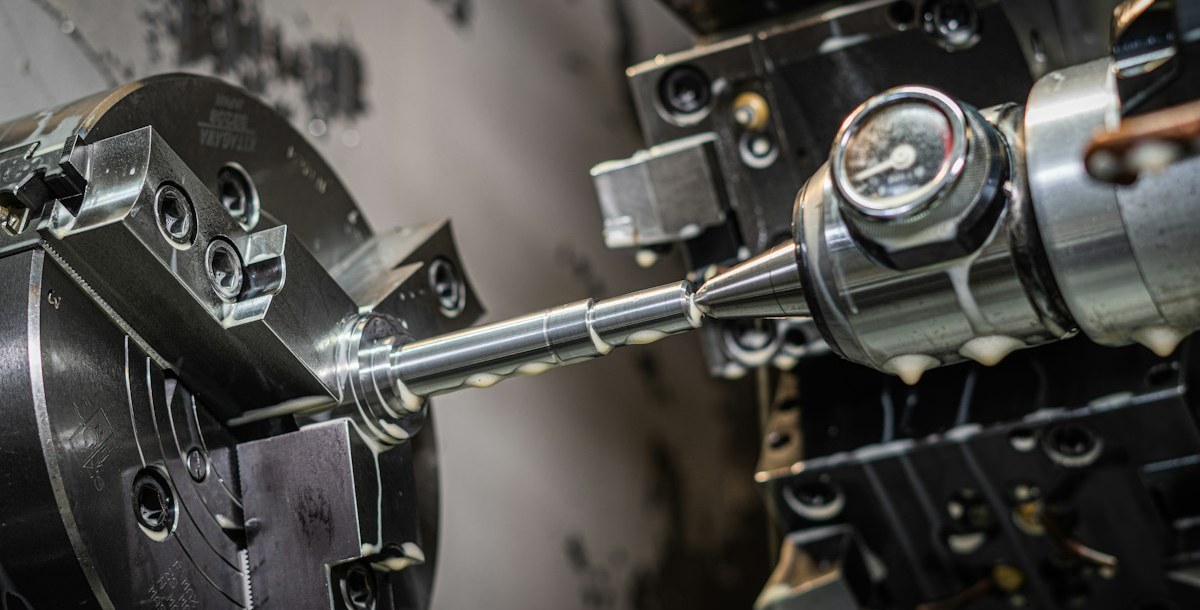
Invar is a low-expansion iron-nickel alloy, typically about 1.2 ppm/°C between 20 and 100°C. DEK machines Invar 36 and other Invar-family stock, from bar to plate, into parts machined up to roughly 1000 mm on a side.
We run Invar through the same process stack used for our other high-nickel alloys: 3-, 4- and 5-axis milling, CNC and Swiss turning, wire and sinker EDM, and precision grinding. The result is invar CNC parts for optics mounts, semiconductor fixtures and measurement tooling that hold alignment as temperatures change.
-

20+ years of precision machining
-

1.2M+ parts produced annually
-

98.6%+ on-time delivery rate
-

ISO 9001, ISO 13485 and AS9100D certified
Invar Grades We Machine
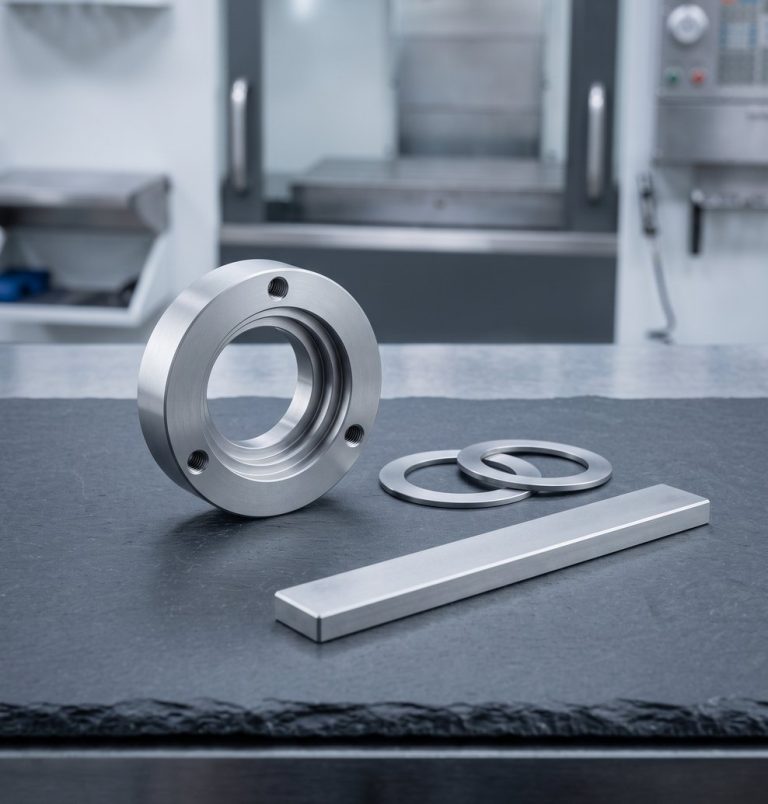
Invar 36 is the grade DEK runs most; other low-expansion Invar-family stock is machined on request, from bar or plate.
-

Invar 36
UNS K93600, ~36% nickelRoughly 36% nickel with balance iron. Speeds, feeds and tolerances are listed on the Invar 36 page.
-

Invar-family alloys
Low-expansion stock on requestOther low-expansion Invar-family alloys are machined on request when a drawing calls for a specific grade or form.
-

Kovar
Better glass-to-metal sealingKovar trades some of Invar's low expansion for glass-to-metal sealing in electronic leads. See Kovar machining.
-
±0.005mm
General CNC and fit-critical
-
±0.003mm
Micro parts under 10 mm
-
±0.01mm
5-axis profile control
-
Ra 0.4μm
Ground bores and faces
Precision Invar Machining at DEK
Each process runs under the same IQC, IPQC, FAI and OQC checkpoints DEK applies to every material it machines.
-
1
3-, 4- & 5-Axis Milling
Shapes contoured mounts, brackets and optical housings with ±0.01 mm profile control on complex geometry through 5-axis milling.
-
2
CNC & Swiss Turning
Produces shafts, sleeves and small-diameter fixture components, using Swiss turning for tight diametral consistency.
-
3
Wire & Sinker EDM
Wire and sinker EDM cuts hardened or work-hardened sections that resist conventional tooling.
-
4
Precision Grinding
Refines fit-critical bores and flat mating faces to Ra 0.4 μm or finer through cylindrical grinding.
What Makes Machining Invar Different
Invar work-hardens fast; a single glazed pass can push a part outside tolerance. Our engineers control these four factors.
-
1
Fast Work Hardening
Invar hardens quickly under the cutter. A glazed pass can push a part outside tolerance, defeating the purpose of specifying a low-CTE alloy.
-
2
Sharp, Positive-Rake Tooling
Sharp, positive-rake tools cut cleanly instead of rubbing, keeping the alloy from hardening into a glazed surface mid-cut.
-
3
Chip Breaking & Feed Rates
Invar forms long, gummy chips. Active chip breakers and steady feed rates matter more than speed, the same care needed for high-nickel stainless grades.
-
4
Inspection at Every Stage
IQC, IPQC, FAI and OQC checkpoints run on every order, backed by our ISO 9001, ISO 13485 and AS9100D quality system.
Invar Alloy Grades We Machine
Invar 36 (UNS K93600) is our most-run grade. Open its page for cutting speeds, feeds and dimensional tolerances, or request other Invar-family stock.
When to Choose Invar vs Kovar or 316 Stainless
How Invar compares with Kovar for sealing work and with 316 stainless for machining cost.
| Criteria | This MaterialInvar | Kovar | 316 Stainless |
|---|---|---|---|
| Choose it for | No thermal drift | Glass-to-metal sealing | – |
| Thermal expansion | ~1.2 ppm/°C | Higher than Invar | – |
| Work hardening | Fast | – | Slower than Invar |
| Machining cost | Higher | – | Lower |
| Raw material price | Comparable to 316 | – | Comparable |
Invar Parts Manufacturing by Industry
Invar is specified wherever a part must hold alignment or calibration while ambient temperature changes.
-
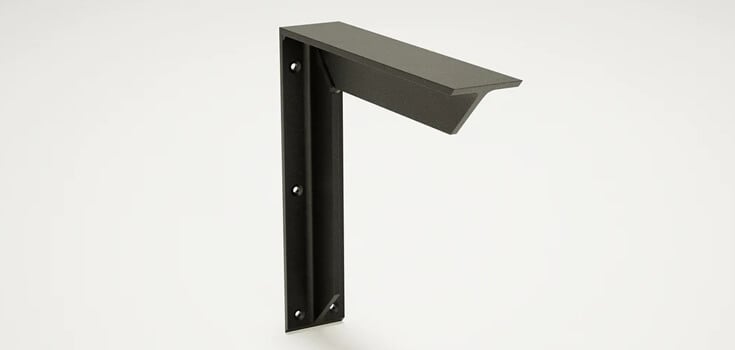
 AerospaceNon-flight-critical structural mounts and instrument brackets that hold alignment across cabin temperature swings.
-
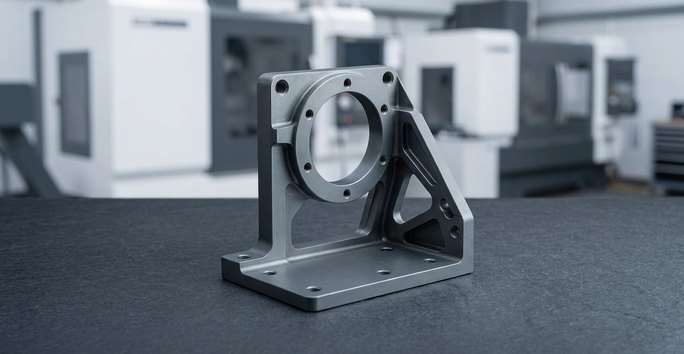
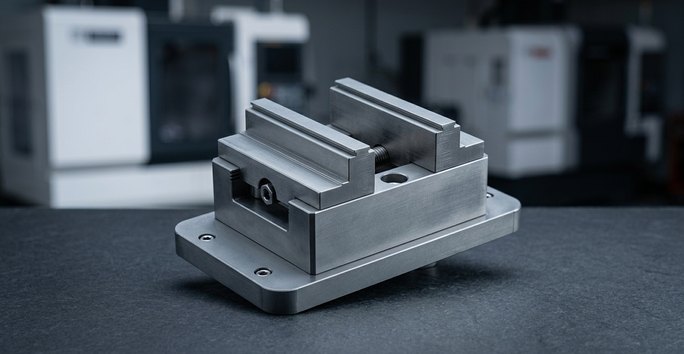 Semiconductor EquipmentWafer-handling fixtures and calibration tooling that cannot drift with ambient heat during processing.
-
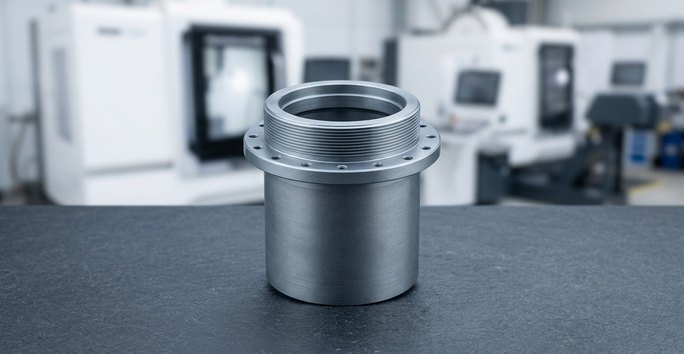 Optics & MeasurementLens barrels, mirror mounts and gauge bodies that track the expansion rates of glass or ceramic.
CNC Machining + Grinding Options for Invar
Fit-critical Invar features are machined, then ground to Ra 0.4 μm or finer for bores and flat mating faces.
Need another finish on Invar? Ask our engineers
-
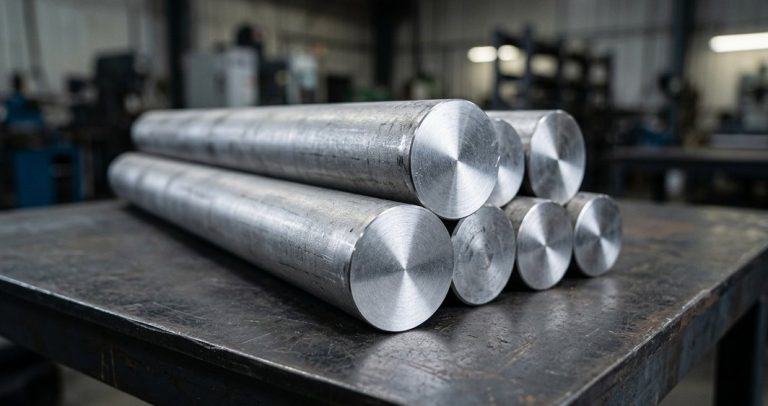 Precision grindingMost PopularCNC machining plus precision grinding refines fit-critical features to Ra 0.4 μm or finer.Get a Quote
-
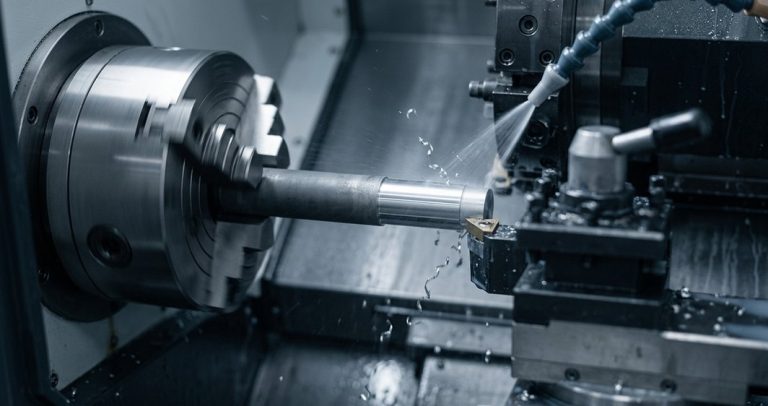 Cylindrical grindingMost PopularCNC machining plus cylindrical grinding finishes fit-critical bores for shaft-bore fits held to ±0.005 mm.Get a Quote
-
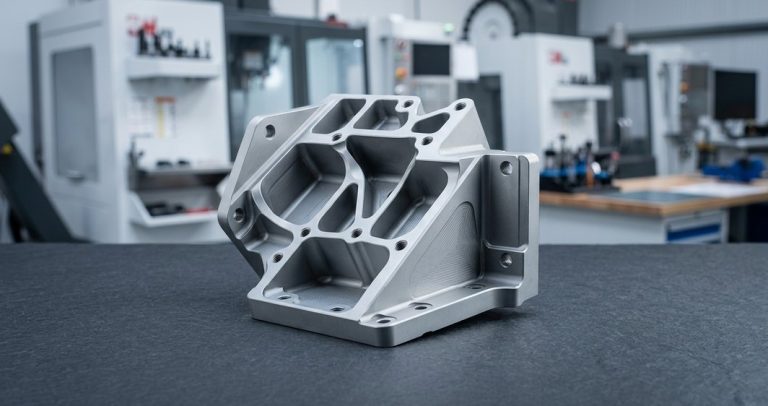 Flat mating facesMost PopularCNC machining plus grinding of flat mating faces to Ra 0.4 μm or finer for stable assemblies.Get a Quote
Invar Machining FAQ
Common questions from engineers specifying low-CTE Invar parts.
Other Materials
-
 Alloy SteelAlloy steel grades 4140, 4340, 8620, 4130 and A514 for shafts, gears and structural parts that need more fatigue strength than plain carbon steel.Learn More
-
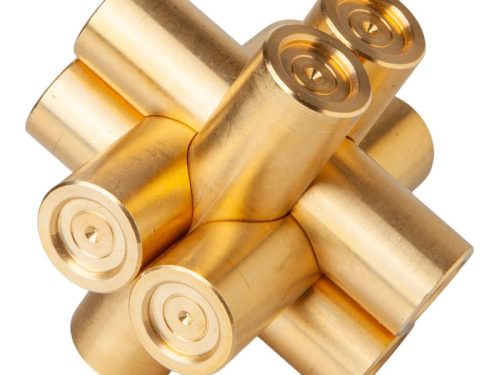 BrassC260, C360 free-cutting brass and Cz121 machined for fittings, valve parts, gears and connectors, from one prototype to production volumes.Learn More
-
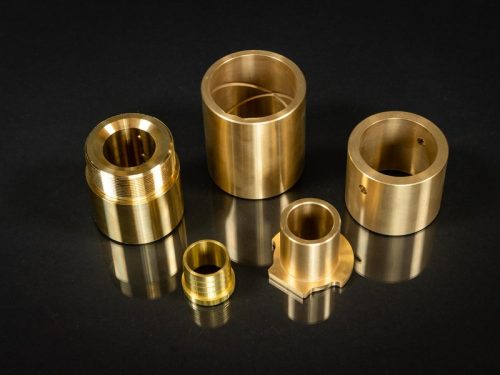 BronzePhosphor bronze C544, sintered C841, bearing bronze 932 and aluminum bronze 954 for bushings, sleeve bearings, gears, connectors and marine fittings.Learn More
-
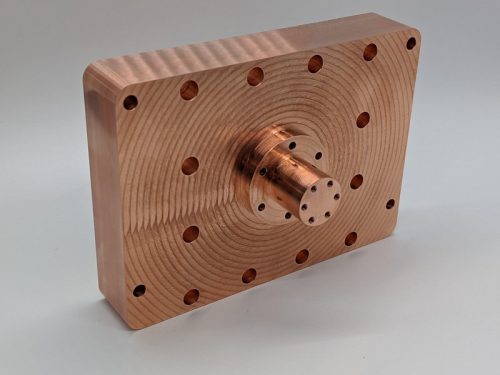 CopperCopper 101 and 110 stocked for waveguides, bus bars, connectors and heat sinks; beryllium and tellurium copper machined on request.Learn More
-
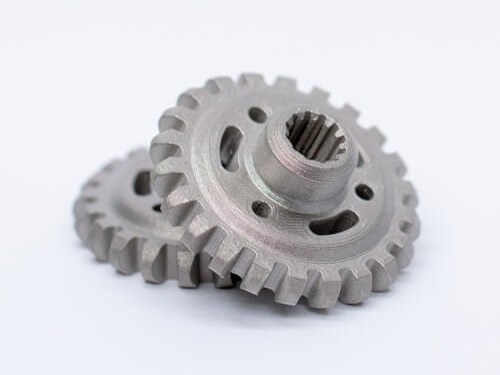 InconelNickel superalloys Inconel 600, 625 and 718, machined for aerospace, energy, medical and industrial parts exposed to heat and corrosive chemistry.Learn More
-
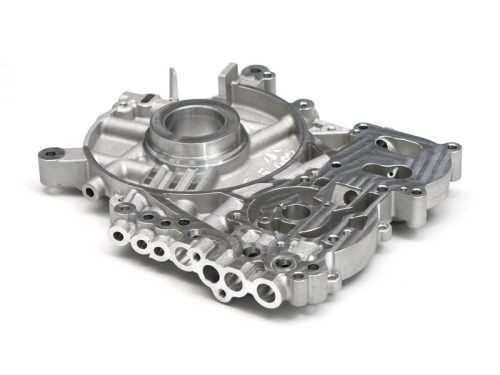 MagnesiumLightest structural metal in production use. AZ31B, AZ61B and AZ91D machined under fire-safe chip and coolant controls for weight-critical parts.Learn More
-
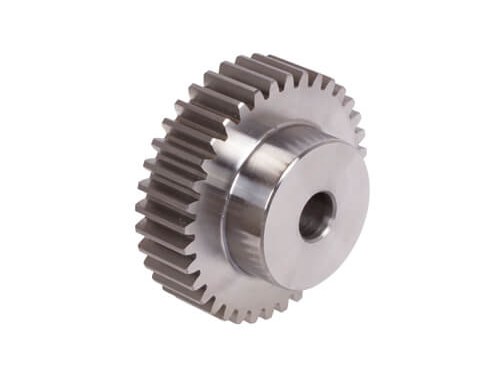 Mild SteelLow-carbon 1018, medium-carbon 1045 and free-machining 1215 and 12L14: cost-effective steel for shafts, brackets, pins, bushings and gears.Learn More
-
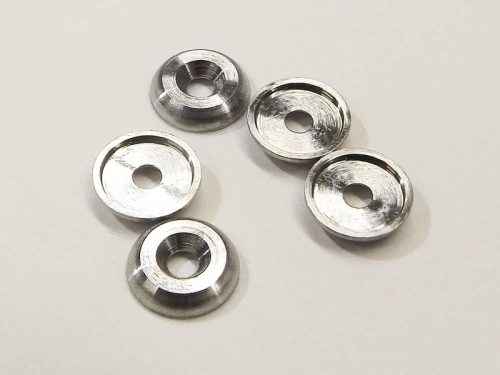 TitaniumGrade 1, Grade 2 and Grade 5 (Ti-6Al-4V) titanium, milled, turned and EDM-cut for aerospace, medical, robotics and semiconductor parts. No MOQ.Learn More
-
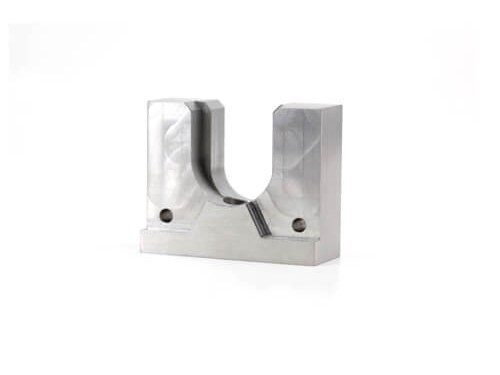 Tool SteelA2, D2, H13, O1, S7 and A3 machined into punches, dies, mold inserts and wear parts, annealed or hardened to 60+ HRC.Learn More
-
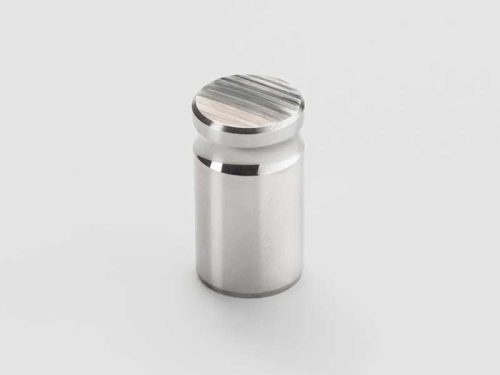 Tungsten SteelTungsten and tungsten carbide grades (YG6, YG8, YG10X, YG15, YL10.2) for wear parts, dies, punches and shielding, milled, turned, EDMed and ground.Learn More
-
 AluminumStocked 6061, 6063, 5083 and 5052 for brackets, housings, marine and fluid-handling parts, held to ±0.005 mm on fit-critical features with no MOQ.Learn More
-
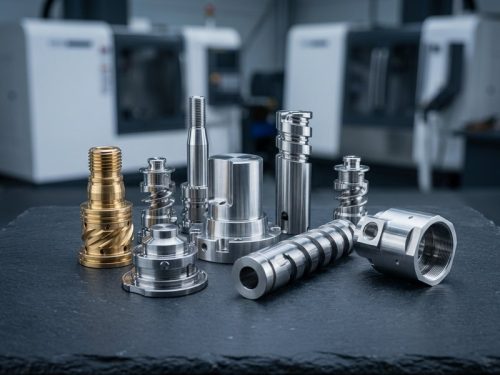 Stainless Steel303, 304, 316L, 17-4PH and 2205 duplex machined for medical, robotics, semiconductor and aerospace parts, from one prototype to production, ±0.005 mm.Learn More

Ready to Scale Your Project?
Get started with a stable process and controlled quality. Let's discuss your project.