









Kovar Machining Services
DEK's Kovar machining services deliver CNC milled and turned Kovar parts from a single prototype to production, with no MOQ. Seal-critical faces are finished for glass-to-metal and ceramic-to-metal seals and checked on CMM.
-
±0.003mm
Pins under 10 mm
-
3 days
Fastest prototype
-
1000 mm
Kovar A bar length

Why Kovar Machining Demands a Specialized Process
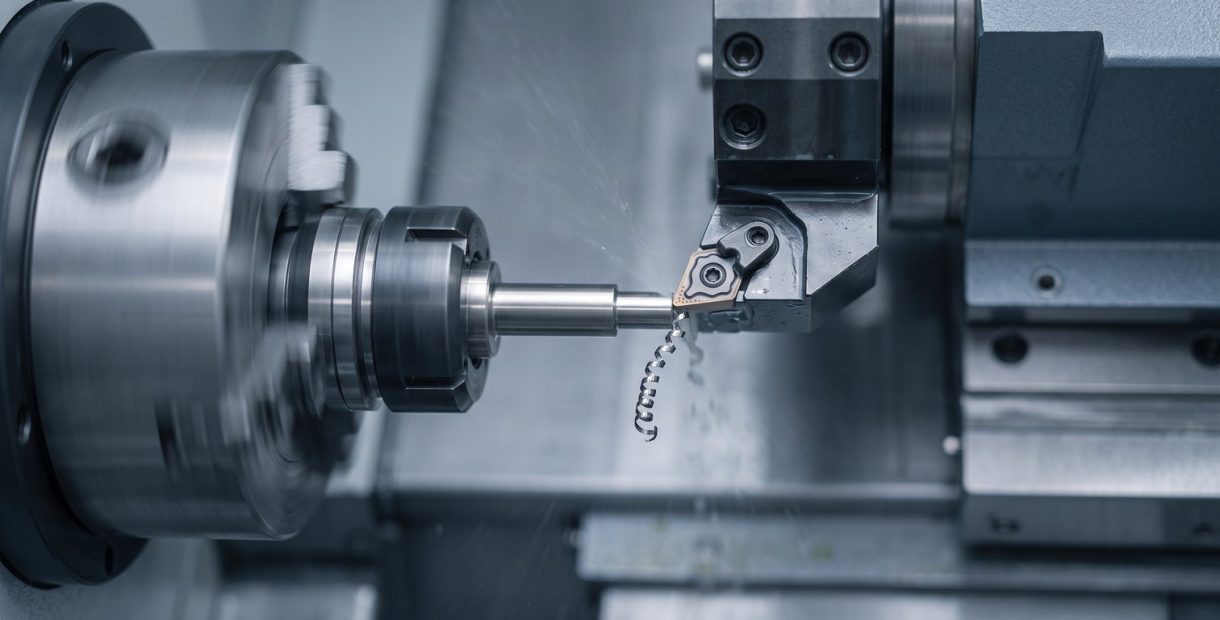
Kovar is specified because its coefficient of thermal expansion tracks borosilicate glass and certain ceramics. Kovar machining therefore has to hold dimensional control tight enough that a downstream seal will not crack under thermal cycling, which is why DEK runs it as precision machining work.
The alloy work-hardens fast under standard steel-cutting parameters, so programs are adjusted to protect tooling and finish. Every order follows a documented sequence, from incoming material inspection to first article approval and outgoing inspection, under our certified quality system.
-

No MOQ, one process from prototype to production
-

Prototype Kovar parts in as fast as 3 days
-

In-house CMM with complete lot traceability
-

ISO 9001, ISO 13485 and AS9100D certified
Kovar Grades and Stock We Machine
DEK stocks Kovar A, the standard glass-sealing grade, as bar and plate so most orders start without a raw-material wait.
-

Kovar A
ASTM F15, UNS K94610The standard glass-sealing grade, chosen when a part must match borosilicate glass or ceramics through repeated temperature swings.
-

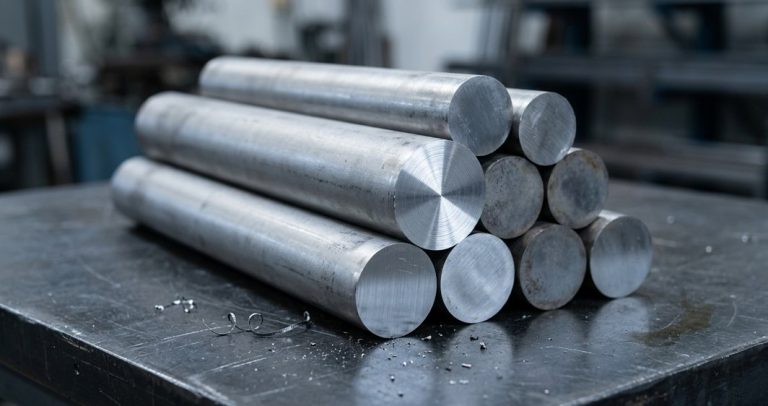
Kovar A round bar
Up to 1000 mm longTurned into micro pins, header pins and feedthrough shafts under 10 mm, plus connector bodies and shells.
-

Plate
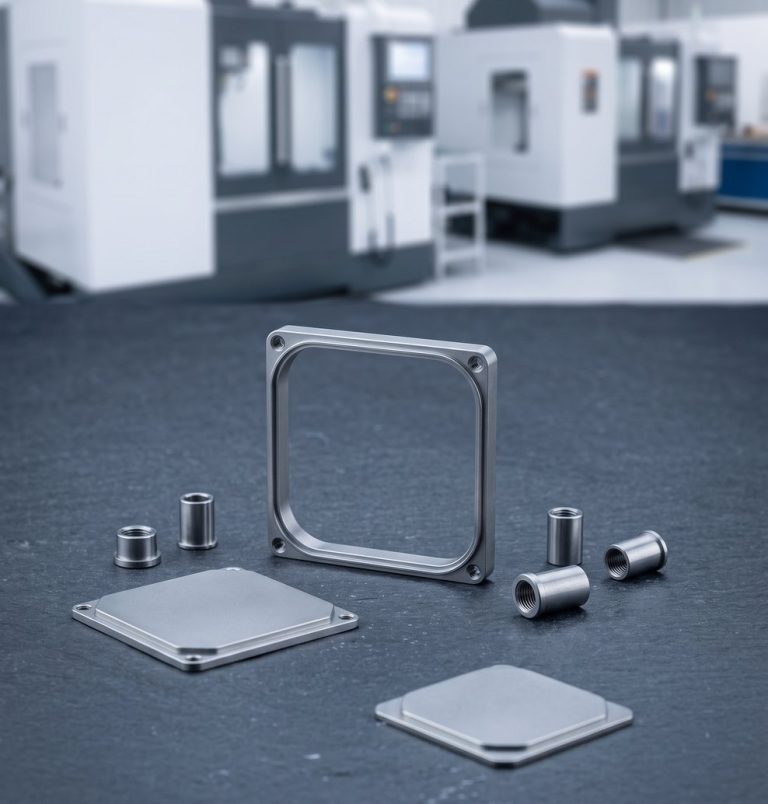
Standard mill thicknessesKovar A plate milled into IC package lids, sensor and housings up to roughly 1000 mm overall.
-
±0.003 mm
Turned features under 10 mm
-
±0.005 mm
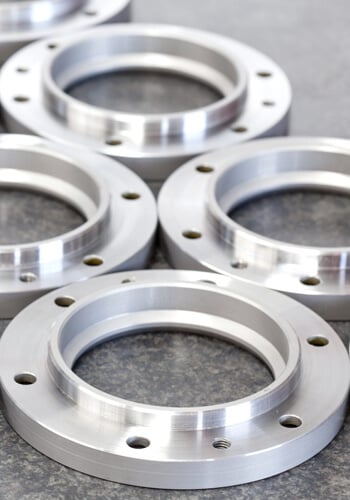
Seal flanges and mating bores
-
±0.01 mm
5-axis contoured housings
-
Ra 0.4–0.8
µm on seal-critical faces
Our Kovar Machining Capabilities
Rigid workholding, conservative chip loads and active tool-wear monitoring keep Kovar's work-hardening from degrading a finish mid-run.
-
1
CNC Milling
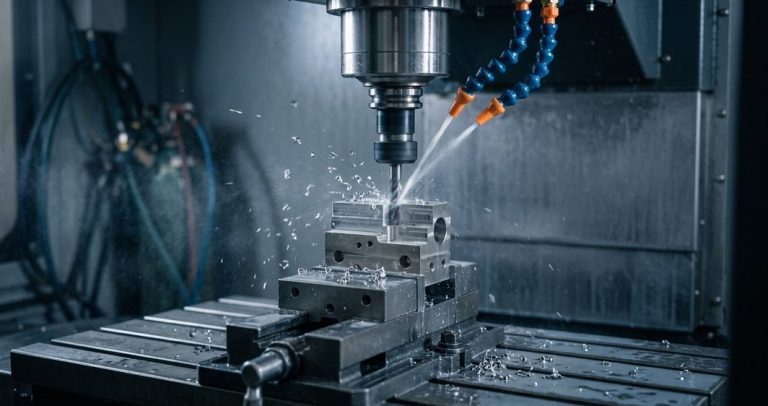
CNC milling on 3-, 4- and 5-axis machines; contoured lids and housings with 5-axis profile control hold ±0.01 mm.
-
2
CNC & Swiss Turning
CNC turning, including Swiss-type turning for small, high-precision header pins and feedthrough shafts held to ±0.003 mm.
-
3
EDM (Wire and Sinker)
Wire and sinker EDM for Kovar features that are better cut without tool pressure on a work-hardening alloy.
-
4
Precision Grinding
Precision grinding brings seal-critical faces to Ra 0.4–0.8 µm (16–32 µin) on flanges, lid rims and mating bores.
What Makes Kovar Machining Different
Key factors our engineers evaluate before a Kovar part reaches a glass-to-metal or ceramic-to-metal seal.
-
1
Fast Work Hardening
Kovar work-hardens faster than most stainless grades, so standard steel-cutting parameters chew through tooling. Programs use conservative chip loads and sharp tooling.
-
2
Thermal Expansion Match
Its expansion tracks borosilicate glass and certain ceramics. Dimensional control must be tight enough that the downstream seal will not crack under thermal cycling.
-
3
Oxide Control Before Sealing
Sealing parts typically need hydrogen firing and vacuum annealing. DEK coordinates this through qualified partner furnaces and finishes ground and plated geometry to spec ahead of it.
-
4
Stable Setup, Prototype to Run
Rigid workholding and active tool-wear monitoring carry a job from first-off prototype into repeat production without re-qualifying the process when volume changes.
When to Choose Kovar vs Invar or Stainless Steel
Kovar suits glass- and ceramic-matched seals; check the alternatives before locking a spec. See all controlled-expansion alloys we machine.
| Criteria | This MaterialKovar | Invar | Stainless steel |
|---|---|---|---|
| Choose it for | Glass/ceramic seals | Tooling, instruments | Non-hermetic parts |
| Thermal expansion | Matches borosilicate | Near-zero | – |
| Work hardening | Faster | – | Slower than Kovar |
| Hermetic seal | Yes | – | Not needed |
| Cost | Higher than steel | May cost less | May cost less |
Industries Using Machined Kovar Components
Anywhere a metal-to-glass or metal-to-ceramic joint has to survive repeated temperature swings without cracking.
-
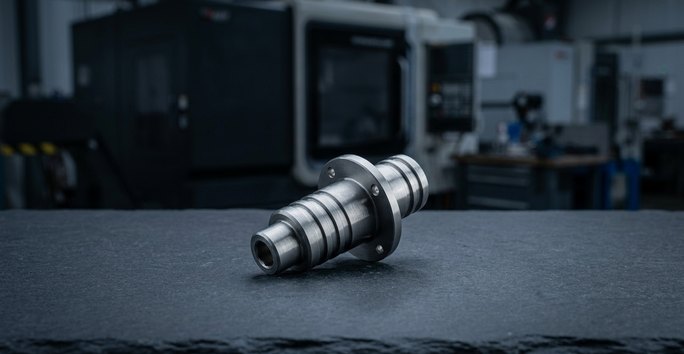 Hermetic ElectronicsHermetic electronic packages built around glass-to-metal seals, from header pins to IC package lids and connector bodies.
-
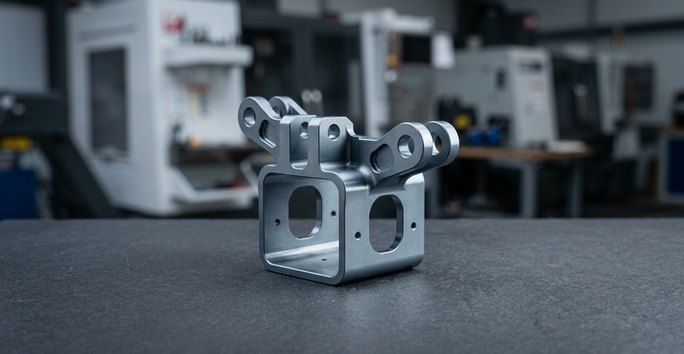 Semiconductor EquipmentSemiconductor equipment fixtures and sensor housings where ceramic-matched expansion keeps joints intact through cycling.
-
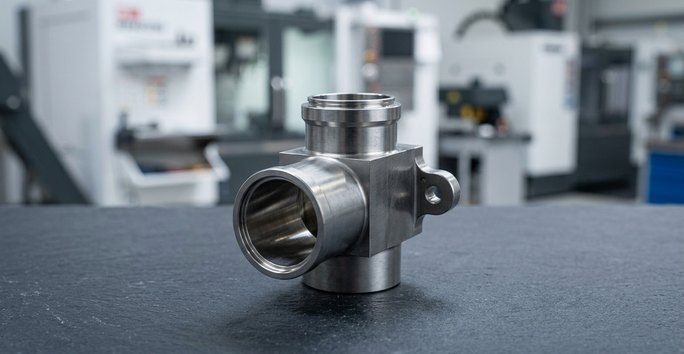 Medical DevicesMedical device housings with metal-to-glass or metal-to-ceramic joints, machined under ISO 13485 with full lot traceability.
CNC Machined Kovar Parts with Finishing
Kovar parts are machined and finished in one order, with plated surfaces prepared for downstream sealing steps.
Need another finish or a firing step? Ask our engineers
-
 ElectroplatingMost PopularNickel and gold electroplating on CNC machined Kovar parts, with surface geometry finished to spec ahead of sealing.Get a Quote
-
 Electroless nickel platingMost PopularElectroless nickel plating on machined Kovar components, quoted alongside machining with no MOQ.Get a Quote
-
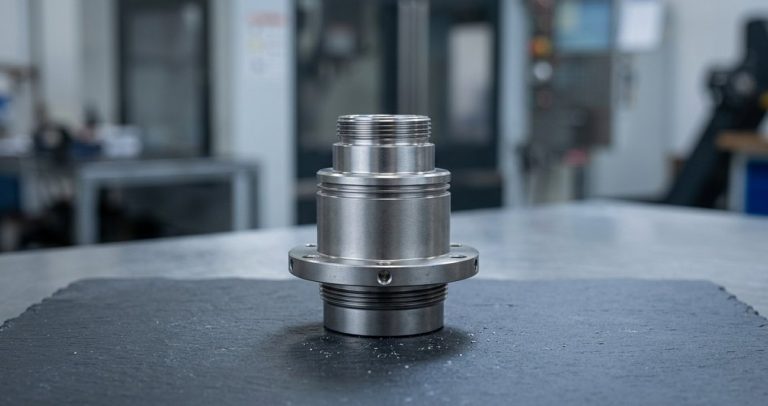 PassivationMost PopularPassivation applied after CNC machining of Kovar parts, inspected before shipment with lot traceability.Get a Quote
Kovar Machining Services FAQ
Common questions on cost, tolerances and lead time for machined Kovar parts.
Other Materials
-
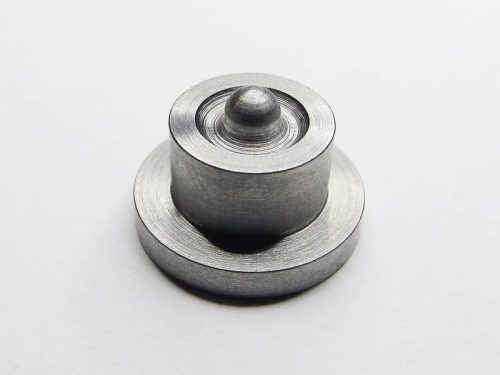 Alloy SteelAlloy steel grades 4140, 4340, 8620, 4130 and A514 for shafts, gears and structural parts that need more fatigue strength than plain carbon steel.Learn More
-
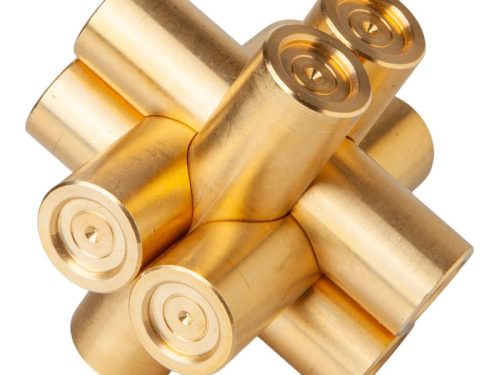 BrassC260, C360 free-cutting brass and Cz121 machined for fittings, valve parts, gears and connectors, from one prototype to production volumes.Learn More
-
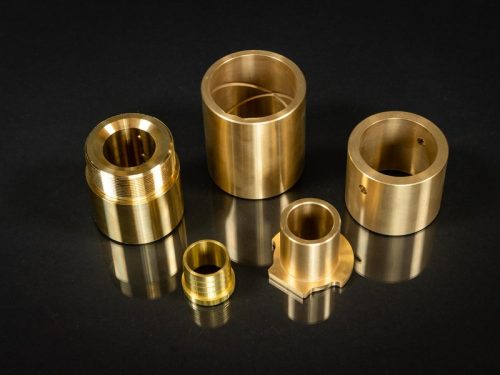 BronzePhosphor bronze C544, sintered C841, bearing bronze 932 and aluminum bronze 954 for bushings, sleeve bearings, gears, connectors and marine fittings.Learn More
-
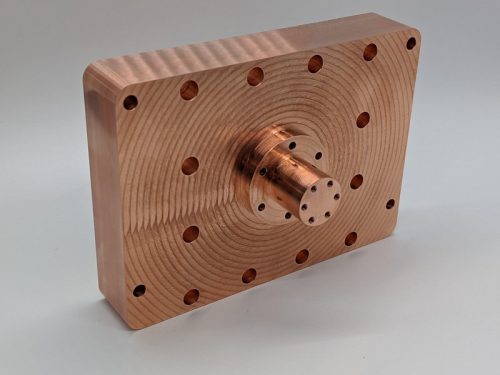 CopperCopper 101 and 110 stocked for waveguides, bus bars, connectors and heat sinks; beryllium and tellurium copper machined on request.Learn More
-
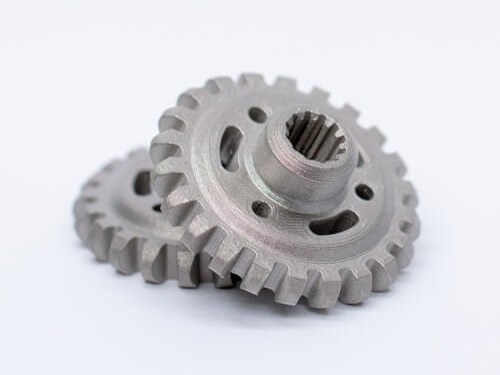 InconelNickel superalloys Inconel 600, 625 and 718, machined for aerospace, energy, medical and industrial parts exposed to heat and corrosive chemistry.Learn More
-
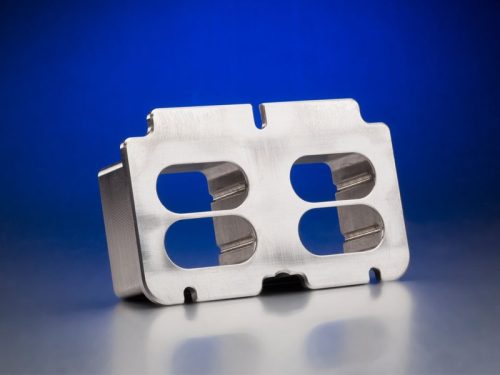 InvarInvar 36 and low-expansion Invar-family alloys, about 1.2 ppm/°C CTE, machined for optics mounts, semiconductor fixtures and measurement tooling.Learn More
-
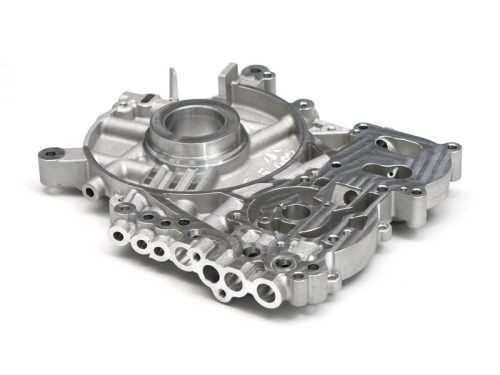 MagnesiumLightest structural metal in production use. AZ31B, AZ61B and AZ91D machined under fire-safe chip and coolant controls for weight-critical parts.Learn More
-
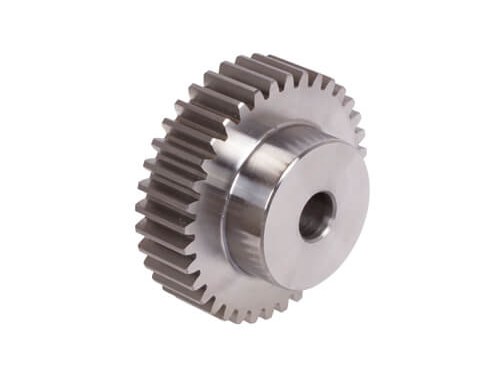 Mild SteelLow-carbon 1018, medium-carbon 1045 and free-machining 1215 and 12L14: cost-effective steel for shafts, brackets, pins, bushings and gears.Learn More
-
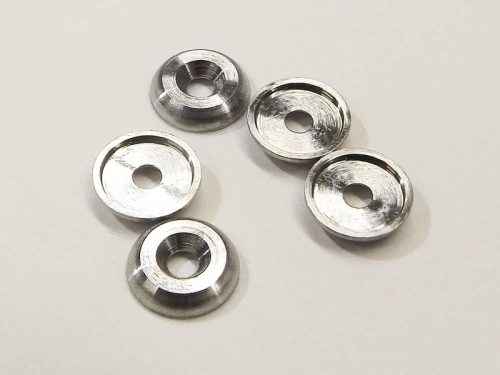 TitaniumGrade 1, Grade 2 and Grade 5 (Ti-6Al-4V) titanium, milled, turned and EDM-cut for aerospace, medical, robotics and semiconductor parts. No MOQ.Learn More
-
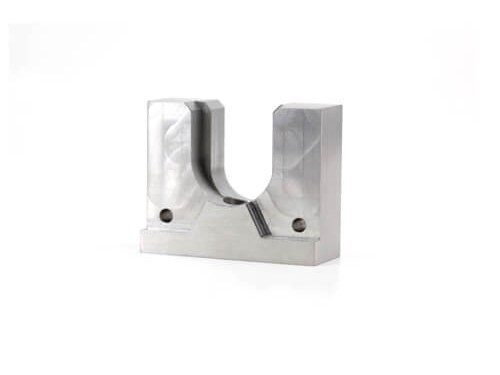 Tool SteelA2, D2, H13, O1, S7 and A3 machined into punches, dies, mold inserts and wear parts, annealed or hardened to 60+ HRC.Learn More
-
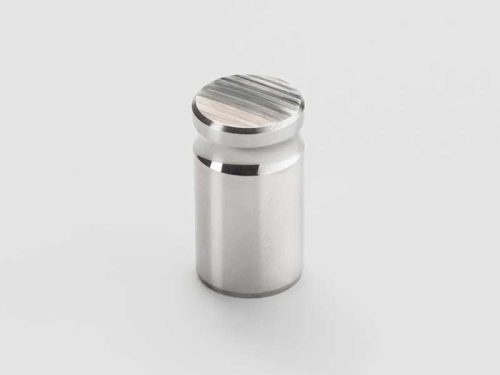 Tungsten SteelTungsten and tungsten carbide grades (YG6, YG8, YG10X, YG15, YL10.2) for wear parts, dies, punches and shielding, milled, turned, EDMed and ground.Learn More
-
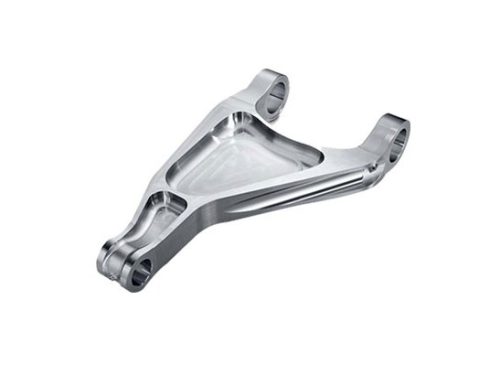 AluminumStocked 6061, 6063, 5083 and 5052 for brackets, housings, marine and fluid-handling parts, held to ±0.005 mm on fit-critical features with no MOQ.Learn More
-
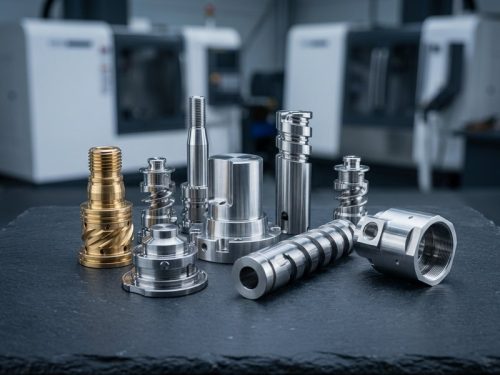 Stainless Steel303, 304, 316L, 17-4PH and 2205 duplex machined for medical, robotics, semiconductor and aerospace parts, from one prototype to production, ±0.005 mm.Learn More

Ready to Scale Your Project?
Get started with a stable process and controlled quality. Let's discuss your project.








