








CNC Turning Cost: Prices & What Affects Them

WRITTEN BY
Dany
CNC turning cost typically runs $35–$65/hr on standard 2-axis lathes, up to $75–$150/hr on multi-axis turn-mill centres, with per-part prices ranging from roughly $3 on high-volume production runs to $150+ on low-volume prototypes. These rates are specific to lathe work (turning a bar or blank into a rotationally symmetric part) not to milling, and not to the Swiss-type bar-fed micro-turning used for very small, high-precision parts, which runs on a different cost model entirely.
How Much Does CNC Turning Cost? (Quick-Reference Table)
The rate you pay depends on the machine class doing the work. A basic 2-axis lathe cutting a simple shaft costs far less per hour than a live-tooling turn-mill milling flats and drilling holes in the same setup.
| Machine Type | Hourly Rate | Typical Per-Part Range |
|---|---|---|
| Standard 2-axis lathe | $35 – $65/hr | $3 – $60 |
| Live-tooling turn-mill | $60 – $120/hr | $10 – $100 |
| Multi-axis mill-turn centre | $75 – $150/hr | $20 – $150+ |
Swiss machining cost runs on a different model entirely, driven by bar length, guide-bushing setup, and part diameter rather than a flat hourly rate, since a single loaded bar can run unattended through hundreds of parts once set up.
That's different from the capital cost of owning the equipment: service pricing pays for time on someone else's machine, while capital cost is the purchase price of the lathe itself.
How Much Does CNC Turning Cost Per Hour and Per Part?
The ranges above already break down by machine class, so the hourly number itself isn't the whole story; what matters is what's bundled into it. Machine time, operator labor, and shop overhead are typically folded into the hourly rate. Material, tooling wear on harder alloys, one-time setup and programming, and any secondary finishing are usually billed separately.
Per-part cost follows from combining that hourly rate with the part's cycle time, then adding those separate line items and dividing setup across the order quantity. Two shops quoting the "same" hourly rate can still land on different per-part prices depending on how much they bundle versus itemize; a shop with a higher hourly rate but no setup fee can undercut a lower-rate shop on a small order once the setup line is added back in.
How Much Does a CNC Turning Centre Cost?
Buying a lathe is a capital decision: this is the price of the equipment itself, not the per-part cost of having parts made.
- Entry-level 2-axis turning centre: $30,000 – $80,000
- Mid-range live-tooling turning centre: $80,000 – $200,000
- Multi-axis / mill-turn platform: $200,000 – $500,000+
This range matters mainly to shop owners evaluating a machine purchase. Buyers sourcing turned parts rather than equipment pay for time on someone else's machine; the per-part and hourly figures above apply to that budget instead.
How Much Do CNC Services Cost?
Beyond the hourly rate, a full turning quote has a few more line items:
- Setup and programming: $50–$500+, depending on how many operations the part needs (a simple OD turn with one chucking is cheap to set up; a part needing multiple chuckings, live-milled flats, and threading costs more to program).
- Material: billed by weight or bar length, varying by alloy.
- Finishing: anodizing, plating, or bead blasting adds a separate charge on top of the machined price.
- Quantity: setup cost gets divided across however many parts you order, so a 10-piece order and a 500-piece order of the identical part can differ 5–10x in per-part price even though the hourly rate stayed the same.
CNC milling cost follows a different formula, because milling a comparable part typically needs multiple fixturing setups and toolpath programming that a turned part, chucked once or twice, doesn't require; for rotationally symmetric geometry, turning is usually the cheaper process per part as a result.
How to Calculate CNC Turning Cost?
The core formula for pricing a turned part is:
Cost per part = (Setup cost ÷ quantity) + (cycle time × hourly rate) + material cost + finishing
Worked example (illustrative only): say you need a simple aluminum turned bushing. Cycle time is 3 minutes per part on a standard lathe billing at $50/hr, setup is a flat $200, and you're ordering 100 units.
- Setup per part: $200 ÷ 100 = $2.00
- Machine time per part: 3 min × ($50/hr ÷ 60) = $2.50
- Material (aluminum stock, small bushing): roughly $0.50–$1.50
- Total: approximately $5–$6 per part
Consider a second example, run at higher volume: a 316 stainless steel shaft, qty 250, with a $180 setup fee and a 4-minute cycle at $55/hr, prices out to roughly $6.90 per part including material; setup contributes less than $0.75 of that total once split across the run. Order only 10 units of that same shaft instead of 250, and setup alone would add $18 per part, nearly 25x its contribution on the larger run, which is why prototype and low-volume turning quotes look so much higher per piece than production runs.
What Drives Turning Cost Up or Down
Material
Aluminum machines fast and is comparatively cheap in bar-stock form, which keeps both material and cycle-time costs down. Stainless steel and titanium cut more slowly, wear tooling faster, and cost more per pound as raw bar stock, pushing both inputs of the cost formula up. Brass sits closer to aluminum on machinability, which is one reason it's a common choice for turned fittings and fasteners. This entire cost frame applies to metal (and engineering plastic) turning on industrial CNC lathes; wood turning uses different tooling, speeds, and shop rates, and runs at a much lower cost.
Part geometry & features
Grooves, threads, undercuts, and any live-milled features (flats, cross-holes, keyways) added while the part is still chucked all extend cycle time beyond a plain OD/ID turn. Each added feature usually means an additional tool change and a slower feed rate for that pass, which compounds across a production run even though it looks minor on a single part. How to Calculate 5 Axis CNC Machining Prices Cost? works through the separate toolpath-driven pricing mechanic that applies once a part needs pockets, angled faces, or multi-axis contours beyond what a lathe turret can reach.
Tolerance & surface finish
Standard turning tolerances run quickly. Tightening tolerances or specifying a fine surface finish slows the cut, adds passes, and increases inspection time; the same mechanism that drives cost up in any precision machining process, just applied to a rotating part instead of a fixtured one.
Order volume
Setup and programming are a fixed cost regardless of how many parts you order, so they get amortized across the run. This is the single biggest reason prototype and low-volume turned parts often cost 5–10x more per piece than the same part ordered in production quantities; the machine time and material don't change much, but the setup contribution shrinks dramatically as quantity rises.
Getting an Accurate CNC Turning Quote
Planning estimates are useful for budgeting before you have a finished drawing, but an actual quote needs your print, material callout, tolerance requirements, and target quantity; those four inputs move the price from a range to a specific figure. How Much Does Rapid Prototyping Cost? breaks down budgeting for early-stage manufacturing processes beyond turning, useful when a project mixes methods before committing to a single one. CNC turning covers the range of turning approaches (from simple OD/ID work to live-tooling combinations) worth reviewing when matching part geometry to process before requesting a quote.
CNC turning services quotes are built from your exact print rather than a generic range, machining from over 50 metals and engineering plastics including aluminum, stainless steel, brass, and titanium, with no MOQ on projects and a 3-day prototype lead time. Send us your files and we'll price your part against the actual drawing rather than a rule of thumb.
FAQ
How to calculate CNC turning cost?
Add setup cost divided by quantity, machine cycle time multiplied by the hourly rate, material cost, and any finishing charges. Setup is the variable that swings per-part price the most on small orders, since it's a fixed cost spread across however many units you're making.
What are the downsides of CNC turning?
Turning is limited to rotationally symmetric parts; anything with a non-cylindrical profile needs milling instead. It's also less efficient for complex geometry with multiple non-concentric features, and setup cost hits harder on very small batches since there's no way to spread it across enough parts.
How much does it cost to CNC something?
It depends heavily on process, material, and order quantity; production runs with amortized setup cost land far cheaper per part than low-volume or prototype work, as the calculation above shows. Complexity and tolerance requirements shift the number further in either direction.
What is the cost per hour for a CNC lathe?
It depends on the machine class; standard 2-axis lathes sit at the lower end, while live-tooling or automated bar-fed lathes cost more per hour because they're performing more operations per cycle with less operator attention. The breakdown by machine type is in the table above.
Does metal or wood CNC turning cost more?
Metal turning costs more per hour and per part than wood turning, because metal requires slower cycle times, harder tooling that wears faster, and tighter tolerances. Metal and engineering-plastic turning on industrial CNC lathes follows the pricing structure described above; wood turning does not.
Is CNC turning cheaper than CNC milling?
For rotationally symmetric parts, yes: turning's faster cycle times and simpler chucking-based fixturing typically make it less expensive per part than milling the same geometry. Milling cost breaks down differently, since its fixturing and toolpath needs differ from turning's chucking-based setup, and it usually wins out on complex, non-cylindrical shapes with pockets or multiple faces.
WRITTEN BY
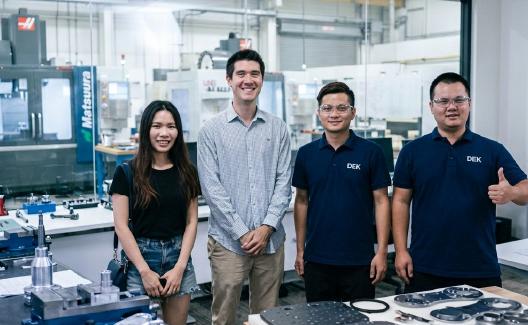
Dany supports major international clients, ensuring smooth communication, drawing interpretation, and project coordination. She is familiar with small-batch machining workflows and cross-team collaboration. In her spare time, she enjoys food, travel, and discovering new places.
Related Posts
-
 CNC Machining Tungsten Carbide: Everything You Should Know
-
 Making Sheet Metal Brackets: Ultimate Guide
-
 3D Printing Surface Finish: 9 Methods to Smooth 3D Printed Parts
-
 How To Spray Paint Aluminum: A Complete Guide
-
 CNC Machining Cost: A Complete Pricing Guide (2026)
-
 Undercut Machining: Process, Types, Applications & Tips
-
 Types of Fits: How to Choose the Right One in Engineering
-
 Vapor Polishing Services
-
 How to Optimize Impeller Design for Maximum Performance

Ready to Scale Your Project?
Get started with a stable process and controlled quality. Let's discuss your project.