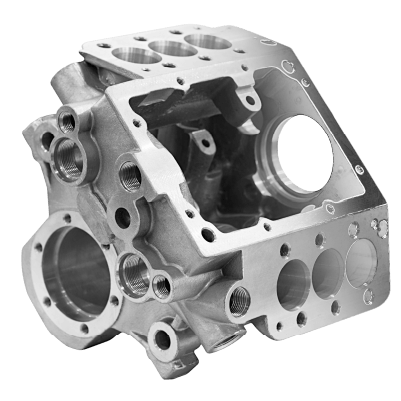








Stainless Steel Machining Services
DEK stainless steel machining services hold ±0.005 mm on austenitic, martensitic, PH and duplex grades, prototype to production. No MOQ; engineers review every drawing.
-
±0.005mm
General Tolerance
-
3-day
Prototype Lead Time
-
No MOQ
Single Parts Welcome

Stainless Steel Machining Services at DEK
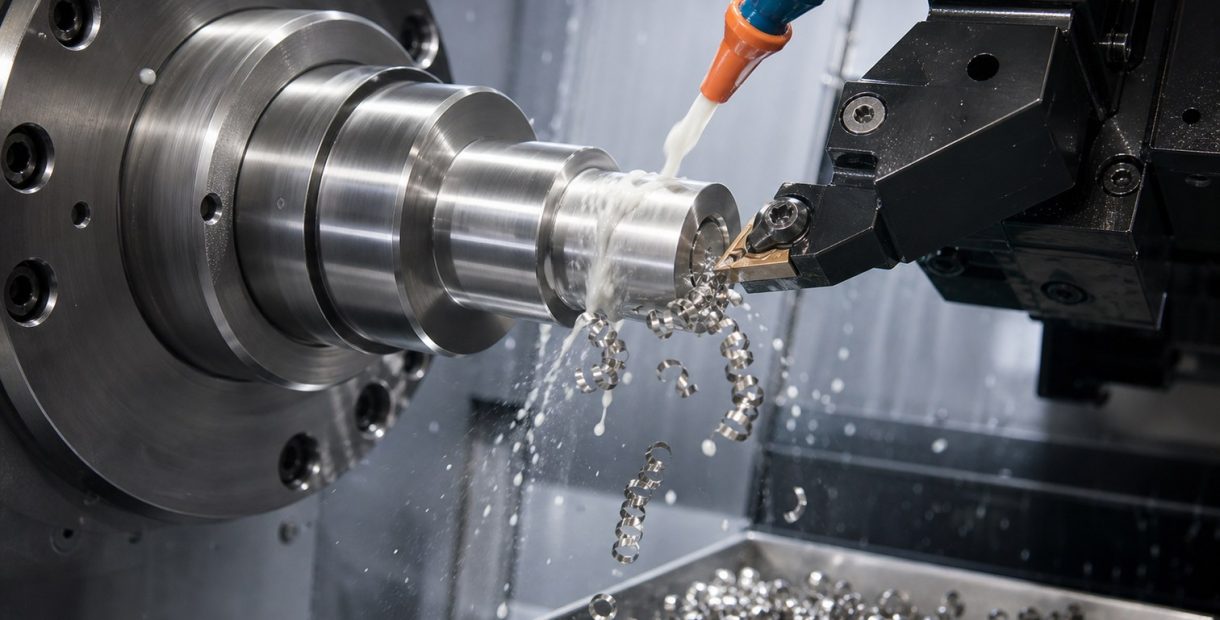
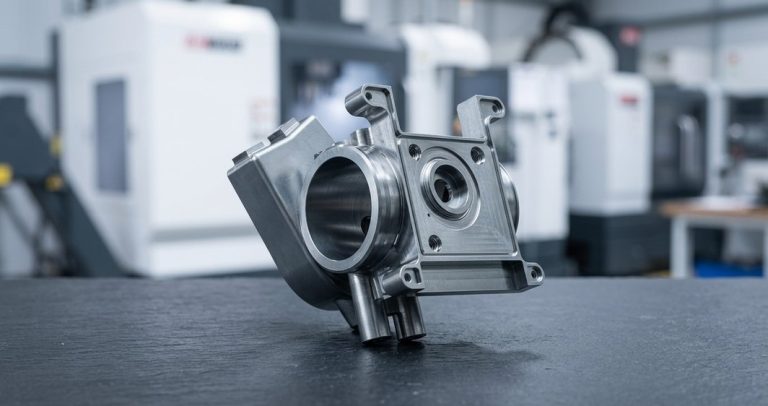
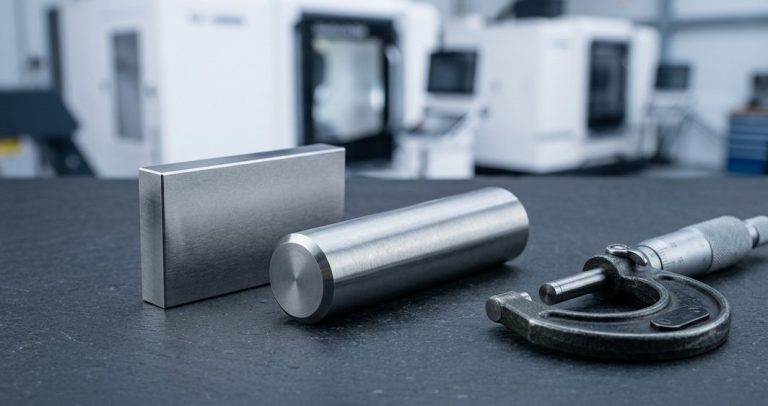
DEK machines the full stainless steel family (austenitic, martensitic, precipitation-hardening and duplex grades) into precision parts for OEMs and procurement teams across North America and Europe, using CNC milling, turning, EDM and grinding.
Stainless work-hardens and runs hotter at the cutting edge than aluminum or brass, so process control decides whether a batch holds tolerance. Every order runs through IQC, IPQC, FAI, OQC, SPC and CAPA with in-house CMM inspection under our ISO 9001, AS9100D and ISO 13485 quality system.
-

20+ years of precision machining experience
-

1.2M+ parts machined annually
-

2,300+ global OEM clients supplied
-

98.6%+ on-time delivery rate
Stainless Steel Grades We Machine
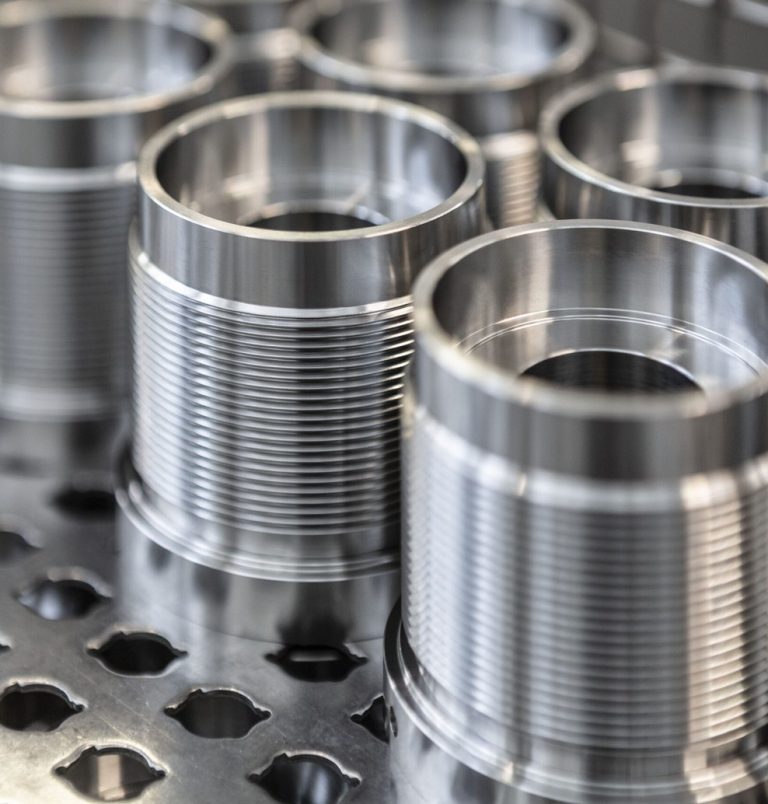
Grade selection drives cost, machinability and long-term part performance. These are the grades we run most often; more are available on request.
-

303
Free-machining gradeFor fasteners, fittings and high-volume turned parts; holds the tighter end of our 303 tolerance range.
-

304
General-purpose austeniticFor food, medical and enclosure applications. See 304 stainless steel options.
-

316 / 316L
Biocompatible, corrosion-resistantChosen for medical instruments and semiconductor fluid parts. See 316L stainless steel.
-

17-4PH
Precipitation-hardening, high strengthFor high-strength aerospace and valve components. See 17-4PH stainless steel.
-

2205 Duplex
High-strength, chloride-resistantFor offshore and chemical processing equipment. See 2205 duplex stainless steel.
-

321
Titanium-stabilized gradeFor high-temperature exhaust and aerospace fittings. See 321 stainless steel.
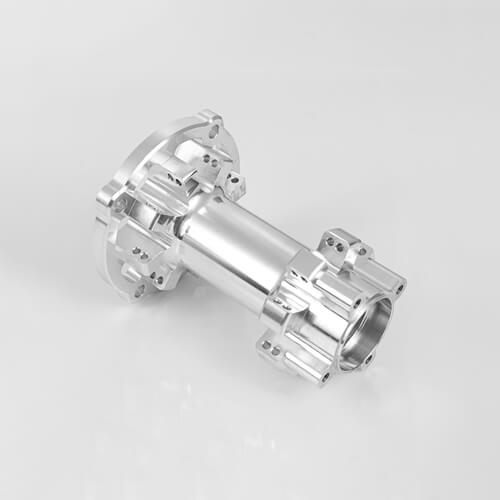
-
±0.005 mm
General tolerance
-
±0.003 mm
Micro parts (sub-10 mm)
-
±0.01 mm
5-axis profile control
-
~1000 mm
Maximum part size
Stainless Steel CNC Machining Processes
Milling, turning, EDM and grinding run in-house, so one supplier covers prismatic, turned, hardened and fit-critical stainless features.
-
1
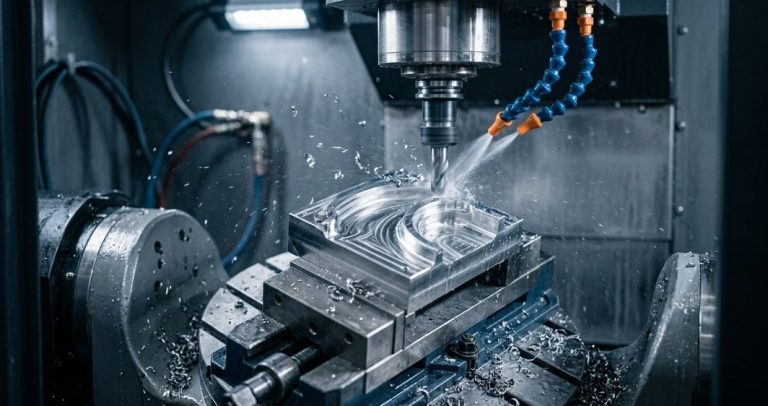
CNC Milling
3-, 4- and 5-axis CNC milling for prismatic stainless parts, with ±0.01 mm profile control on 5-axis work.
-
2
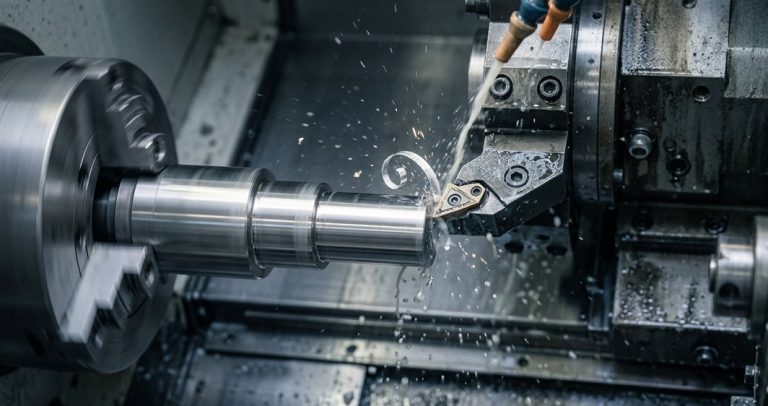
Precision Turning
Turned stainless shafts and fittings, including Swiss turning for slender, high-precision parts that need tight concentricity.
-
3
EDM Machining
EDM machining for hardened or geometrically complex features that cutting tools cannot reach cleanly.
-
4
Grinding & Gears
Tight-tolerance round features are finished by grinding, and gear machining produces stainless gears and shafts in the same workflow.
What Makes Machining Stainless Different
Key factors our engineers control when stainless work-hardens and builds heat at the cutting edge.
-
1
Coated Carbide Tooling
We run AlTiN- and TiAlN-coated carbide tooling to resist the heat stainless generates, instead of reusing tool geometry from an aluminum program.
-
2
Low Cutting Speeds
Turning speeds stay in the 60–100 SFM range, well below the 300+ SFM typical for aluminum, and feed rates are reduced to manage work hardening at the cut.
-
3
Through-Tool Coolant
High-pressure through-tool coolant clears chips and controls heat at the tool tip, extending insert life on 316L runs compared to flood coolant alone.
-
4
Grade-Dependent Tolerance
303 and 304 hold the tighter end consistently; 17-4PH after aging and 2205 duplex run toward the wider end because of work hardening and tool wear.
Stainless Steel Grades Available at DEK
Beyond our core grades, we machine 301, 304L, 15-5, 410, 416, 420, 430, 440C, A286 and Nitronic 60 on request. Open any grade for its specs.
-
Nitronic 60 is a type of stainless steel strengthened with nitrogen throughout its structure, providing enhanced strength across the entire material.Get Price
-
Stainless Steel A286 is a high-strength precipitation-hardening alloy with excellent corrosion resistance, especially at elevated temperatures.Get Price
-
Stainless Steel 440C is a high-carbon chromium steel. It has excellent hardness, wear resistance, and corrosion resistance.Get Price
-
Stainless steel 420 comes in various grades, with the most common ones being 420A, 420B, and 420D. These versions differ in carbon content, affecting their hardness after heat treatment.Get Price
-
Stainless Steel 416 is a martensitic stainless steel known for its excellent machinability— thanks to its sulfur content.Get Price
-
Stainless Steel 304L is a widely used stainless steel alloy known for its corrosion resistance, formability, and weldability.Get Price
-
Stainless Steel 2205 Duplex is a corrosion-resistant alloy made up of chromium, nickel, molybdenum, and manganese.Get Price
-
Stainless Steel 15-5, also known as 15-5 PH, is a martensitic precipitation-hardening stainless steel alloy. It has high strength, good corrosion resistance, and excellent toughness.Get Price
-
316Austenitic Cr-Ni-Mo stainless316 stainless steel machining at DEK covers 316, 316L and 316LVM parts in an austenitic chromium-nickel-molybdenum alloy that resists chloride pitting better than 304. We control its work hardening with sharp carbide tooling, controlled feeds and steady coolant, with full CMM inspection behind every batch.Get Price
-
17-4 PHMartensitic PH stainless steel17-4 PH machining at DEK means cutting in soft Condition A, aging to the hardness your drawing calls for, then finishing only what aging shrinkage disturbs. We hold ±0.005 mm on request, with heat treatment and passivation on the parts we machine, no MOQ and prototypes in 3–5 days.Get Price
-
303Free-machining austenitic303 stainless machining is the fastest way to get an austenitic stainless part off a lathe: sulfur breaks chips short, giving about 78% machinability. DEK turns 303 on CNC and Swiss lathes from 1 mm to 250 mm diameter, with no MOQ and prototypes in 3–5 days.Get Price
-
304Austenitic stainless, 18/8304 stainless steel machining at DEK covers UNS S30400 / DIN 1.4301, the austenitic grade chosen for solid corrosion resistance and easy welding. We machine it on 3-, 4- and 5-axis equipment from single prototypes to production quantities, with no MOQ and prototype lead times as fast as 3 days.Get Price
-
316LStainless Steel 316L is a popular austenitic stainless steel in CNC machining due to its excellent corrosion resistance, high strength, and versatility.Get Price
Stainless Steel vs Tungsten Steel, Inconel or PEEK
When stainless is not the right call: compare it with harder, hotter-running or lighter alternatives. See also 304 vs 316 stainless steel.
| Criteria | This MaterialStainless Steel | Tungsten Steel | Inconel | PEEK |
|---|---|---|---|---|
| Choose it for | Corrosion, hygiene | Hardness | Heat, corrosion | Non-metal |
| Hardness | By grade | Above stainless | – | – |
| Heat | Good (321) | – | Beyond 316L | – |
| Chemicals | High (316L, 2205) | – | Superalloy | Similar |
| Weight | Heavy | – | – | Lighter |
Industries Using Stainless Steel Parts
Stainless steel CNC machining supports sectors where corrosion resistance, hygiene or strength-to-weight cannot be compromised.
-
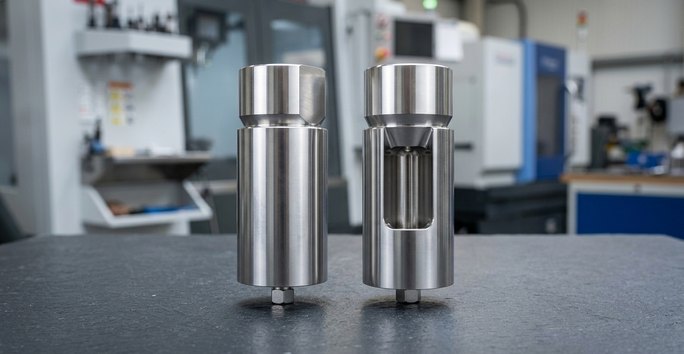 Medical Devices316L for biocompatible, corrosion-resistant instrument and implant components built under ISO 13485.
-
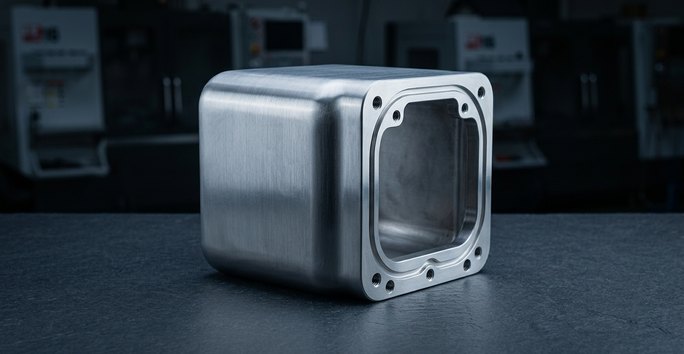 Food & Industrial Equipment304 for hygienic, easy-to-clean housings and process equipment used in food, beverage and industrial lines.
-
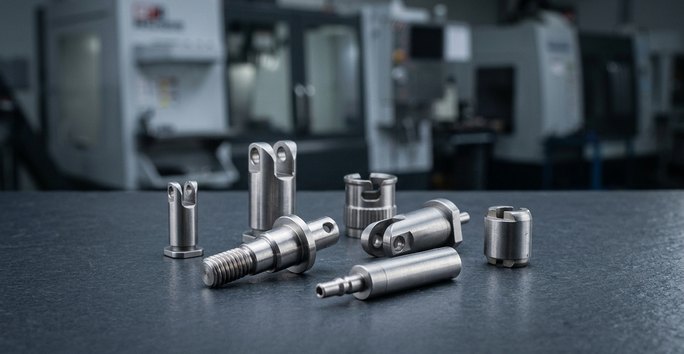 Robotics17-4PH and 303 for high-strength, low-friction structural and motion parts in robotic systems.
-
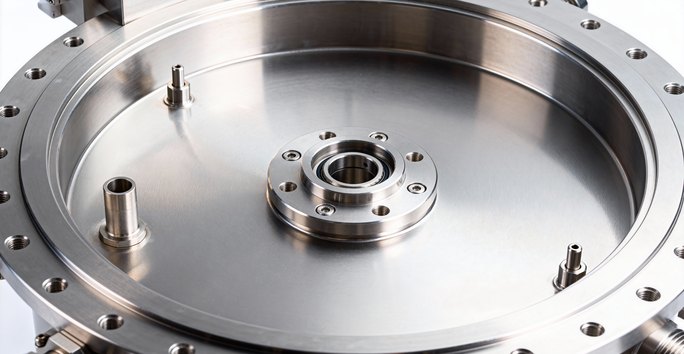 Semiconductor Equipment316L and 2205 duplex for chemical-resistant chamber and fluid-handling components in process tools.
-
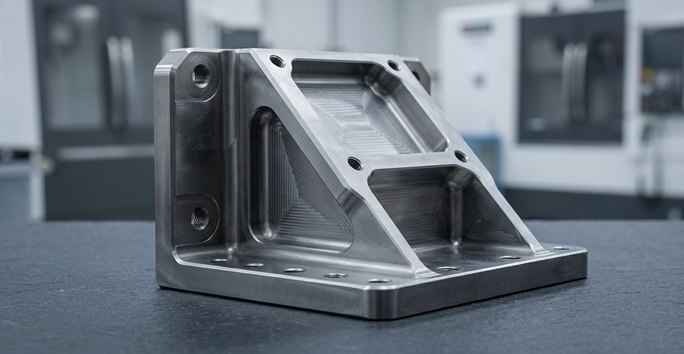 AerospaceA286 and 17-4PH for non-flight-critical structural brackets and cabin hardware under AS9100D.
-
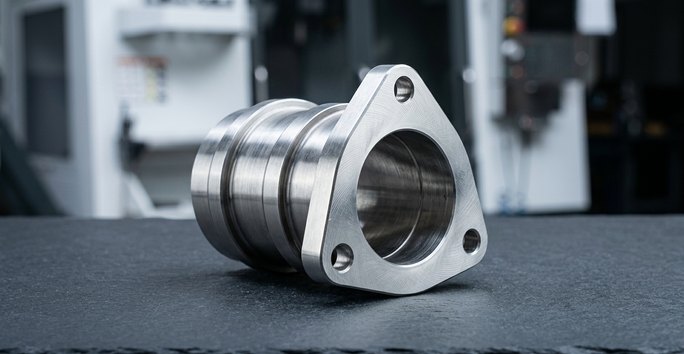 Automotive304 and 430 for exhaust, trim and fastener components where corrosion resistance matters.
Finishing Options for Machined Stainless
Each finish is applied to your CNC machined stainless part. As-machined surfaces typically run 0.4–1.6 μm Ra.
Not sure which finish fits? Compare all finish options
-
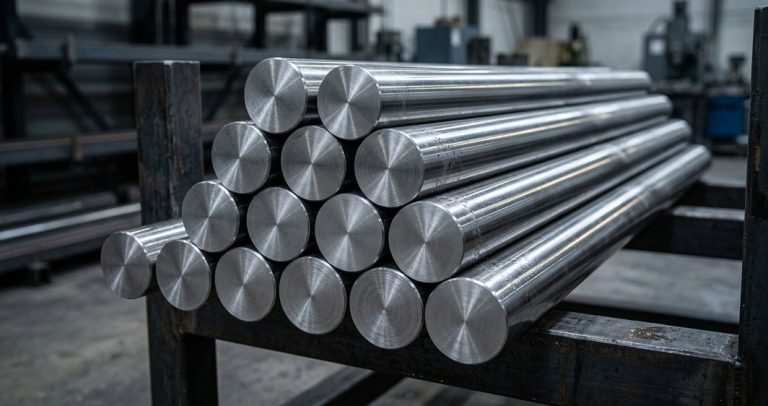 PassivationMost PopularCNC machining + passivation per ASTM A967 to restore the chromium oxide layer after machining.Get a Quote
-
 ElectropolishingMost PopularCNC machining + electropolishing for a smoother, more corrosion-resistant surface, roughly 0.2–0.4 μm Ra.Get a Quote
-
 Bead BlastingMost PopularCNC machining + bead blasting for a uniform matte texture across visible stainless surfaces.Get a Quote
-
 Powder CoatingMost PopularCNC machining + powder coating when the part needs a coating beyond the machined stainless surface.Get a Quote
-
 PlatingMost PopularCNC machining + plating for a functional or decorative coating applied over the machined stainless part.Get a Quote
Frequently Asked Questions
Common questions from engineers and buyers sourcing stainless steel parts.
Other Materials
-
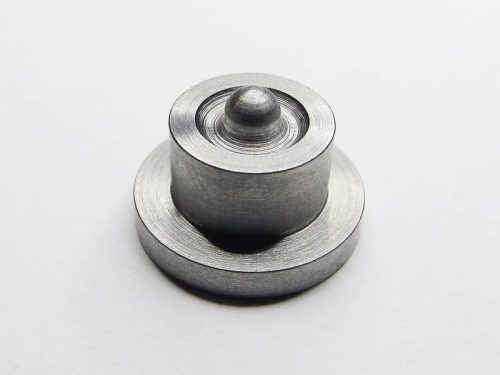 Alloy SteelAlloy steel grades 4140, 4340, 8620, 4130 and A514 for shafts, gears and structural parts that need more fatigue strength than plain carbon steel.Learn More
-
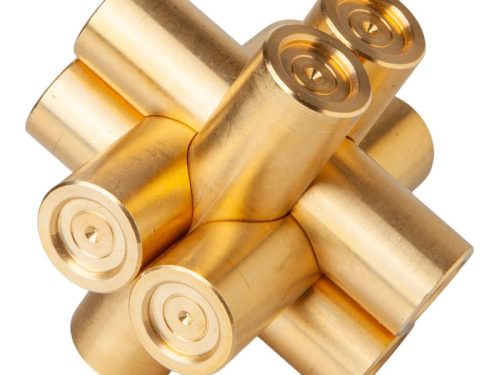 BrassC260, C360 free-cutting brass and Cz121 machined for fittings, valve parts, gears and connectors, from one prototype to production volumes.Learn More
-
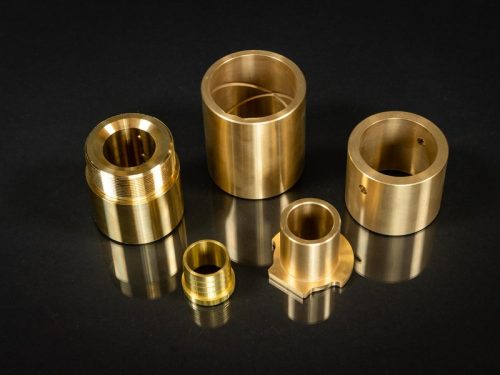 BronzePhosphor bronze C544, sintered C841, bearing bronze 932 and aluminum bronze 954 for bushings, sleeve bearings, gears, connectors and marine fittings.Learn More
-
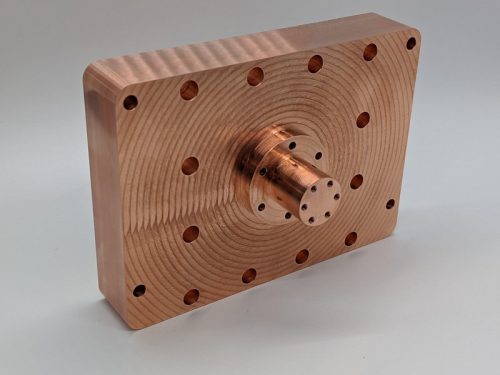 CopperCopper 101 and 110 stocked for waveguides, bus bars, connectors and heat sinks; beryllium and tellurium copper machined on request.Learn More
-
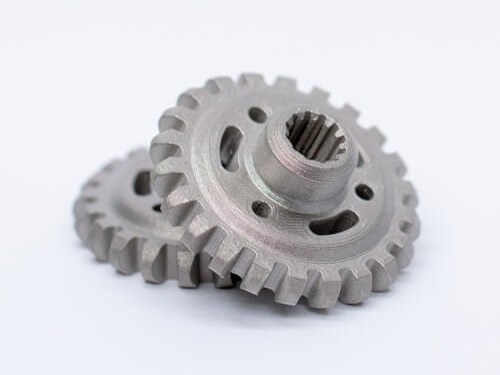 InconelNickel superalloys Inconel 600, 625 and 718, machined for aerospace, energy, medical and industrial parts exposed to heat and corrosive chemistry.Learn More
-
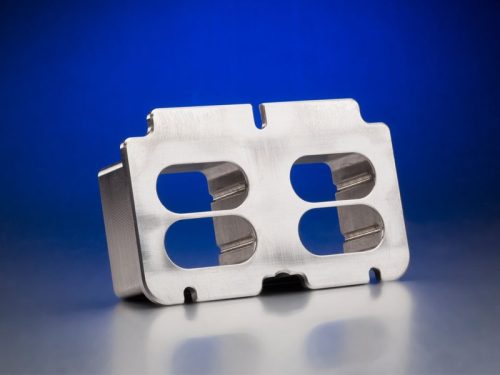 InvarInvar 36 and low-expansion Invar-family alloys, about 1.2 ppm/°C CTE, machined for optics mounts, semiconductor fixtures and measurement tooling.Learn More
-
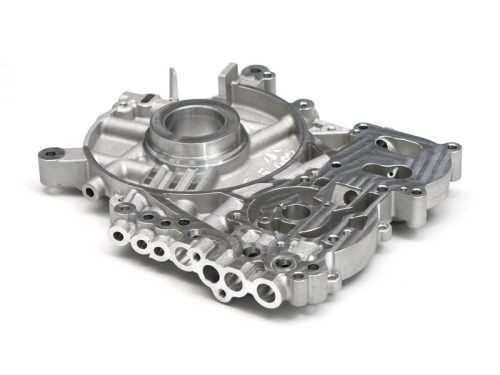 MagnesiumLightest structural metal in production use. AZ31B, AZ61B and AZ91D machined under fire-safe chip and coolant controls for weight-critical parts.Learn More
-
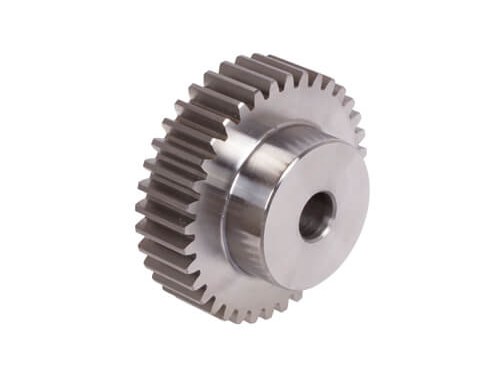 Mild SteelLow-carbon 1018, medium-carbon 1045 and free-machining 1215 and 12L14: cost-effective steel for shafts, brackets, pins, bushings and gears.Learn More
-
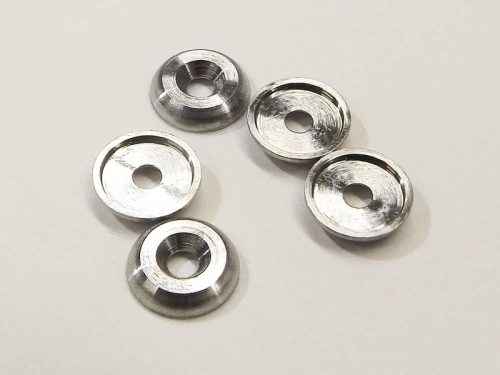 TitaniumGrade 1, Grade 2 and Grade 5 (Ti-6Al-4V) titanium, milled, turned and EDM-cut for aerospace, medical, robotics and semiconductor parts. No MOQ.Learn More
-
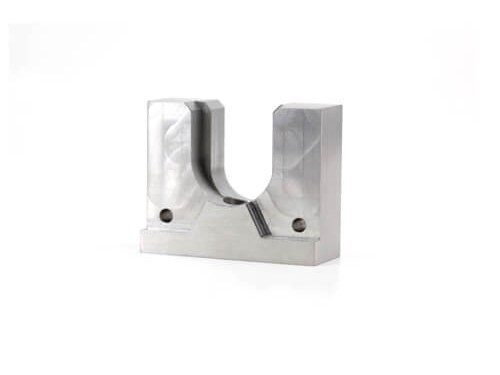 Tool SteelA2, D2, H13, O1, S7 and A3 machined into punches, dies, mold inserts and wear parts, annealed or hardened to 60+ HRC.Learn More
-
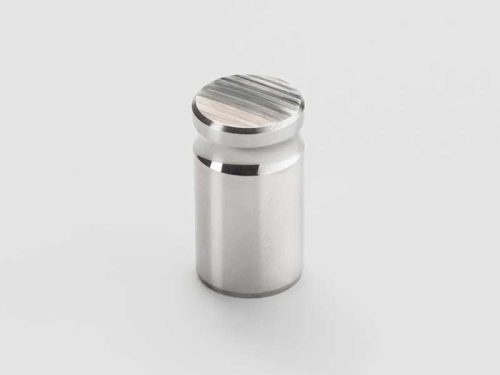 Tungsten SteelTungsten and tungsten carbide grades (YG6, YG8, YG10X, YG15, YL10.2) for wear parts, dies, punches and shielding, milled, turned, EDMed and ground.Learn More
-
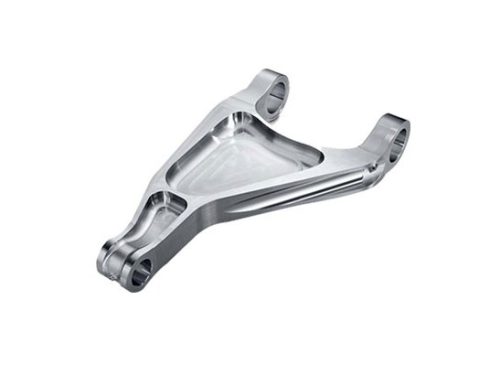 AluminumStocked 6061, 6063, 5083 and 5052 for brackets, housings, marine and fluid-handling parts, held to ±0.005 mm on fit-critical features with no MOQ.Learn More

Ready to Scale Your Project?
Get started with a stable process and controlled quality. Let's discuss your project.