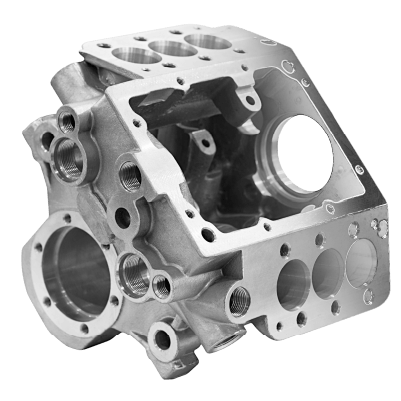









Stainless Steel 316L
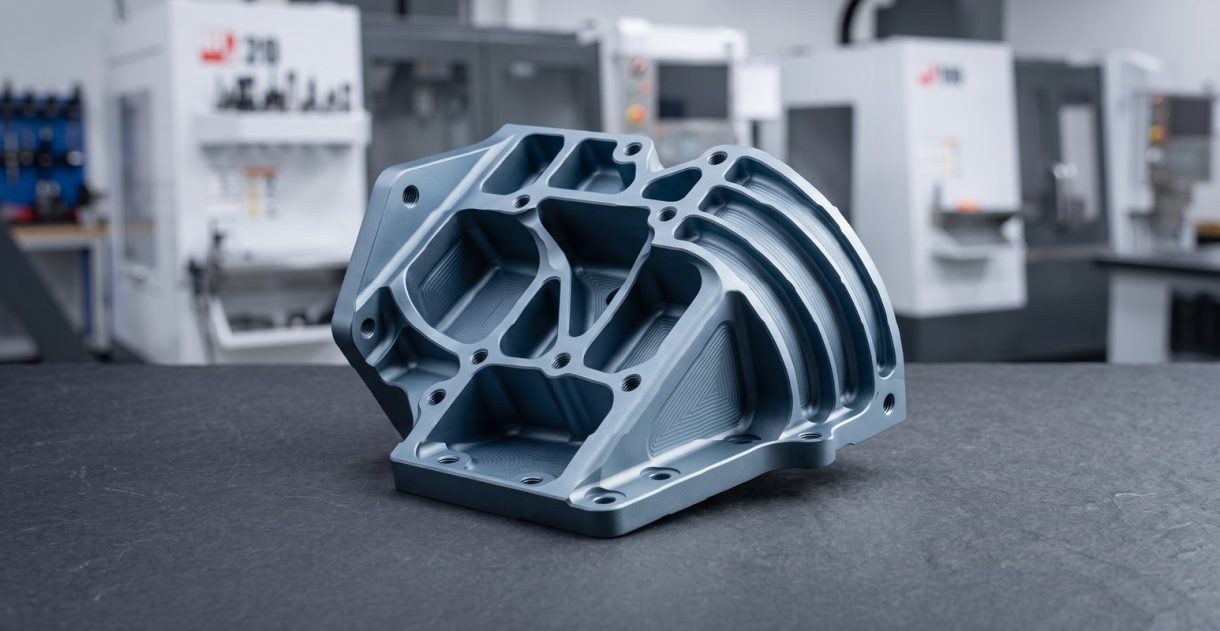
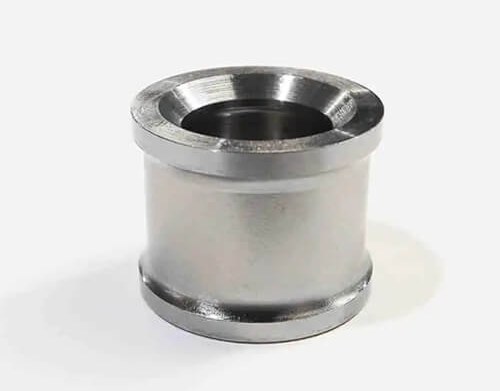
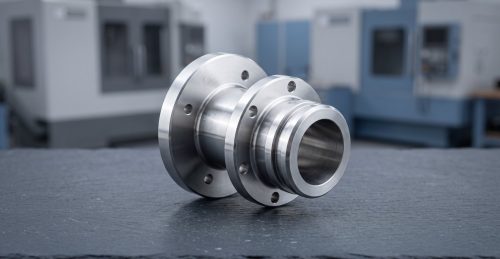
Stainless Steel 316L is a popular austenitic stainless steel in CNC machining due to its excellent corrosion resistance, high strength, and versatility.
-
480-580 MPaUltimate Tensile Strength
-
170-230 MPaYield Strength
-
190-205 GPaYoung's Modulus(Elasticity)
-
40-60 %Elongation at Break
At a Glance
-

Material Type
Metal -

Material Name
Stainless Steel 316L -

Alternative Names
S31603 | 1.4404 | X2CrNiMo17-12-2 -

Process Compatibility
CNC Milling, CNC Turning
Properties Table of Stainless Steel 316L

- Ultimate Tensile Strength 480-580 MPa
- Yield Strength 170-230 MPa
- Young's Modulus(Elasticity) 190-205 GPa
- Elongation at Break 40-60%
- Physical Properties
- Corrosion Resistance Excellent
- Magnetism Non-Magnetic
- UV Resistance Excellent
- Weldability Excellent
- Thermal Properties
- Maximum Service Temperature 750-925 °C
- Thermal Expansion Coefficient 15-16 x 10^-6/°C
- Thermal Conductivity 13-16 W/(m·°C)
- Electrical Properties
- Electrical Resistivity 69-81 μΩ*cm
Applications of Stainless Steel 316L
-
 Chemical processing equipment
-
 Surgical instruments
-
 Food processing equipment
-
 Marine components
-
 Aerospace parts
-
 Heat exchangers
-
 Oil and gas pipelines
-
 Automotive exhaust systems
Advantages of Stainless Steel 316L
Advantages of Stainless Steel 316L
- Excellent corrosion resistance
- High-temperature resistance
- Strength and durability
- Aesthetic appeal
- Low carbon content reduces sensitization during welding
- Biocompatibility
- Ease of fabrication
- Hygienic properties
- Longevity and low maintenance
- Versatility across various industries
-
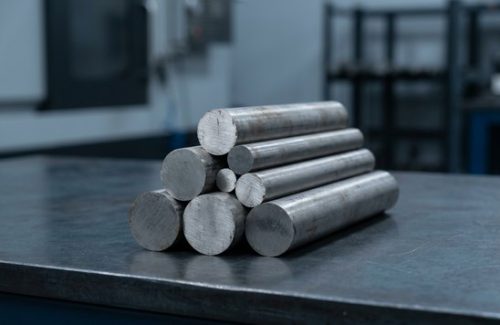 Raw Stock
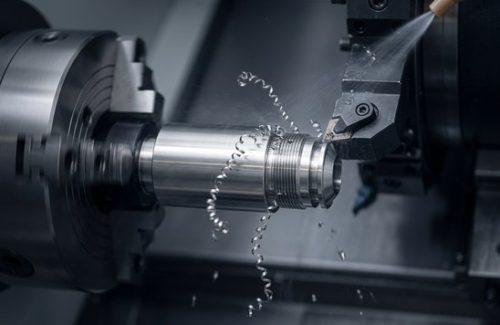 CNC Machined
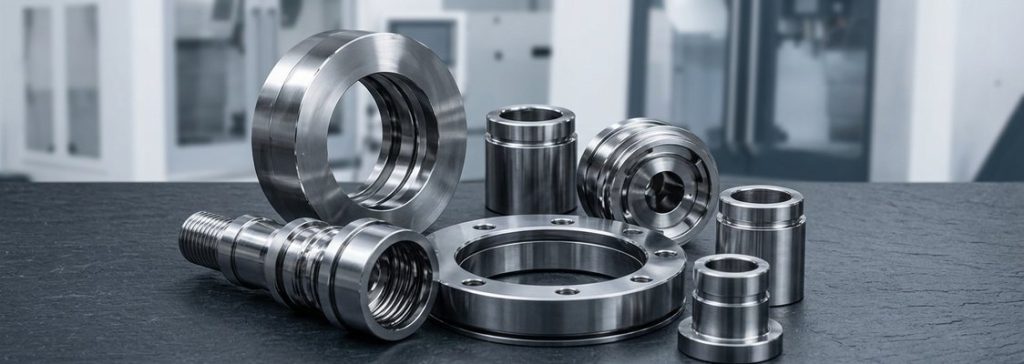 Finished Parts


Stainless Steel 316L — Machining Notes
FAQ
Is 316L Stainless Steel Good for Jewelry?
Yes, 316L stainless steel is an excellent choice for jewelry. It is a corrosion-resistant and durable material that can withstand everyday wear. It is also known for its hypoallergenic properties, making it suitable for people with sensitive skin.
Does 316L Jewelry Tarnish?
Generally, 316L stainless steel is highly resistant to tarnish. It contains chromium, which forms a protective oxide layer on the surface, preventing oxidation and discoloration. However, while it is highly resistant, no material is completely immune to tarnishing under certain extreme conditions. Regular cleaning and care can help maintain its luster.
How Do You Maintain 316L Stainless Steel?
To keep your 316L stainless steel jewelry looking its best, clean it regularly with a soft cloth and mild soap, avoiding harsh chemicals like chlorine. Take it off before swimming, exercising, or activities that could expose it to abrasives or chemicals. Store your jewelry in a cool, dry place away from direct sunlight and other metals to prevent scratches.
Does 316L Stainless Steel Scratch Easily?
While 316L stainless steel is relatively resistant to scratching, it is not completely scratch-proof. Like any metal, it can develop minor scratches over time, especially when in contact with harder materials. To minimize scratches, it's advisable to store your jewelry separately and avoid activities that may subject it to excessive abrasion.
Other Materials
-
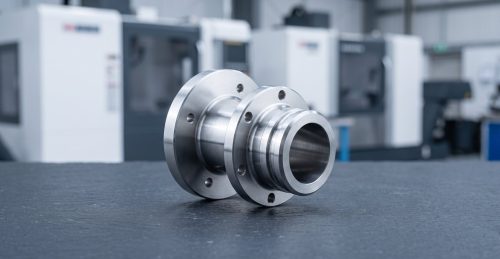 Stainless Steel Nitronic 60Nitronic 60 is a type of stainless steel strengthened with nitrogen throughout its structure, providing enhanced strength across the entire material.Learn More
-
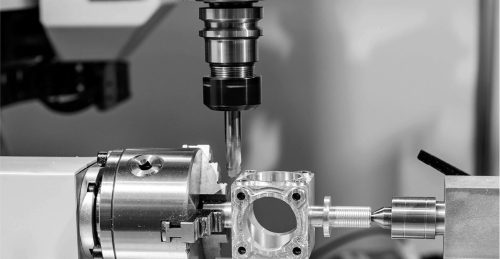 Stainless Steel A286Stainless Steel A286 is a high-strength precipitation-hardening alloy with excellent corrosion resistance, especially at elevated temperatures.Learn More
-
 Stainless Steel 440CStainless Steel 440C is a high-carbon chromium steel. It has excellent hardness, wear resistance, and corrosion resistance.Learn More

Ready to Scale Your Project?
Get started with a stable process and controlled quality. Let's discuss your project.