







Precision EDM Machining Services
DEK's EDM machining services cover wire and sinker EDM to ±0.005 mm, from single prototypes to production with no MOQ. One drawing upload and one engineering review quote both processes.
-
±0.005mm
General Tolerance
-
±0.003mm
Micro Features
-
3 Days
Prototype Lead

Wire EDM Machining and Sinker EDM Services
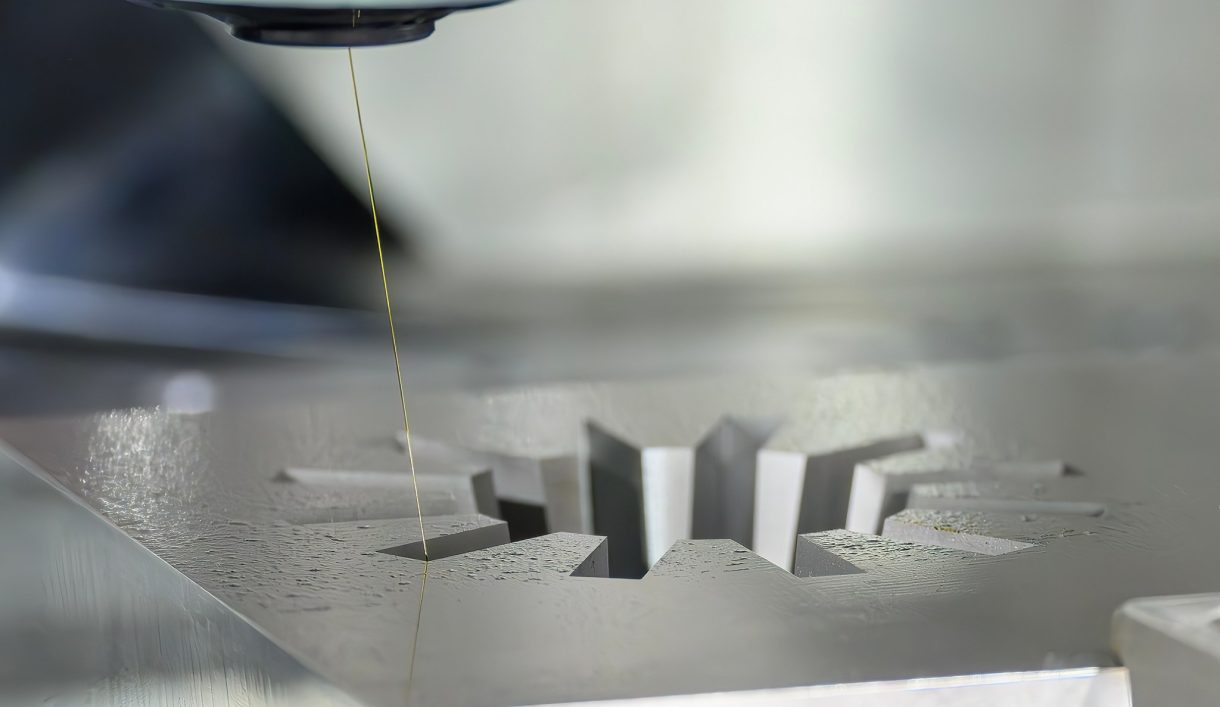
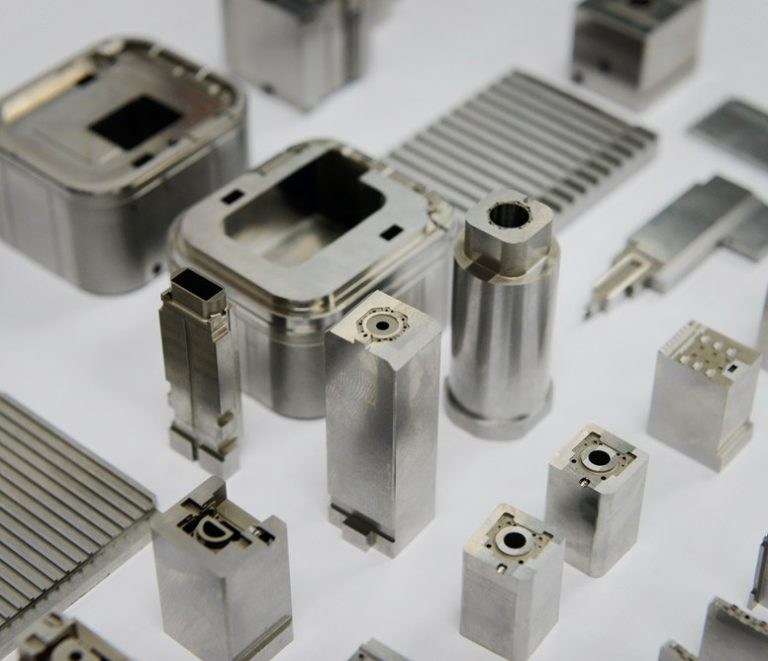
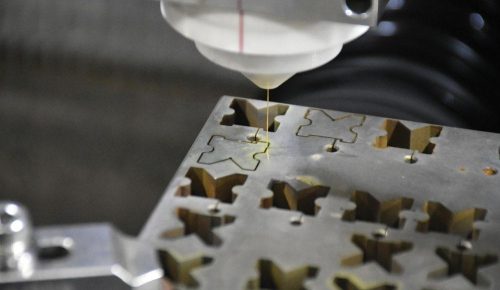
Wire EDM cuts complex 2D and 3D profiles through conductive stock with a continuously fed wire in deionized water, suited to thin walls and sharp internal corners. Sinker EDM plunges a shaped electrode into dielectric fluid to burn 3D cavities, deep pockets and blind features a wire cannot reach.
Sourcing both from two vendors means two drawing reviews, two lead-time clocks and two QC handoffs. At DEK it collapses to one engineering review and one delivery date. The shared spark-erosion mechanism is explained in What is Electrical Discharge Machining.
Why Choose DEK for EDM Machining Services
One shop, one quality system and one quote for wire EDM, sinker EDM and small hole work, from prototype to production.
-

One Supplier, Two Processes
Wire and sinker EDM run in-house on one quote: a single engineering review and one delivery date instead of two vendors and two QC handoffs.
-

Micro-Feature Accuracy
±0.005 mm general tolerance and ±0.003 mm on micro features under 10 mm, with the final value set against your drawing, not quoted blind.
-

No Minimum Order
A single prototype and a production run follow the same quoting path, with prototypes shipping in as fast as 3 days after quote confirmation.
-

Documented Quality
IQC, IPQC, FAI, OQC, SPC and CAPA stages, with in-house CMM inspection and traceability from raw material to shipment.

Engineering Review Included
Every drawing is checked against wire EDM, sinker EDM or both before quoting. Machine, electrode setup, wire diameter and taper are confirmed against your part, since cavity depth and cut length vary by job.


EDM Capability and Specifications
Wire profiles, sinker cavities and small holes on dedicated in-house EDM equipment, with tolerances confirmed during DFM review.
EDM vs. Conventional CNC Machining
Choose EDM when a feature is hardened, blind or too fine for a cutter; features that need no spark erosion run through CNC machining services.
| Criteria | This ProcessEDM Machining | CNC Milling | CNC Turning |
|---|---|---|---|
| Removal method | Spark erosion, no contact | Rotating cutter | Turned on a lathe |
| Best for | Cavities, profiles, fine holes | Features without EDM need | Features without EDM need |
| Deep small holes | 100:1 and beyond | Twist drill limits | Twist drill limits |
| Heat-treated parts | No work hardening | Per material page | Per material page |
| Choose when | Blind cavity, sharp corner | Spark erosion not needed | Spark erosion not needed |
EDM Parts for Demanding Industries
Aerospace, medical device, semiconductor equipment and automotive teams use our EDM for cavities, slots and tooling inserts.
-

Aerospace
-

Medical
-

Automotive
-

Robotics
-

Semiconductor
-

Electronic
-

Telecom
-

Drone & UAV
-

Energy
-

Oil & Gas
-

Marine
-

Industrial Equipment
-

Construction
-

Agriculture
-

Consumer Products
-

Military & Defense
-

Mining
-
 AerospaceNon-flight-critical brackets, cabin hardware and fittings under AS9100D, in 7075 aluminum, Ti-6Al-4V and Inconel 718, with FAI.Learn More
-
 MedicalInstrument shafts, handles and cannulas in 316L stainless, titanium and PEEK under ISO 13485, with lot traceability as standard.Learn More
-
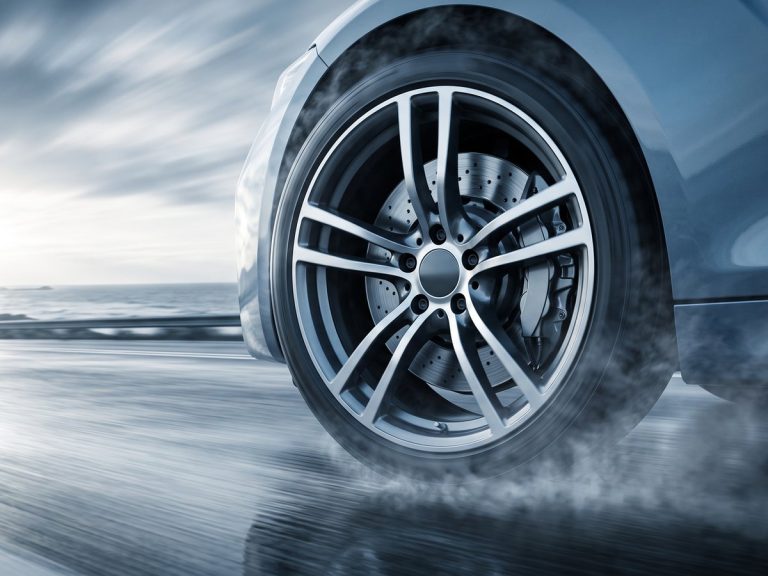 AutomotivePrototype and low-to-mid-volume sensor housings, valve bodies and shafts in aluminum, 4140 and 4340 alloy steel, stainless and brass.Learn More
-
 RoboticsJoint housings, harmonic drive flanges and gripper fingers in aluminum and hardened steel, with 5-axis milling in one setup.Learn More
-
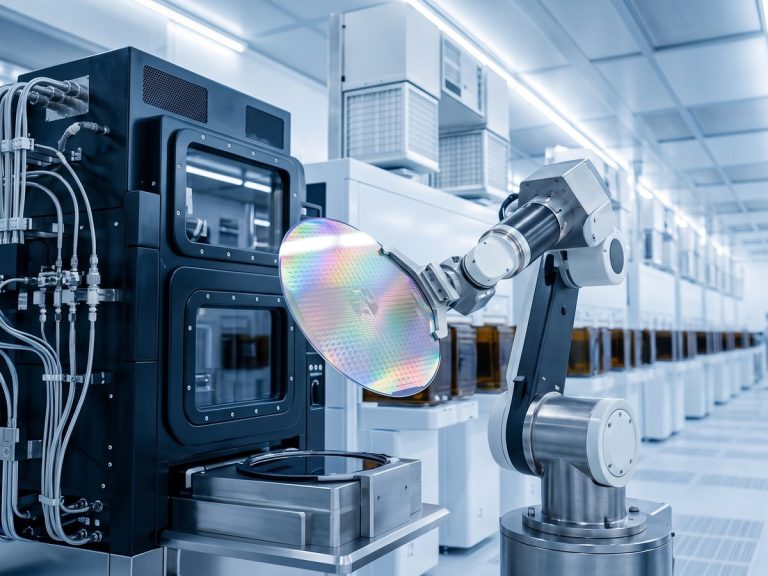 SemiconductorChamber components, wafer handling fixtures and vacuum flanges in 6061 aluminum, 316L, PEEK and Kovar, with burr-free edges.Learn More
-
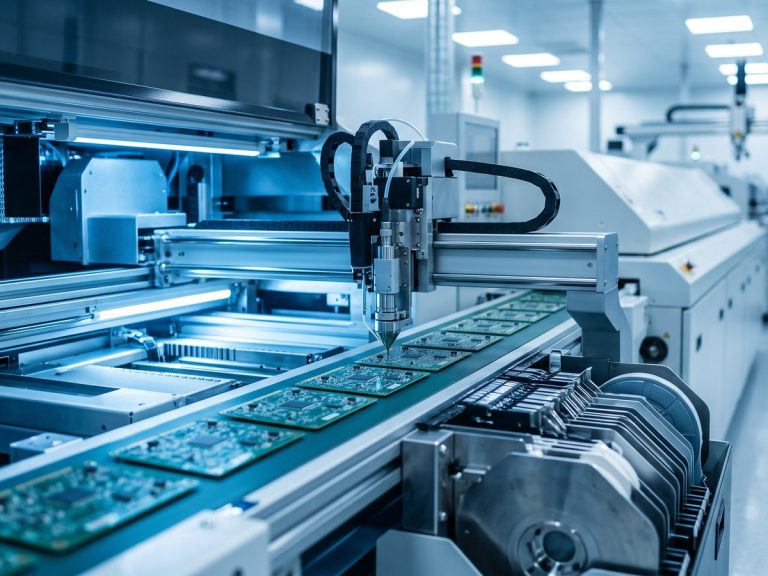 ElectronicConnector bodies, heat sinks, RF shields and precision pins in aluminum, brass and copper, held to ±0.01 mm on contact features.Learn More
-
 TelecomWaveguide components, filter housings and RF enclosures in aluminum and copper alloys, with silver or nickel plating for conductivity.Learn More
-
 Drone & UAVMotor mounts, gimbal frames and landing gear fittings in 7075 aluminum, titanium and magnesium to cut weight without losing stiffness.Learn More
-
 EnergyBattery end plates, busbars, inverter housings and fuel-cell fittings in aluminum, copper and stainless, machined flat and burr-free.Learn More
-
 Oil & GasValve components, manifold blocks, downhole tool parts and flanges in 4140, 17-4 PH, duplex 2205 and Inconel, with hardness specs.Learn More
-
 MarinePropeller shafts, pump parts and deck hardware in 316 stainless, bronze and aluminum bronze, chosen first for corrosion resistance.Learn More
-
 Industrial EquipmentGripper plates, linear guide mounts, cam followers and machine frames in aluminum and steel, with fixtures kept on file for repeats.Learn More
-
 ConstructionStructural brackets, anchoring hardware and hydraulic fittings in mild steel, alloy steel and aluminum, zinc plated or powder coated.Learn More
-
 AgricultureGearbox housings, shafts, sprayer nozzle bodies and sensor mounts in cast iron, steel and stainless for abrasion and moisture.Learn More
-
 Consumer ProductsKnobs, handles, enclosure parts and audio hardware where the machined surface shows, anodized, bead blasted or polished to sample.Learn More
-
 Military & DefenseOptical mounts, enclosures and accessory rails in aluminum, steel and titanium, with material certification and FAI reports.Learn More
-
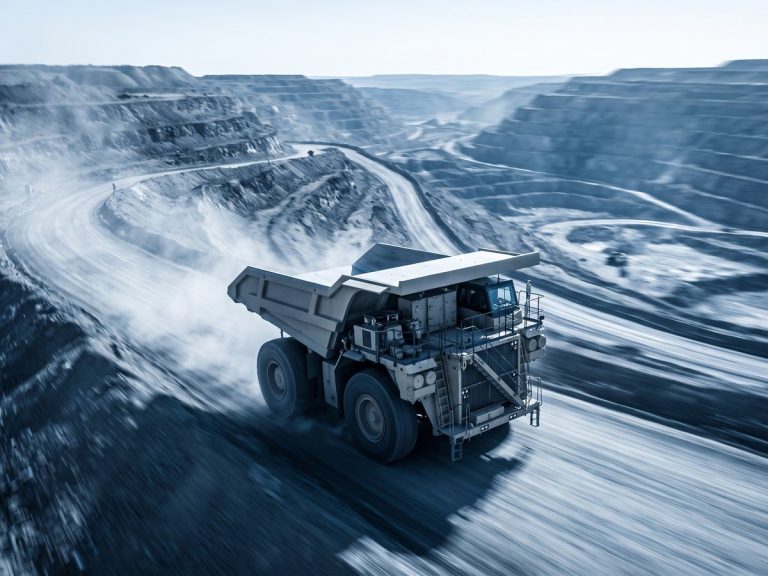 MiningWear plates, bushings, crusher components and hydraulic fittings in hardened alloy steel, bronze and stainless for dust and vibration.Learn More
EDM Features and Challenges We Solve
Spark erosion reaches geometry a cutter cannot: blind cavities, sharp internal corners and deep fine holes in hardened stock.
-

Thin Walls & Sharp Corners
Wire EDM cuts thin walls and sharp internal corners where profile accuracy matters more than cavity depth.
-

Blind Cavities & Pockets
Sinker EDM burns 3D cavities and deep pockets with no through-path, for mold components and dies.
-

Start Holes for Wire EDM
Small hole EDM drills start holes so wire profiles can begin inside closed contours in hardened tool steel.
-

Cooling & Lube Passages
Fine passages in tooling at depth-to-diameter ratios of 100:1 and beyond, without drill wander.
-

Cross-Holes in Swiss Parts
Cross-holes in Swiss-turned medical or aerospace parts, burr-free at the exit.
-
Injector & Nozzle Orifices
Precise orifices of about 0.2–3 mm diameter in carbide, titanium and Inconel using a rotating hollow electrode.
Common Challenges We Handle
-
Electrode Wear
Electrode wear on deep sinker cavities is the usual tolerance limit, so the final value is set against your drawing during review.
-
Wire Deflection
Wire deflection on tall thin walls is assessed per job, with wire diameter sized to cut length and corner radius required.
-
Heat-Treated Parts
The electrode never touches the workpiece: no work hardening around holes, which matters when the part is already heat-treated.
-
Hard-to-Cut Alloys
Hardened tool steel, tungsten carbide and Inconel 718 erode at the same accuracy as softer conductive metals.
Certified EDM Quality Control
IQC, IPQC, FAI, OQC, SPC and CAPA stages, with in-house CMM inspection and full traceability.
-
 AS9100D
Aerospace Quality Management System
-
 ISO 9001:2015
Quality Management Standard
-
 ISO 13485
Medical Devices Quality Management
Metals for EDM and CNC Machining
EDM works on conductive metals, part of a 50+ metal and engineering plastic portfolio. Pick the alloy that fits your part.
Need another conductive alloy? Browse all materials
View All MetalsHow to Get an EDM Machining Quote
EDM Machining FAQs
Lead times, tolerance checks and EDM types, answered by our engineers.
Request an EDM Machining Quote
Upload your drawing with material and tolerance callouts. An engineer checks it against wire, sinker or both before quoting.
- Wire and sinker EDM on one quote
- Prototypes in as fast as 3 days
- ±0.005 mm general, ±0.003 mm micro
- No minimum order quantity
- CMM inspection with full traceability

Ready to Scale Your Project?
Get started with a stable process and controlled quality. Let's discuss your project.