







Carbon Steel Machining
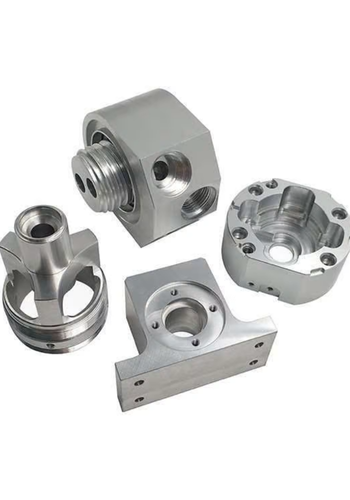
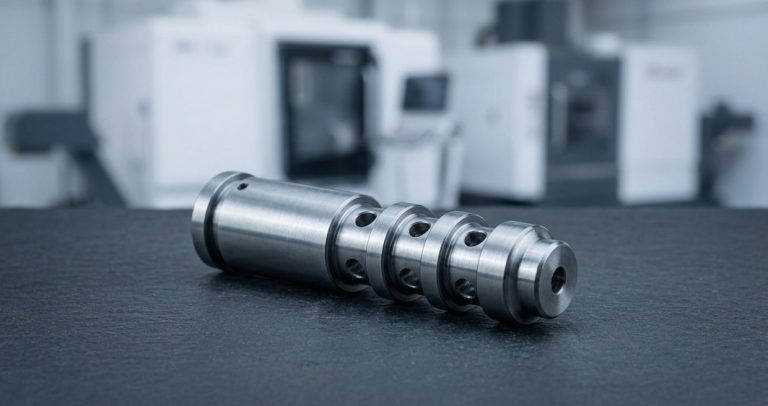
DEK delivers carbon steel machining in 1018, 1045, 1215 and 12L14 to ±0.005 mm on CNC mills, lathes and Swiss-type turning centers. Our sweet spot: Swiss-turned free-machining grades for small, high-precision parts.
-
±0.005mm
General Tolerance
-
3 days
Prototype Lead Time
-
No MOQ
From a Single Part

Why Choose DEK for Carbon Steel Machining
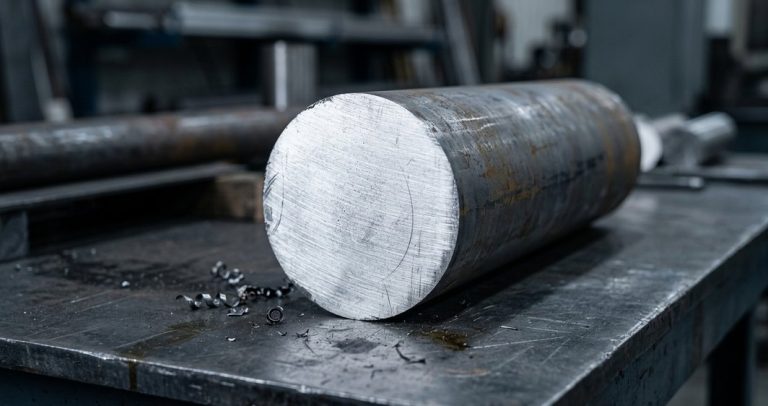
Mild steel is simply the trade term for low-carbon grades, so a drawing calling out “mild steel” or “carbon steel” lands here. Carbon steel costs less and cuts faster than alloy steel, which makes it the default for general-strength parts.
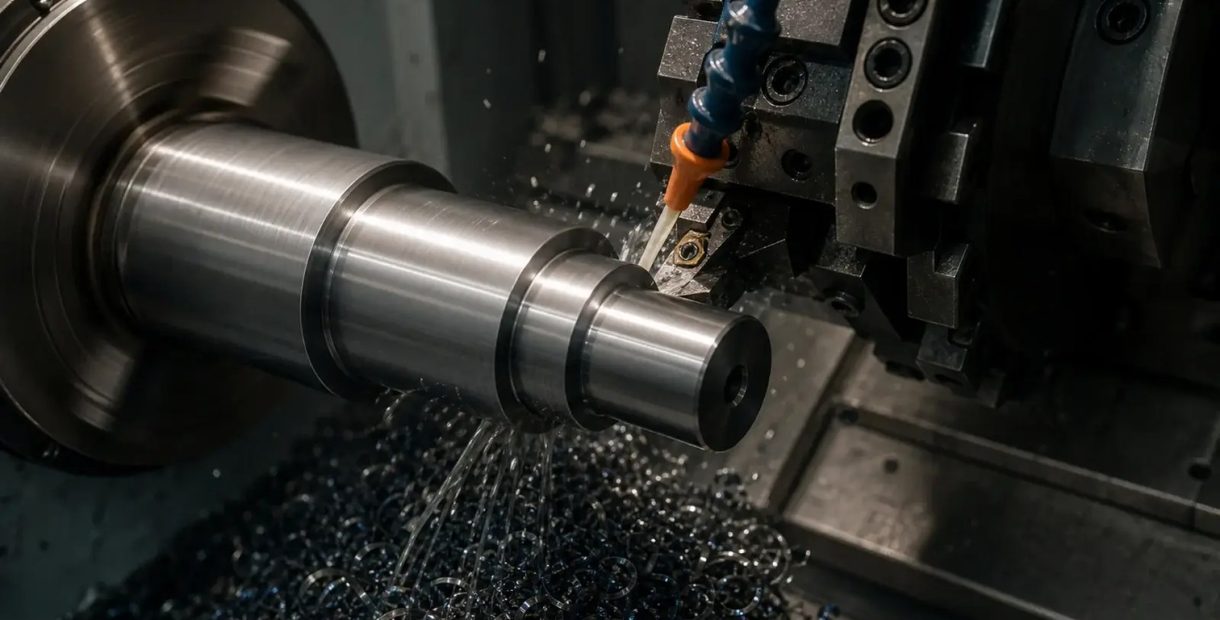
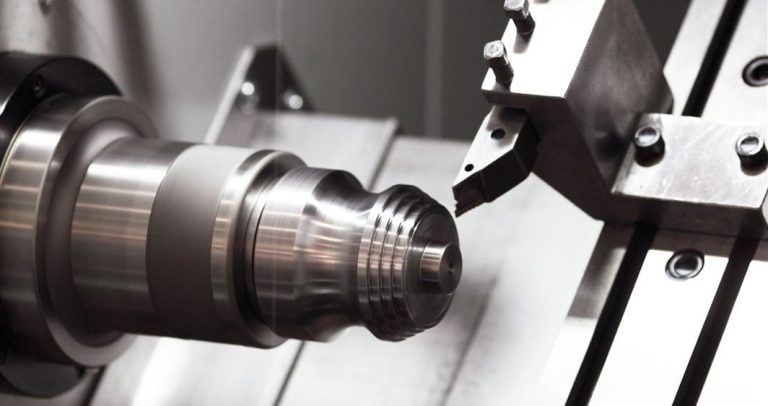
We run 3-, 4- and 5-axis CNC milling, CNC and Swiss-type turning (our sweet spot for 1215 and 12L14), EDM, grinding and tapping. A single prototype in 1018 or 1045 ships as fast as 3 days, and the same process scales into production without re-quoting.
-

±0.005 mm on general features
-

1.2M+ critical parts machined a year
-

98.6%+ on-time delivery rate
-

ISO 9001, AS9100D, ISO 13485 via TUV
Carbon Steel Grades We Machine
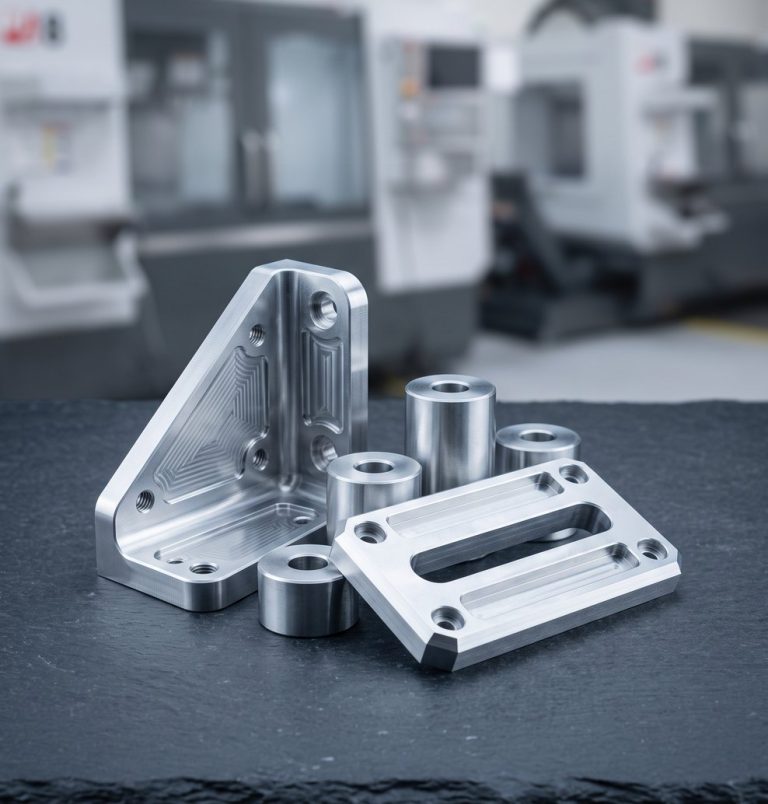
Three grade groups cover most custom carbon steel parts, from ductile low-carbon stock to leaded and resulfurized free-machining bar.
-

1018
~440 MPa (cold-drawn), ~126 HB1018 carbon steel machining suits general shafts, brackets and pins; machinability ~78%.
-

1045
~565–625 MPa, ~170–200 HB1045 carbon steel machining for gears, axles and higher-strength shafts; bar and plate.
-

1215 / 12L14
~136% / ~170% machinabilityResulfurized 1215 and leaded 12L14, ~150 HB, for bushings, fittings and screw-machine parts. See 12L14 machining.
-
±0.003mm
Sub-10 mm micro parts
-
±0.01mm
5-axis profile control
-
~1000 mm
Size envelope
Precision Carbon Steel CNC Machining
Each carbon steel part goes to the process that fits its geometry, from prismatic milled blocks to small-diameter Swiss-turned components.
-
1
Multi-Axis Milling
Pockets, flat faces and complex profiles on prismatic parts across 3-, 4- and 5-axis centers, with ±0.01 mm profile control on contoured geometry.
-
2
CNC & Swiss Turning
Round, shaft-like parts on CNC lathes, with tight OD tolerances on small diameters through Swiss-type turning.
-
3
Drilling, Tapping & EDM
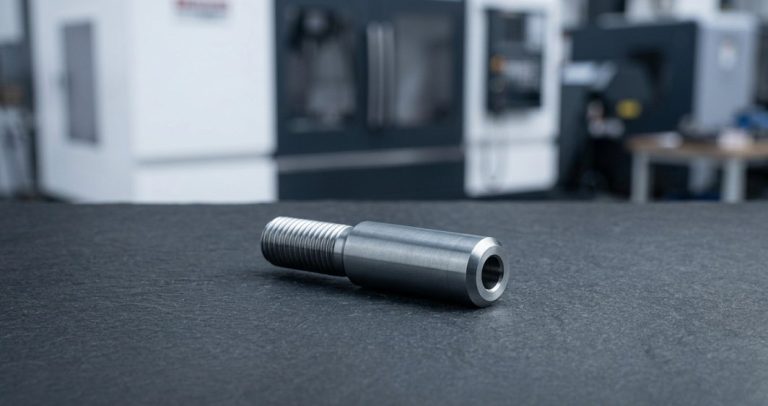
Threaded holes tapped in the same setup, no secondary operation; slots, internal corners and hardened features cut by EDM machining.
-
4
Cylindrical Grinding
Shaft and pin ODs ground to sub-0.005 mm roundness with cylindrical grinding after turning.
DFM Considerations for Carbon Steel
Four issues our engineers flag before cutting carbon steel, so grade, tooling and sequence match the print.
-
1
1018 Gums Up Under Light Cuts
Low carbon and ductility cause built-up edge on finish passes; sharp coated tooling and higher feed rates keep the surface clean.
-
2
12L14 Raises Compliance Flags
Its lead additive can rule it out for medical implant contact and some RoHS/REACH-restricted applications. Confirm end-use before you specify it.
-
3
Distortion After Hardening
Hold rough stock oversize before heat treatment, then finish-machine or grind critical dimensions afterward to compensate for warp.
-
4
Rougher Finish on Resulfurized
1215 and 12L14 finish rougher than 1018. If the print calls for a fine surface finish, flag it early so we set grade and cutting parameters.
Carbon and Mild Steel Grades We Machine
Detailed pages for 1018, 1045, 1215 and 12L14 plus structural mild steel grades, each with properties, applications and quote options.
-
Mild Steel S355J2 is a low-carbon structural steel with excellent weldability and machinability.Get Price
-
45% carbon content. It has good strength, toughness, and wear resistance.Get Price
-
Mild Steel 1018, known as low-carbon steel, can be easily drilled, turned, milled, and tapped.Get Price
-
Carbon Steel 12L14 is a type of carbon steel with improved machinability. It is also known as "Free Machining Steel” and the fastest machining bar product.Get Price
-
1215 Steel is a type of CNC steel known for its chemical composition containing sulfur, iron, phosphorous, carbon, and manganese. Due to its high sulfur content, it is recognized as free-machining steel.Get Price
Carbon Steel vs Alloy Steel: Which Should You Choose?
Carbon steel is the default for general-strength parts; alloy steel earns its cost where hardenability matters. Full trade-off in alloy steel vs carbon steel.
| Criteria | This MaterialCarbon Steel | Alloy Steel |
|---|---|---|
| Choose it for | General-strength parts | Gears, tooling |
| Cost | Lower | Higher |
| Cutting speed | Cuts faster | – |
| Alloying | Plain carbon | Cr, Mo or Ni added |
| Hardenability | – | Higher |
| Typical grades | 1018, 1045, 12L14 | 4140, 4340 |
Where Custom Carbon Steel Parts Are Used
Carbon steel goes where cost control and strength matter more than corrosion resistance, from drivetrains to production-line fixtures.
-
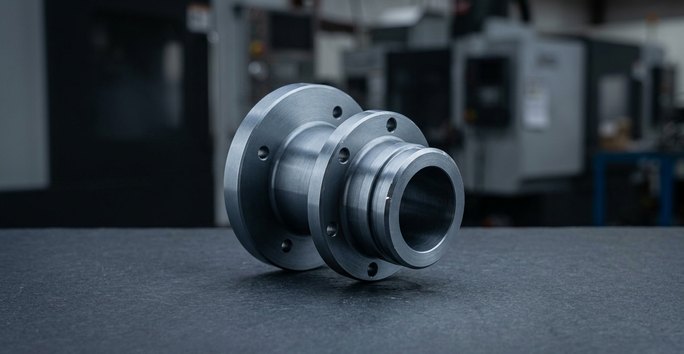 AutomotiveBrackets, linkage components and drivetrain hardware where cost control outweighs corrosion resistance.
-
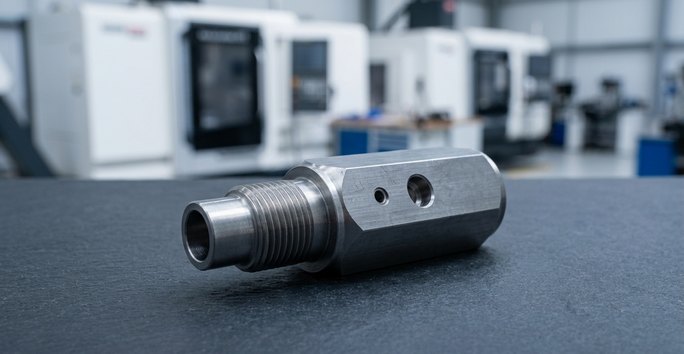 Industrial EquipmentMachine bases, structural brackets and mounting hardware for automated production lines.
-
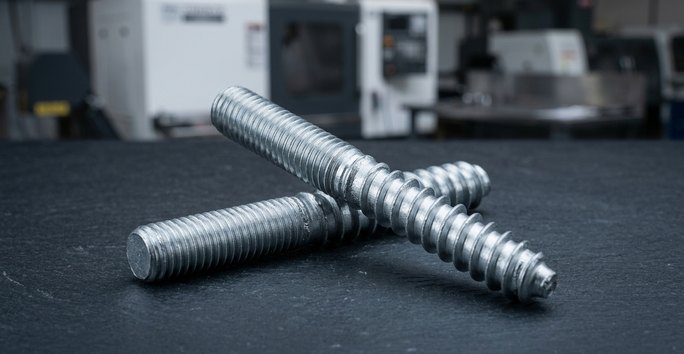 Fasteners & ToolingBolts, pins and studs machined to spec, plus jigs, fixtures and low-wear tooling parts that do not need hardened alloy steel.
Surface Finishing for Carbon Steel Parts
Bare carbon steel rusts faster than stainless; a CNC machining + finish callout matched to indoor, outdoor or washdown use resolves it.
Need another finish? See all CNC machining + finish options
-
 Zinc PlatingMost Popular5–25 µm layer with 96–200 hrs salt-spray (ASTM B117) resistance for general rust prevention on fasteners and hardware.Get a Quote
-
 Black OxideMost PopularUnder 1 µm, 12–24 hrs salt spray with oil: light corrosion resistance and a low-glare finish on machined parts.Get a Quote
-
 Phosphate CoatingMost Popular2–15 µm, 12–100 hrs salt spray with oil; a paint and primer base with light rust protection.Get a Quote
-
 Powder CoatMost Popular60–120 µm, 500–1000+ hrs salt spray: heavy-duty corrosion resistance with a color finish.Get a Quote
Carbon Steel Machining FAQ
Answers on rust protection, heat treatment and tolerances for machined carbon steel parts.
Other Materials
-
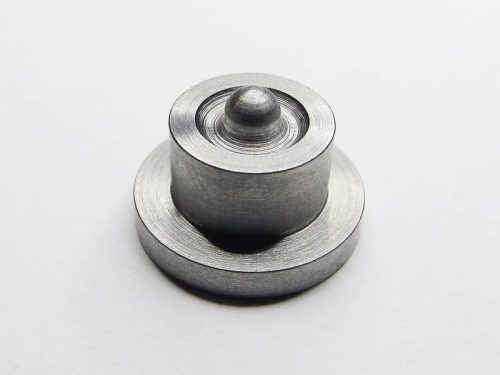 Alloy SteelAlloy steel grades 4140, 4340, 8620, 4130 and A514 for shafts, gears and structural parts that need more fatigue strength than plain carbon steel.Learn More
-
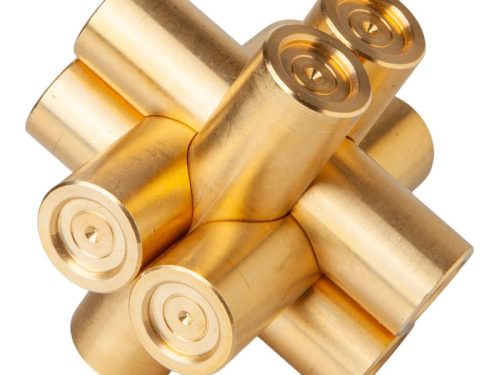 BrassC260, C360 free-cutting brass and Cz121 machined for fittings, valve parts, gears and connectors, from one prototype to production volumes.Learn More
-
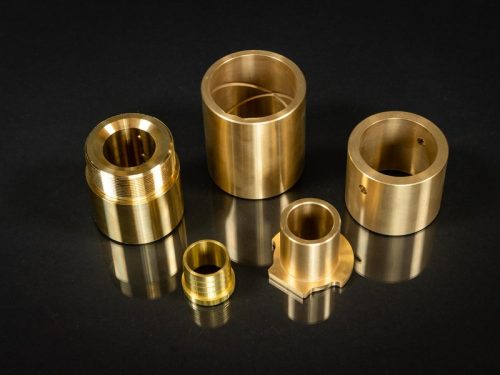 BronzePhosphor bronze C544, sintered C841, bearing bronze 932 and aluminum bronze 954 for bushings, sleeve bearings, gears, connectors and marine fittings.Learn More
-
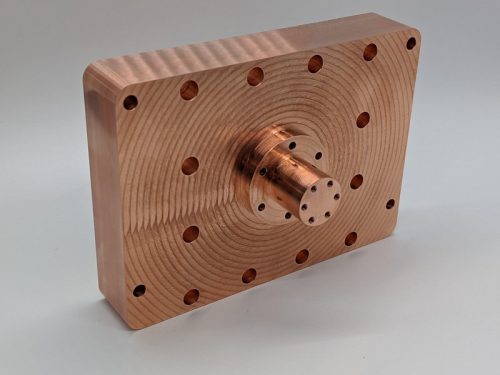 CopperCopper 101 and 110 stocked for waveguides, bus bars, connectors and heat sinks; beryllium and tellurium copper machined on request.Learn More
-
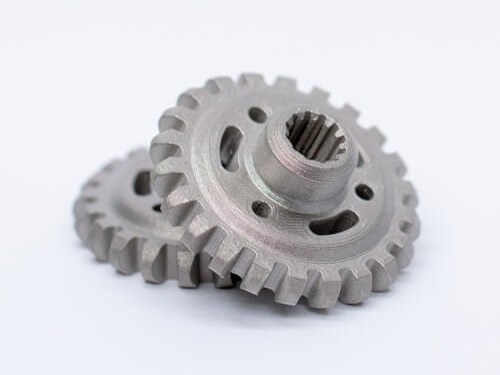 InconelNickel superalloys Inconel 600, 625 and 718, machined for aerospace, energy, medical and industrial parts exposed to heat and corrosive chemistry.Learn More
-
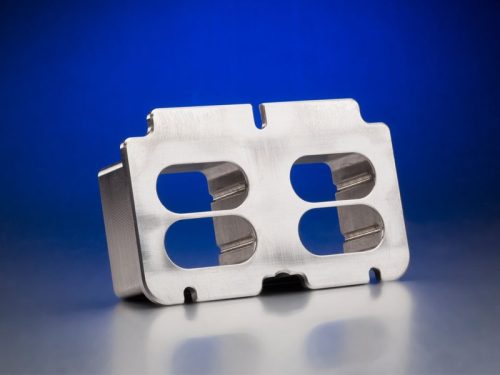 InvarInvar 36 and low-expansion Invar-family alloys, about 1.2 ppm/°C CTE, machined for optics mounts, semiconductor fixtures and measurement tooling.Learn More
-
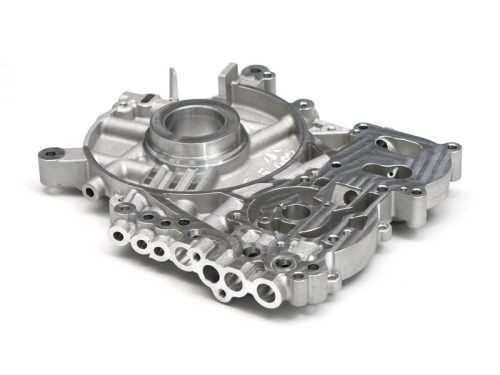 MagnesiumLightest structural metal in production use. AZ31B, AZ61B and AZ91D machined under fire-safe chip and coolant controls for weight-critical parts.Learn More
-
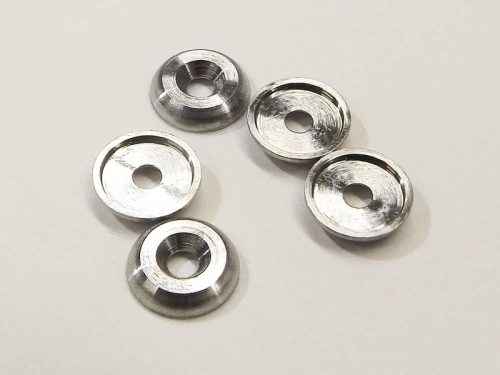 TitaniumGrade 1, Grade 2 and Grade 5 (Ti-6Al-4V) titanium, milled, turned and EDM-cut for aerospace, medical, robotics and semiconductor parts. No MOQ.Learn More
-
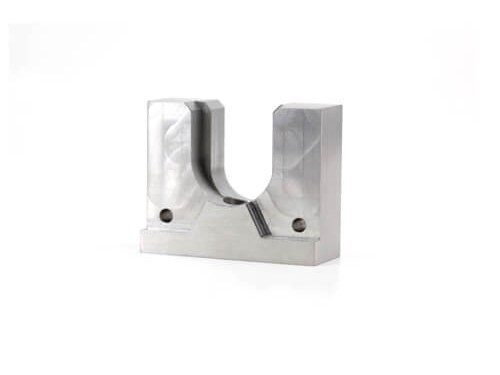 Tool SteelA2, D2, H13, O1, S7 and A3 machined into punches, dies, mold inserts and wear parts, annealed or hardened to 60+ HRC.Learn More
-
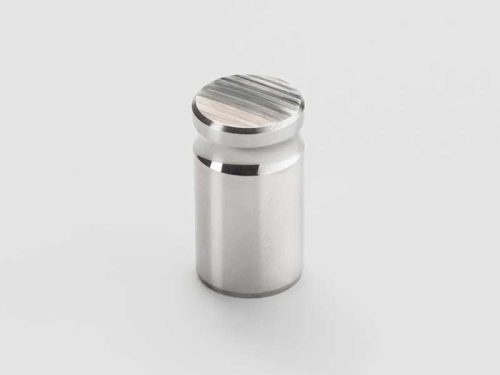 Tungsten SteelTungsten and tungsten carbide grades (YG6, YG8, YG10X, YG15, YL10.2) for wear parts, dies, punches and shielding, milled, turned, EDMed and ground.Learn More
-
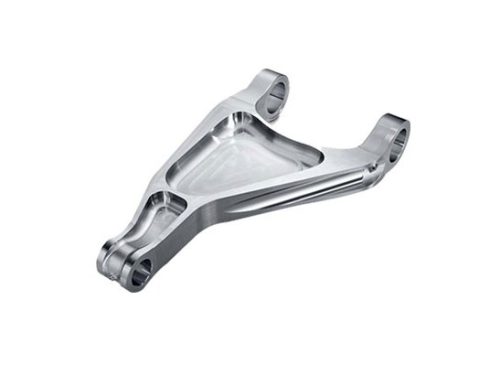 AluminumStocked 6061, 6063, 5083 and 5052 for brackets, housings, marine and fluid-handling parts, held to ±0.005 mm on fit-critical features with no MOQ.Learn More
-
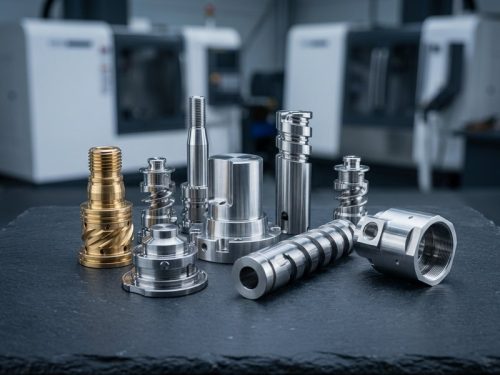 Stainless Steel303, 304, 316L, 17-4PH and 2205 duplex machined for medical, robotics, semiconductor and aerospace parts, from one prototype to production, ±0.005 mm.Learn More

Ready to Scale Your Project?
Get started with a stable process and controlled quality. Let's discuss your project.