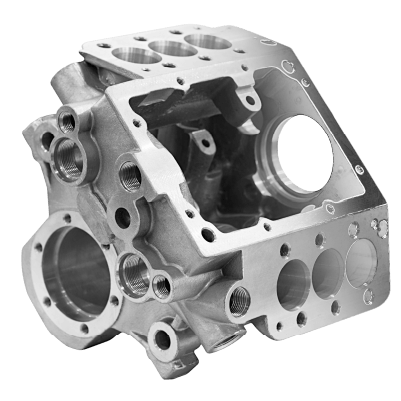









Carbon Steel 1215
1215 Steel is a type of CNC steel known for its chemical composition containing sulfur, iron, phosphorous, carbon, and manganese. Due to its high sulfur content, it is recognized as free-machining steel.
-
550 MPaUltimate Tensile Strength
-
480 MPaYield Strength
-
200 GPaYoung's Modulus(Elasticity)
-
10 %Elongation at Break
At a Glance
-

Material Type
Metal -

Material Name
Carbon Steel 1215 -

Alternative Names
G12150 | 1.0715 -

Process Compatibility
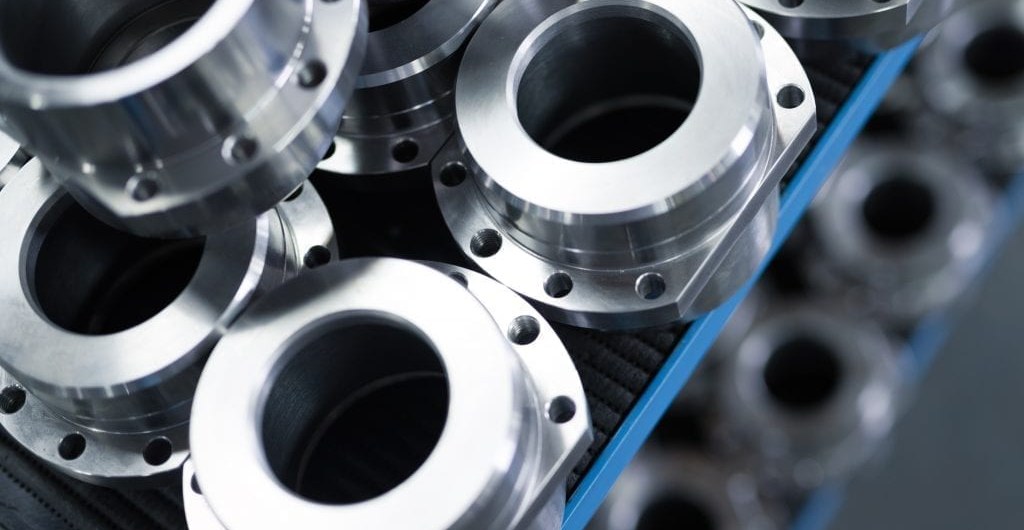
CNC Milling, CNC Turning
Properties Table of Carbon Steel 1215

- Ultimate Tensile Strength 550 MPa(80,000 psi)
- Yield Strength 480 MPa(70,000 psi)
- Young's Modulus(Elasticity) 200 GPa(29 x 10^6 psi)
- Elongation at Break 10%
- Physical Properties
- Corrosion Resistance Limited corrosion resistance, susceptible to rust
- Magnetism Generally magnetic
- UV Resistance Limited UV resistance
- Weldability Good weldability with proper precautions
- Thermal Properties
- Maximum Service Temperature Around 250°C(482°F)
- Thermal Expansion Coefficient 11.5 x 10^-6/°C
- Thermal Conductivity 49 W/(m·K)
- Electrical Properties
- Electrical Resistivity 2.15 x 10^-7 ohm-meter
- ESD Safety Carbon Steel 1215 is a conductor, so ESD safety is generally good
Applications of Carbon Steel 1215
-
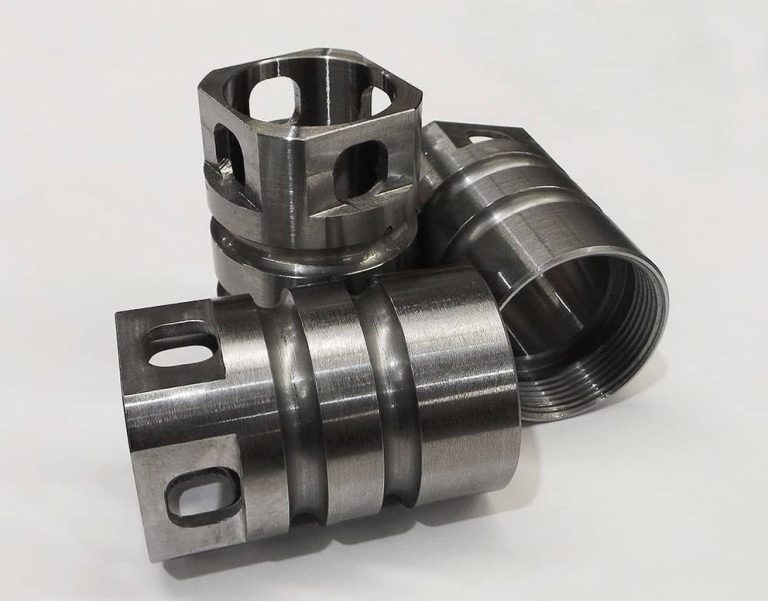
 Automotive bushings
-
 Fasteners (bolts, screws)
-
 Shafts and axles
-
 Precision gears
-
 Hydraulic fittings
-
 Pins and dowels
-
 Instrument levers
Advantages of Carbon Steel 1215
Advantages of Carbon Steel 1215
- Excellent machinability
- Improved tool life
- Consistent and predictable machining
- Cost-effective for high-volume production
- Good surface finish
- Weldable with proper techniques
- Suitable for small precision parts
-
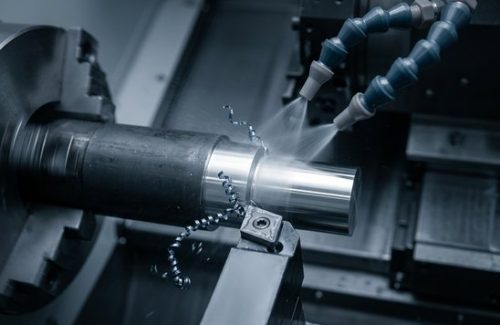
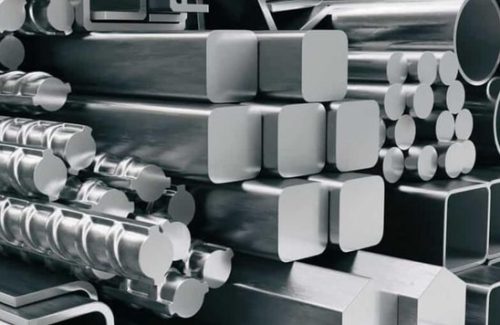 Raw Stock
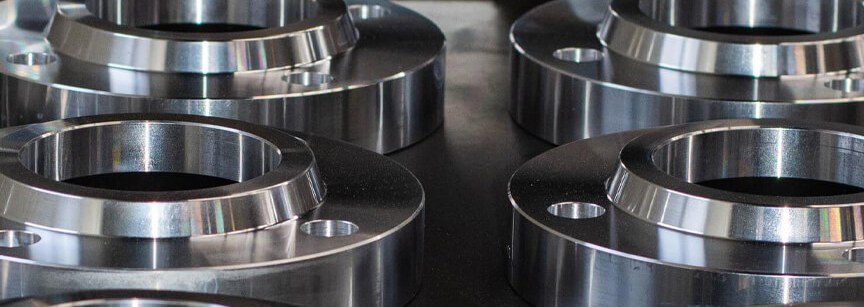
 CNC Machined
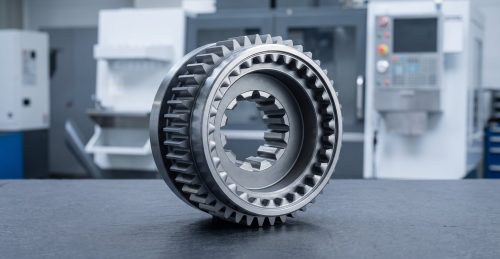
 Finished Parts


Carbon Steel 1215 — Machining Notes
FAQ
Can you weld 1215 carbon steel?
Welding 1215 carbon steel can be challenging due to its higher sulfur content, leading to issues like hot cracking during welding. Preheating and careful selection of welding processes and consumables are recommended.
Can 1215 steel be heat-treated?
1215 steel is not typically subjected to heat treatment as it is designed to be free-machining. The addition of sulfur in 1215 improves machinability but makes heat treatment less effective. The steel is often used in its as-rolled or as-drawn condition.
What is the difference between 1215 steel and 1144 steel?
1144 steel contains higher sulfur content than 1215, which provides better machinability but can result in lower ductility. 1144 steel undergoes stress relief annealing after machining, enhancing its mechanical properties and dimensional stability.
What is the difference between 1018 and 1215 steel?
1018 steel is a low-carbon steel known for its favorable weldability, forming, and machining characteristics. Meanwhile, 1215 steel, also low-carbon, is enhanced with added sulfur to improve machinability. However, this sulfur content diminishes its suitability for welding.
Other Materials
-
 Mild Steel S355J2Mild Steel S355J2 is a low-carbon structural steel with excellent weldability and machinability.Learn More
-
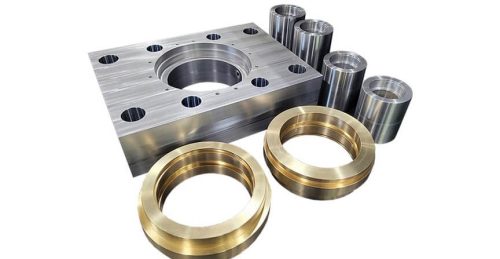 Mild Steel 104545% carbon content. It has good strength, toughness, and wear resistance.Learn More
-
 Mild Steel 1018Mild Steel 1018, known as low-carbon steel, can be easily drilled, turned, milled, and tapped.Learn More

Ready to Scale Your Project?
Get started with a stable process and controlled quality. Let's discuss your project.