









Mild Steel 1018
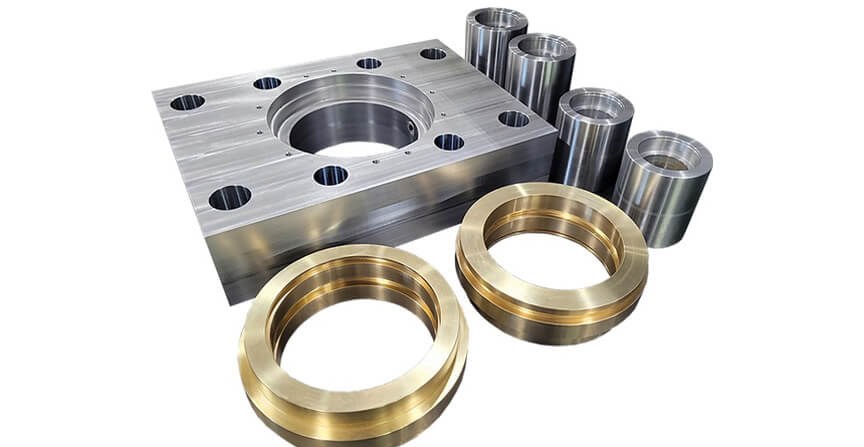
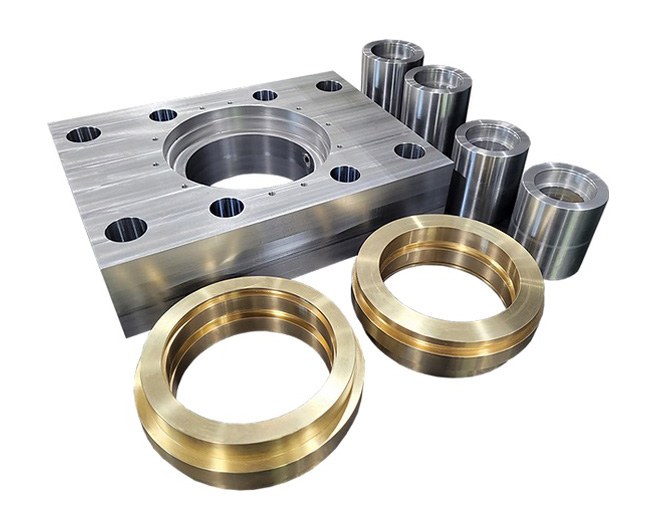
Mild Steel 1018, known as low-carbon steel, can be easily drilled, turned, milled, and tapped.
-
380-450 MPaUltimate Tensile Strength
-
220-350 MPaYield Strength
-
190-205 GPaYoung's Modulus(Elasticity)
-
13-25 %Elongation at Break
At a Glance
-

Material Type
Metal -

Material Name
Mild Steel 1018 -

Alternative Names
G10180 | AISI 1018 -

Process Compatibility
CNC Milling, CNC Turning
Properties Table of Mild Steel 1018

- Ultimate Tensile Strength 380-450 MPa
- Yield Strength 220-350 MPa
- Young's Modulus(Elasticity) 190-205 GPa
- Elongation at Break 13-25 %
- Physical Properties
- Corrosion Resistance Poor
- Magnetism Semi-magnetic
- UV Resistance Limited UV resistance
- Weldability Excellent weldability with proper procedures
- Thermal Properties
- Maximum Service Temperature Approximately 400°C(752°F)
- Thermal Expansion Coefficient 11.5-12 x 10^-6/°C
- Thermal Conductivity 52 W/(m·°C)
- Electrical Properties
- Electrical Resistivity 16-18 μΩ*cm
- ESD Safety No
Applications of Mild Steel 1018
-
 Bolts and nuts
-
 Gears
-
 Shafts
-
 Automotive components
-
 Construction materials
-
 General engineering parts
Advantages of Mild Steel 1018
Advantages of Mild Steel 1018
- Highly weldable
- Excellent machinability
- Cost-effective
- Versatility
- Good ductility
- Responds well to heat treatment
- Widely available
-
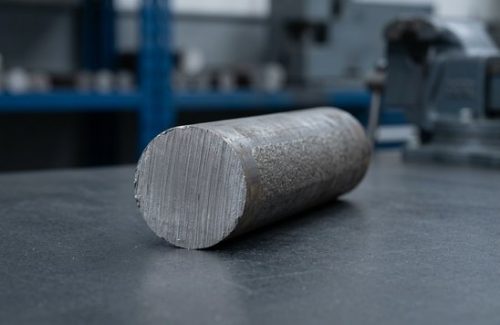 Raw Stock
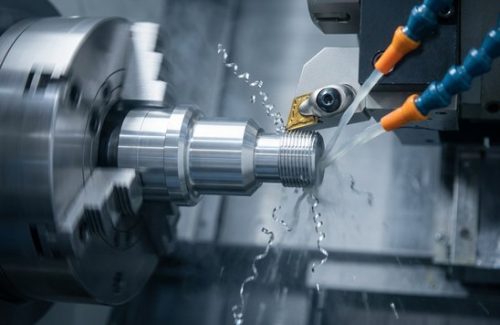 CNC Machined
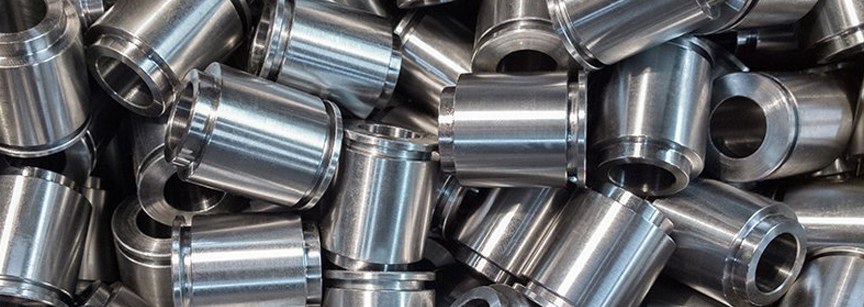 Finished Parts


Mild Steel 1018 — Machining Notes
FAQ
Is 1018 stronger than A36?
A36 is stronger, while 1018 is more ductile, so it is easier to bend. A36 can be flame-hardened but lacks sufficient carbon content for typical quenching and tempering.
Will 1018 steel rust?
Yes, 1018 steel is prone to rust as it contains low amounts of alloying elements so it is more susceptible to corrosion.
Is 1018 steel stronger than 1045?
No, 1045 is stronger than 1018 due to more carbon and higher tensile strength, but it is harder to weld because of the increased carbon content.
Other Materials
-
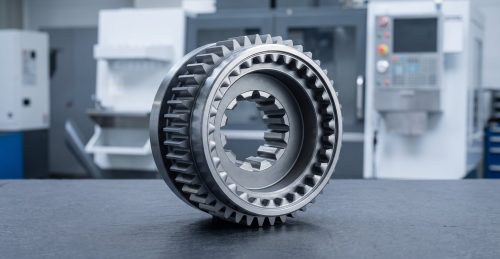 Mild Steel S355J2Mild Steel S355J2 is a low-carbon structural steel with excellent weldability and machinability.Learn More
-
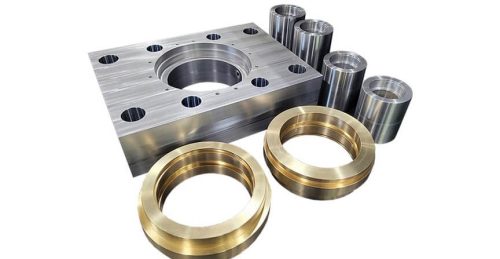 Mild Steel 104545% carbon content. It has good strength, toughness, and wear resistance.Learn More
-
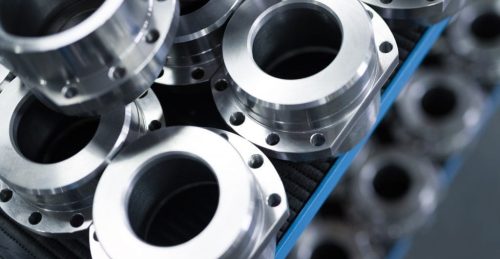 Carbon Steel 12L14Carbon Steel 12L14 is a type of carbon steel with improved machinability. It is also known as "Free Machining Steel” and the fastest machining bar product.Learn More

Ready to Scale Your Project?
Get started with a stable process and controlled quality. Let's discuss your project.








