







Mild Steel S355J2
Mild Steel S355J2 is a low-carbon structural steel with excellent weldability and machinability.
-
450-580 MPaUltimate Tensile Strength
-
265-340 MPaYield Strength
-
217 GPaYoung's Modulus(Elasticity)
-
14-20 %Elongation at Break
At a Glance
-

Material Type
Metal -

Material Name
Mild Steel S355J2 -

Alternative Names
1.0577 | 1522H | Fe 510 D -

Process Compatibility
CNC Milling, CNC Turning
Properties Table of Mild Steel S355J2

- Ultimate Tensile Strength 450-580 MPa
- Yield Strength 265-340 MPa
- Young's Modulus(Elasticity) 217 GPa
- Elongation at Break 14-20%
- Physical Properties
- Corrosion Resistance Moderate corrosion resistance
- Magnetism Generally magnetic
- UV Resistance Limited UV resistance
- Weldability Good weldability with proper procedures
- Thermal Properties
- Maximum Service Temperature Approximately 500°C(932°F)
- Thermal Expansion Coefficient 10.8 x 10^-6/°C(20-100°C)
- Thermal Conductivity 50.9 W/m·K(20°C)
Applications of Mild Steel S355J2
-
 Structural components in buildings and bridges
-
 Offshore platforms and structures
-
 Shipbuilding, including hulls and components
-
 Industrial machinery and equipment
-
 Transmission towers and poles
-
 Railway rolling stock components
-
 Construction of storage tanks and containers
-
 General fabrication and welding applications
Advantages of Mild Steel S355J2
Advantages of Mild Steel S355J2
- High Strength which is perfect for structural applications
- Good Weldability
- Durability
- Versatility
- Moderate Corrosion Resistance
- Cost-effective compared to other high-strength materials
- Impact Resistance
- Ease of Machining
-
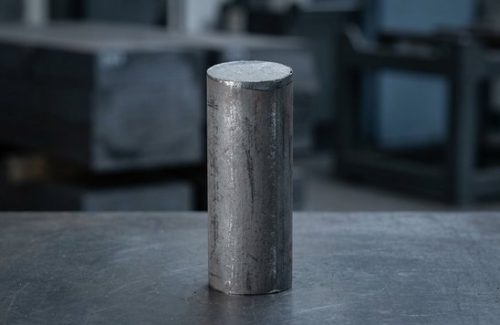 Raw Stock
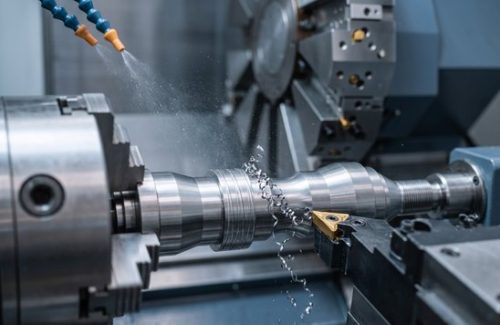 CNC Machined
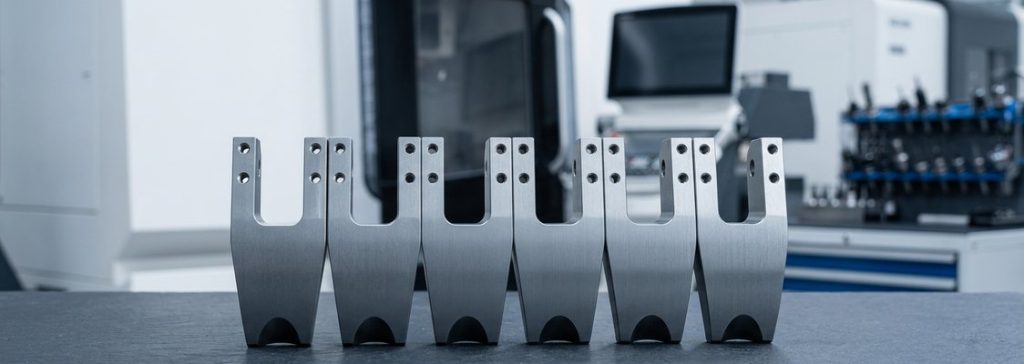 Finished Parts


Mild Steel S355J2 — Machining Notes
FAQ
What is the difference between S355JR and S355J2?
S355JR and S355J2 are both grades of structural steel. The main difference lies in their impact energy values; S355J2 has higher impact energy at -20°C.
What does S355J2 mean?
"S" signifies "structural steel," and 355 indicates the minimum yield strength for steel thickness up to 16 mm. "J2" denotes a minimum impact energy of 27 J at -4°F.
Does S355 steel rust?
S355 steel, including S355JR and S355J2, has moderate corrosion resistance, but it can rust. Exposure to environmental conditions may lead to rusting over time.
Other Materials
-
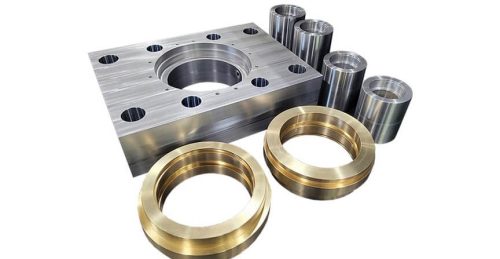 Mild Steel 104545% carbon content. It has good strength, toughness, and wear resistance.Learn More
-
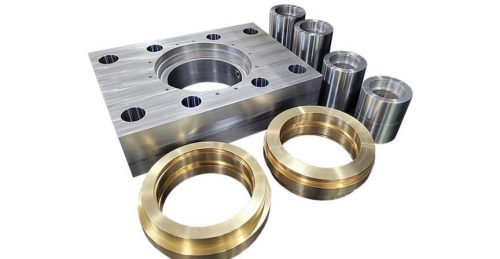 Mild Steel 1018Mild Steel 1018, known as low-carbon steel, can be easily drilled, turned, milled, and tapped.Learn More
-
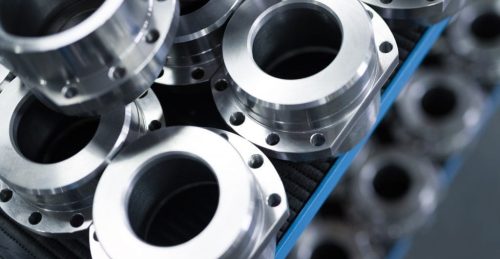 Carbon Steel 12L14Carbon Steel 12L14 is a type of carbon steel with improved machinability. It is also known as "Free Machining Steel” and the fastest machining bar product.Learn More

Ready to Scale Your Project?
Get started with a stable process and controlled quality. Let's discuss your project.