






Tool Steel Machining
DEK has done tool steel machining since 2002: A2, D2, H13, O1, S7 and A3, annealed or hardened to 60+ HRC, held to ±0.005 mm. Hard milling, wire EDM and grinding in-house, no MOQ.
-
±0.005mm
Machined Tolerance
-
60+ HRC
Hardened Machining
-
2002
Mold Component Roots

Why Tool Steel Machining Starts at DEK
DEK started in 2002 making core pins, ejector pins and guide bushes for mold tooling. Tool steel is one of the steel families in our CNC metal machining range, used when a part cuts, forms or wears against another hard surface, or must hold a sharp edge.
Do not specify it by habit: a 4140 alloy steel at 28–36 HRC is cheaper, tougher and simpler to machine for shafts and fixtures that do not need 58 HRC, and 440C stainless is better where a hardened part sees moisture.
-

ISO 9001:2015, ISO 13485, AS9100D by TÜV
-

EDM and grinding in-house after hardening
-

Engineer-reviewed quotes within 6 hours
-

No MOQ; prototypes in 3–5 days
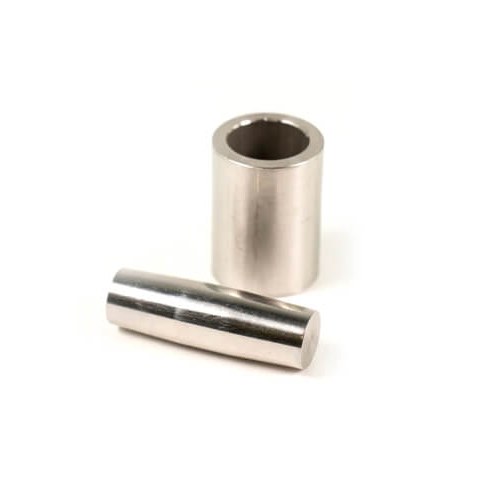
Tool Steel Grades We Machine
Six grades, machined annealed or hardened. Machinability ratings are relative to AISI 1212 free-machining steel, annealed stock.
-

A2
57–62 HRC hardenedGeneral cold-work dies with good dimensional stability; air quench, +0.03 to +0.10% size change.
-

D2
58–62 HRC; ~30–35% machinabilityAbrasive wear: blanking dies, slitter knives. 12% Cr carbides dull edges, so D2 needs rigid setups.
-

H13
44–52 HRC hardenedHot work: extrusion tooling, hot-running mold inserts. H13 machining runs annealed, then hardened; H13 keeps roughly 40 HRC at 500 °C.
-

O1
~55–60% machinabilityGauges and small punches where cost matters more than distortion; O1 is oil quenched to 57–62 HRC.
-

S7
54–58 HRC hardenedShock loads: chisels, shear blades, heavy punches. S7 is air quenched, oil on heavy sections.
-

A3
58–63 HRC hardened1.25% C, 5% Cr, 1.1% Mo, 1% V; ≤235 HB annealed and ~40–45% machinability. See the A3 page.
-
±0.003mm
Ground diameters
-
0.005 mm
Ground flatness
-
Ra 0.2µm
Best ground finish
Hardened Steel Machining at DEK
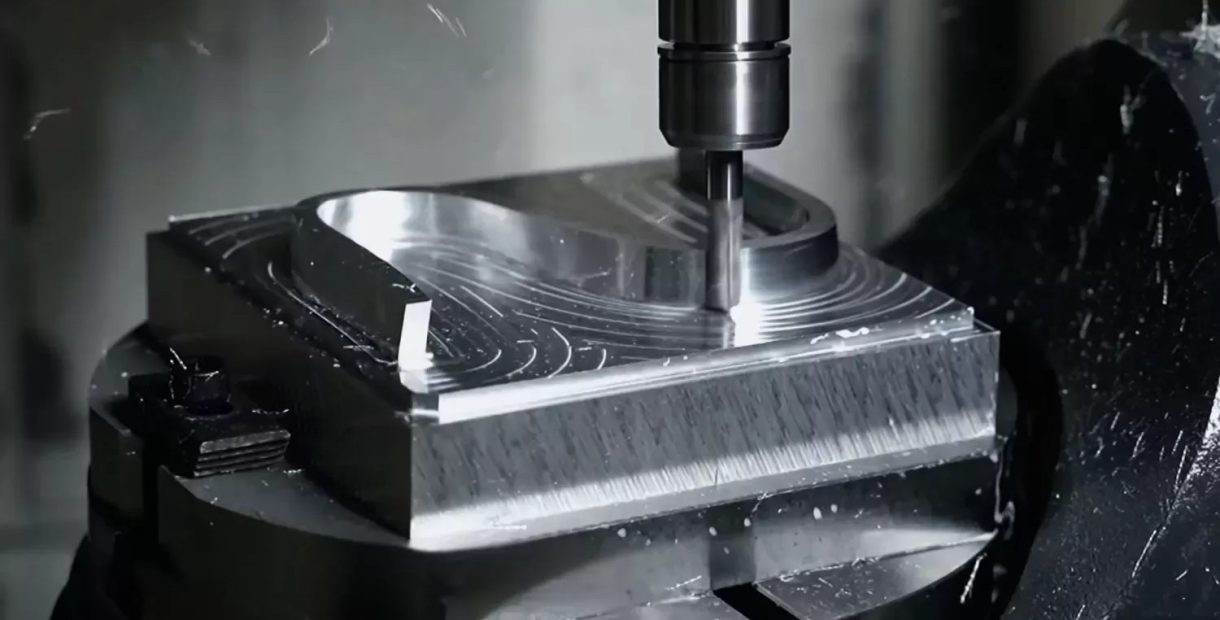
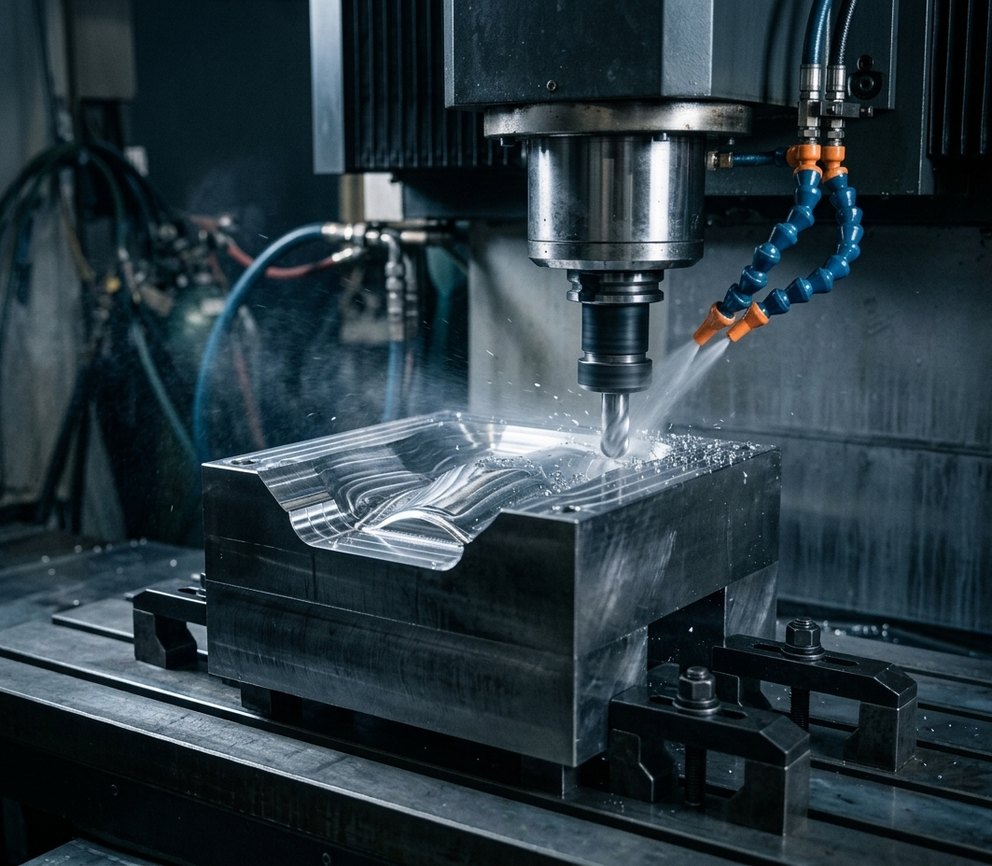
Annealed parts are roughed, heat treated, then finished; hardened blanks go straight to hard milling, wire EDM and grinding.
-
1
Annealed CNC Milling
At 200–255 HB all six grades cut with coated carbide. CNC milling on 3-, 4- and 5-axis machines handles blocks up to about 1000 mm.
-
2
Hard Milling
Machining hardened steel up to 60–62 HRC with CBN and fine-grain carbide, small radial engagement and light chip loads; one heat-treat cycle removed.
-
3
Wire EDM
Wire EDM cuts D2 punches and die sections to ±0.005 mm, Ra 0.4 µm on skim passes; internal corners limited by 0.1–0.25 mm wire.
-
4
Precision Grinding
Surface, cylindrical and jig grinding: 0.005 mm flatness, ±0.003 mm on punch shanks, Ra 0.2–0.4 µm.
Distortion and Stock Planning Tips
Size change on hardening is planned into the program, grade by grade, before the first cut.
-
1
Grind Stock by Grade
We leave 0.15–0.25 mm per face on A2 and A3, 0.2–0.3 mm on D2, H13 and S7, and 0.3–0.5 mm on O1, which moves +0.10 to +0.20% in the oil quench.
-
2
Cut Before Hardening
Threads, cross holes and H13 cooling channels are machined annealed; jig-ground holes are drilled undersize and tempering is completed before finish work.
-
3
D2 Directional Movement
D2 grows +0.05 to +0.10% and can move directionally, so it gets the 0.2–0.3 mm per face allowance and a rigid setup from roughing onward.
-
4
Verified Hardness and Grade
Rockwell test on every heat-treated lot; material certificates matched to a spectrometer check so a D2 order never ships in a look-alike grade.
Tool Steel Grades in Stock
Grade sheets for A2, A3, D2, H13, O1 and S7: equivalents, chemistry, annealed and hardened hardness, and typical parts for each.
-
Tool Steel S7, known for its shock-resistant properties. It has high impact strength, wear resistance, and toughness.Get Price
-
Tool steel O1 is an oil-hardening, non-deforming tool steel that belongs to the cold work tool steel group. It has high wear resistance, good dimensional stability, toughness, and machinability.Get Price
-
H13 tool steel is widely used in CNC machining due to its excellent hardness, heat resistance, and toughness.Get Price
-
Tool steel D2 is a high-carbon, high-chromium, air-hardening steel with excellent wear resistance, high compressive strength, and good toughness.Get Price
-
Tool Steel A3, also known as AISI A3 or W1-A-1, is a high-carbon, high-alloy steel with excellent wear resistance and toughness.Get Price
-
Tool steel A2 is an air-hardening, cold-work tool steel commonly used in CNC machining due to its excellent wear resistance and toughness.Get Price
When to Choose Tool Steel vs 4140 or 440C
Tool steel against the cheaper options the source names for parts that do not need 58 HRC, including 4340 alloy steel.
Typical Tool Steel Parts We Machine
Punches, dies, mold inserts and gauges for stamping, packaging machinery, automation and automotive tooling.
-
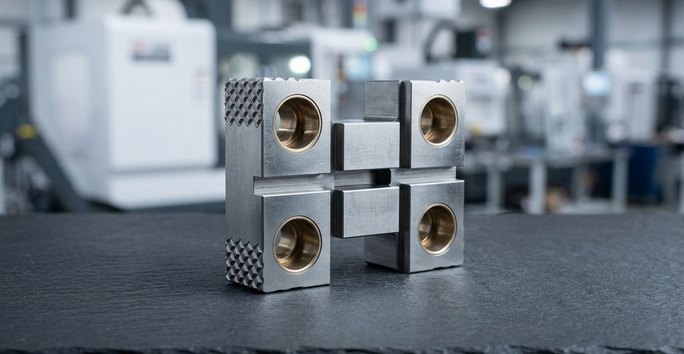 Stamping Dies & PunchesPunches and dies for blanking, piercing and forming in D2, A2 and S7; progressive die sections and strippers.
-
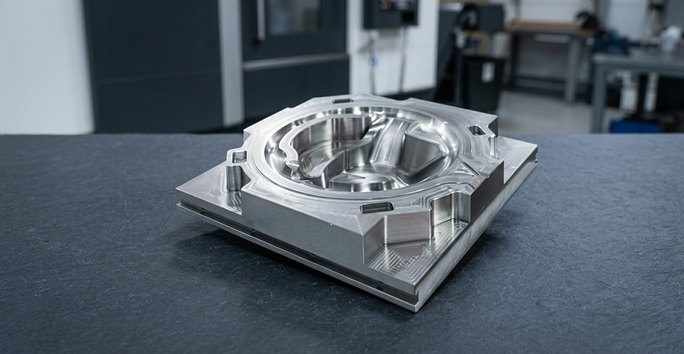 Mold ComponentsMold cavity and core inserts, slides, lifters and ejector pins in H13 and O1, the work DEK was founded on.
-
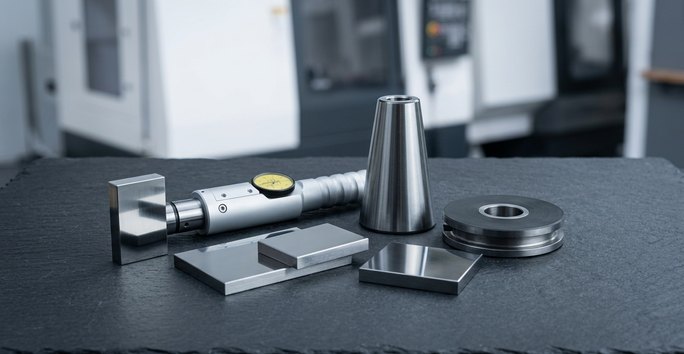 Gauges & FixturesGauge blocks, plug gauges and inspection fixtures in O1 and A2, ground for stable, accurate dimensions.
-
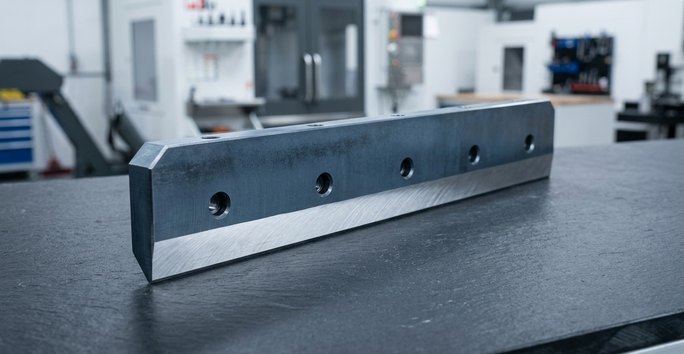 Shear Blades & ChiselsShock-loaded S7 shear blades, chisels and heavy punches, hardened to 54–58 HRC for impact resistance.
-
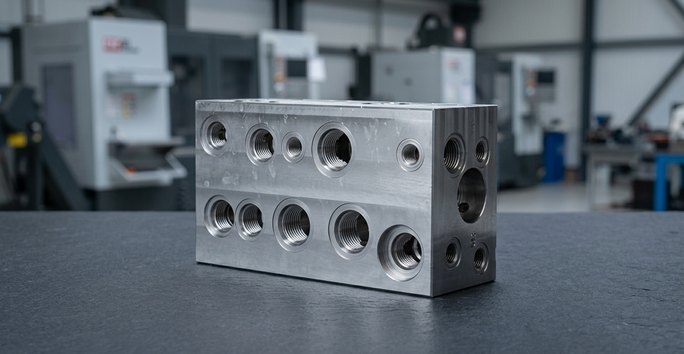 Wear PartsWear plates, guide rails and locating pads for packaging machinery and automation equipment.
-
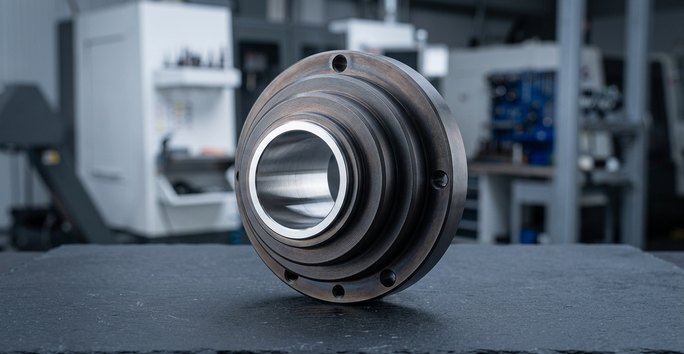 Automotive ToolingHardened tooling for automotive stamping lines, plus H13 extrusion dies and hot-work tooling inserts.
Finishing Options for Tool Steel Parts
CNC machining plus heat treatment, coating or polishing, coordinated by DEK on the parts we machine.
Need nitriding for H13? Ask our engineers for a route.
-
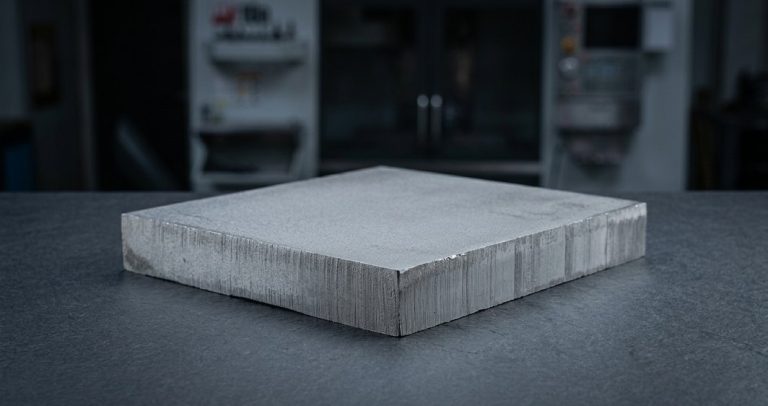 Heat treatmentMost PopularCNC machining + hardening and tempering, sub-zero for D2; Rockwell tested on every lot.Get a Quote
-
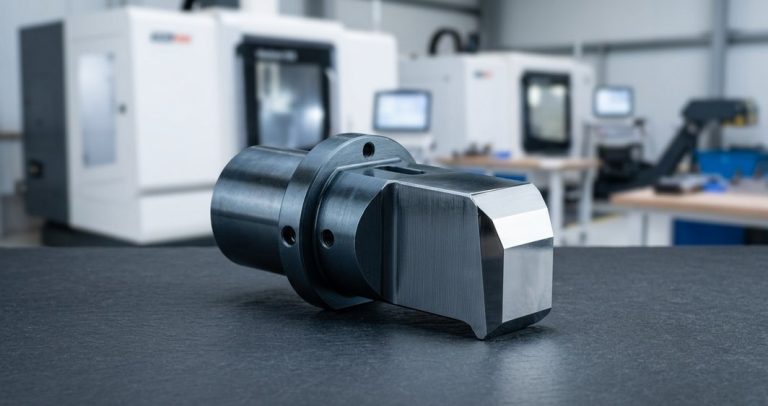 PVD coatingMost PopularCNC machining + PVD coating applied to finished tool steel punches and wear parts.Get a Quote
-
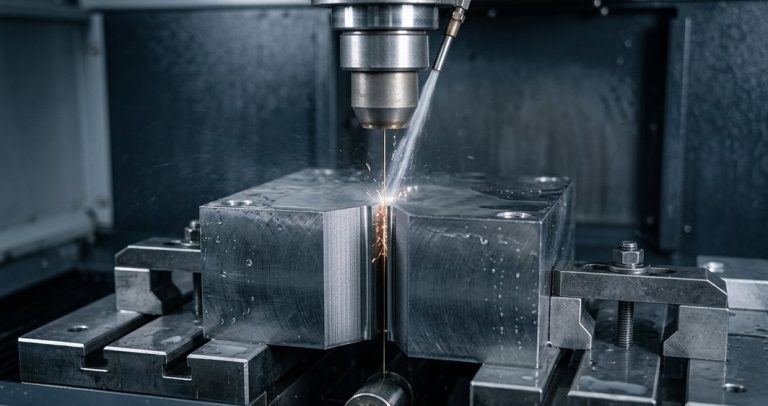 Black oxideMost PopularCNC machining + black oxide finish on machined tool steel parts and fixtures.Get a Quote
-
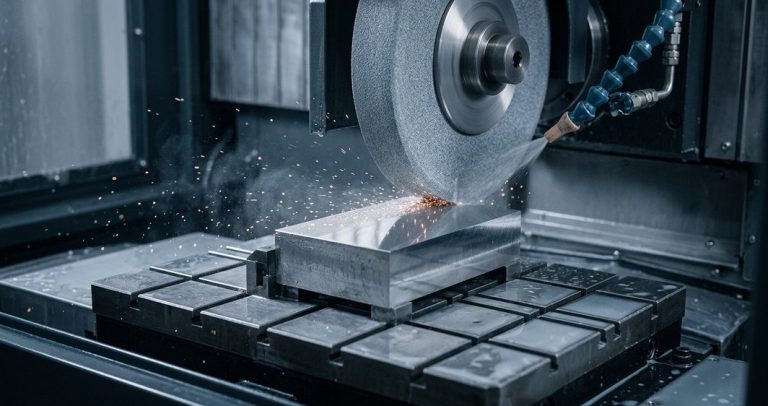 PolishingMost PopularCNC machining + polishing of H13 mold insert surfaces where the molded part requires it.Get a Quote
Tool Steel Machining FAQ
Questions engineers ask about hardened, annealed and grade-specific work.
Other Materials
-
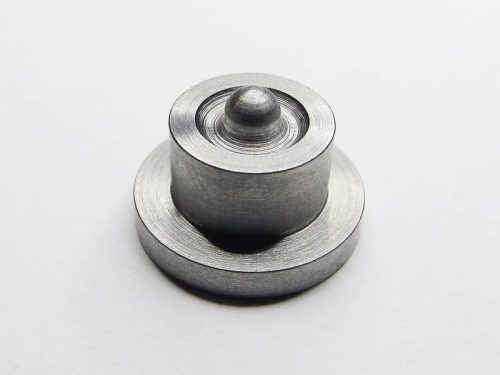 Alloy SteelAlloy steel grades 4140, 4340, 8620, 4130 and A514 for shafts, gears and structural parts that need more fatigue strength than plain carbon steel.Learn More
-
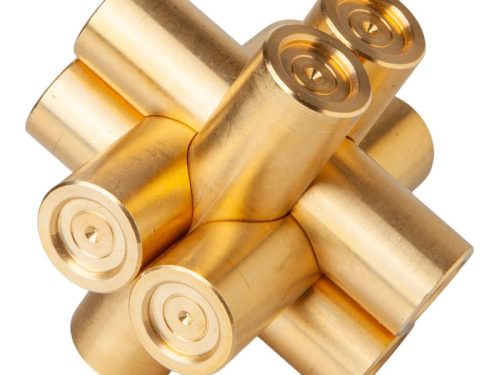 BrassC260, C360 free-cutting brass and Cz121 machined for fittings, valve parts, gears and connectors, from one prototype to production volumes.Learn More
-
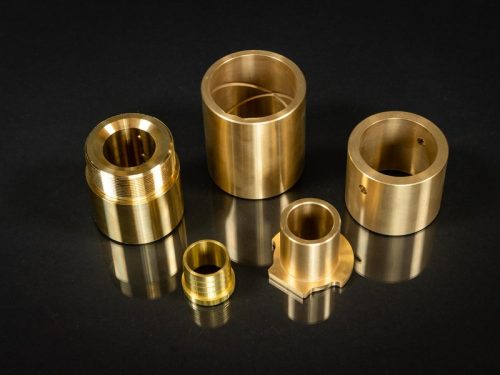 BronzePhosphor bronze C544, sintered C841, bearing bronze 932 and aluminum bronze 954 for bushings, sleeve bearings, gears, connectors and marine fittings.Learn More
-
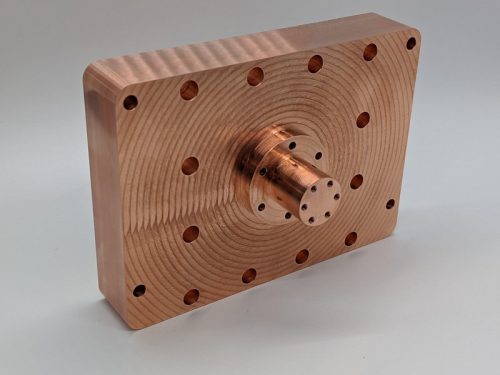 CopperCopper 101 and 110 stocked for waveguides, bus bars, connectors and heat sinks; beryllium and tellurium copper machined on request.Learn More
-
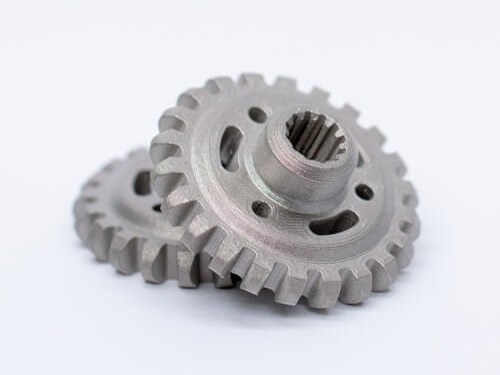 InconelNickel superalloys Inconel 600, 625 and 718, machined for aerospace, energy, medical and industrial parts exposed to heat and corrosive chemistry.Learn More
-
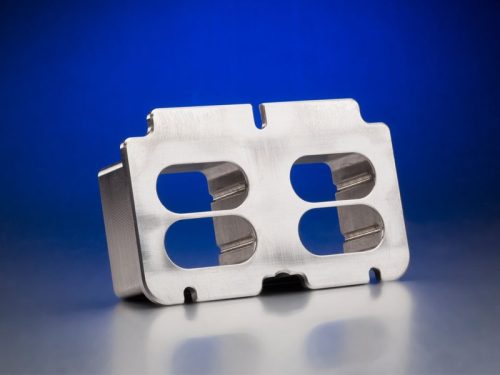 InvarInvar 36 and low-expansion Invar-family alloys, about 1.2 ppm/°C CTE, machined for optics mounts, semiconductor fixtures and measurement tooling.Learn More
-
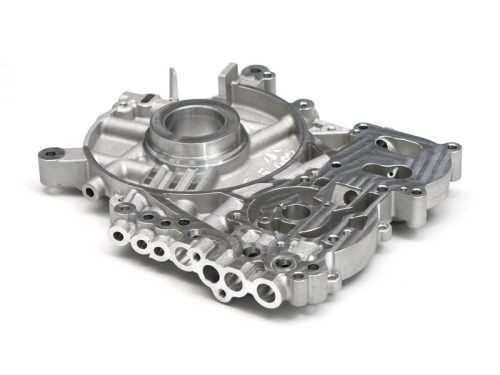 MagnesiumLightest structural metal in production use. AZ31B, AZ61B and AZ91D machined under fire-safe chip and coolant controls for weight-critical parts.Learn More
-
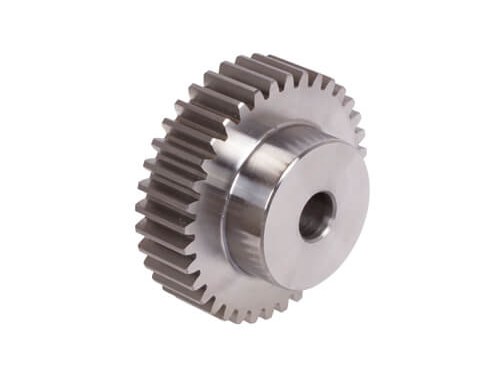 Mild SteelLow-carbon 1018, medium-carbon 1045 and free-machining 1215 and 12L14: cost-effective steel for shafts, brackets, pins, bushings and gears.Learn More
-
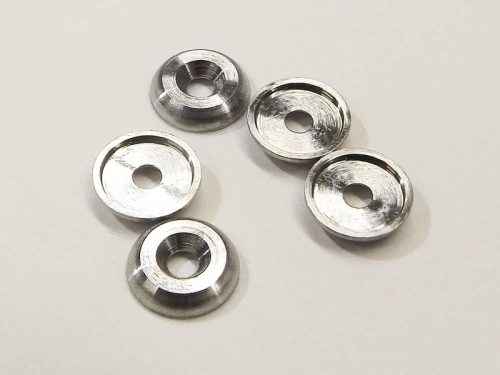 TitaniumGrade 1, Grade 2 and Grade 5 (Ti-6Al-4V) titanium, milled, turned and EDM-cut for aerospace, medical, robotics and semiconductor parts. No MOQ.Learn More
-
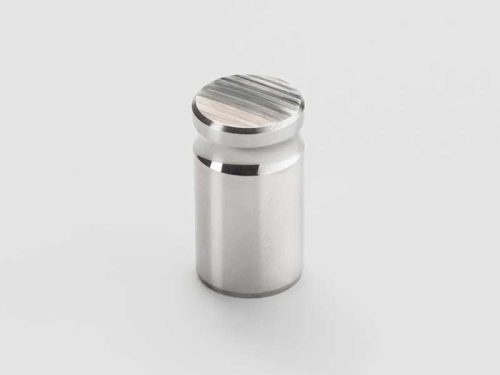 Tungsten SteelTungsten and tungsten carbide grades (YG6, YG8, YG10X, YG15, YL10.2) for wear parts, dies, punches and shielding, milled, turned, EDMed and ground.Learn More
-
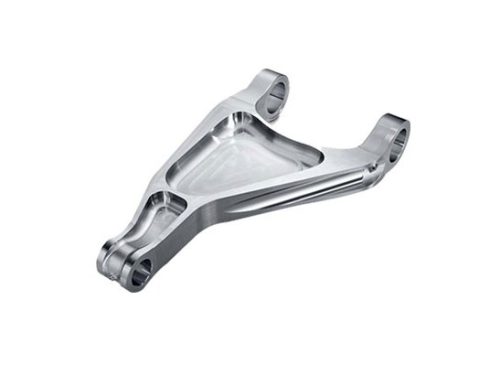 AluminumStocked 6061, 6063, 5083 and 5052 for brackets, housings, marine and fluid-handling parts, held to ±0.005 mm on fit-critical features with no MOQ.Learn More
-
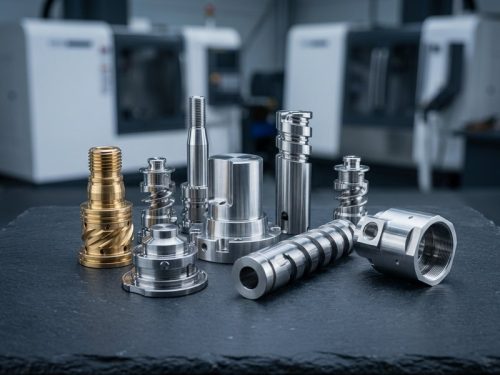 Stainless Steel303, 304, 316L, 17-4PH and 2205 duplex machined for medical, robotics, semiconductor and aerospace parts, from one prototype to production, ±0.005 mm.Learn More

Ready to Scale Your Project?
Get started with a stable process and controlled quality. Let's discuss your project.