







Tungsten Machining Services
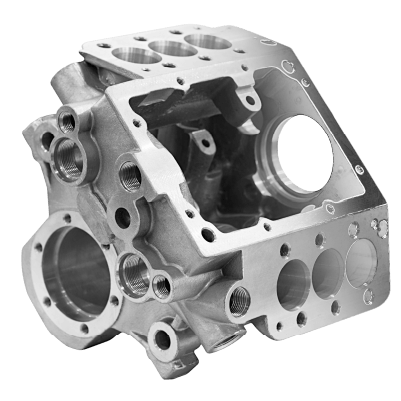
DEK provides tungsten machining services for tungsten and tungsten carbide (YG/YL alloys) wear parts, dies, punches, and shielding components. CNC milling, turning, EDM, and grinding hold ±0.005 mm, with no MOQ from prototype to production.
-
±0.003mm
Micro Components
-
3 Days
Prototype Lead Time
-
No MOQ
One Part to Production

Why Choose DEK for Tungsten Carbide Machining
Pure tungsten is dense, unalloyed metal, machined mainly for radiation shielding, ballast weights, and other high-density uses where wear resistance isn’t the priority. Tungsten carbide (WC-Co) trades some density for hardness and toughness, so each grade is selected by part function rather than density alone.
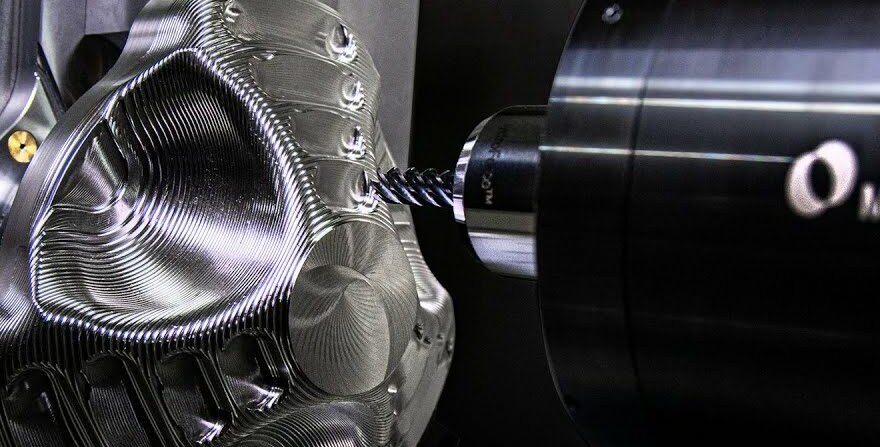
Its hardness eats standard tooling fast and its brittleness punishes aggressive cuts. DEK pre-chamfers entry points, roughs tight profiles with wire EDM, then finishes with precision grinding to keep edges clean on tolerance-critical features.
-

ISO 9001, ISO 13485 and AS9100D certified
-

No MOQ, one-off prototype to production run
-

±0.005 mm general, ±0.003 mm micro parts
-

Prototype lead time as fast as 3 days
Tungsten Carbide Grades We Machine
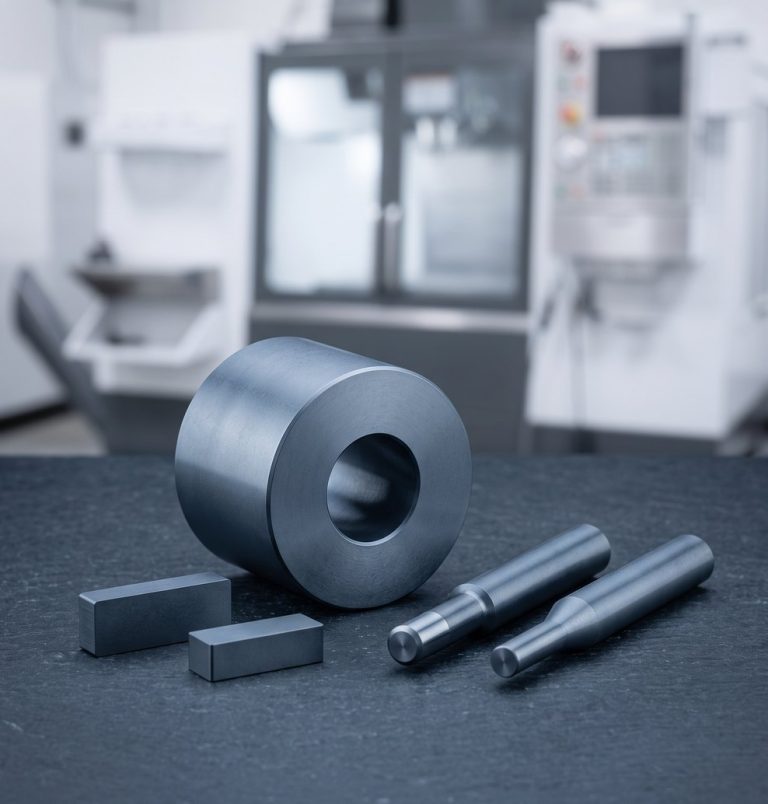
WC-Co grades selected by part function: lower cobalt for hardness and wear, higher cobalt for toughness under impact.
-

Tungsten Steel YG6
Lower cobalt, hardnessFavors hardness and wear resistance for finishing tools and light-impact wear parts. YG6 grade page.
-

Tungsten Steel YG8
Higher cobalt, toughnessFavors toughness for roughing tools and parts under repeated impact. YG8 grade page.
-

Tungsten Steel YG10X
Fine-grain structureBalances hardness and toughness for precision dies and punches. YG10X grade page.
-

Tungsten Steel YG15
Highest cobalt in seriesPrioritizes toughness for heavy-impact tooling and structural wear parts. YG15 grade page.
-

Tungsten Steel YL10.2
Alternate alloy gradeFor wear-resistant cutting components with different composition needs than the YG series. YL10.2 page.
-

W-Cu, W-Ni-Cu, W-Ni-Fe
Tungsten-alloy seriesTungsten-alloy series machined alongside the carbide grades, each with its own data page. W-Cu series.
-
±0.002 mm
Ground tolerance
-
Ra 0.2 µm
Ground surface finish
-
±0.01 mm
5-axis profile control
-
~300 mm
Max milling/turning diameter
How DEK Delivers Tungsten Machining Services
Tungsten carbide is too hard for cutting alone, so DEK combines CNC milling and turning with EDM and grinding to hold tolerance.
-
1
CNC Milling (3/4/5-Axis)
CNC milling services cut pockets, chamfers, and complex carbide geometry with controlled chip load to avoid chipping; ±0.01 mm profile control on 5-axis.
-
2
CNC & Swiss Turning
CNC turning services, including Swiss-type setups, produce round wear parts and pins held to tight coaxiality, ±0.005 mm on shaft-bore fits.
-
3
EDM Machining
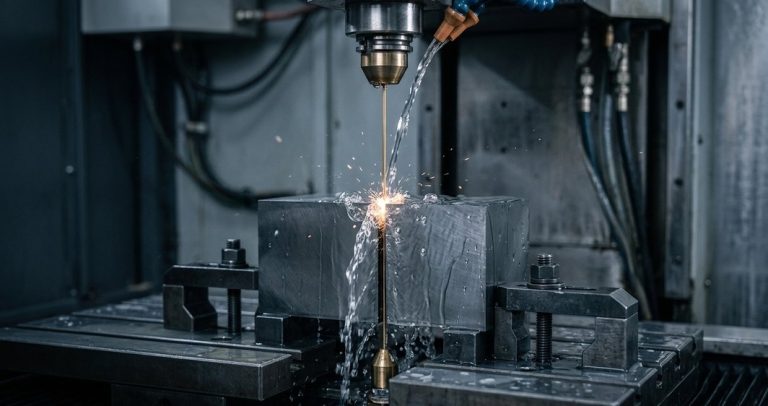
EDM machining services reach what cutting can't: small deep holes, sharp internal corners, and hardness-limited profiles. Wire EDM kerf runs 0.15–0.30 mm.
-
4
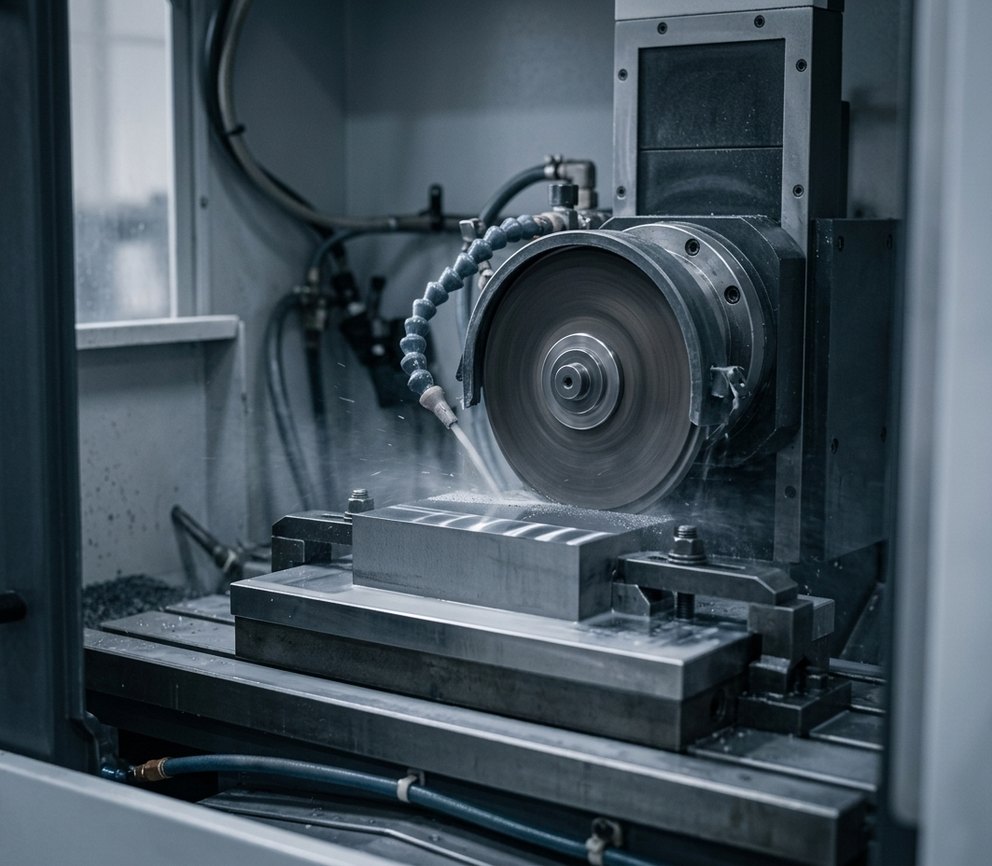
Cylindrical Grinding
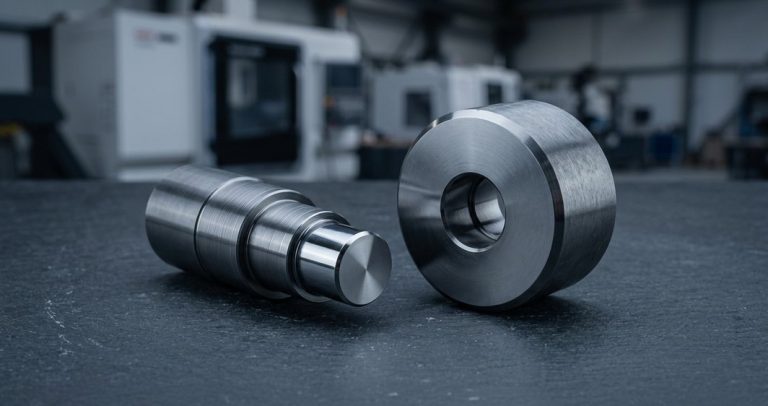
Cylindrical grinding services deliver fine finish and dimensional control once carbide is too hard to cut further, down to ±0.002 mm and Ra 0.2 µm.
Tungsten Carbide Machining Considerations
What our engineers check before routing a carbide part, from tooling choice to how thin a section can safely go.
-
1
Tooling Wear & Hardness
Tungsten carbide is among the hardest materials machined in industry. It needs carbide-grade tooling, EDM, and grinding; standard high-speed steel tooling wears too fast beyond a single light cut.
-
2
Edge Chipping at Entry/Exit
Chipped edges tend to start where a cutter enters or exits a feature. DEK pre-chamfers entry points and controls chip load in milling so tolerance-critical edges stay clean.
-
4
Minimum Wall Thickness
Brittleness limits thin sections more than machine capability does. The minimum depends on grade, geometry, and part support during grinding or EDM, so send a drawing for a feasibility check.
Tungsten Steel & Tungsten-Alloy Grades
Beyond the YG series and YL10.2, DEK also machines YL50, YT15, YW1, and W-Cu, W-Ni-Cu, and W-Ni-Fe tungsten alloys. Each grade has its own data page.
-
Tungsten-Copper (W-Cu) alloys have a balance of high thermal conductivity, wear resistance, and electrical conductivity.Get Price
-
2 Tungsten Carbide is created through powder metallurgy, using WC (tungsten carbide) and Co (cobalt). This material has excellent shock and bending resistance.Get Price
-
Did you know that Tungsten Steel YG8 has physical properties three times higher than steel? This means it’s more durable and long-lasting, saving you time and money in the long run.Get Price
-
Tungsten Steel YG6 is a type of tungsten carbide with exceptional hardness and wear resistance.Get Price
-
Tungsten Steel YG15 is preferred for precision cutting processes because of its characteristics.Get Price
-
YG10X is a type of tungsten carbide, a hard and durable material used in cutting tools, dies, and other applications that require high wear resistance.Get Price
Tungsten Carbide vs Tool Steel
Tungsten carbide is chosen when hardness and density matter more than cutting cost. When they don't, a lower-cost or heat-resistant wear alloy may fit better.
| Criteria | This MaterialTungsten Carbide | Tool Steel |
|---|---|---|
| Choose it for | Full hardness, density | Lower-cost alternative |
| Hardness | Among the hardest | Below full carbide |
| Cost driver | Tooling, EDM, grinding | Lower cost |
| Typical parts | Dies, punches, pins | – |
Industries Using Tungsten Carbide Parts
Aerospace, medical, semiconductor, and tooling programs use tungsten carbide where hardness and density matter more than cutting cost.
-
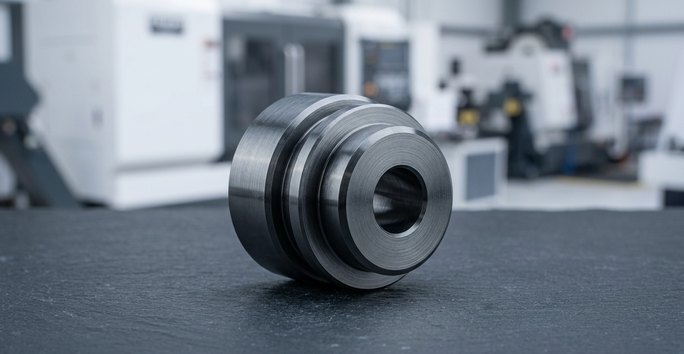 AerospaceTungsten carbide parts for aerospace programs where hardness and density outweigh cutting cost, machined under AS9100D.
-
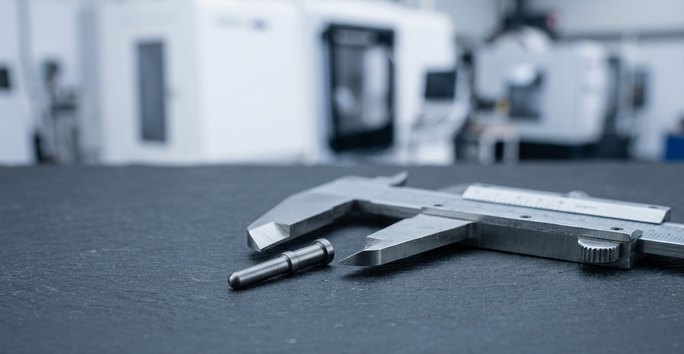 Medical DevicesTungsten and carbide components for medical device programs, machined in a shop certified to ISO 13485.
-
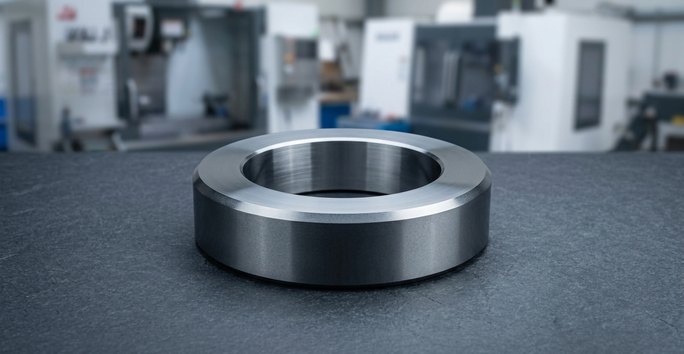 Semiconductor EquipmentSemiconductor equipment programs use tungsten carbide parts where hardness and density matter more than cutting cost.
-
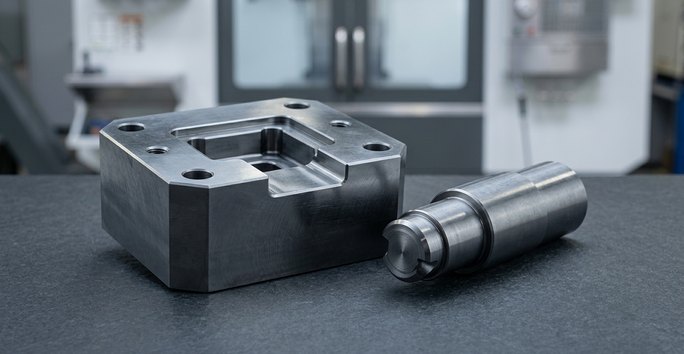 Industrial ToolingDies, punches, and wear plates in YG grades, from finishing tools on YG6 to heavy-impact tooling on YG15.
-
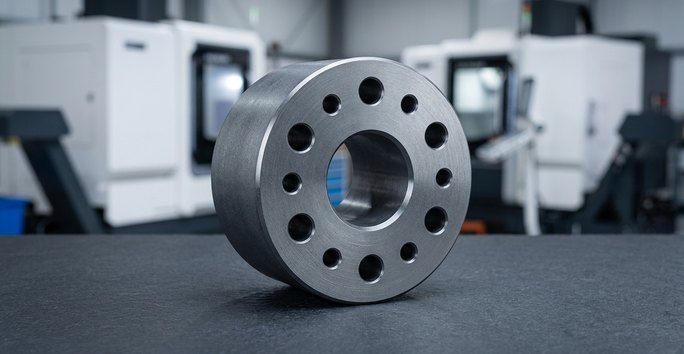 Radiation ShieldingPure tungsten is machined mainly for radiation shielding, where density rather than wear resistance is the priority.
-
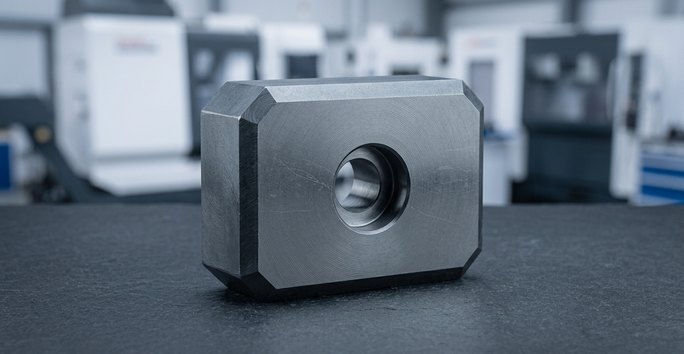 Ballast WeightsDense, unalloyed tungsten machined into ballast weights and other high-density parts where wear resistance isn't the priority.
Surface Finish Options for Tungsten Carbide
Grinding and EDM finish tungsten carbide after CNC machining, setting final surface quality and tolerance on hard features.
Need another finish on carbide? Ask our engineers.
-
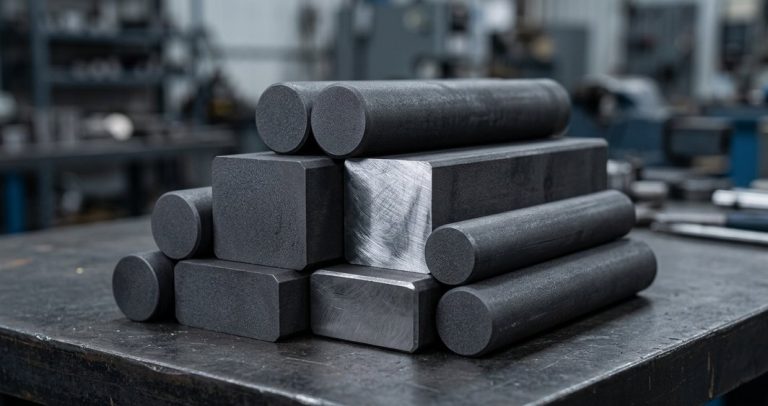 Ground surface finishMost PopularCNC machining plus precision grinding reaches Ra 0.2 µm and ±0.002 mm on carbide too hard for further cutting.Get a Quote
-
 Cylindrical grindingMost PopularCNC turned carbide pins and round wear parts ground for fine surface finish and dimensional control on fits.Get a Quote
-
 Wire EDMMost PopularCNC machined carbide finished by wire EDM for sharp internal corners and tight profiles, with 0.15–0.30 mm kerf.Get a Quote
Tungsten Machining FAQs
Common questions from engineers sourcing tungsten and tungsten carbide parts.
Other Materials
-
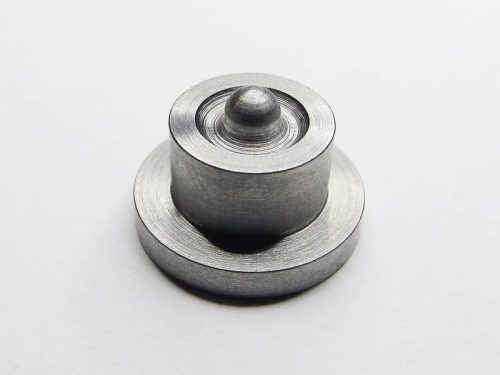 Alloy SteelAlloy steel grades 4140, 4340, 8620, 4130 and A514 for shafts, gears and structural parts that need more fatigue strength than plain carbon steel.Learn More
-
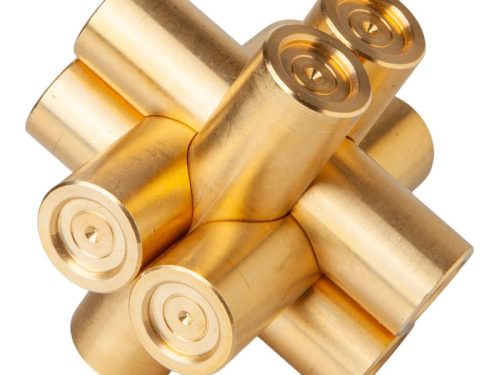 BrassC260, C360 free-cutting brass and Cz121 machined for fittings, valve parts, gears and connectors, from one prototype to production volumes.Learn More
-
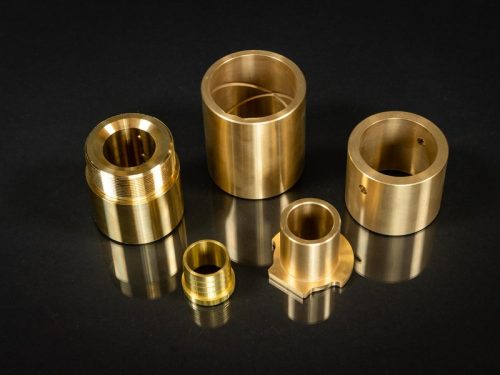 BronzePhosphor bronze C544, sintered C841, bearing bronze 932 and aluminum bronze 954 for bushings, sleeve bearings, gears, connectors and marine fittings.Learn More
-
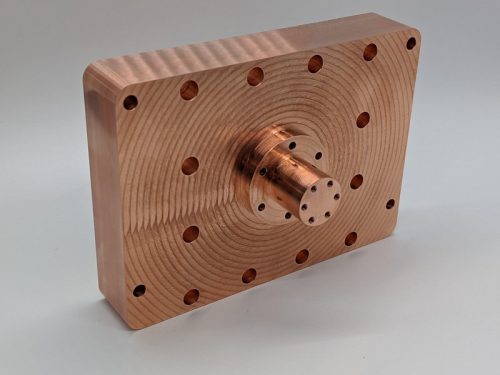 CopperCopper 101 and 110 stocked for waveguides, bus bars, connectors and heat sinks; beryllium and tellurium copper machined on request.Learn More
-
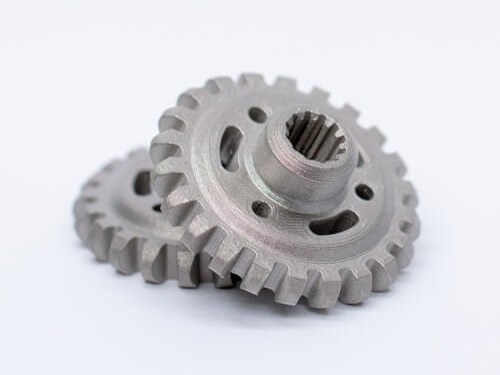 InconelNickel superalloys Inconel 600, 625 and 718, machined for aerospace, energy, medical and industrial parts exposed to heat and corrosive chemistry.Learn More
-
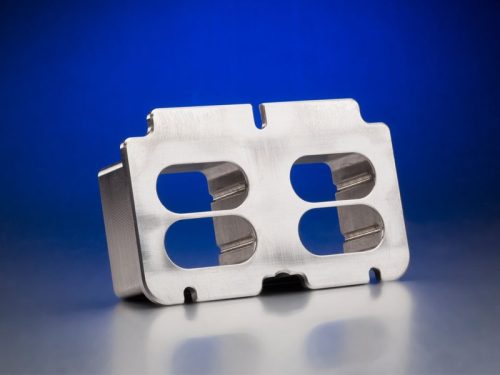 InvarInvar 36 and low-expansion Invar-family alloys, about 1.2 ppm/°C CTE, machined for optics mounts, semiconductor fixtures and measurement tooling.Learn More
-
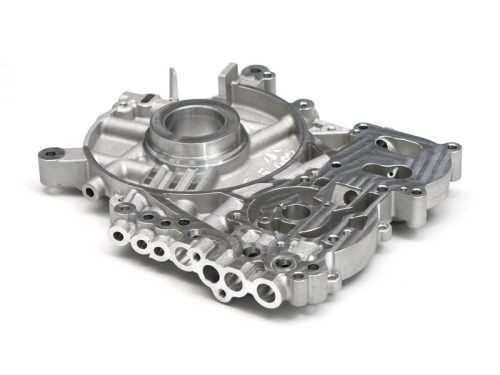 MagnesiumLightest structural metal in production use. AZ31B, AZ61B and AZ91D machined under fire-safe chip and coolant controls for weight-critical parts.Learn More
-
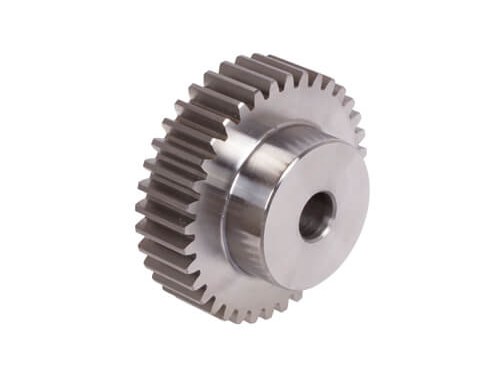 Mild SteelLow-carbon 1018, medium-carbon 1045 and free-machining 1215 and 12L14: cost-effective steel for shafts, brackets, pins, bushings and gears.Learn More
-
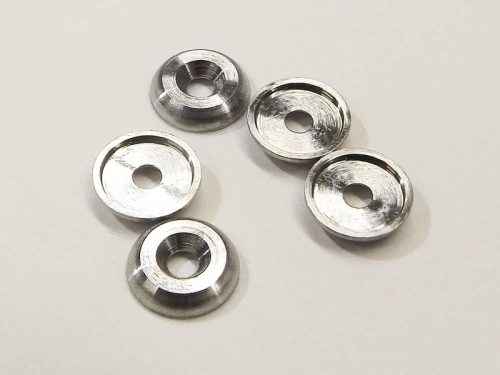 TitaniumGrade 1, Grade 2 and Grade 5 (Ti-6Al-4V) titanium, milled, turned and EDM-cut for aerospace, medical, robotics and semiconductor parts. No MOQ.Learn More
-
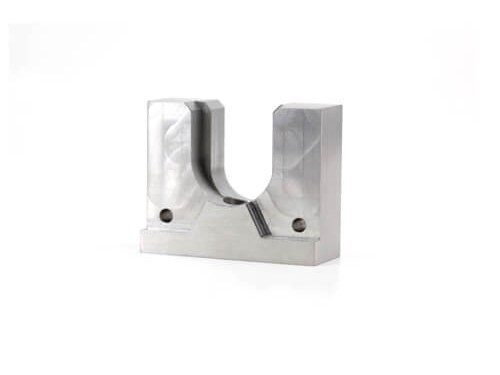 Tool SteelA2, D2, H13, O1, S7 and A3 machined into punches, dies, mold inserts and wear parts, annealed or hardened to 60+ HRC.Learn More
-
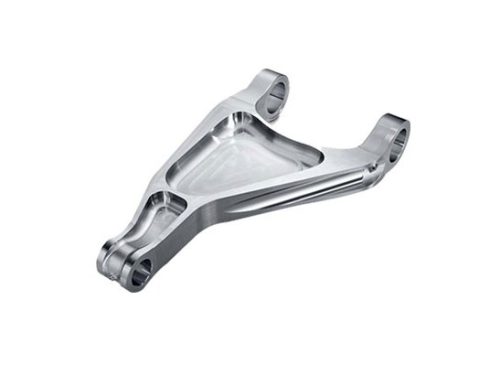 AluminumStocked 6061, 6063, 5083 and 5052 for brackets, housings, marine and fluid-handling parts, held to ±0.005 mm on fit-critical features with no MOQ.Learn More
-
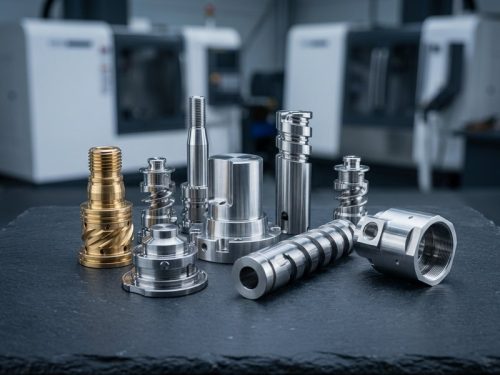 Stainless Steel303, 304, 316L, 17-4PH and 2205 duplex machined for medical, robotics, semiconductor and aerospace parts, from one prototype to production, ±0.005 mm.Learn More

Ready to Scale Your Project?
Get started with a stable process and controlled quality. Let's discuss your project.