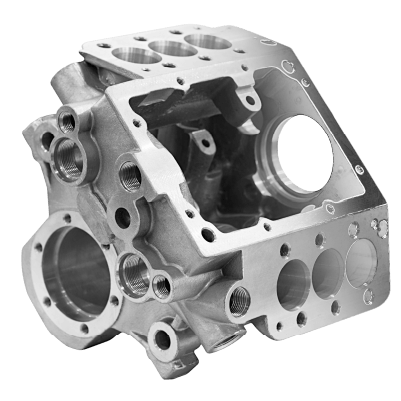









Alloy Steel Machining
DEK delivers alloy steel machining across 4140, 4340, 8620, 4130, 1215 and A514, holding general tolerances to ±0.005 mm and micro features to ±0.003 mm. No MOQ: a single prototype shaft and a production batch of gears follow the same quoting process.
-
6
Grades Machined
-
±0.005mm
General Tolerance
-
3 Days
Prototype Lead Time
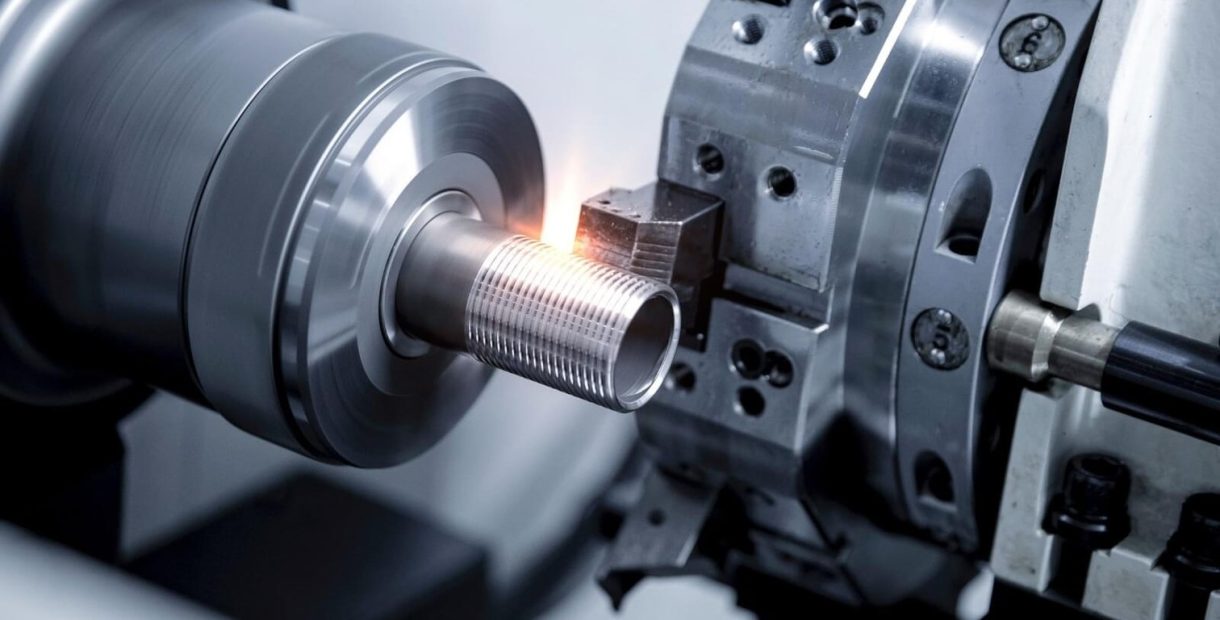

Machining Alloy Steel: When It Earns Its Place
Alloy steel earns its spot on a BOM when a part needs more fatigue strength, wear resistance or toughness than plain carbon steel delivers, usually after heat treatment brings out the added chromium, nickel or molybdenum. See alloy steel vs carbon steel for the trade-offs on cost and machinability.
The trade-off: alloy steel costs more than carbon steel, and many grades need heat treatment to reach full strength. When a part needs more hot-hardness or wear resistance than any alloy grade offers, our tool steel machining service covers A2, D2, H13, O1 and S7.
-

ISO 9001, AS9100D and ISO 13485 certified
-

In-house CMM inspection with traceability
-

On-time delivery rate above 98.6%
-

2,300+ OEM clients over 20+ years
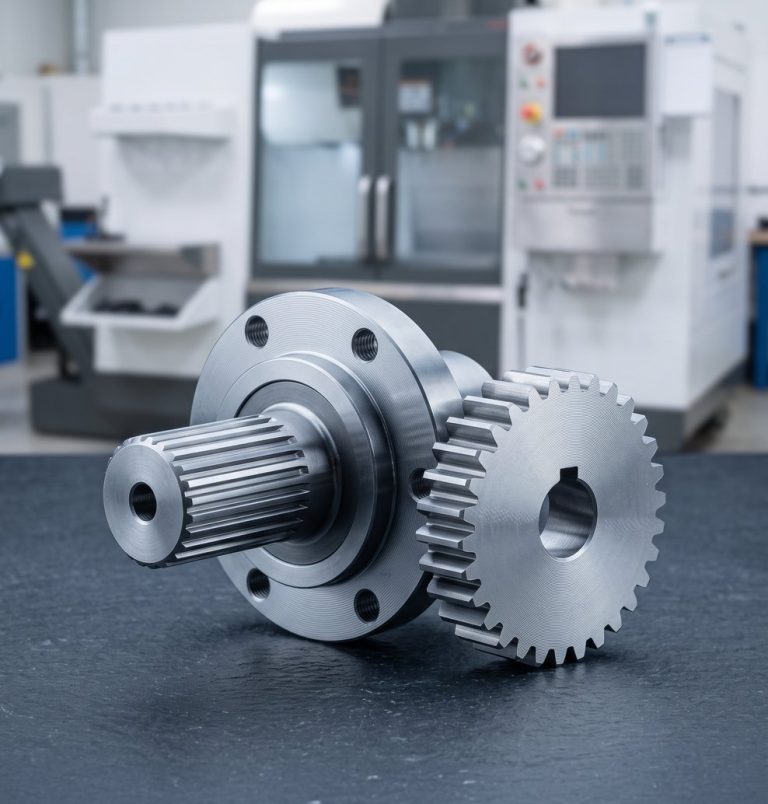
Alloy Steel Grades We Machine
Six grades cover the shafts, gears, brackets and structural plate we quote most. Each card lists common designations and where the grade fits.
-

1215
G12150, EN1A, 11SMn301215 is a free-machining (resulfurized) steel for pins, shafts, fittings and high-volume turned parts, often ordered with alloy grades.
-

4130
AISI 4130, 25CrMo4, SCM430Choose 4130 (1.7218) for tubing, brackets and fittings that need to be welded after machining.
-

4140
EN19, 42CrMo4, SCM4404140 alloy steel machining covers shafts, gears and high-strength structural parts, annealed, normalized or quenched and tempered.
-

4340
EN24, 36CrNiMo4, 817M40Specify 4340 (1.6511) for high-fatigue shafts and structural components that see repeated loading in service.
-

8620
G86200, 1.65238620 is the grade for case-hardened gears, bearings and wear surfaces where the surface takes the load.
-

A514
ASTM A514, T-1 SteelA514 covers heavy structural plate and wear-resistant parts, with part sizes up to ~1000 mm.
-
±0.005mm
General CNC machining
-
±0.01mm
5-axis complex profile
-
±0.003mm
Micro parts (sub-10 mm)
-
~1000mm
Max part size
Steel CNC Machining Capabilities & Tolerances
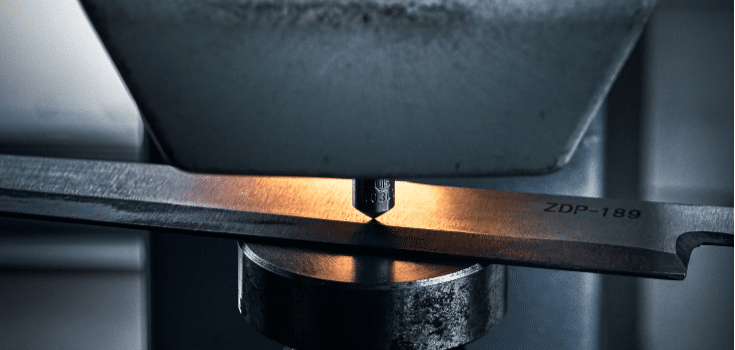
We hold each feature to the tolerance its process supports, not one blanket number: a turned OD, a milled pocket and a drilled bore each get their own.
-
1
3/4/5-Axis Milling
Prismatic alloy steel parts run on 3-, 4- and 5-axis mills; complex profiles cut with 5-axis machining hold ±0.01 mm.
-
2
CNC & Swiss Turning
Shafts, pins and bushings run on CNC and Swiss-type lathes; free-machining 1215 breaks chips cleanly for high-volume CNC turning.
-
3
Wire & Sinker EDM
Wire and sinker EDM sit in the same process stack as our mills and lathes, applied to alloy steel as to every other metal family.
-
4
Grinding & Gear Cutting
Precision grinding plus gear cutting for pinions and splines complete shafts and gears machined from 4140 or 8620.
Alloy Steel Machinability & Process Notes
What our engineers adjust in tooling, feeds and sequencing when a part moves from carbon steel to an alloy grade.
-
1
Work Hardening & Tool Wear
Alloy steels harden faster than plain carbon steel under the cutting edge, so we run tougher tooling, controlled feeds and closer coolant management to avoid premature tool wear.
-
2
Heat-Treat Condition Sets Cuts
Annealed or normalized 4140 machines reasonably well with standard carbide. Quenched and tempered, cutting forces and tool wear rise, so feeds, speeds and tool grade shift with it.
-
3
Free-Machining 1215
Added sulfur in 1215 breaks chips cleanly, which simplifies high-volume turned parts like pins and bushings.
-
4
Welding Higher-Alloy Grades
Some higher-alloy grades are harder to weld without pre- or post-heat treatment; for welded tubing, brackets and fittings, 4130 is the usual choice.
Alloy Steel Grade Datasheets
Open the page for 4130, 4140, 4340, 8620 or A514 to check designations and request a price for your part before you send the drawing.
-
A514 steel is a cost-effective, high-performance material known for its strength, weldability, and toughness, especially in low temperatures.Get Price
-
Alloy steel 8620 is a low-alloy steel containing nickel, chromium, and molybdenum with high strength and toughness. It is a commonly used steel that can be carburized.Get Price
-
Alloy Steel 4340 belongs to the AISI 4000 series of steels, a heat-treatable, low-alloy steel with high strength and toughness.Get Price
-
Alloy steel 4130 is a versatile and widely used material in CNC machining, particularly in the aerospace and automotive industries.Get Price
-
4140Chromium-molybdenum steel4140 steel machining at DEK covers annealed bar at about 200 HB, 28–32 HRC pre-hard stock and Q&T parts ground at 50+ HRC. We turn, mill, grind and heat treat shafts, gears and tooling to ±0.005 mm on request, with no MOQ and prototypes in 3–5 days.Get Price
Alloy Steel vs Carbon Steel, Tool Steel or Inconel
When plain carbon steel falls short, alloy steel is the usual step up; when alloy grades fall short on hot-hardness or corrosion, tool steel or Inconel take over.
| Criteria | This MaterialAlloy Steel | Carbon Steel | Tool Steel | Inconel |
|---|---|---|---|---|
| Choose it for | Fatigue, toughness | Lower cost | Hot-hardness | Corrosion, heat |
| Wear | Higher | Lower | Above alloy | – |
| Cost | Higher | Lower | – | – |
| Machining | Hardens fast | Easier | Harder | – |
Where Alloy Steel Parts Are Used
From drivetrain components to downhole tool parts, alloy steel goes where fatigue strength, wear resistance and toughness decide part life.
-
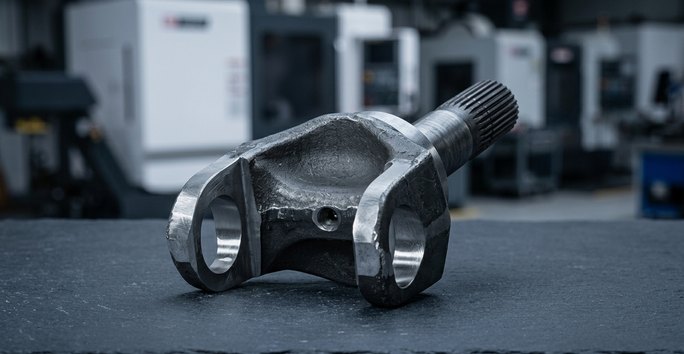 AerospaceNon-flight-critical structural and cabin support parts, machined under our AS9100D-certified quality system.
-
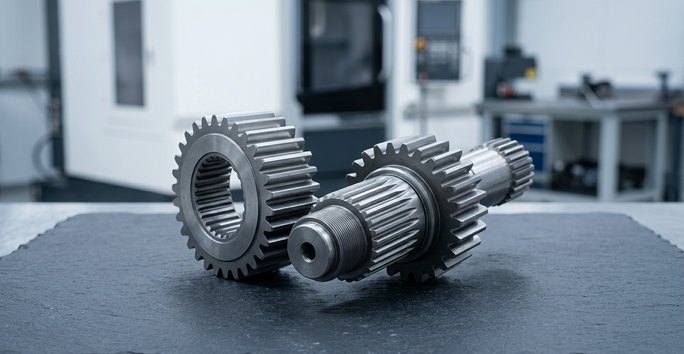 AutomotiveDrivetrain and structural components where alloy steel's fatigue strength and toughness outlast plain carbon steel.
-
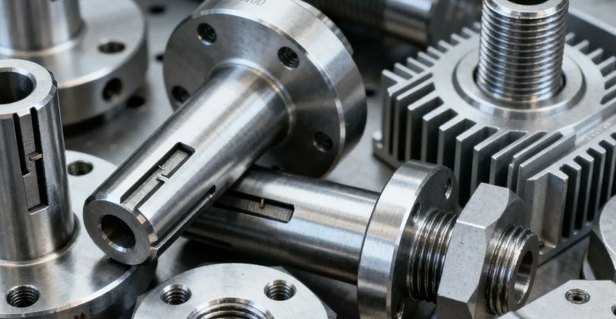 Industrial EquipmentShafts, gears and wear parts for industrial machinery, often in 4140 for strength or 8620 for wear surfaces.
-
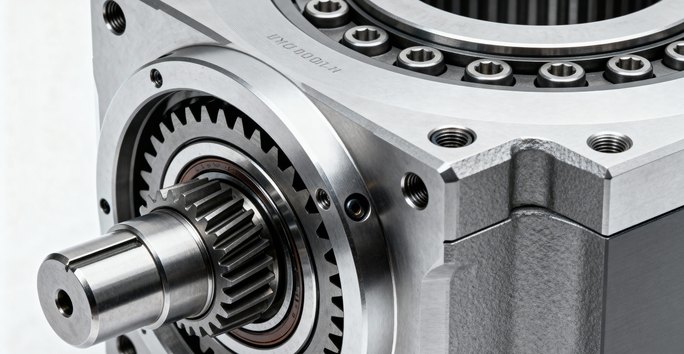 AutomationShafts, gears and wear parts for automated equipment, from a single prototype to production batches with no MOQ.
-
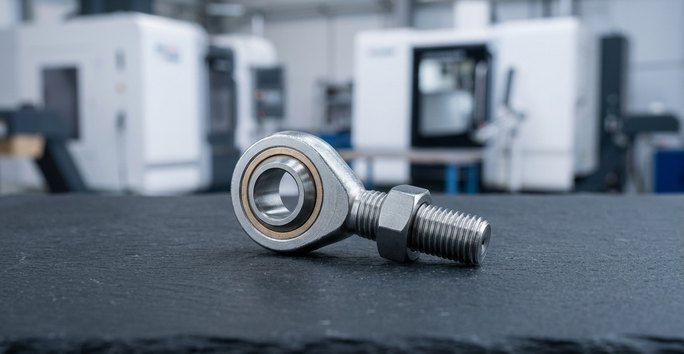 EnergyValve stems, downhole tool components and pressure-rated fittings that need toughness and wear resistance.
-
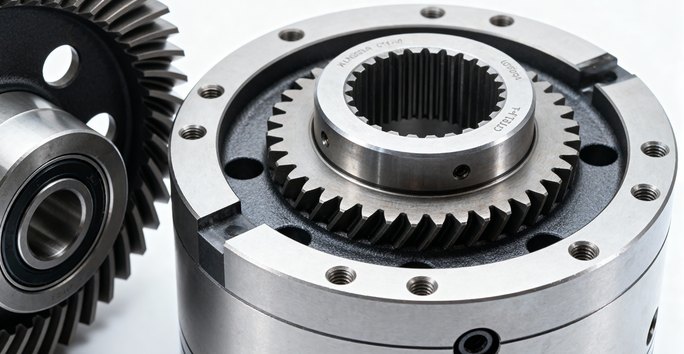 RoboticsHarmonic drive housings, gear shafts and load-bearing joints that carry repeated loads in motion.
Surface Finishing Options for Alloy Steel
Every finish is applied to your CNC machined part and chosen by wear and corrosion requirements, not a one-size finish.
Need a finish not listed here? Browse all surface finishes
-
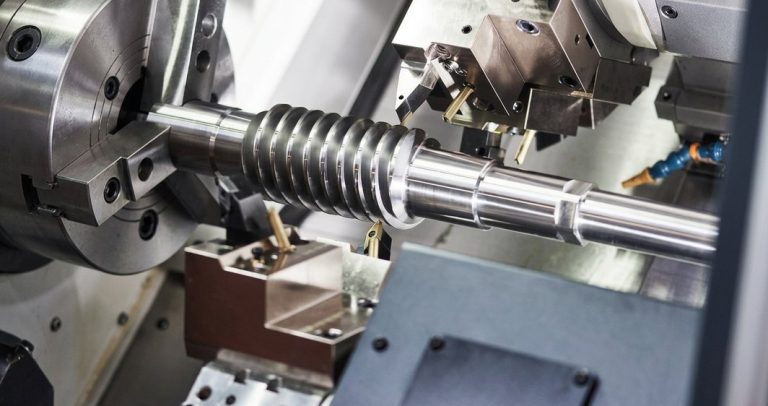 Black OxideMost PopularCNC machining plus black oxide for alloy steel parts, selected against your part's wear and corrosion requirements.Get a Quote
-
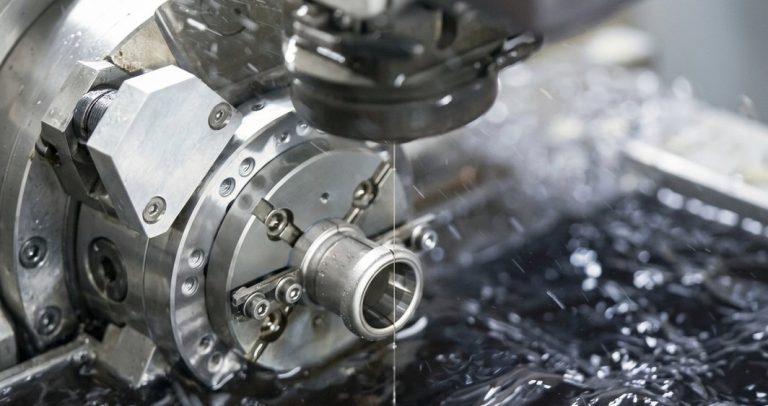 Zinc or Nickel PlatingMost PopularCNC machining plus zinc or nickel plating, specified when corrosion requirements drive the finish choice on steel parts.Get a Quote
-
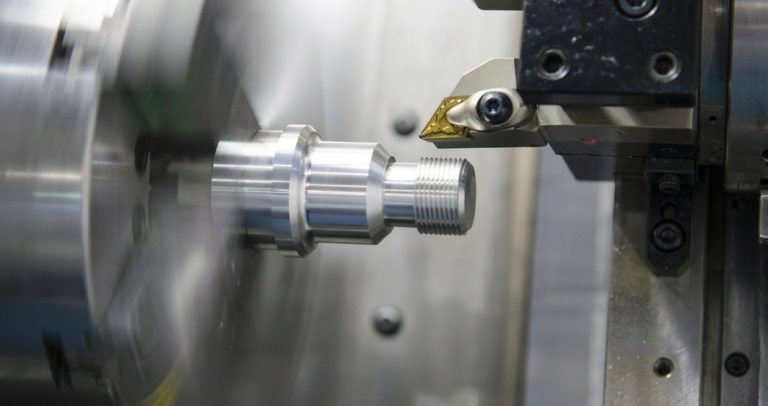 NitridingMost PopularCNC machining plus nitriding, chosen when the part's wear requirements lead the finish decision.Get a Quote
-
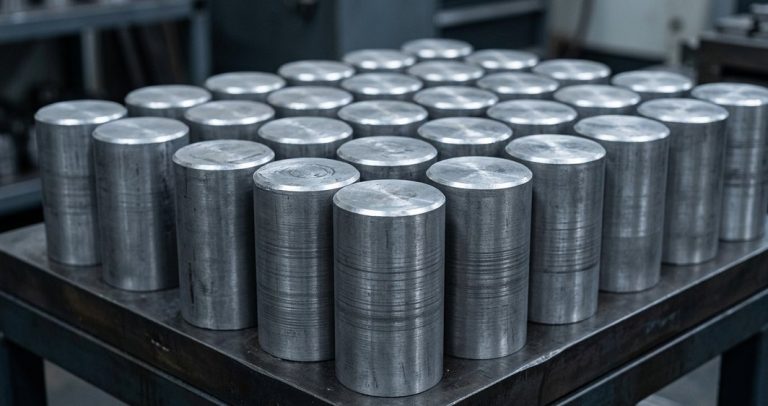 Powder CoatingMost PopularCNC machining plus powder coating for alloy steel parts, selected by wear and corrosion requirements.Get a Quote
-
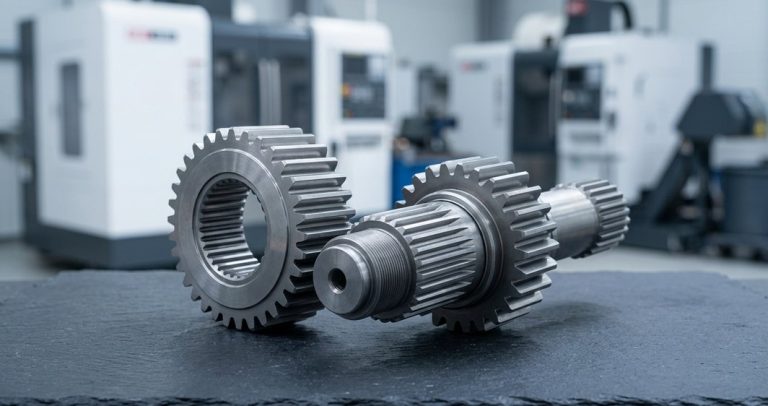 Heat TreatmentMost PopularCNC machining plus heat treatment, which brings out the added chromium, nickel or molybdenum for full strength.Get a Quote
Alloy Steel Machining FAQs
Answers to the questions engineers ask before specifying an alloy steel grade.
Other Materials
-
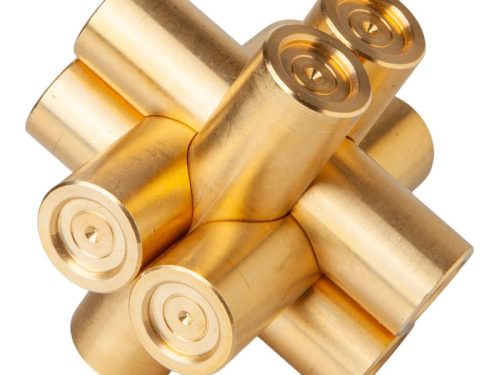 BrassC260, C360 free-cutting brass and Cz121 machined for fittings, valve parts, gears and connectors, from one prototype to production volumes.Learn More
-
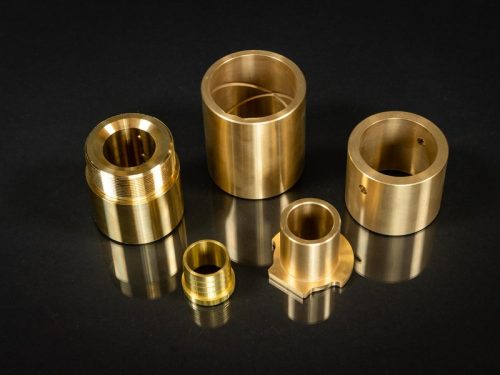 BronzePhosphor bronze C544, sintered C841, bearing bronze 932 and aluminum bronze 954 for bushings, sleeve bearings, gears, connectors and marine fittings.Learn More
-
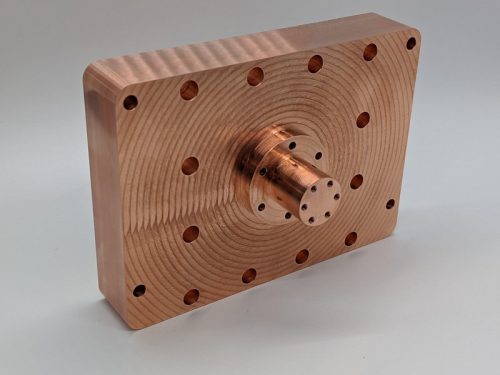 CopperCopper 101 and 110 stocked for waveguides, bus bars, connectors and heat sinks; beryllium and tellurium copper machined on request.Learn More
-
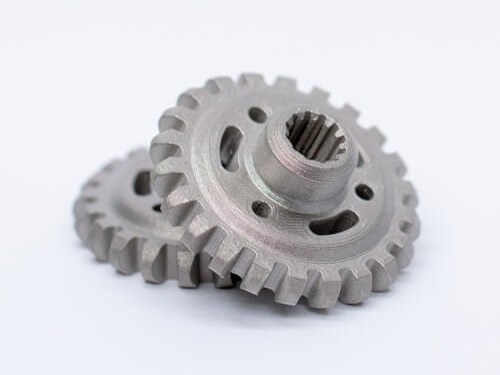 InconelNickel superalloys Inconel 600, 625 and 718, machined for aerospace, energy, medical and industrial parts exposed to heat and corrosive chemistry.Learn More
-
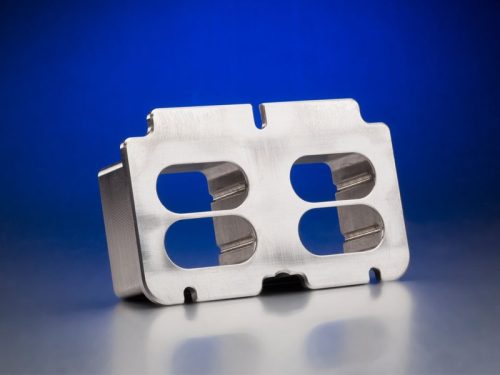 InvarInvar 36 and low-expansion Invar-family alloys, about 1.2 ppm/°C CTE, machined for optics mounts, semiconductor fixtures and measurement tooling.Learn More
-
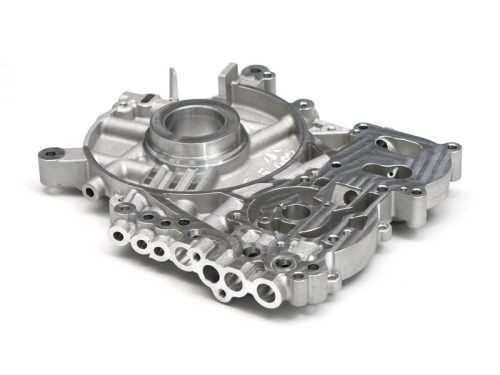 MagnesiumLightest structural metal in production use. AZ31B, AZ61B and AZ91D machined under fire-safe chip and coolant controls for weight-critical parts.Learn More
-
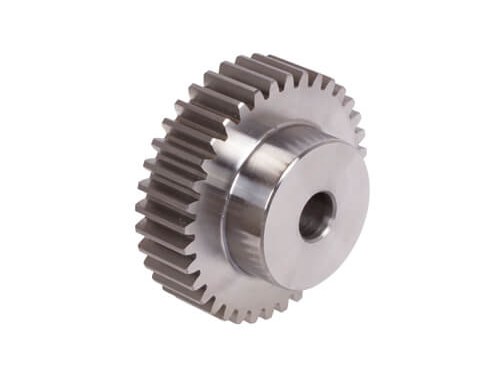 Mild SteelLow-carbon 1018, medium-carbon 1045 and free-machining 1215 and 12L14: cost-effective steel for shafts, brackets, pins, bushings and gears.Learn More
-
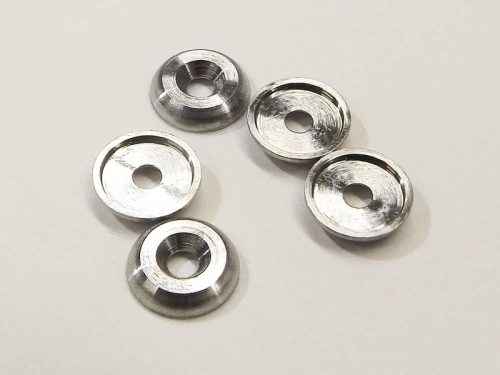 TitaniumGrade 1, Grade 2 and Grade 5 (Ti-6Al-4V) titanium, milled, turned and EDM-cut for aerospace, medical, robotics and semiconductor parts. No MOQ.Learn More
-
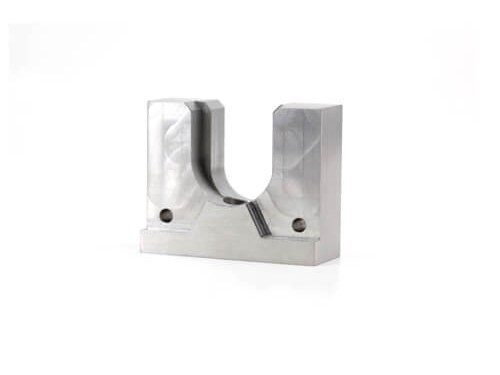 Tool SteelA2, D2, H13, O1, S7 and A3 machined into punches, dies, mold inserts and wear parts, annealed or hardened to 60+ HRC.Learn More
-
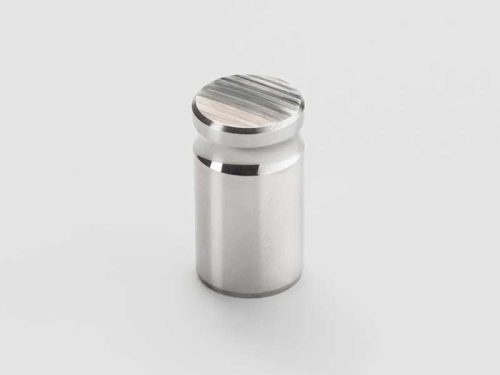 Tungsten SteelTungsten and tungsten carbide grades (YG6, YG8, YG10X, YG15, YL10.2) for wear parts, dies, punches and shielding, milled, turned, EDMed and ground.Learn More
-
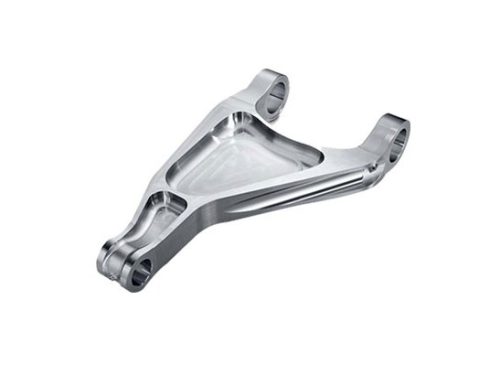 AluminumStocked 6061, 6063, 5083 and 5052 for brackets, housings, marine and fluid-handling parts, held to ±0.005 mm on fit-critical features with no MOQ.Learn More
-
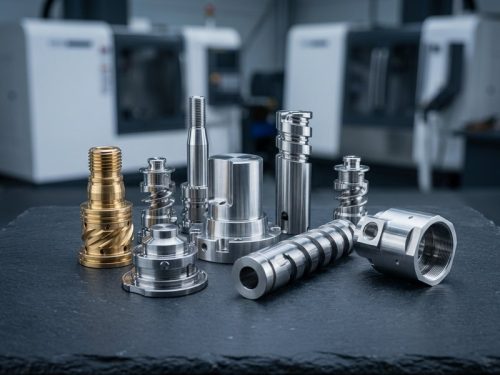 Stainless Steel303, 304, 316L, 17-4PH and 2205 duplex machined for medical, robotics, semiconductor and aerospace parts, from one prototype to production, ±0.005 mm.Learn More

Ready to Scale Your Project?
Get started with a stable process and controlled quality. Let's discuss your project.