









Alloy Steel 8620
Alloy steel 8620 is a low-alloy steel containing nickel, chromium, and molybdenum with high strength and toughness. It is a commonly used steel that can be carburized.
-
530 MPaUltimate Tensile Strength
-
385 MPaYield Strength
-
205 GPaYoung's Modulus(Elasticity)
-
20 %Elongation at Break
At a Glance
-

Material Type
Metal -

Material Name
Alloy Steel 8620 -

Alternative Names
G86200 | 1.6523 -

Process Compatibility
CNC Milling, CNC Turning
Properties Table of Alloy Steel 8620

- Ultimate Tensile Strength 530 MPa(77,000 psi)
- Yield Strength 385 MPa(55,800 psi)
- Young's Modulus(Elasticity) 205 GPa(29,700 ksi)
- Elongation at Break 20%
- Physical Properties
- Corrosion Resistance Moderate corrosion resistance, susceptible to corrosion in certain environments
- Magnetism Ferromagnetic
- UV Resistance Limited UV resistance
- Weldability Good weldability with proper pre-weld and post-weld procedures
- Thermal Properties
- Maximum Service Temperature Approximately 500°C(932°F)
- Thermal Expansion Coefficient 11.7 x 10^-6/°C(20-100°C)
- Thermal Conductivity 46.6 W/m·K(20°C)
- Electrical Properties
- Electrical Resistivity ~7.6 x 10^-7 ohm.m
- ESD Safety Conductive
Applications of Alloy Steel 8620
-
 Gears for automotive and industrial machinery
-
 Camshafts in engine systems
-
 Axles for automotive and machinery
-
 Fasteners such as bolts and nuts
-
 Aircraft parts requiring high strength and toughness
-
 Forged components that require good hardenability and strength
Advantages of Alloy Steel 8620
Advantages of Alloy Steel 8620
- Excellent hardenability
- High strength and toughness
- Versatility for various applications
- Suitable for gears, crankshafts, and heavy-duty machinery components
- Case-hardening ability enhances wear resistance
- Durable performance in demanding conditions
-
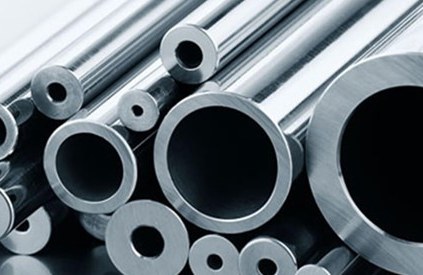 Raw Stock
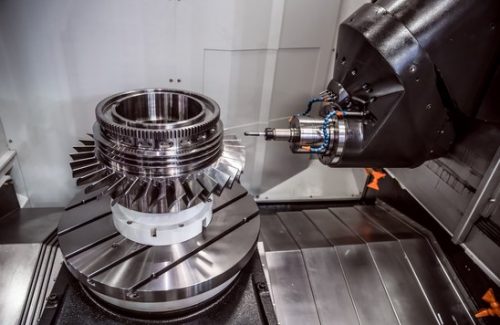 CNC Machined
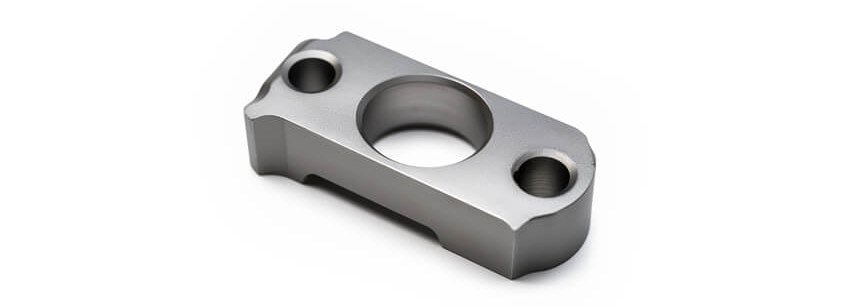 Finished Parts


Alloy Steel 8620 — Machining Notes
FAQ
What is the difference between 4140 and 8620 steel?
4140 alloy steel and 8620 steel differ in carbon content, with 8620 having slightly less and containing nickel. Both share similar amounts of chromium and molybdenum. 8620 steel is well-suited for carburization case hardening.
What do you weld 8620 with?
When welding 8620 using TIG, consider using "oxweld" or ER 70S-2. The CNC'd "teeth" aid alignment, reducing the needed heat input during welding. Welding 8620 steel typically requires preheating and post-weld heat treatment to minimize the risk of cracking. Gas tungsten arc welding (GTAW) or shielded metal arc welding (SMAW) with appropriate filler materials can also be used.
What are common heat treatments for 8620 alloy steel?
Typical heat treatments for 8620 include normalizing, annealing, and case hardening processes like carburizing and hardening.
Other Materials
-
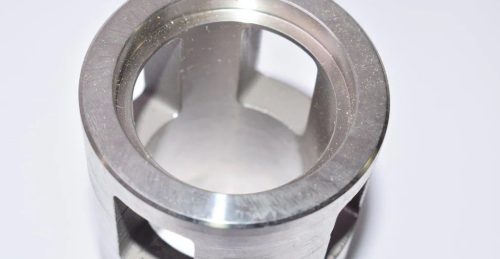 Alloy Steel A514A514 steel is a cost-effective, high-performance material known for its strength, weldability, and toughness, especially in low temperatures.Learn More
-
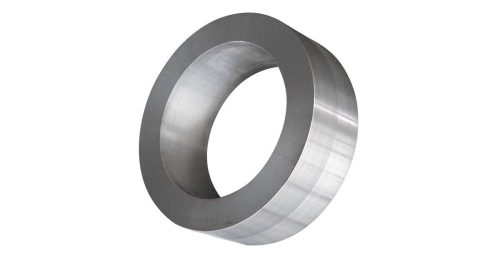 Alloy Steel 4340Alloy Steel 4340 belongs to the AISI 4000 series of steels, a heat-treatable, low-alloy steel with high strength and toughness.Learn More
-
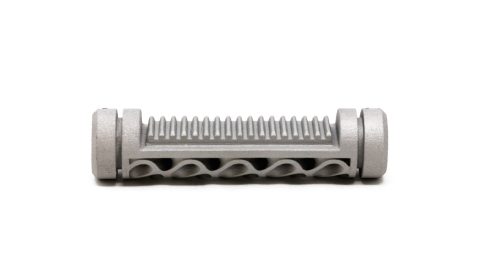 Alloy Steel 4130Alloy steel 4130 is a versatile and widely used material in CNC machining, particularly in the aerospace and automotive industries.Learn More

Ready to Scale Your Project?
Get started with a stable process and controlled quality. Let's discuss your project.








