








Alloy Steel 4130
Alloy steel 4130 is a versatile and widely used material in CNC machining, particularly in the aerospace and automotive industries.
-
540 MPaUltimate Tensile Strength
-
460 MPaYield Strength
-
2050 GPaYoung's Modulus(Elasticity)
At a Glance
-

Material Type
Metal -

Material Name
Alloy Steel 4130 -

Alternative Names
AISI 4130 | 25CrMo4 | 1.7218 | 708A25 | SCM430 -

Process Compatibility
CNC Milling, CNC Turning
Properties Table of Alloy Steel 4130

- Ultimate Tensile Strength 540 MPa
- Yield Strength 460 MPa
- Young's Modulus(Elasticity) 2050 GPa
- Physical Properties
- Corrosion Resistance Moderate
- Magnetism Magnetic
- Weldability Easy, low carbon content
Applications of Alloy Steel 4130
-
 Aircraft engine mounts
-
 Landing gear components
-
 Automotive chassis components
-
 Industrial machinery parts
-
 Building and bridge construction
-
 Power generation turbine components
-
 Racing car chassis and roll cages
-
 Marine engineering components
Advantages of Alloy Steel 4130
Advantages of Alloy Steel 4130
- Excellent strength-to-weight ratio
- Good weldability
- Machinability
- Responsive to heat treatment
- Versatile for various applications
- Corrosion resistance (moderate)
- Cost-effective alternative
- Widely used in aerospace applications
-
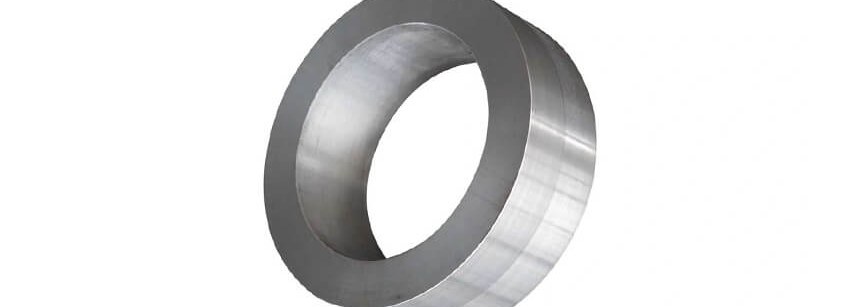
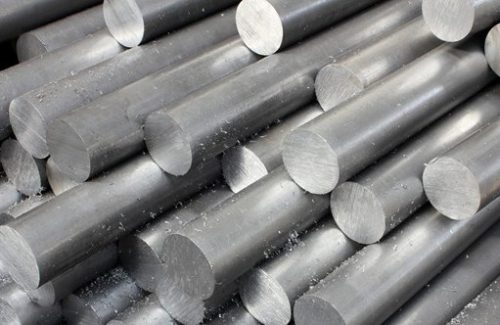 Raw Stock
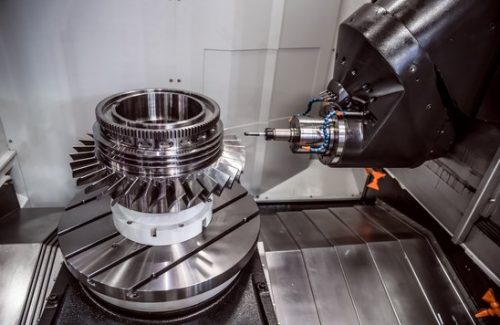 CNC Machined
 Finished Parts


Alloy Steel 4130 — Machining Notes
FAQ
Can you weld 4130 steel?
Welding 4130 is possible with TIG or MIG. Preheat isn't usually required for thin sections (up to 0.120-in), but for larger tubing, use a 300F-400F preheat. ER80S-D2 is a common filler metal choice.
How do you harden 4130 steel?
4130 steel can be hardened through quenching and tempering. After heating the material to the appropriate temperature range (typically around 1600°F or 870°C), it is rapidly quenched in oil or water to achieve maximum hardness. Subsequently, the hardened steel is tempered at a lower temperature to balance hardness and toughness.
Is 4130 steel good for bikes?
Yes, 4130 steel is widely used in the manufacturing of bike frames due to its excellent strength-to-weight ratio and durability. It can withstand the stress and loads encountered in cycling. Many high-quality and performance-oriented bicycle frames are made from 4130 steel.
Other Materials
-
 Alloy Steel A514A514 steel is a cost-effective, high-performance material known for its strength, weldability, and toughness, especially in low temperatures.Learn More
-
 Alloy Steel 8620Alloy steel 8620 is a low-alloy steel containing nickel, chromium, and molybdenum with high strength and toughness. It is a commonly used steel that can be carburized.Learn More
-
 Alloy Steel 4340Alloy Steel 4340 belongs to the AISI 4000 series of steels, a heat-treatable, low-alloy steel with high strength and toughness.Learn More

Ready to Scale Your Project?
Get started with a stable process and controlled quality. Let's discuss your project.