









Tool Steel O1
Tool steel O1 is an oil-hardening, non-deforming tool steel that belongs to the cold work tool steel group. It has high wear resistance, good dimensional stability, toughness, and machinability.
-
640-720 MPaUltimate Tensile Strength
-
400 MPaYield Strength
-
190 GPaYoung's Modulus(Elasticity)
-
20 %Elongation at Break
At a Glance
-

Material Type
Metal -

Material Name
Tool Steel O1 -

Alternative Names
1.2510 | 100MnCrW4 | T31501| AISI O1 | SKS3 -

Process Compatibility
CNC Milling, CNC Turning
Properties Table of Tool Steel O1

- Ultimate Tensile Strength 640-720 MPa
- Yield Strength 400 MPa
- Young's Modulus(Elasticity) 190 GPa
- Elongation at Break 20%
- Physical Properties
- Magnetism Magnetic
- Weldability Poor
- Thermal Properties
- Maximum Service Temperature 165-215°C
- Thermal Expansion Coefficient 11.3-11.8 x 10^-6/°C
- Thermal Conductivity 41.2-44.6 W/(m·°C)
- Electrical Properties
- Electrical Resistivity 24.5-30.2 μΩ*cm
Applications of Tool Steel O1
-
 Cutting knives
-
 Dies for blanking and forming
-
 Thread rolling dies
-
 Injection molding dies
-
 Woodworking chisels
-
 Carving tools
-
 Drawing and extrusion tools
-
 Precision measuring tools
Advantages of Tool Steel O1
Advantages of Tool Steel O1
- Excellent wear resistance
- Good toughness for impact resistance
- High hardness for sharp cutting performance
- Simple heat treatment process
- Good dimensional stability during heat treatment
- Versatile applications in cold work tooling, dies, punches, and knives
- Ease of machining, contributing to cost savings
- Good polishability for smooth surfaces
-
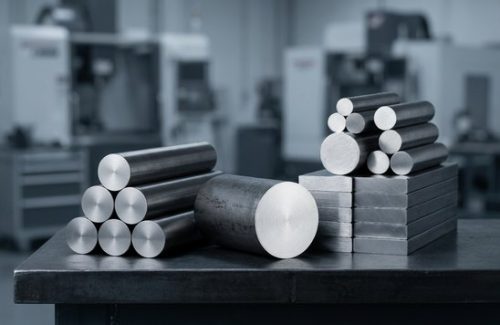 Raw Stock
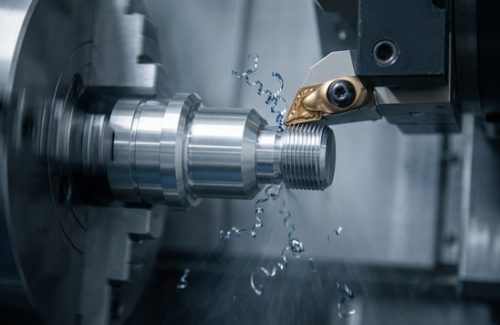 CNC Machined
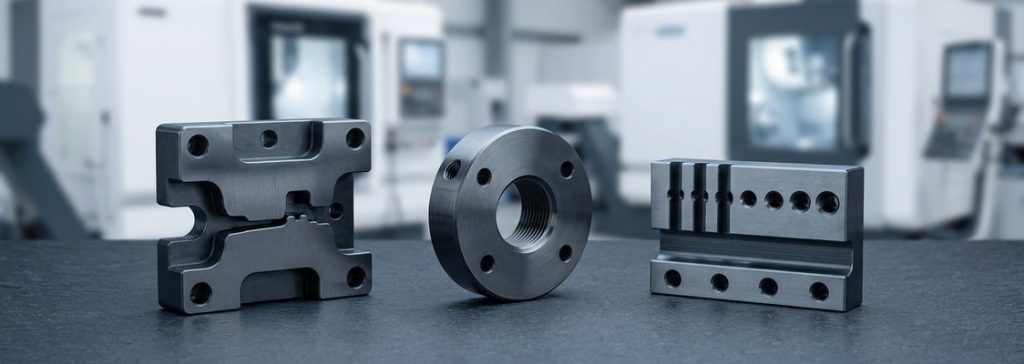 Finished Parts


Tool Steel O1 — Machining Notes
FAQ
Will O1 tool steel rust?
Like many tool steels, O1 is prone to rusting if not properly cared for. Keeping the steel dry, clean, and coated with a rust inhibitor or oil is recommended to prevent rust. Regular maintenance and storage in a controlled environment can help mitigate the risk of rusting.
Can O1 steel be welded?
While O1 tool steel can be welded, it is not considered a readily weldable steel due to its high carbon content. The high carbon content makes it prone to cracking during welding. Preheating and post-weld heat treatment are often necessary to minimize the risk of cracking.
How do you harden O1?
O1 tool steel is typically hardened through a process known as oil quenching. The general procedure involves heating the steel to a specific temperature range (typically around 1450-1600°F or 788-871°C), holding it at that temperature for a sufficient time to ensure uniformity, and then quenching it in oil. The oil quenching process helps achieve the desired hardness and toughness in O1 tool steel. Subsequently, the steel is usually tempered to reduce brittleness and achieve the desired balance of hardness and toughness.
What is the difference between O1 and W1 tool steel?
O1 tool steel is an oil-hardening steel containing a higher alloy content, including chromium and tungsten. This makes O1 more wear-resistant and provides better hardening capabilities compared to W1. W1 tool steel, on the other hand, is a water-hardening steel with a simpler composition. It has a high carbon content and is used for applications where water quenching is preferred.
Other Materials
-
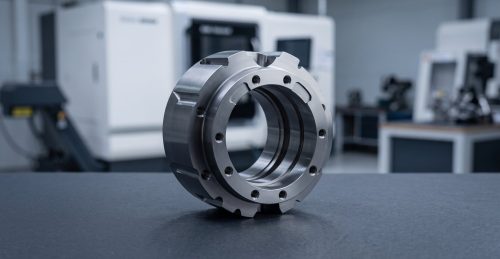 Tool Steel S7Tool Steel S7, known for its shock-resistant properties. It has high impact strength, wear resistance, and toughness.Learn More
-
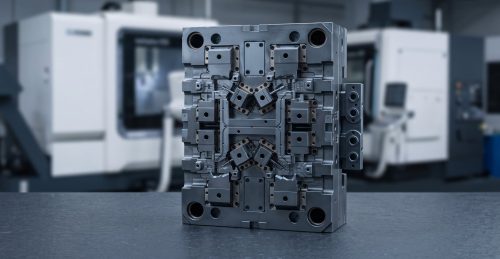 Tool Steel H13H13 tool steel is widely used in CNC machining due to its excellent hardness, heat resistance, and toughness.Learn More
-
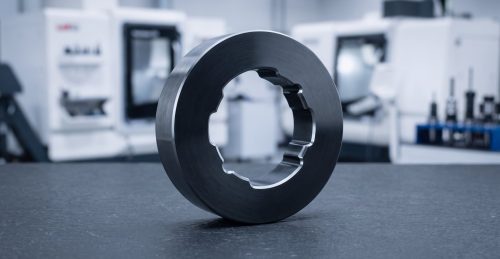 Tool Steel D2Tool steel D2 is a high-carbon, high-chromium, air-hardening steel with excellent wear resistance, high compressive strength, and good toughness.Learn More

Ready to Scale Your Project?
Get started with a stable process and controlled quality. Let's discuss your project.








