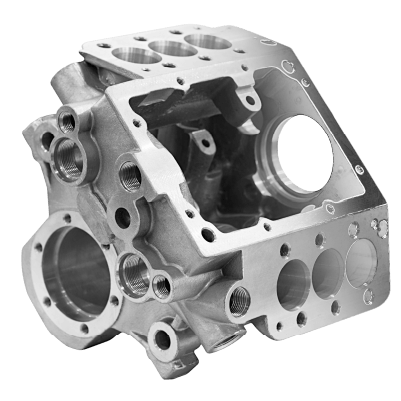









Tool Steel H13
H13 tool steel is widely used in CNC machining due to its excellent hardness, heat resistance, and toughness.
-
690 MPaUltimate Tensile Strength
-
330 MPaYield Strength
-
190 GPaYoung's Modulus(Elasticity)
-
21 %Elongation at Break
At a Glance
-

Material Type
Metal -

Material Name
Tool Steel H13 -

Alternative Names
1.2344 | X40CrMoV5-1 | AISI H13 | SKD61 -

Process Compatibility
CNC Milling, CNC Turning
Properties Table of Tool Steel H13

- Ultimate Tensile Strength 690 MPa
- Yield Strength 330 MPa
- Young's Modulus(Elasticity) 190 GPa
- Elongation at Break 21%
- Physical Properties
- Magnetism Magnetic
- Weldability Poor
- Thermal Properties
- Thermal Expansion Coefficient 10.4-12.4 x 10^-6/°C
- Thermal Conductivity 22-29 W/(m·°C)
- Electrical Properties
- Electrical Resistivity 52-86 μΩ*cm
Applications of Tool Steel H13
-
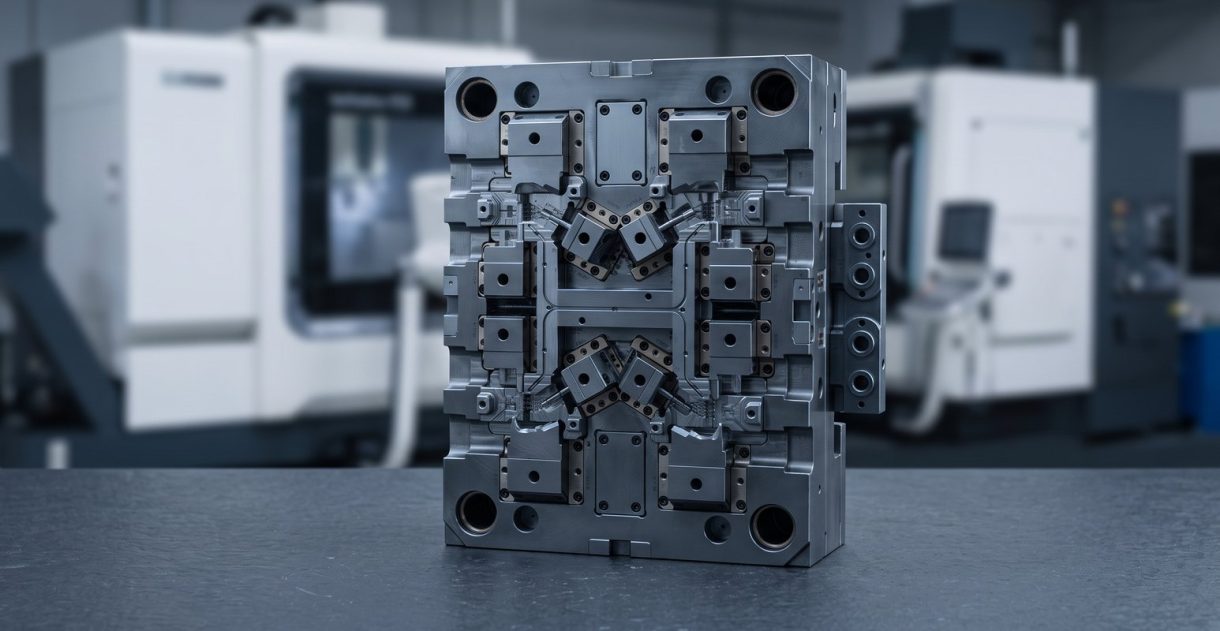
 Die casting dies
-
 Extrusion dies
-
 Plastic injection molds
-
 Plastic extrusion molds
-
 Aluminum extrusion tooling
-
 Metal stamping dies
-
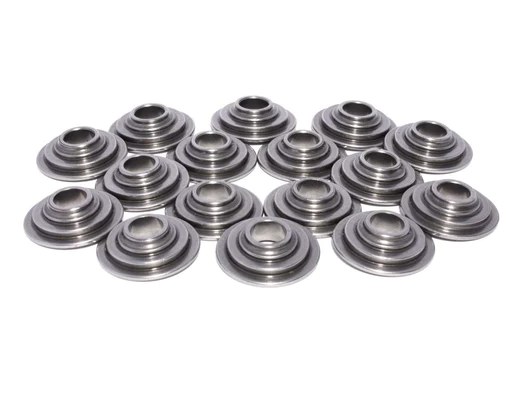
 Forming dies for aerospace components
Advantages of Tool Steel H13
Advantages of Tool Steel H13
- High Hardness and Toughness
- Hot Hardness
- Excellent Wear Resistance
- Good Thermal Conductivity
- Good Machinability
- Ease of Heat Treatment
- Good Polishing and Etching Properties
-
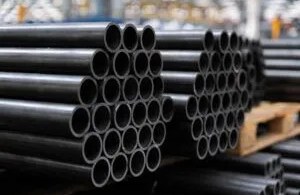 Raw Stock
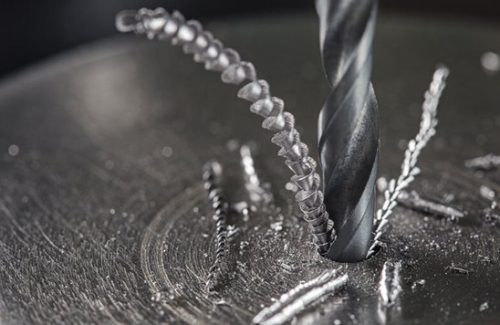 CNC Machined
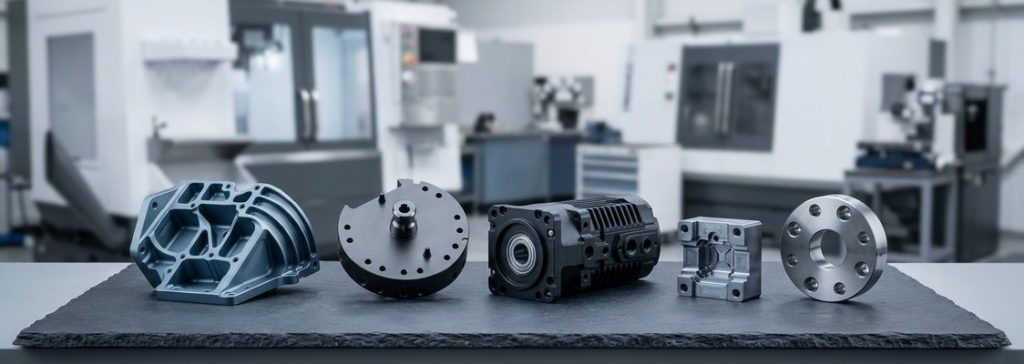 Finished Parts


Tool Steel H13 — Machining Notes
FAQ
Does H13 tool steel rust?
H13 tool steel is known for its excellent corrosion resistance. It contains a significant amount of chromium, which forms a protective oxide layer on the surface of the steel. This layer helps prevent rust and corrosion. However, it's essential to properly maintain and store H13 tool steel to ensure its corrosion resistance over time.
Can H13 steel be welded?
H13 tool steel is weldable but requires careful consideration and proper welding techniques. Welding should be done using preheating and post-weld heat treatment to minimize the risk of cracking and maintain the steel's desired properties. Proper filler materials and welding procedures should also be selected to ensure a strong and durable weld.
What is the difference between A2 and H13 steel?
A2 steel contains chromium, molybdenum, and vanadium, providing good wear resistance and toughness. It is often used for cold work applications, such as blanking and forming. On the other hand, H13 steel contains chromium, molybdenum, and vanadium as well but is specifically designed for hot work applications. H13 offers excellent resistance to thermal fatigue and is commonly used in die casting, forging, and extrusion applications where high temperatures are involved.
Is H13 air hardening?
Yes, H13 tool steel is an air-hardening steel. This means it achieves hardness through cooling in air rather than oil or water quenching. The air-hardening property simplifies the heat treatment process.
Other Materials
-
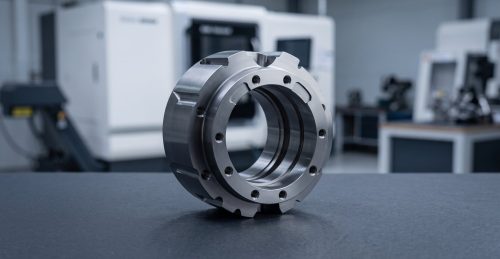 Tool Steel S7Tool Steel S7, known for its shock-resistant properties. It has high impact strength, wear resistance, and toughness.Learn More
-
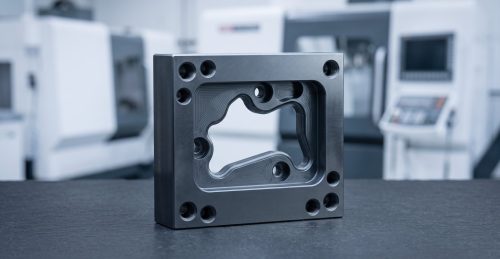 Tool Steel O1Tool steel O1 is an oil-hardening, non-deforming tool steel that belongs to the cold work tool steel group. It has high wear resistance, good dimensional stability, toughness, and machinability.Learn More
-
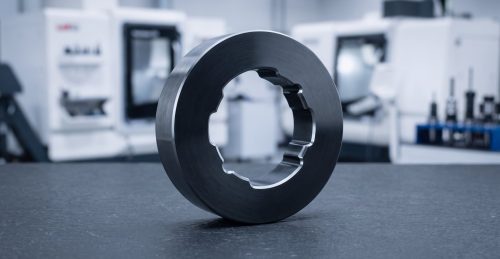 Tool Steel D2Tool steel D2 is a high-carbon, high-chromium, air-hardening steel with excellent wear resistance, high compressive strength, and good toughness.Learn More

Ready to Scale Your Project?
Get started with a stable process and controlled quality. Let's discuss your project.