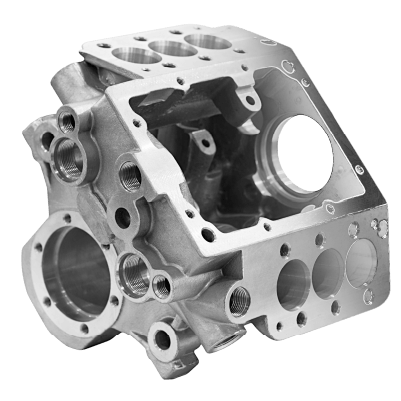









Tool Steel D2
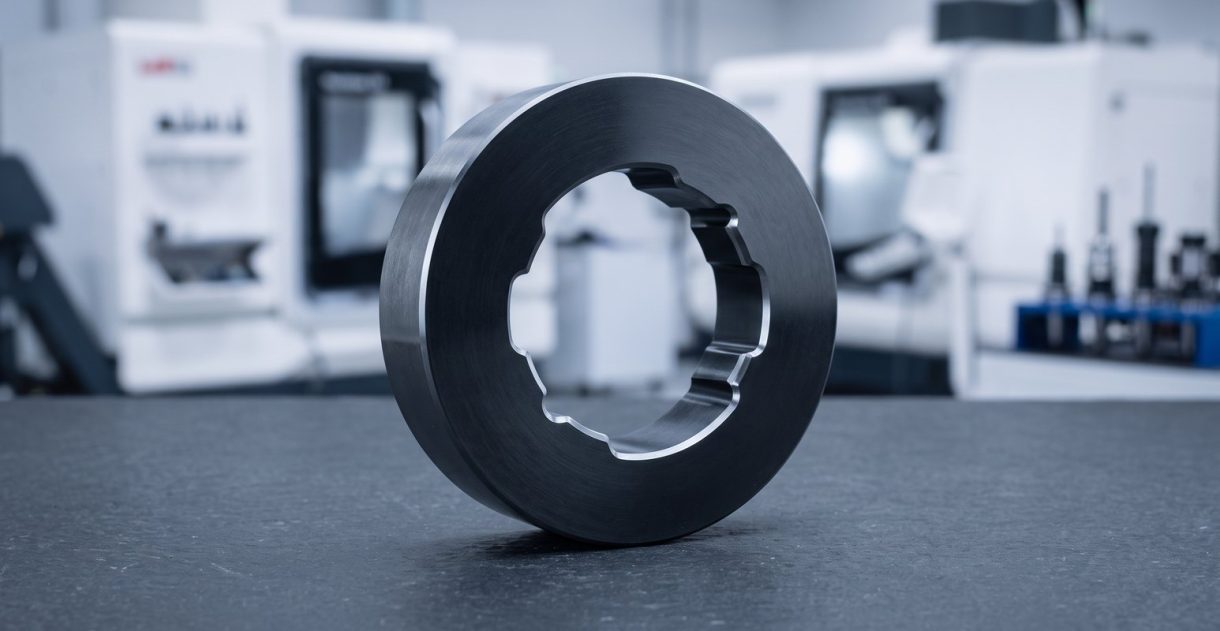
Tool steel D2 is a high-carbon, high-chromium, air-hardening steel with excellent wear resistance, high compressive strength, and good toughness.
-
758-860 MPaUltimate Tensile Strength
-
420-470 MPaYield Strength
-
190 GPaYoung's Modulus(Elasticity)
-
16 %Elongation at Break
At a Glance
-

Material Type
Metal -

Material Name
Tool Steel D2 -

Alternative Names
1.2379 | X153CrMoV12 | T30402 | AISI D2 -

Process Compatibility
CNC Milling, CNC Turning
Properties Table of Tool Steel D2

- Ultimate Tensile Strength 758-860 MPa
- Yield Strength 420-470 MPa
- Young's Modulus(Elasticity) 190 GPa
- Elongation at Break 16%
- Physical Properties
- Magnetism Magnetic
- UV Resistance Limited UV resistance
- Weldability Poor
- Thermal Properties
- Maximum Service Temperature 195-245°C
- Thermal Expansion Coefficient 10.3-12 x 10^-6/°C
- Thermal Conductivity 29.3-31.7 W/(m·°C)
- Electrical Properties
- Electrical Resistivity 65-70 μΩ*cm
Applications of Tool Steel D2
-
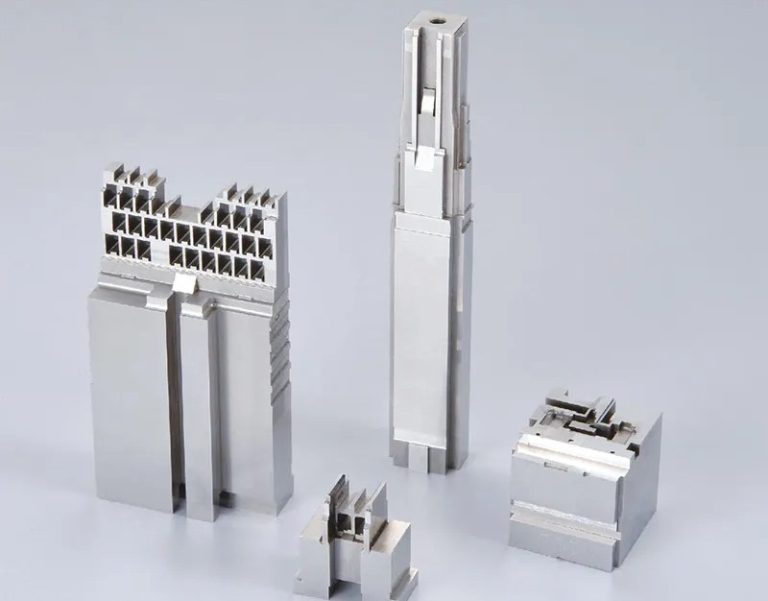
 Cutting dies
-
 Threading dies
-
 Shear blades
-
 Extrusion dies
-
 Thread rolling dies
-
 Drawing dies
-
 Blanking tools
-
 Forming tools
Advantages of Tool Steel D2
Advantages of Tool Steel D2
- High Wear Resistance
- Good Toughness
- Good Dimensional Stability
- High Hardness
- Good Machinability
- Resistance to Deformation
- Versatility
- Maintains a sharp cutting edge over time
-
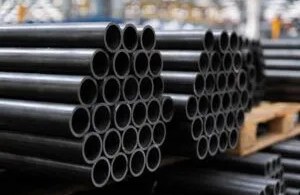 Raw Stock
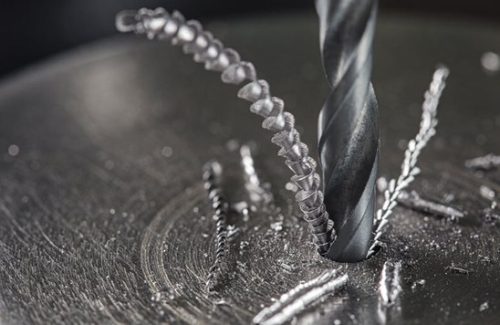 CNC Machined
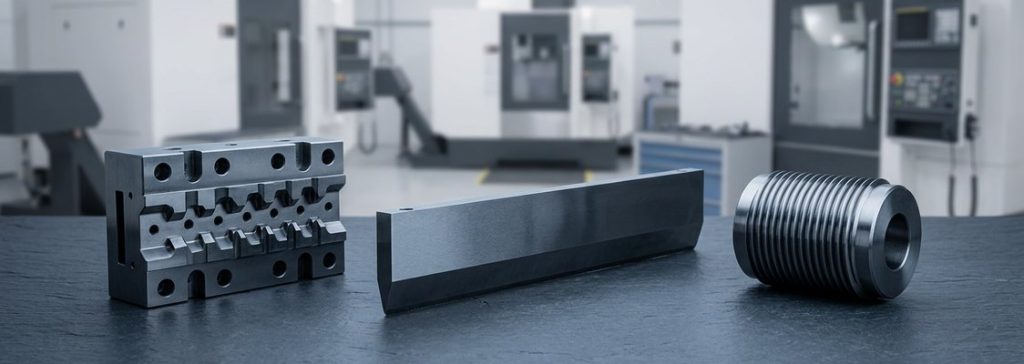 Finished Parts


Tool Steel D2 — Machining Notes
FAQ
Is D2 tool steel good for knife blades?
Yes, D2 tool steel is commonly used for knife blades. It is a high-carbon, high-chromium tool steel known for its excellent wear resistance, hardness, and edge retention.
Is D2 steel rust-resistant?
D2 steel is not considered stainless steel and contains a high amount of carbon. While it has good corrosion resistance compared to many other tool steels, it is not entirely rust-resistant. Proper care, such as regular cleaning and oiling, is recommended to prevent rusting.
Is D2 tool steel easy to sharpen?
D2 tool steel has high hardness, contributing to excellent edge retention. However, this hardness can make it more challenging to sharpen than some other steels. While sharpening may take more effort, the resulting edge can be very durable.
Which is better D2 or D3 steel?
Both are high-carbon, high-chromium tool steels, but they have differences in composition and properties. D2 steel has excellent wear resistance and edge retention, making it suitable for cutting tools and knife blades. D3 steel, on the other hand, is often chosen for applications where toughness and shock resistance are important, such as in forming dies. The "better" steel depends on the specific needs of the project or product.
Other Materials
-
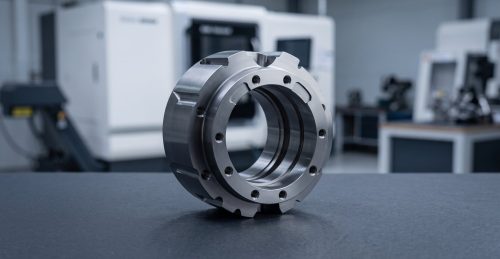 Tool Steel S7Tool Steel S7, known for its shock-resistant properties. It has high impact strength, wear resistance, and toughness.Learn More
-
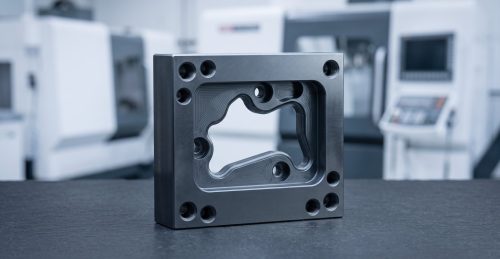 Tool Steel O1Tool steel O1 is an oil-hardening, non-deforming tool steel that belongs to the cold work tool steel group. It has high wear resistance, good dimensional stability, toughness, and machinability.Learn More
-
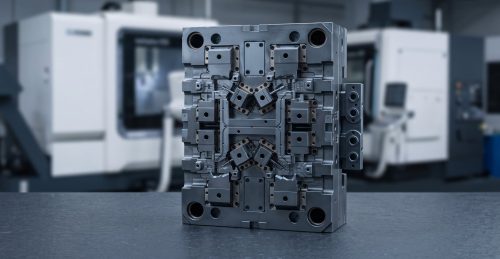 Tool Steel H13H13 tool steel is widely used in CNC machining due to its excellent hardness, heat resistance, and toughness.Learn More

Ready to Scale Your Project?
Get started with a stable process and controlled quality. Let's discuss your project.