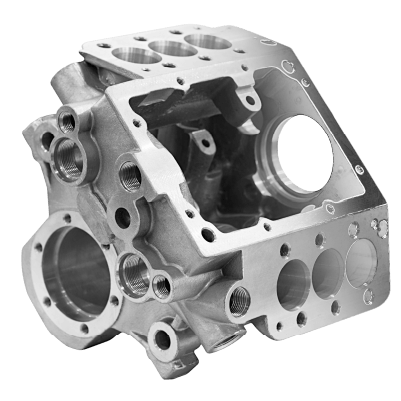









Inconel 718 Machining Services
Also known as UNS N07718 · 2.4668 · ASTM B637Inconel 718 machining at DEK covers UNS N07718 / 2.4668 parts from one prototype to production, with no MOQ and a 3-day prototype lead time. This precipitation-hardening nickel superalloy is milled on 3/4/5-axis platforms with coolant-through tooling and verified on in-house CMM.
-
~1275 MPaUTS (Aged)
-
~1035 MPaYield (Aged)
-
40–45 HRCHardness (Aged)
-
≤650°CMax Service Temp
Inconel 718 CNC Machining Capabilities
Tolerances DEK holds in precipitation-hardening alloy machining of 718, from ISO 2768-f/m to ±0.003 mm on micro parts.
-

General Tolerance
±0.013 mmtypical, ISO 2768-f/m
-

Critical Features
±0.005 mmbore fits, coaxiality
-

5-Axis Profile
±0.01 mmcomplex geometry
-

Micro Components
±0.003 mmsub-10 mm parts
-

As-Machined Finish
Ra 0.8–1.6 µmtypical
-

Ground Finish
Ra 0.4 µmor better, ground/lapped
-

Max Part Size
~1000 mmlarge structural parts
-

Prototype Lead Time
3 daysship as fast as 1 day
Inconel 718 Properties and Designations
Solution-annealed vs aged property data for Inconel 718, the nickel-chromium superalloy strengthened by niobium and molybdenum.
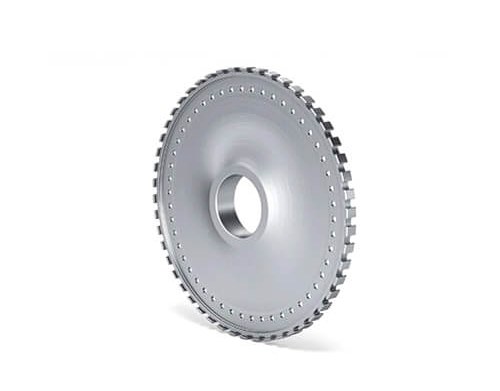
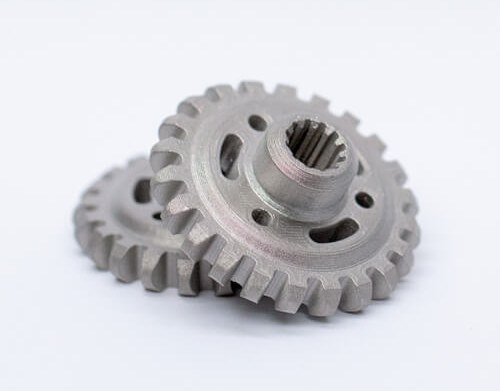

- Ultimate Tensile Strength 900–930 MPa
- Yield Strength 490–510 MPa
- Elongation at Break 40–45%
- Hardness ≤35 HRC

- Ultimate Tensile Strength ~1275 MPa
- Yield Strength ~1035 MPa
- Elongation at Break 12–20%
- Hardness 40–45 HRC

- Young's Modulus 190–200 GPa
- Thermal Conductivity 11–11.4 W/(m·°C)
- Max Continuous Service ≤650°C (1200°F)
- Creep-Rupture, Short-Term 700°C (1300°F)

- UNS N07718
- W.Nr. 2.4668
- Standard ASTM B637
- Supply Condition Solution-annealed
- Aging Specification AMS 2774
- Weldability Excellent (annealed)
- Stock Forms Bar/plate/sheet/forging
Why Inconel 718 Is Difficult to Machine
How DEK controls work-hardening, heat and tool wear in nickel superalloy machining, with tooling and feed data.
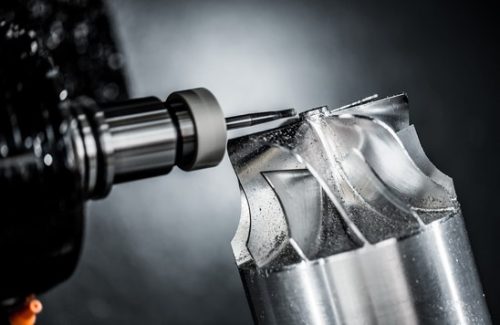
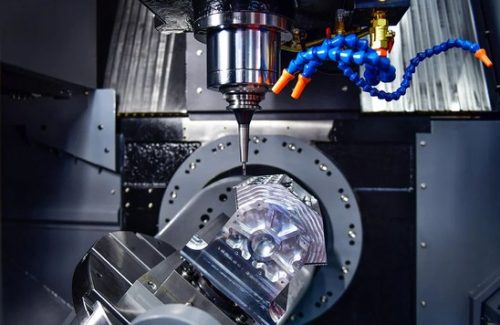
Inconel 718 work-hardens rapidly under cutting pressure and conducts little heat, so the cutting edge carries the load. DEK runs it on rigid 3/4/5-axis platforms with sharp, coated carbide and constant, positive feed rates.
Solid-carbide practice runs roughly 20–40 SFM at 0.002–0.004 in/tooth, a fraction of the 300+ SFM common on aluminum. That gap explains longer cycle times and higher per-part cost, and why 718 sits on DEK’s validated process list for hard-to-machine alloys.
- Coolant-through machining aimed at the tool-workpiece interface, not flood coolant alone
- In-house CMM verification and SPC checkpoints catch drift at the part, not after shipping
- The validated list also covers Ti-6Al-4V, 17-4PH, 316LVM and PEEK
-
Cutting Speed
20–40 SFMsolid-carbide tooling
-
Chip Load (in/tooth)
0.002–0.004solid-carbide practice
-
Machinability Rating
~12%of free-machining steel
-
Thermal Conductivity
11–11.4 W/(m·°C)heat goes into the tool
-
Work-Hardening
Rapidstiffens under cut pressure
Custom Inconel 718 Parts by Industry
Industries that rely on DEK's Inconel 718 parts for strength at elevated temperature and corrosion resistance.
-
 Aerospace ComponentsNon-flight-critical structural and cabin support parts that must hold dimension after repeated thermal cycling.
-
 Energy ComponentsComponents exposed to sustained heat and corrosive process media, where 718 retains strength at elevated temperature.
-
 Semiconductor HardwareChamber and process-adjacent hardware, where the corrosion resistance of 718 suits demanding service environments.
-
 Robotics ComponentsHigh-strength components where weight trades against load capacity, machined from prototype through production.
Inconel 718 vs Inconel 625 and 17-4 PH
Choose 718 when parts need its aged mechanical properties at temperature. Inconel 625 is more weldable for corrosion-heavy service; 17-4 PH costs less when 718's temperature ceiling isn't needed.
| Criteria | This GradeInconel 718 | Inconel 625 | 17-4 PH |
|---|---|---|---|
| Alloy type | Ni-Cr superalloy | Inconel grade | Stainless |
| Strength | ~1275 MPa (aged) | Lower | – |
| Weldability | Excellent (annealed) | More weldable | – |
| Aged properties | Yes | Not required | – |
| Temperature ceiling | ≤650°C continuous | – | Lower |
| Cost | Higher | – | Lower |
| Typical use | Strength at heat | Corrosion service | Aerospace grade |
Inconel 718 Heat Treatment and Finishes
CNC machining + finish options for Inconel 718, including the solution + age cycle per AMS 2774 and surface finishes.
-
Solution + Age Cycle AvailableDEK coordinates the solution + age cycle per AMS 2774 after CNC machining, bringing 718 parts to aged properties instead of shipping the softer annealed state.
-
Passivation AvailableCNC machining + passivation for Inconel 718 parts, offered as a finish option on the same engineer-reviewed quote as the machining.
-
Plating AvailableCNC machining + plating is available on 718 parts; specify the plating type on your drawing and it is quoted together with machining.
-
Powder Coating AvailableCNC machining + powder coating is listed among the finish options for Inconel 718 parts, quoted together with the machining work.
-
Grinding AvailableGround or lapped 718 features reach Ra 0.4 µm or better where a spec calls for it, versus Ra 0.8–1.6 µm typical as machined.
Get a Quote for Inconel 718 CNC Machining
No MOQ: a single validation part gets the same quoting and QA path as a production release. Prototypes in 3 days, shipping as fast as 1 day after inspection.
Why DEK for Inconel 718 Machining
DEK carries 718 parts from prototype to production under one process plan, with certified quality checkpoints and cost drivers flagged before you submit a drawing.
For UNS N07718 machining and 2.4668 machining programs, DEK operates under ISO 9001, AS9100D and ISO 13485, all obtained through TUV. Every job moves through IQC, IPQC, FAI, OQC, SPC and CAPA checkpoints, backed by in-house CMM inspection and full material traceability.
Mill test reports can reference AMS 5662 (bar, forging, ring) and AMS 5663 (aged bar and forging), with First Article Inspection reports per AS9102 where a program calls for it. See our quality system.
718 wears cutting edges faster than aluminum or mild steel, so tool changes and re-indexing add non-cutting time that a realistic quote accounts for upfront.
- Thin walls flex under cutting force, pushing toward slower feeds and more finishing passes
- Deep pockets and high depth-to-diameter ratios limit tool rigidity and force smaller stepovers
- Prototype volumes carry higher per-part setup cost; production quantities spread it once validated
-
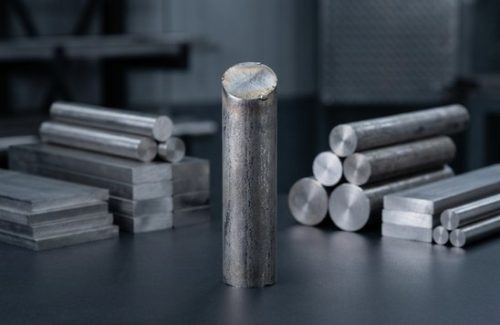 Raw Stock
 CNC Machined
 Finished Parts
-
 Raw Stock
 CNC Machined
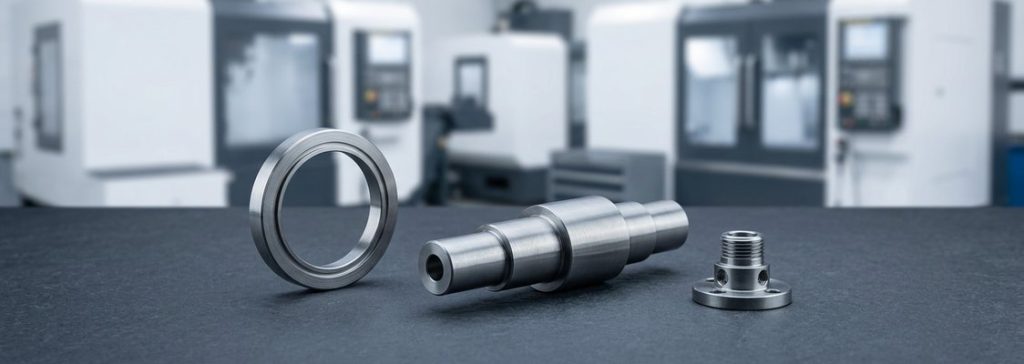 Finished Parts
Inconel 718 Machining FAQ
Common questions from engineers and buyers sourcing Inconel 718 parts.
Other Materials
-
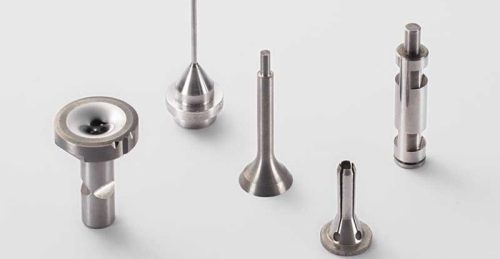 Tungsten Steel YG8Did you know that Tungsten Steel YG8 has physical properties three times higher than steel? This means it’s more durable and long-lasting, saving you time and money in the long run.Learn More
-
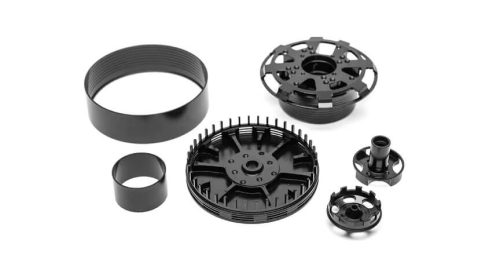 Magnesium AZ91DMagnesium AZ91D is a high-purity magnesium die-casting alloy that offers a good balance of strength and weight, providing strength comparable to many aluminum alloys.Learn More
-
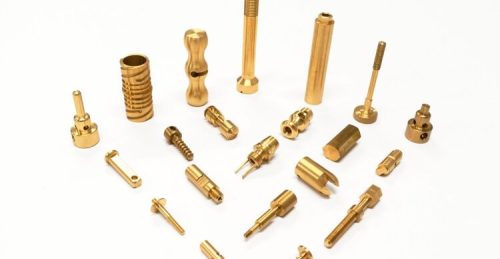 Brass Cz121CZ121 is also known as CW614N in the European standard. It is a free-machining leaded brass alloy.Learn More

Ready to Scale Your Project?
Get started with a stable process and controlled quality. Let's discuss your project.