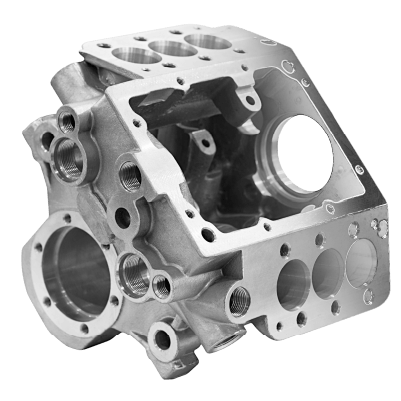









Brass Cz121
CZ121 is also known as CW614N in the European standard. It is a free-machining leaded brass alloy.
-
360-370 MPaUltimate Tensile Strength
-
115-130 MPaYield Strength
-
97-100 GPaYoung's Modulus(Elasticity)
-
17-20 %Elongation at Break
At a Glance
-

Material Type
Metal -

Material Name
Brass Cz121 -

Alternative Names
C38500 | 2.0401 | CuZn39Pb3 | CW614N -

Process Compatibility
CNC Milling, CNC Turning
Properties Table of Brass Cz121

- Ultimate Tensile Strength 360-370 MPa
- Yield Strength 115-130 MPa
- Young's Modulus(Elasticity) 97-100 GPa
- Elongation at Break 17-20%
- Physical Property
- Corrosion Resistance Fair to Excellent
- Thermal Property
- Thermal Expansion Coefficient 20-21 x 10^-6/°C
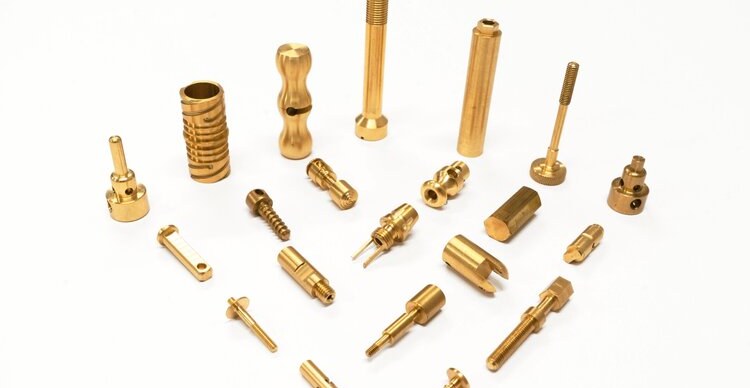
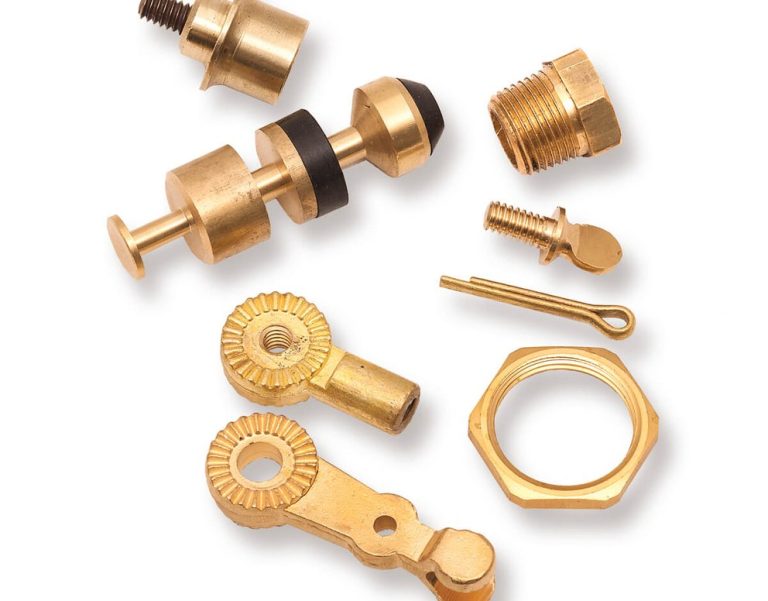
Applications of Brass Cz121
-
 Electrical connectors
-
 Plumbing fittings
-
 Automotive components
-
 Valve bodies
-
 Fasteners and screws
-
 Decorative hardware
-
 Marine hardware
Advantages of Brass Cz121
Advantages of Brass Cz121
- Corrosion resistance
- High machinability
- Good strength and ductility
- Excellent thermal conductivity
- Aesthetic appeal
- Low friction coefficient
- Easy to solder and braze
-
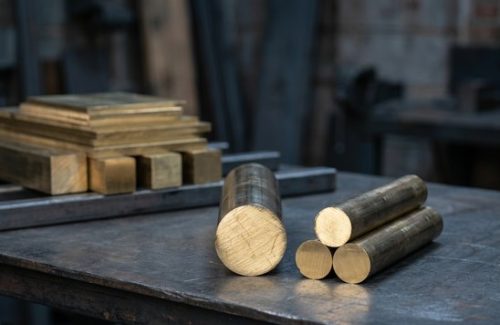 Raw Stock
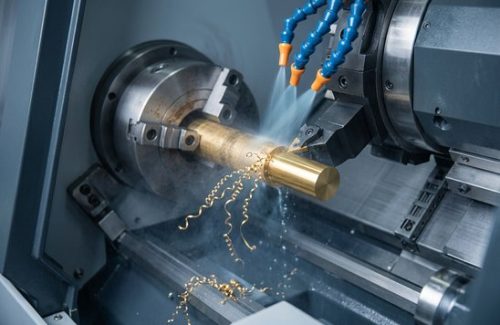 CNC Machined
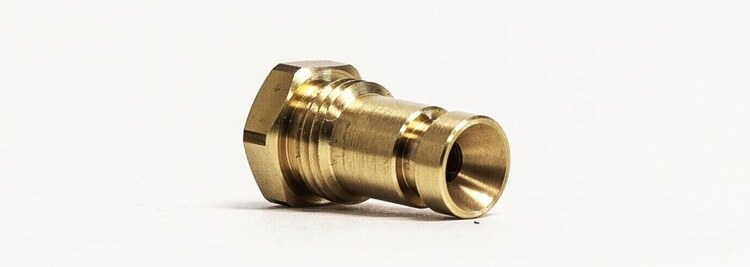 Finished Parts


Brass CZ121 — Machining Notes
FAQ
Can you weld Brass Cz121?
Brass Cz121 is generally considered weldable using suitable welding processes such as brazing, soldering, or gas welding. However, it's important to note that welding brass requires careful consideration of the specific alloy and proper techniques to avoid degradation of its properties.
Is Brass Cz121 strong?
Brass Cz121 has good strength characteristics. Its strength depends on heat treatment, alloy composition, and the specific mechanical properties required for a given application.
Is Brass Cz121 corrosion-resistant?
Brass Cz121 has good corrosion resistance, especially compared to many other metals. It forms a protective oxide layer on its surface that helps prevent corrosion. However, its corrosion resistance can be influenced by environmental factors, the specific application, and the presence of certain chemicals.
Other Materials

Ready to Scale Your Project?
Get started with a stable process and controlled quality. Let's discuss your project.