








Brass C360
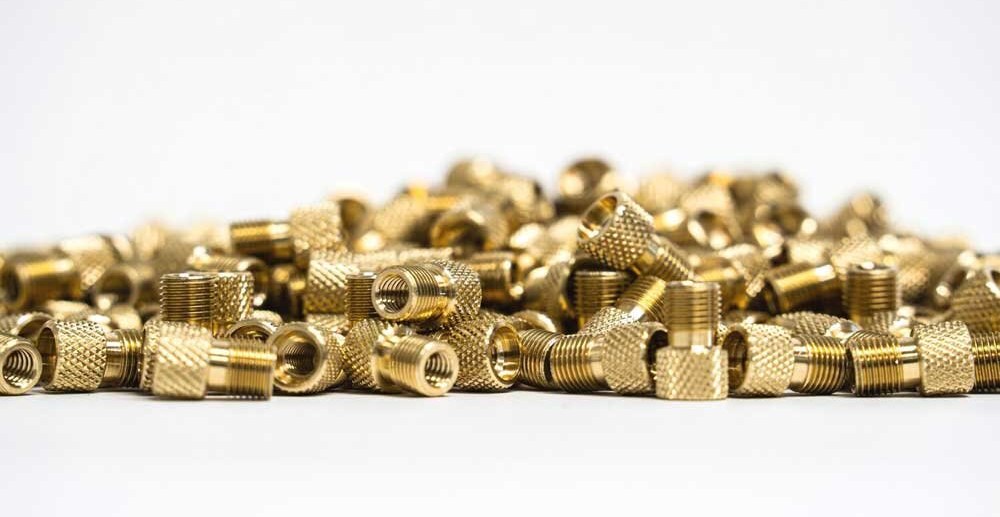
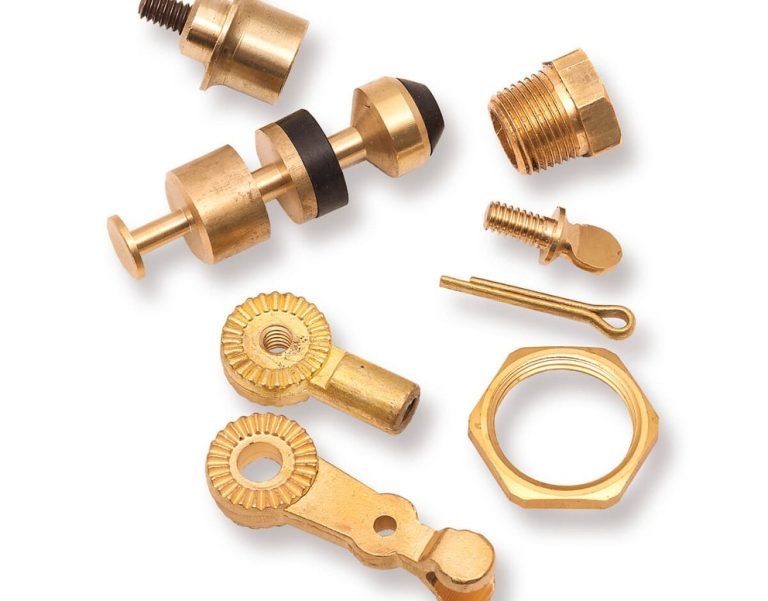
Brass C360, also known as free-cutting brass or leaded brass, is an alloy primarily composed of copper and zinc, with a small percentage of lead.
-
330-350 MPaUltimate Tensile Strength
-
140-150 MPaYield Strength
-
20-23 %Elongation at Break
At a Glance
-

Material Type
Metal -

Material Name
Brass C360 -

Alternative Names
2.0375 | CuZn36Pb3 | 319 Grade 2 -

Process Compatibility
CNC Milling, CNC Turning
Properties Table of Brass C360

- Ultimate Tensile Strength 330-350 MPa
- Yield Strength 140-150 MPa
- Elongation at Break 20-23%
- Physical Property
- Corrosion Resistance Moderate
- Magnetism Non-magnetic
- Weldability High
Applications of Brass C360
-
 Plumbing fittings
-
 Electrical connectors
-
 Valve components
-
 Fasteners
-
 Decorative hardware
-
 Bearings
-
 Pneumatic and hydraulic components
-
 Marine hardware
Advantages of Brass C360
Advantages of Brass C360
- Excellent machinability
- Good corrosion resistance
- Suitable for cold-forming
- Ductile and can undergo deformation
- Balanced strength and ductility
- Good electrical conductivity
- Aesthetic appeal with a golden appearance
- Wide range of applications in various industries
-
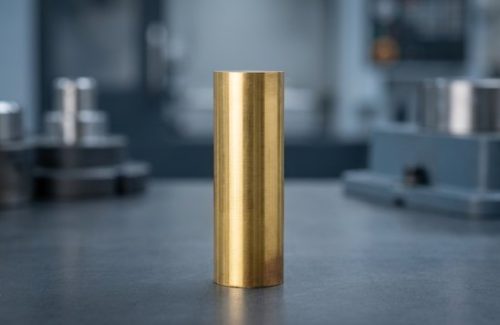 Raw Stock
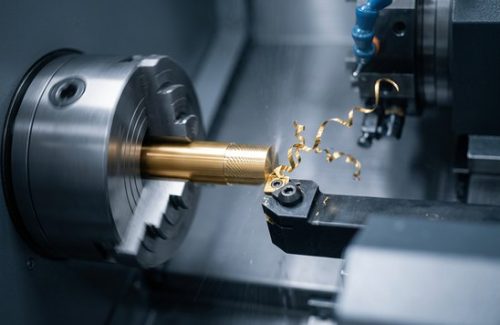 CNC Machined
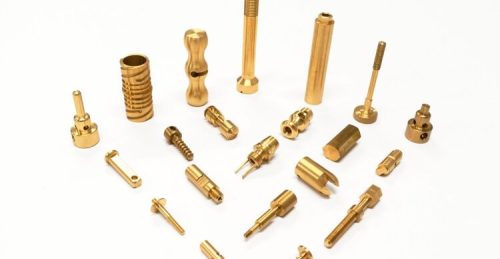
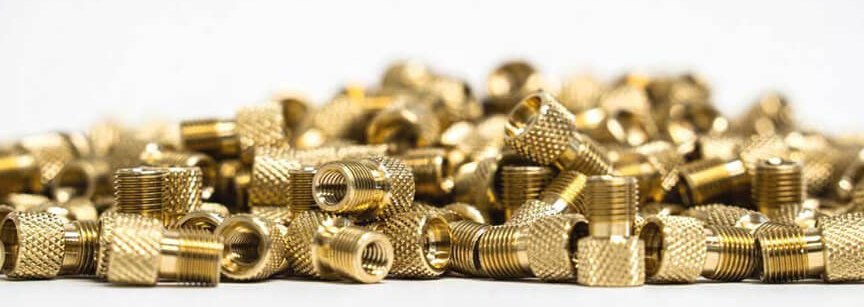 Finished Parts


Brass C360 — Machining Notes
FAQ
Is brass C360 strong?
Yes, brass C360 is considered a high-strength alloy. It exhibits good mechanical properties
Is brass C360 soft?
While brass C360 is not as soft as some other brass alloys, it is still relatively easy to machine. It falls within the category of free-cutting brass, known for its machinability. Heat treatment processes can influence the material's hardness.
Can brass C360 be soldered?
Yes, brass C360 is generally solderable. However, the success of soldering depends on the specific soldering technique used, the cleanliness of the surfaces, and proper flux application.
Is 353 brass better than 360 brass?
Generally, 353 brass is known for its excellent strength and corrosion resistance compared to 360 brass. However, the suitability of one over the other depends on factors such as machining needs, environmental conditions, and the desired combination of properties for the intended use.
Other Materials

Ready to Scale Your Project?
Get started with a stable process and controlled quality. Let's discuss your project.