








Brass 260
Brass 260, also known as Cartridge Brass, is composed of approximately 70% copper and 30% zinc.
-
390 MPaUltimate Tensile Strength
-
345 MPaYield Strength
-
97 GPaYoung's Modulus(Elasticity)
-
40 %Elongation at Break
At a Glance
-

Material Type
Metal -

Material Name
Brass 260 -

Alternative Names
C26000 | CuZn30 | CZ106 | Cartridge Brass -

Process Compatibility
CNC Milling, CNC Turning
Properties Table of Brass 260

- Ultimate Tensile Strength 390 MPa
- Yield Strength 345 MPa
- Young's Modulus(Elasticity) 97 GPa
- Elongation at Break 40%
- Hardness 80 HRB(Rockwell B)
- Physical Property
- UV Resistance Good resistance
- Thermal Property
- Maximum Service Temperature 300°C(572°F)
- Thermal Expansion Coefficient 19 x 10^-6/°C
- Thermal Conductivity 109 W/(m·K)
- Electrical Property
- ESD Safety Good electrical conductivity
Applications of Brass 260
-
 Electrical connectors
-
 Musical instruments (e.g., trumpets, trombones)
-
 Plumbing fittings (e.g., valves)
-
 Decorative items (e.g., jewelry, ornaments)
-
 Automotive parts (e.g., radiator cores)
-
 Clock and watch components
-
 Lock and key components
-
 Fasteners (e.g., nuts, bolts)
Advantages of Brass 260
Advantages of Brass 260
- Easy to machine for various processes
- Good Formability
- Good Corrosion Resistance
- Easily cold worked for enhanced strength and hardness
- Aesthetic Appeal
- Biocompatibility
- Superior electrical conductivity
- Low thermal conductivity
-
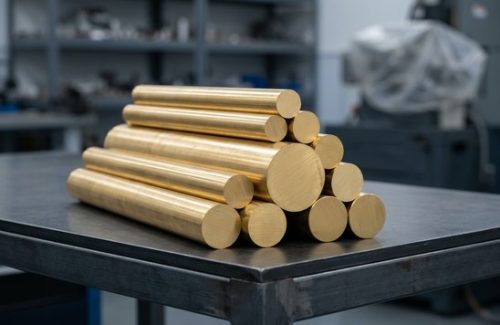 Raw Stock
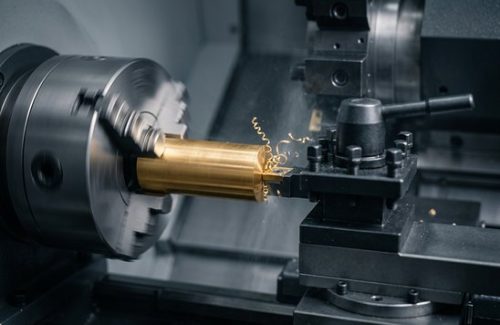 CNC Machined
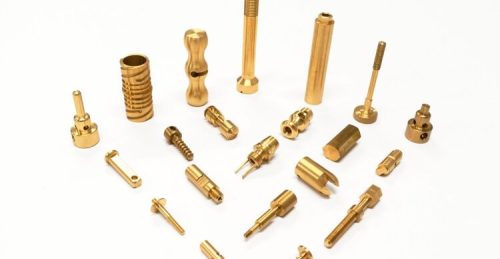
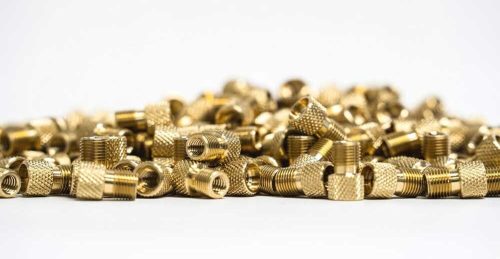
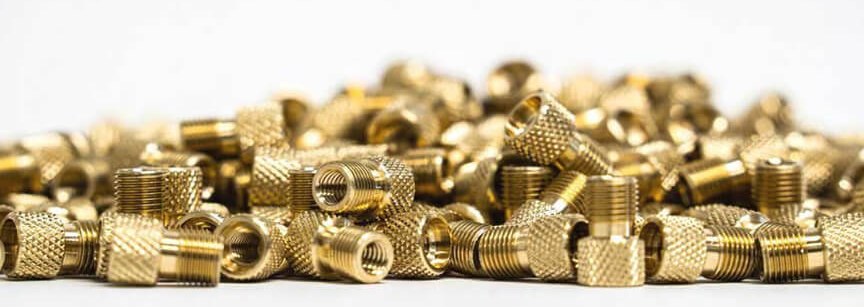 Finished Parts


Brass 260 — Machining Notes
FAQ
What is the difference between 360 and 260 brass?
360 has more lead for easy machining. 260 (Cartridge Brass) has less lead and is used for ammo casings, instruments, and trim.
What is the difference between 260 and 280 brass?
260 is more ductile for forming; 280 is less ductile, suitable for strength applications.
Is 260 brass magnetic?
No, 260 brass is not magnetic; it's a non-ferrous metal.
Is 260 brass expensive?
Cost varies; it is generally affordable. Basically, it depends on the market, supplier, and quantity.
Other Materials

Ready to Scale Your Project?
Get started with a stable process and controlled quality. Let's discuss your project.