








Stainless Steel 420
Stainless steel 420 comes in various grades, with the most common ones being 420A, 420B, and 420D. These versions differ in carbon content, affecting their hardness after heat treatment.
-
485-750 MPaUltimate Tensile Strength
-
275-380 MPaYield Strength
-
190-205 GPaYoung's Modulus(Elasticity)
-
15-20 %Elongation at Break
At a Glance
-

Material Type
Metal -

Material Name
Stainless Steel 420 -

Alternative Names
S42000 | X20Cr13 | 1.4021 | 420S37 | AISI 420 -

Process Compatibility
CNC Milling, CNC Turning
Properties Table of Stainless Steel 420

- Ultimate Tensile Strength 485-750 MPa
- Yield Strength 275-380 MPa
- Young's Modulus(Elasticity) 190-205 GPa
- Elongation at Break 15-20 %
- Physical Properties
- Corrosion Resistance Moderate
- Magnetism Magnetic
- UV Resistance Excellent
- Weldability Good
- Thermal Properties
- Maximum Service Temperature 144-194 °C
- Thermal Expansion Coefficient 9-11 x 10^-6/°C
- Thermal Conductivity 23-27 W/(m·°C)
- Electrical Properties
- Electrical Resistivity 49-60 μΩ*cm
Applications of Stainless Steel 420
-
 Mold and Die Components
-
 Medical Instruments
-
 Textile Industry
-
 Aerospace Components
-
 Pump and Valve Parts
-
 Shafts and Bushings
-
 Fasteners
-
 Sporting Goods
Advantages of Stainless Steel 420
Advantages of Stainless Steel 420
- Contains chromium for excellent corrosion resistance.
- High hardness and strength, especially after heat treatment.
- Good wear resistance
- Belongs to martensitic class, can be hardened by heat treatment.
- Relatively easy to machine for precise dimensions and shapes.
- More cost-effective compared to some high-performance stainless steels.
- Shows good resistance to certain chemicals.
- Retains mechanical properties at elevated temperatures.
-
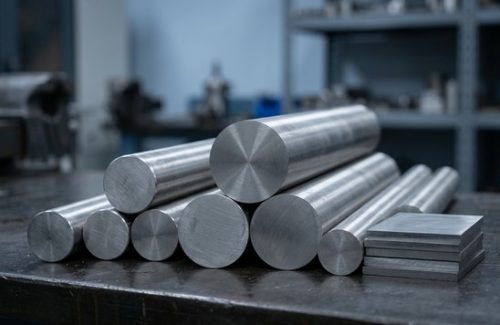 Raw Stock
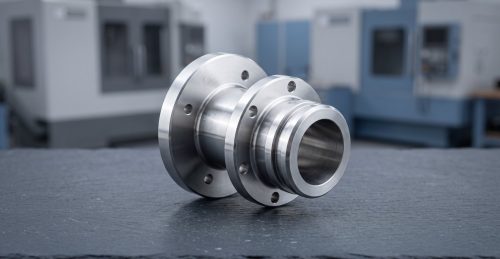
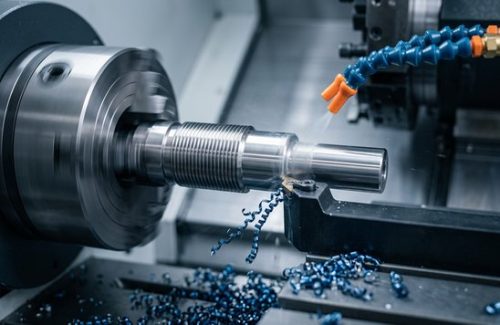 CNC Machined
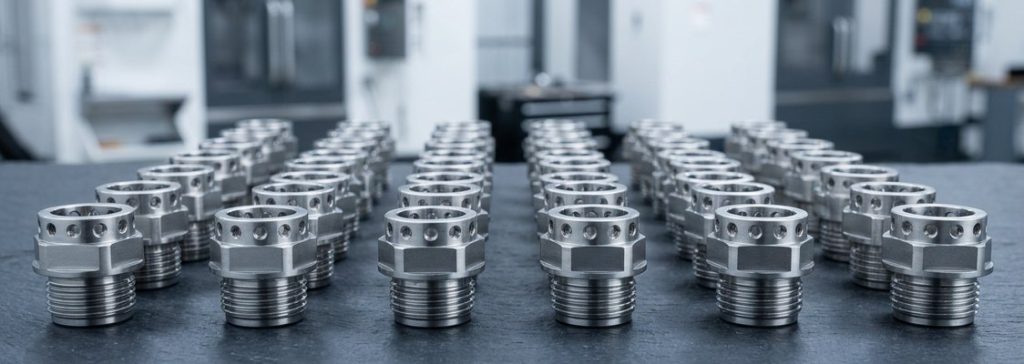 Finished Parts


Stainless Steel 420 — Machining Notes
FAQ
Is 420 steel hard to sharpen?
Yes, 420 stainless steel is known for its high hardness. It is recommended to use the appropriate sharpening tools and techniques to achieve the desired edge.
Is 420 stainless steel food grade?
You may use it for food since it is corrosion-resistant and meets the minimum chromium requirements by allowable exceptions to be considered food-grade. Still, it may contain elements that could potentially leach into food. It is recommended to choose stainless steel grades that are explicitly designated as food grade, such as 304 or 316 stainless steel
Will 420 stainless steel rust?
It is most resistant to corrosion when hardened and either surface ground or polished. When hardened, it has good corrosion resistance to various elements, including the atmosphere, food, water, mild alkalies and acids, steam, sterilizing solutions, crude oil, gasoline, and similar corrosive substances.
Other Materials
-
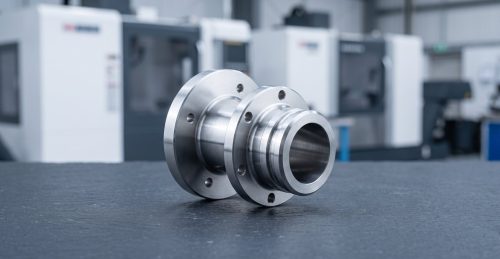 Stainless Steel Nitronic 60Nitronic 60 is a type of stainless steel strengthened with nitrogen throughout its structure, providing enhanced strength across the entire material.Learn More
-
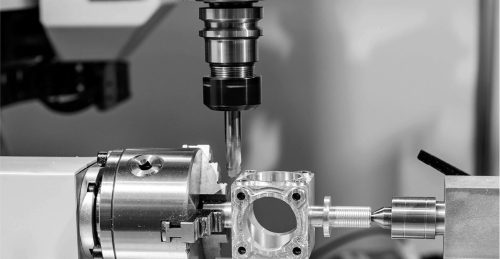 Stainless Steel A286Stainless Steel A286 is a high-strength precipitation-hardening alloy with excellent corrosion resistance, especially at elevated temperatures.Learn More
-
 Stainless Steel 440CStainless Steel 440C is a high-carbon chromium steel. It has excellent hardness, wear resistance, and corrosion resistance.Learn More

Ready to Scale Your Project?
Get started with a stable process and controlled quality. Let's discuss your project.