









316 Stainless Steel Machining
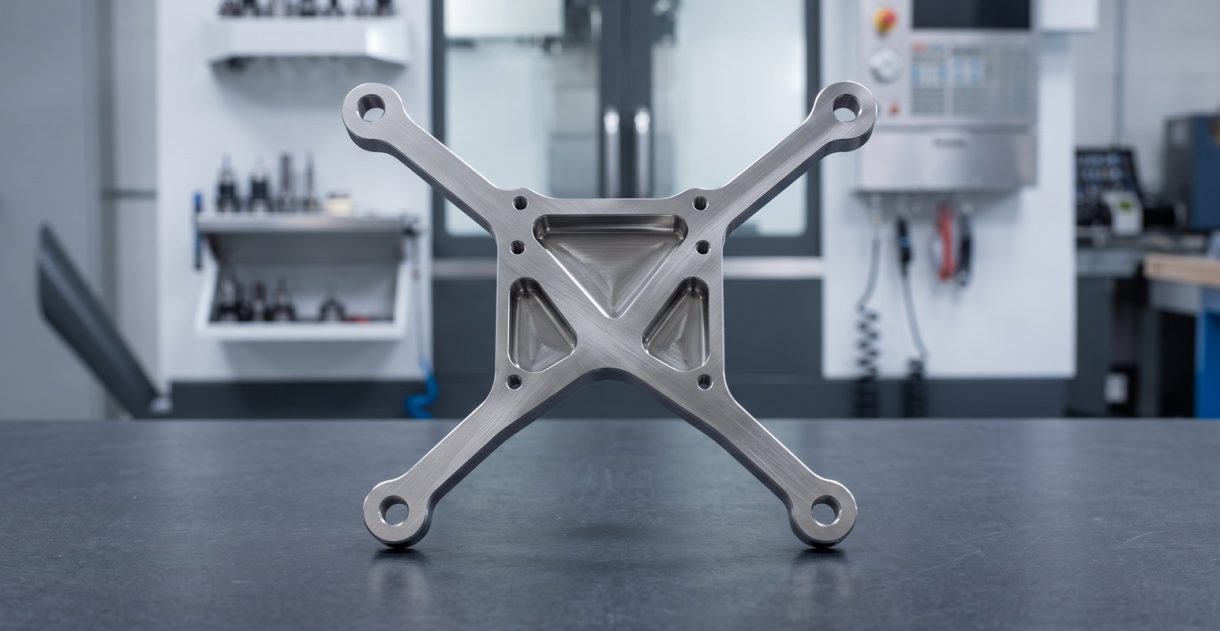
Also known as UNS S31600 · DIN 1.4401316 stainless steel machining at DEK covers 316, 316L and 316LVM parts in an austenitic chromium-nickel-molybdenum alloy that resists chloride pitting better than 304. We control its work hardening with sharp carbide tooling, controlled feeds and steady coolant, with full CMM inspection behind every batch.
-
480–600 MPaTensile Strength
-
170–230 MPaYield Strength
-
38–55%Elongation
-
≤217 HBAnnealed Hardness
316 Machining Capabilities and Tolerances
UNS S31600 machining at DEK: tolerances, finish, part size and lead times on 3/4/5-axis milling, turning, EDM and grinding.
-

Standard Tolerance
±0.025 mmstandard CNC
-

Precision Tolerance
±0.005 mmon request
-

5-Axis Profile
±0.01 mmcomplex geometry
-

Micro Features
±0.003 mmsub-10 mm features
-

Surface Finish
Ra 0.8–3.2 μmas-machined
-

Max Part Envelope
~1000 mmup to
-

Prototype Lead Time
3 daysno MOQ
-

Shipping
1 dayas fast as
316 Stainless Steel Properties and Designations
Typical property data for 316 (UNS S31600, DIN 1.4401), the austenitic grade chosen for chloride-rich service.

- Tensile Strength 480–600 MPa
- Yield Strength 170–230 MPa
- Elongation at Break 38–55%
- Hardness ≤217 HB (annealed)
- Machinability ~36% of B1112

- Cr 16–18%
- Ni 10–14%
- Mo 2–3%
- C ≤0.08%

- UNS S31600
- DIN 1.4401
- Corrosion Resistance Excellent (chloride)
- Max Service Temperature 750–925 °C
- Stock Forms Bar, plate, sheet
- Max Part Envelope Up to ~1000 mm
Why 316 Is Harder to Machine Than 304
How 316 behaves at the spindle: work hardening, cutting forces, tool wear and the setup that keeps parts in spec.
316’s toughness is an asset in service and a liability at the spindle. It work-hardens quickly under a dull or hesitant tool, driving up cutting forces and tool wear, with a real risk of burr formation at the depth-of-cut line if parameters drift.
316L machining and 316 work need a different setup than 304. We run them on CNC milling and CNC turning centers, with Swiss-type turning for small, thin-wall parts.
- Sharp carbide tooling to stay ahead of work hardening
- Controlled feeds so the tool never hesitates in the cut
- Steady coolant delivery to limit heat and tool wear
- EDM machining and precision grinding complete the process range
-
Machinability
~36%of B1112 free-machining steel
-
Hardness
≤217 HBannealed condition
-
Tensile Strength
480–600 MPadrives cutting forces
-
Elongation at Break
38–55%toughness in the cut
-
Standard Tolerance
±0.025 mm±0.005 mm on request
Typical Machined 316 Stainless Steel Parts
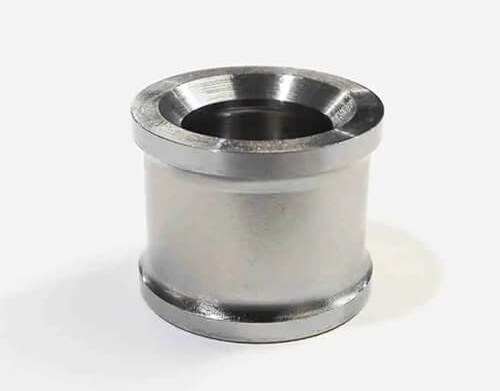
Corrosion resistance and biocompatibility make 316 the default for medical, fastening, heat transfer and food-contact parts.
-
 Medical Device Parts316LVM machining for implantable and other critical medical components, where vacuum-melted micro-cleanliness matters.
-
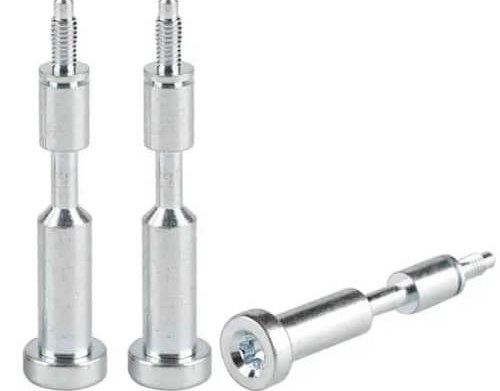
 FastenersCorrosion-resistant fasteners machined from 316 for chloride exposure, where its pitting resistance outlasts 304.
-
 Heat ExchangersHeat exchanger parts for chloride-rich environments, relying on 316's resistance to pitting and crevice corrosion.
-
 Food-Contact EquipmentFood-contact equipment parts that rely on 316's corrosion resistance and a cleanable, electropolished surface.
316 vs 304 and Other Stainless Grades
Choose 316 when chloride pitting is the risk; 304 costs less and machines more easily. The 304 vs 316 guide covers where each wins.
| Criteria | This Grade316 | 304 | 17-4 PH | 303 | 416 |
|---|---|---|---|---|---|
| Chloride pitting | Excellent | Lower | – | Lower | Lower |
| Machinability | ~36% B1112 | Easier | – | Faster | Fast |
| Cost | Higher | Lower | – | Lower | – |
| Strength | 480–600 MPa | – | Higher | – | – |
| Weldability | Via 316L | – | Reduced | – | – |
| Key addition | Mo | – | PH | Sulfur | – |
| Typical role | Chloride | General | Strength | Fast cuts | Swiss |
Finishing Options for 316 Stainless Parts
Every 316 part ships as CNC machining plus a finish matched to its service, from as-machined to electropolished.
-
As-machined AvailableCNC machining with no added finish: Ra 0.8–3.2 μm depending on the process, the most economical option for internal or functional 316 parts.
-
Bead blast AvailableCNC machining plus bead blast for a uniform matte, non-directional texture that hides tool marks on visible 316 surfaces.
-
Passivation (ASTM A967) AvailableCNC machining plus passivation to ASTM A967: removes free iron left by cutting and restores the passive chromium oxide layer.
-
Electropolish AvailableCNC machining plus electropolishing to smooth and brighten the surface and improve cleanability on medical and food-contact parts.
Request a 316 Stainless Steel Machining Quote
Send a drawing or STEP file for 316, 316L or 316LVM parts for engineer-reviewed pricing. No MOQ, 3-day prototype lead time, shipping as fast as 1 day.
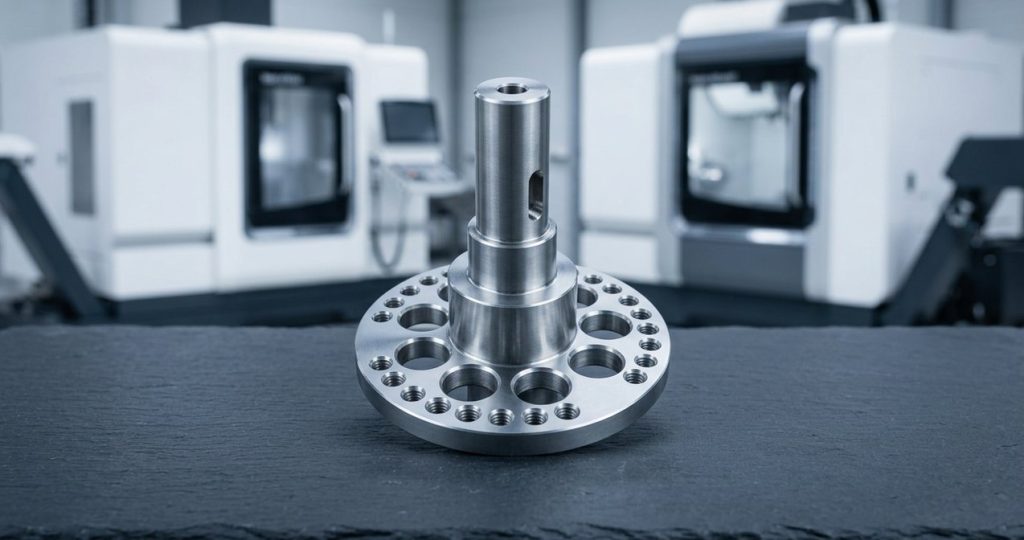
Why DEK for 316 Stainless Steel Parts
DEK machines 316, 316L and 316LVM from prototype to production under ISO 9001, ISO 13485 and AS9100D, with inspection at every stage and a setup built around work hardening.
DIN 1.4401 CNC machining at DEK runs on 3/4/5-axis milling, turning, Swiss turning, EDM and grinding, with full CMM inspection behind every batch. 316LVM is a validated material in our hard-metal process lineup alongside Ti-6Al-4V, Inconel 718 and 17-4PH.
Every job passes IQC, IPQC, FAI, OQC and SPC checkpoints under ISO 9001, ISO 13485 and AS9100D certification, and 5-axis complex geometry holds ±0.01 mm profile control.
Pick 316 when chloride pitting or crevice corrosion is the failure mode; the added molybdenum is what separates it from 304, at the cost of machinability. If corrosion demands are lower, 304 or 303 machine faster and cost less.
- 316L: lower carbon for better weldability and reduced sensitization
- 316LVM: vacuum-melted for high micro-cleanliness, specified for implantable medical parts
-
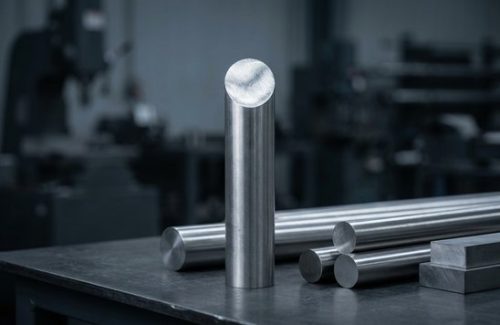 Raw Stock
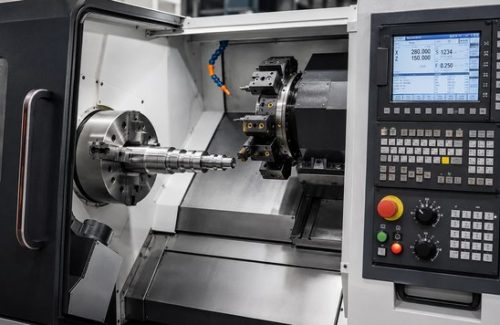 CNC Machined
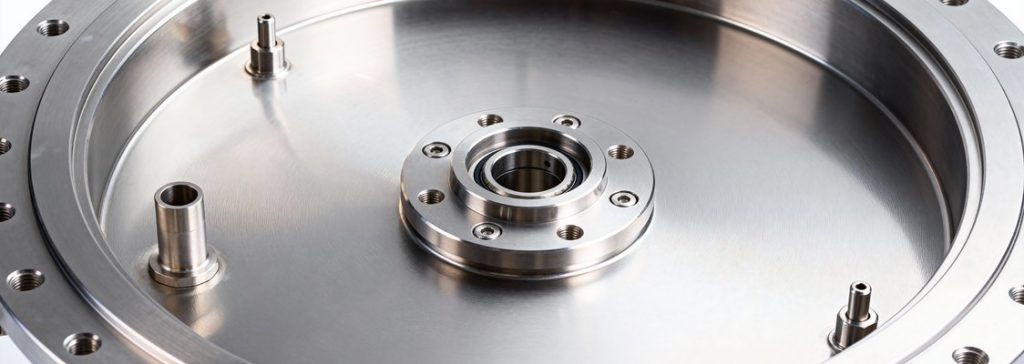 Finished Parts
-
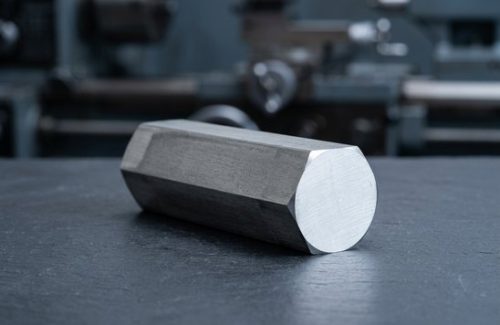 Raw Stock
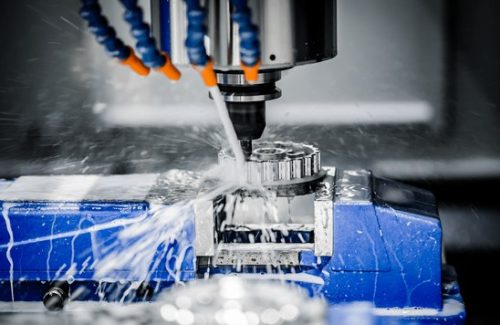 CNC Machined
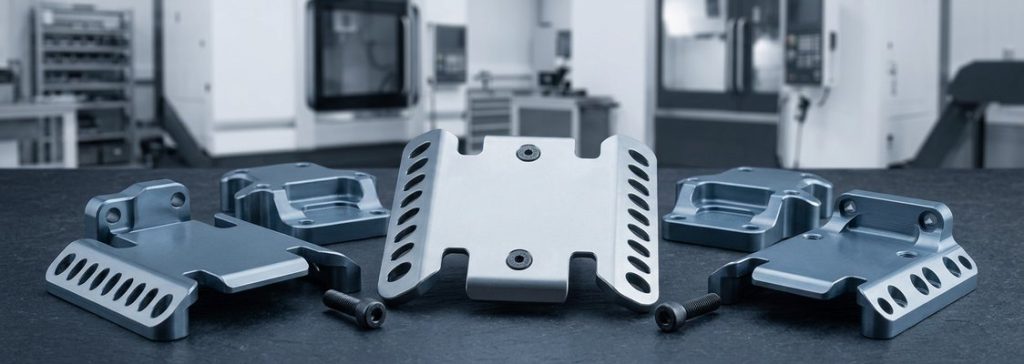 Finished Parts
316 Stainless Steel Machining FAQ
Common questions from engineers sourcing machined 316 parts.
Other Materials
-
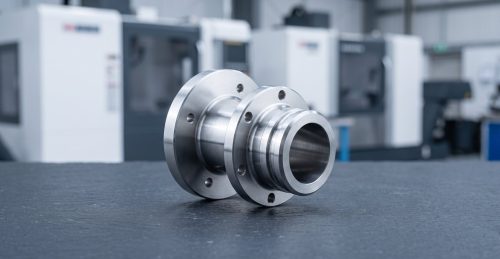 Stainless Steel Nitronic 60Nitronic 60 is a type of stainless steel strengthened with nitrogen throughout its structure, providing enhanced strength across the entire material.Learn More
-
 Stainless Steel A286Stainless Steel A286 is a high-strength precipitation-hardening alloy with excellent corrosion resistance, especially at elevated temperatures.Learn More
-
 Stainless Steel 440CStainless Steel 440C is a high-carbon chromium steel. It has excellent hardness, wear resistance, and corrosion resistance.Learn More

Ready to Scale Your Project?
Get started with a stable process and controlled quality. Let's discuss your project.








