





303 Stainless Machining
Also known as UNS S30300 · EN 1.4305 · JIS SUS303303 stainless machining is the fastest way to get an austenitic stainless part off a lathe: sulfur breaks chips short, giving about 78% machinability. DEK turns 303 on CNC and Swiss lathes from 1 mm to 250 mm diameter, with no MOQ and prototypes in 3–5 days.
-
620 MPaTensile Strength
-
240 MPaYield Strength
-
50%Elongation
-
160–228 HBHardness
-
~78%Machinability
303 Machining Capabilities and Tolerances
What DEK holds on 303 stainless turned and milled parts, from Swiss-turned pins to bar-fed shafts and ground fits.
-

Turned Diameters
±0.025 mmstandard
-

Tight Turning
±0.005 mmon request
-

Swiss Features
±0.003 mmunder 10 mm
-

Bores and Shaft Fits
H7 / g6typical tolerance
-

Threads
6g / 6HUNC/UNF 2A/2B
-

As-Turned Finish
Ra 0.4–0.8 µmRa 0.2 µm ground
-

Turning Diameter
1–250 mmSwiss 1–32 mm
-

Prototype Lead Time
3–5 daysno MOQ
303 Stainless Steel Properties and Designations
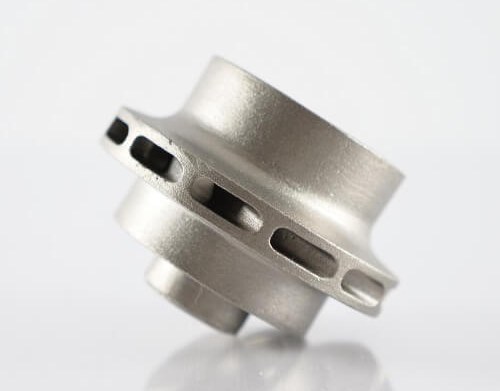
Property data for 303 annealed bar: 304 with a deliberate sulfur addition, less corrosion resistant and not weldable.

- Tensile Strength 620 MPa (500–750 MPa)
- Yield Strength 240 MPa (190 MPa min)
- Elongation 50% (35% min)
- Hardness 160–228 HB typical
- Hardness Max 262 HB (ASTM A582)
- Machinability ~78% (1212 = 100%)

- Cr 17–19%
- Ni 8–10%
- S 0.15% min
- C ≤0.15%
- Mn ≤2%
- Si ≤1%
- P ≤0.20%

- UNS S30300
- EN 1.4305 (X8CrNiS18-9)
- ASTM A582
- AMS 5640
- JIS SUS303

- Corrosion Good, mild; below 304
- Round Bar 1–250 mm
- Other Forms Hex and square bar
- Swiss Bar Cold drawn 190–230 HB
- Heat Treatment Not hardenable
Why 303 Is the Free Machining Stainless
How 303 behaves on the lathe compared with 304: chip control, cutting speed, tap life and as-turned finish.
In 304 or 316 the chip stays long and tough, work hardens as it forms, and rubs the tool. In 303 the sulfide stringers fracture the chip every few millimeters, cutting forces drop 20–30%, and built-up edge is reduced.
The trade-offs are real: sulfides are pitting sites in chlorides, sulfur causes hot cracking, so 303 is not welded. See our 303 vs 304 stainless steel comparison.
- Predictable short chips on bar-fed lathes running unattended
- Ideal for Swiss CNC turning of pins, shafts, and fittings from 1 mm to 32 mm
- Not for pressure boundaries or food-contact surfaces
-
Turning Speed
120–180 m/minCoated carbide
-
Speed, 304 Baseline
80–120 m/minSame tooling, for reference
-
Machinability
~78%1212 steel = 100%; 304 ~45%
-
Cutting Forces
20–30% lowerVersus 304 or 316
-
Tap Life
2–3x 304Sulfides lubricate the cut
-
As-Turned Finish
Ra 0.4–0.8 µmRa 0.2 µm after grinding
Typical 303 Stainless Turned Parts
303 stainless turned parts at DEK serve automation, electronics, telecom, robotics, and automotive sensor customers.
-
 Fluid FittingsHydraulic and pneumatic fittings, adapters, and plugs turned on bar-fed lathes with threads in one cycle.
-
 Motor ShaftsMotor and instrument shafts held to g6 fits, with centerless grinding to Ra 0.2 µm where required.
-
 Custom FastenersCustom fasteners, studs, and set screws, where short chips and tap life two to three times 304 cut cost.
-
 Bushings and SpacersBushings, spacers, and standoffs turned from round, hex, or square bar in volumes up to 100,000.
-
 Contacts and PinsElectrical contacts and connector pins Swiss-turned to ±0.003 mm on features under 10 mm.
-
 Valve Stems and GearsValve stems and gears for indoor or mild service, where 303 saves cycle time over 304.
-
 Instrument HardwareScrew-machine hardware for instruments, made in quantity on Swiss and bar-fed lathes with live tooling.
-
 Medical DevicesScrew-machine hardware for non-implant medical devices, produced under ISO 13485 certification.
When to Choose 303: 303 vs 304 Machining
Turned, not welded, mild service: use 303 and save 25–35% on cycle time. Welded, chlorides or food contact: use 304. See 303 vs 304.
Finishing for 303 Stainless Parts
303 parts ship as CNC machining plus finish. Passivation is the finish that matters most on this sulfur-bearing grade.
-
Passivation AvailableNitric acid passivation per ASTM A967 or AMS 2700 removes free iron and exposed sulfides left by machining; strongly recommended on 303.
-
Citric passivation AvailableCitric passivation is gentler on the sulfide inclusions of 303 while still cleaning free iron from machined surfaces.
-
Electropolishing AvailableElectropolishing offered on the 303 parts we machine, applied after turning or milling as part of the same order.
-
Bead blasting AvailableBead blasting offered on machined 303 parts for a uniform matte surface, as CNC machining plus finish.
-
Laser marking AvailableLaser marking of part numbers or logos on 303 turned and milled parts, done on the parts we machine.
-
PVD coating AvailablePVD coating offered on 303 parts we machine, applied after machining as part of the CNC machining plus finish workflow.
Request a 303 Stainless Machining Quote
Send a STEP, IGES, or PDF drawing with quantity, thread specs, and passivation need. An engineer confirms Swiss or chucking turning and prices it within 6 hours.
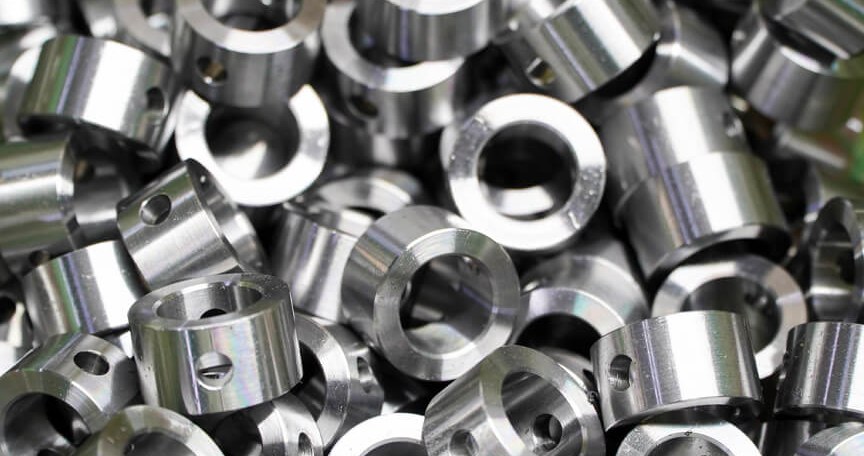
303 Stainless Steel Machining at DEK
303 stainless steel machining pays off most in quantities of 500 to 100,000 on Swiss or bar-fed lathes, where a 30% cycle-time saving over 304 compounds quickly.
- 20+ years of screw-machine and Swiss turning; ISO 9001:2015, ISO 13485, and AS9100D certified by TÜV
- Swiss lathes, bar-fed CNC lathes, centerless grinding, and passivation in-house
- Spectrometer check of incoming 303 bar (sulfur verified); CMM, thread and pin gauges on every batch
- Engineer-reviewed quotes in 6 hours; no MOQ; batches of 1,000–10,000 in 4–7 days plus finishing
For volume work, see stainless steel turned parts.
CNC turning on bar-fed and chucking lathes to 250 mm diameter with live tooling; 3-, 4-, and 5-axis milling for manifolds and blocks; centerless and cylindrical grinding for shaft fits to Ra 0.2 µm.
303 cannot be hardened by heat treatment; strength comes only from cold working. Where hardness is needed, a free-machining grade such as 416 is the alternative. All 303 orders follow our CNC machining services workflow.
-
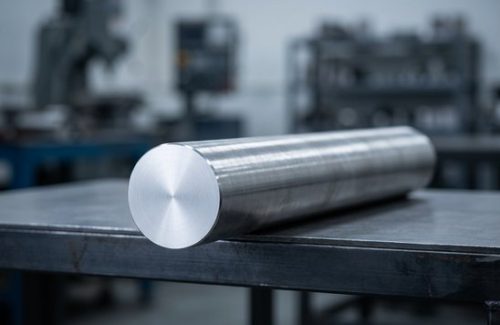 Raw Stock
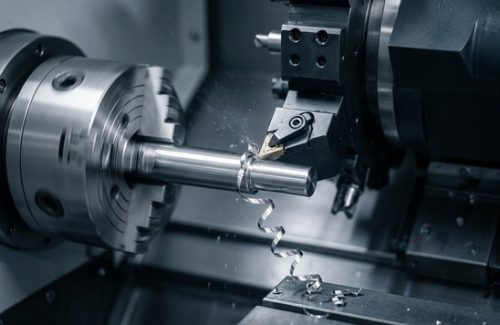 CNC Machined
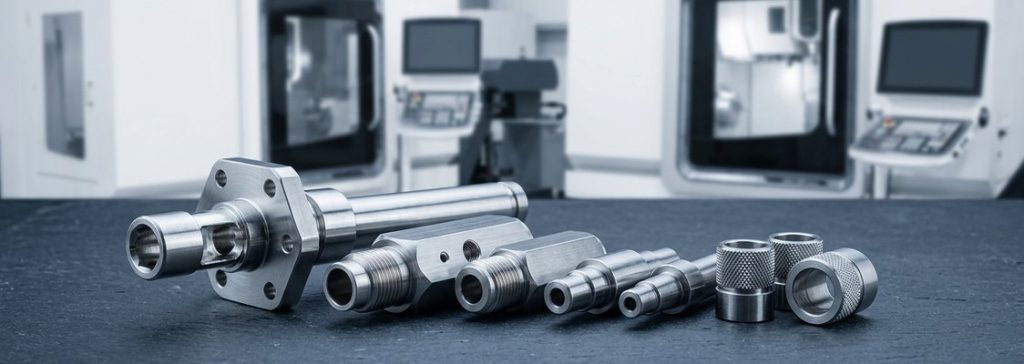 Finished Parts
-
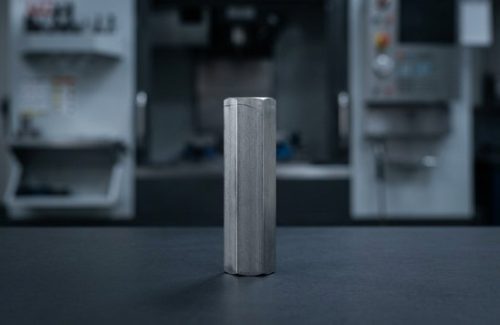 Raw Stock
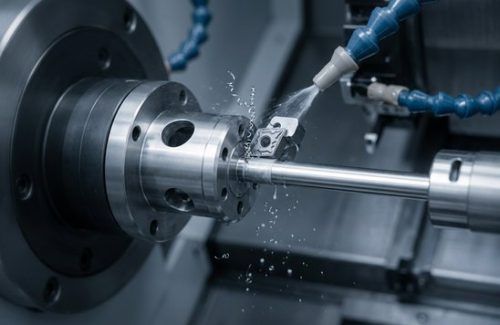 CNC Machined
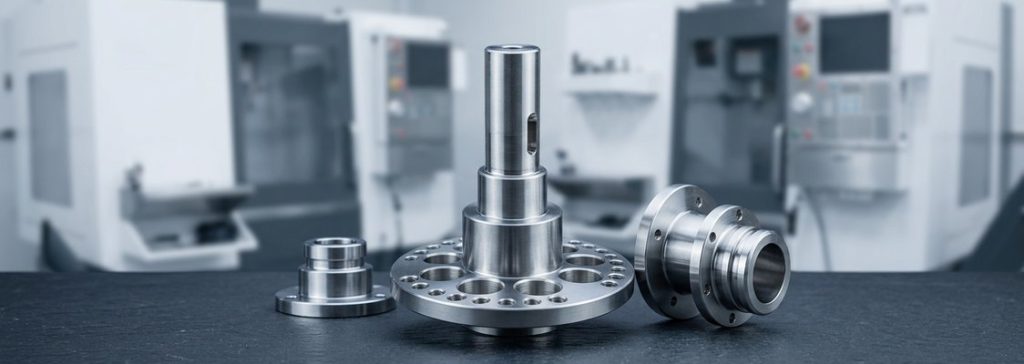 Finished Parts
303 Stainless Machining FAQ
Common questions from engineers specifying free machining stainless parts.
Other Materials
-
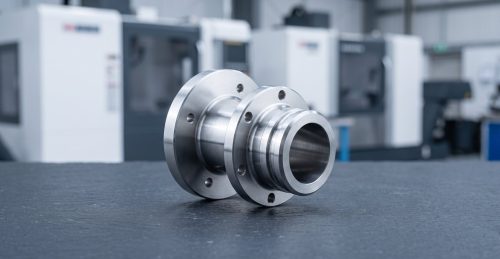 Stainless Steel Nitronic 60Nitronic 60 is a type of stainless steel strengthened with nitrogen throughout its structure, providing enhanced strength across the entire material.Learn More
-
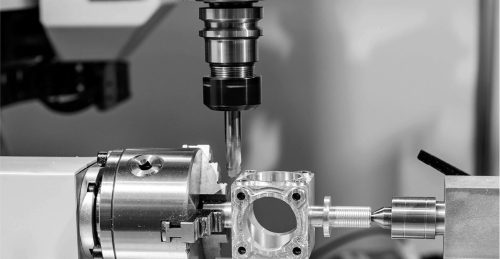 Stainless Steel A286Stainless Steel A286 is a high-strength precipitation-hardening alloy with excellent corrosion resistance, especially at elevated temperatures.Learn More
-
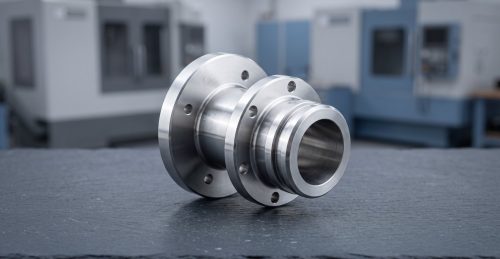 Stainless Steel 440CStainless Steel 440C is a high-carbon chromium steel. It has excellent hardness, wear resistance, and corrosion resistance.Learn More

Ready to Scale Your Project?
Get started with a stable process and controlled quality. Let's discuss your project.