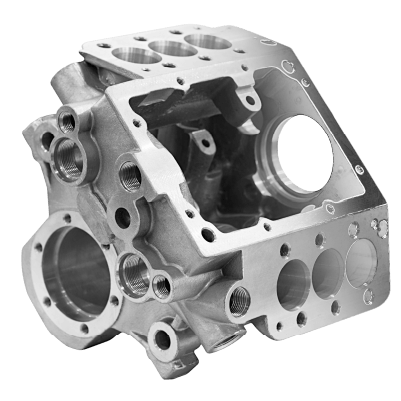









Stainless Steel 416
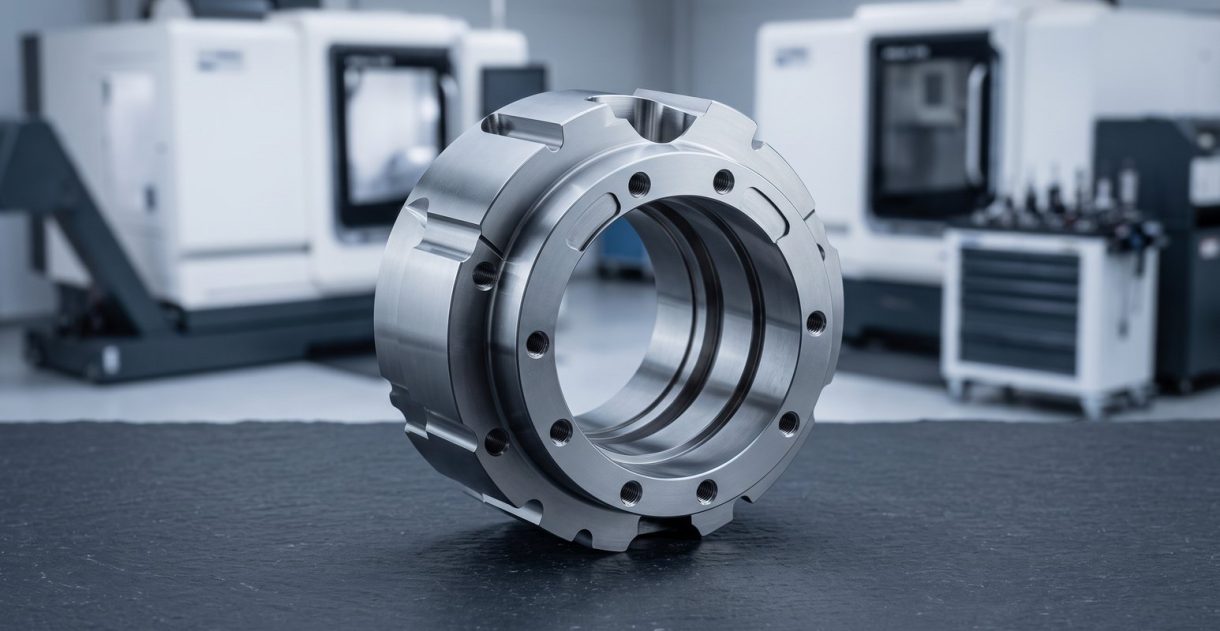
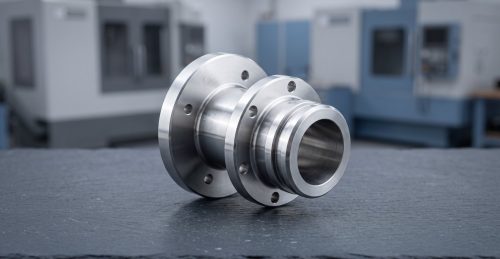
Stainless Steel 416 is a martensitic stainless steel known for its excellent machinability— thanks to its sulfur content.
-
440-580 MPaUltimate Tensile Strength
-
275-345 MPaYield Strength
-
200 GPaYoung's Modulus(Elasticity)
-
7-25 %Elongation at Break
At a Glance
-

Material Type
Metal -

Material Name
Stainless Steel 416 -

Alternative Names
1.4005 | X12CrS13 | S41600 -

Process Compatibility
CNC Milling, CNC Turning
Properties Table of Stainless Steel 416

- Ultimate Tensile Strength 440-580 MPa
- Yield Strength 275-345 MPa
- Young's Modulus(Elasticity) 200 GPa
- Elongation at Break 7-25%
- Physical Properties
- Corrosion Resistance Moderate
- Magnetism Magnetic
- Weldability Poor
- Thermal Properties
- Maximum Service Temperature 675-760 °C
- Thermal Expansion Coefficient 9.9-11.7 x 10^-6/°C
- Thermal Conductivity 24.9-28.7 W/(m·°C)
- Electrical Properties
- Electrical Resistivity 57 μΩ*cm
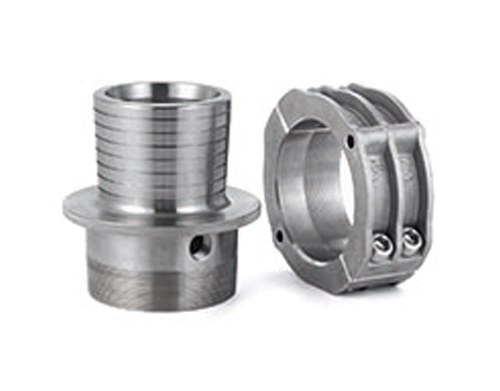
Applications of Stainless Steel 416
-
 Screws
-
 Bolts
-
 Gears
-
 Firearm barrels
-
 Firearm receivers
-
 Valve components
-
 Food processing equipment
-
 Pump shafts
Advantages of Stainless Steel 416
Advantages of Stainless Steel 416
- Corrosion resistant
- Excellent machinability
- Maintains strength at high temperatures
- Good wear resistance
- Hardenable through heat treatment
- Resistant to various chemicals
- Martensitic structure for strength
- Easy to fabricate
- Low maintenance
-
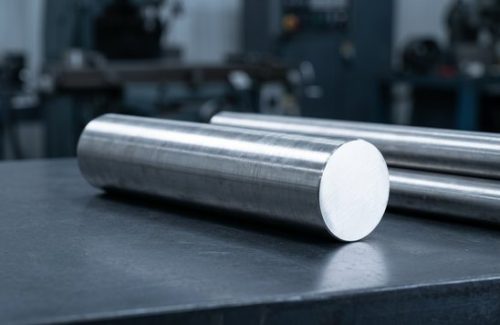 Raw Stock
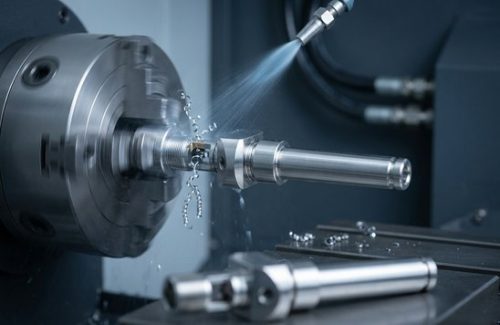 CNC Machined
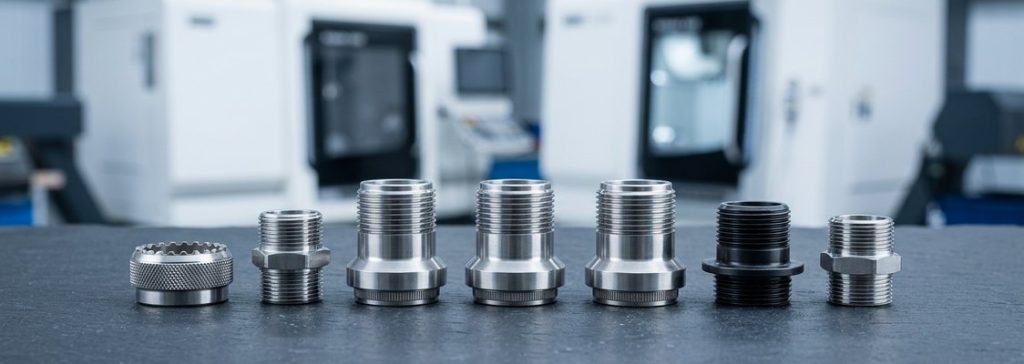 Finished Parts


Stainless Steel 416 — Machining Notes
FAQ
Is 416 ss better than 316 ss?
Stainless Steel 416 is cheaper and has higher machinability than Stainless Steel 316. However, Stainless Steel 316 is better for marine and chemical processing due to superior corrosion resistance.
Is 416 stainless steel good for knives?
Yes, 416 stainless steel is often used for knife blades due to its combination of good corrosion resistance and high machinability.
Can you weld 416 stainless?
416 stainless steel is challenging to weld, but it can be done by preheating to 200-300 °C and subsequent re-hardening and annealing at 650-675 °C. Consider using Alloy 410 low hydrogen electrodes for welding if required.
Does 416 stainless steel rust?
416 stainless steel has good corrosion resistance, but it is not entirely rust-proof. 400 series martensitic stainless alloys like 416 and 440C may exhibit slight rust, while 300 series austenitic alloys with nickel, in addition to chromium, are rust-resistant.
Other Materials
-
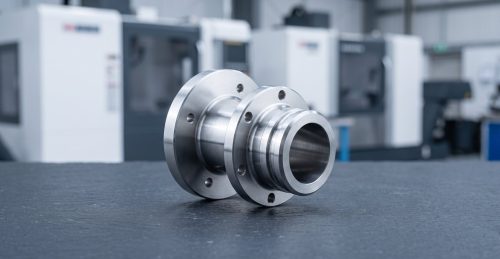 Stainless Steel Nitronic 60Nitronic 60 is a type of stainless steel strengthened with nitrogen throughout its structure, providing enhanced strength across the entire material.Learn More
-
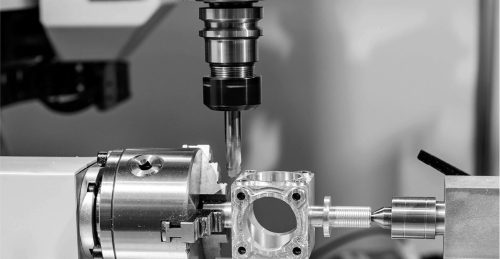 Stainless Steel A286Stainless Steel A286 is a high-strength precipitation-hardening alloy with excellent corrosion resistance, especially at elevated temperatures.Learn More
-
 Stainless Steel 440CStainless Steel 440C is a high-carbon chromium steel. It has excellent hardness, wear resistance, and corrosion resistance.Learn More

Ready to Scale Your Project?
Get started with a stable process and controlled quality. Let's discuss your project.