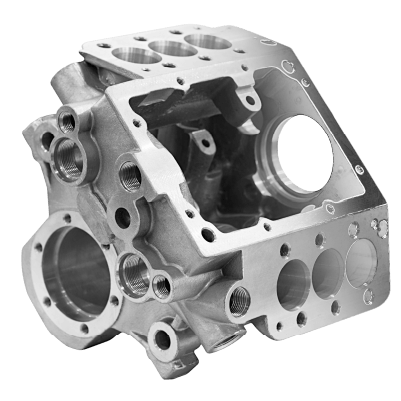








Stainless Steel 304L
Stainless Steel 304L is a widely used stainless steel alloy known for its corrosion resistance, formability, and weldability.
-
485-600 MPaUltimate Tensile Strength
-
170-310 MPaYield Strength
-
191 GPaYoung's Modulus(Elasticity)
-
35 %Elongation at Break
At a Glance
-

Material Type
Metal -

Material Name
Stainless Steel 304L -

Alternative Names
1.4307 | X2CrNi18-9 | S30403 -

Process Compatibility
CNC Milling, CNC Turning
Properties Table of Stainless Steel 304L

- Ultimate Tensile Strength 485-600 MPa
- Yield Strength 170-310 MPa
- Young's Modulus(Elasticity) 191 GPa
- Elongation at Break 35 %(min)
- Physical Properties
- Corrosion Resistance Good
- Magnetism No
- UV Resistance Excellent
- Weldability Excellent
- Thermal Properties
- Maximum Service Temperature 750-925 °C
- Thermal Expansion Coefficient 16.5 x 10^-6/°C
- Thermal Conductivity 16.2 W/(m·°C)
- Electrical Properties
- Electrical Resistivity 70 μΩ*cm
Applications of Stainless Steel 304L
-
 Kitchen Sinks
-
 Pipe and Tubing for Water Treatment
-
 Surgical Instruments
-
 Aerospace Exhaust Systems
-
 Pharmaceutical Equipment
-
 Automotive Trim
-
 Food Processing Equipment
-
 Textile Machinery Components
Advantages of Stainless Steel 304L
Advantages of Stainless Steel 304L
- Excellent corrosion resistance
- Low carbon content reduces the risk of intergranular corrosion during welding
- Easy weldability
- Retains strength and corrosion resistance at high temperatures
- Smooth surface for easy cleaning, resistant to bacterial and fungal growth
- High durability, long lifespan
- Visually appealing, shiny finish for aesthetic appeal
-
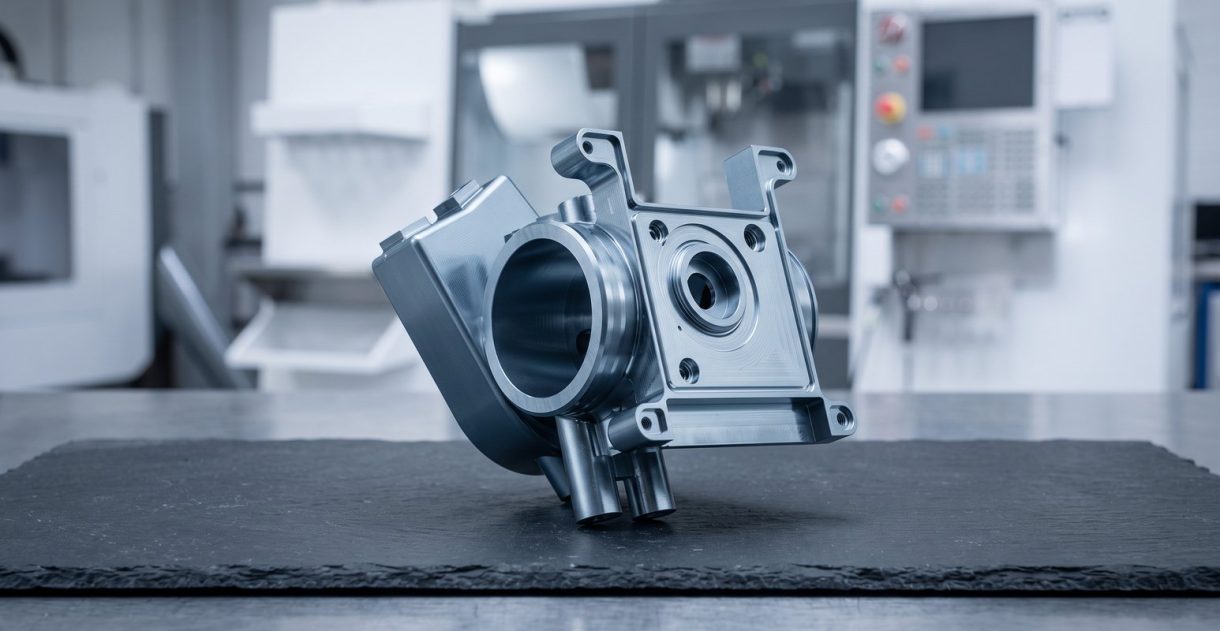
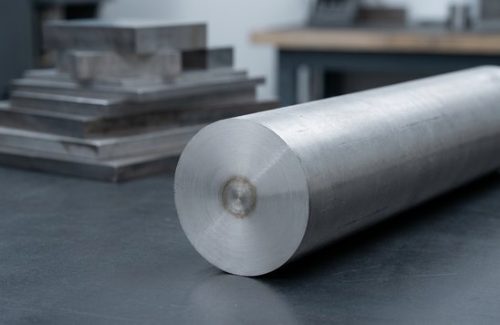 Raw Stock
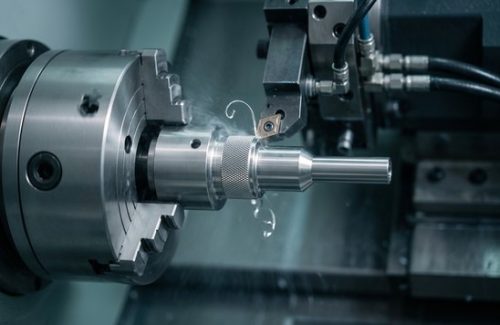 CNC Machined
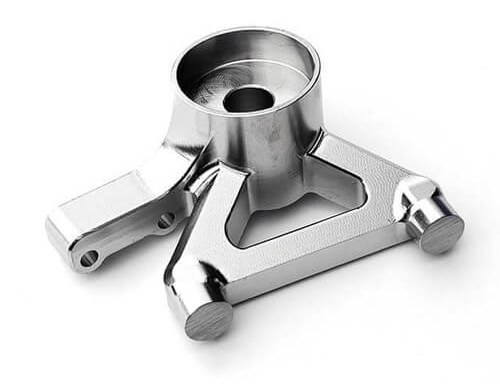
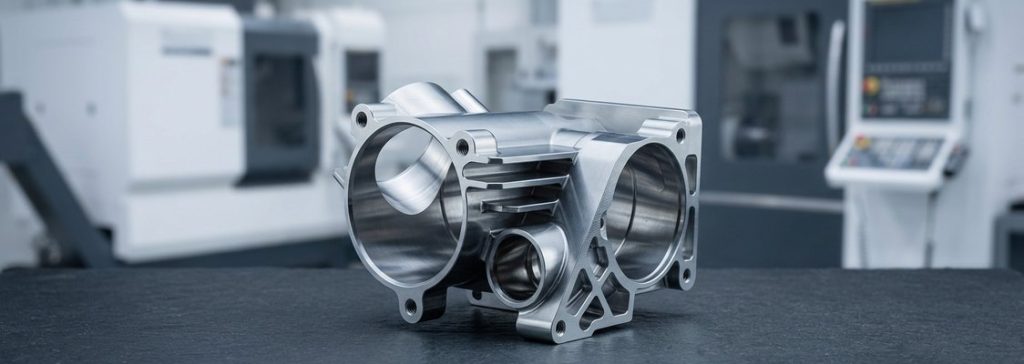 Finished Parts


Stainless Steel 304L — Machining Notes
FAQ
What does the L stand for in 304L stainless steel?
The "L" in 304L stainless steel stands for "Low Carbon." It indicates that the steel has a lower carbon content than standard 304 stainless steel. The reduced carbon content helps minimize carbide precipitation during welding.
Why is 304L better than 304?
304L stainless steel is considered better than 304 in certain applications. Its lower carbon content helps prevent sensitization and intergranular corrosion that can occur in the heat-affected zones of welds in standard 304 stainless steel. This makes 304L more suitable for welding applications.
Is 304L stainless steel waterproof?
Stainless steel, including 304L, is highly resistant to corrosion and rust but is not completely immune to water-related issues. While it is inaccurate to say that stainless steel is "waterproof," it is highly water-resistant.
Which is better 304L or 316?
Both are austenitic stainless steels with similar properties, but 316 contains molybdenum, which enhances corrosion resistance, especially in chloride environments. If the application involves exposure to harsh chemicals or saltwater, 316 stainless steel may be better. However, 304L is often preferred in less corrosive environments because it is cheaper.
Other Materials
-
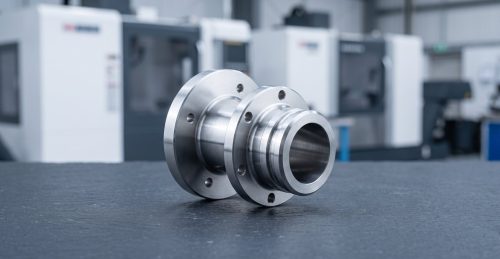 Stainless Steel Nitronic 60Nitronic 60 is a type of stainless steel strengthened with nitrogen throughout its structure, providing enhanced strength across the entire material.Learn More
-
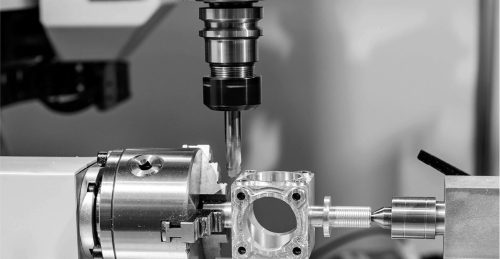 Stainless Steel A286Stainless Steel A286 is a high-strength precipitation-hardening alloy with excellent corrosion resistance, especially at elevated temperatures.Learn More
-
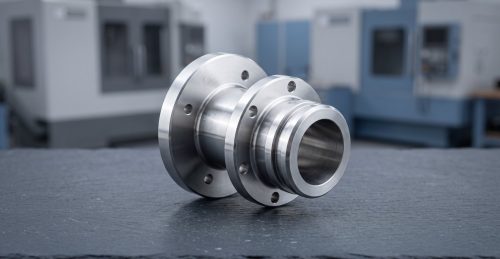 Stainless Steel 440CStainless Steel 440C is a high-carbon chromium steel. It has excellent hardness, wear resistance, and corrosion resistance.Learn More

Ready to Scale Your Project?
Get started with a stable process and controlled quality. Let's discuss your project.