






Cast Iron Machining
DEK provides cast iron machining for gray, ductile and malleable iron, from your castings or our continuous-cast bar, to ±0.005 mm on finished features. No MOQ, engineer-reviewed quotes within 6 hours.
-
±0.005mm
Finished Features
-
5
Iron Grades
-
6 hrs
Engineer-Reviewed

Cast Iron Parts Machining: Castings or Bar
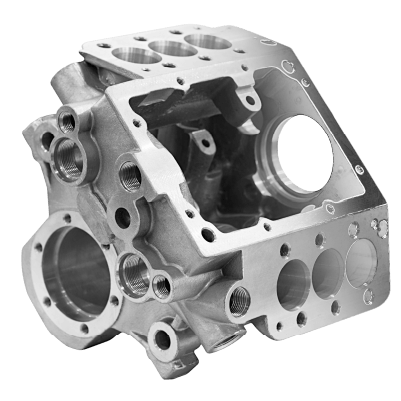
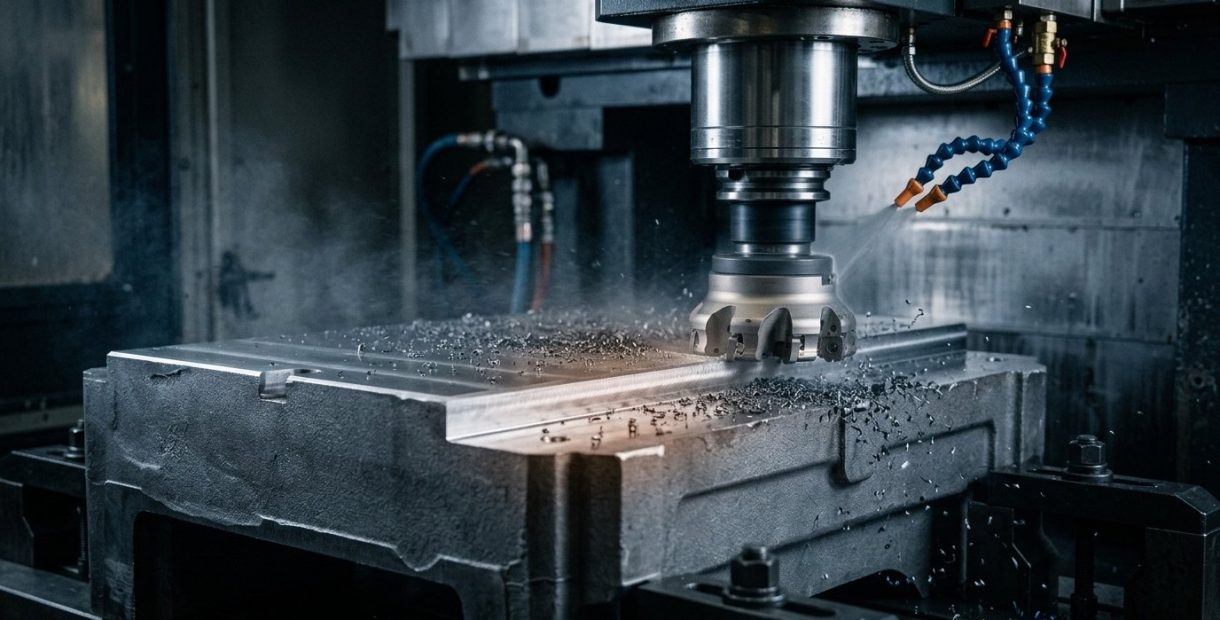
Most cast iron parts machining at DEK starts with customer-supplied castings: your foundry ships rough castings to Shenzhen, we fixture off the casting datums, finish-machine, inspect and ship. We machine the casting; we do not pour it.
For prototypes and low volumes, we machine continuous-cast gray or ductile iron bar (Class 40 and 65-45-12) in rounds to about 300 mm, with no chilled skin. Still choosing between a casting and a billet? See cast iron vs steel or our full metal machining range.
-

20+ years of precision machining since 2002
-

100+ CNC machines set up for dry cast iron
-

CMM checks on bore positions and flatness
-

Prototypes in 3–5 days from bar, no MOQ
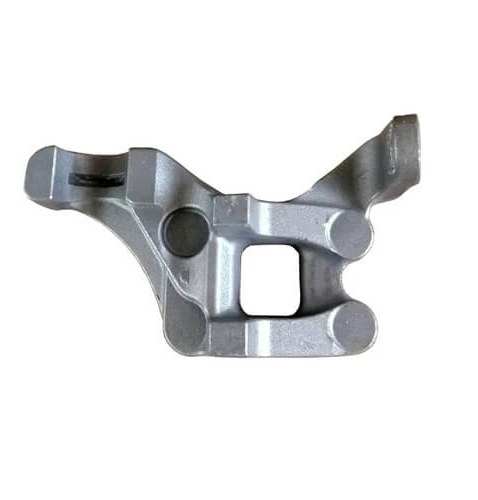
Cast Iron Grades We Machine
Gray, ductile and malleable grades, rated against AISI 1212 free-machining steel (100%). Ratings apply to the base metal, not the casting skin.
-

Gray iron Class 30
207 MPa min, 180–220 HBA48 Class 30 / EN-GJL-200 / GG-20 / FC200. Machinability ~80–100%: the fast-cutting choice for damped bases and housings.
-

Gray iron Class 40
276 MPa min, 210–260 HBA48 Class 40 / EN-GJL-300 / GG-30 / FC300. Machinability ~70–80%, common bar stock for stronger gray iron parts.
-

Ductile iron 65-45-12
448 MPa (yield 310)A536 65-45-12 / EN-GJS-450-10 / GGG-40 / FCD450. 156–217 HB, ~70–80% machinability; stocked as bar for shock-loaded parts.
-

Ductile iron 80-55-06
552 MPa (yield 379)A536 80-55-06 / EN-GJS-500-7 / GGG-50 / FCD500. 187–255 HB, ~55–65% machinability, for gears and higher loads.
-

Malleable iron 32510
345 MPa (yield 224)A47 32510 / EN-GJMB-350-10 / GTS-35 / FCMB340. 110–156 HB, ~90–100% machinability, used in pipe fittings and agricultural hardware.
-

Ductile iron
6–18% elongationTreated with 0.03–0.06% magnesium so graphite forms spheres; gray iron, with graphite flakes, has almost no elongation.
-
±0.005mm
On request, from bar stock
-
H7
Bored bearing seats
-
1000 mm
Large part envelope
CNC Machining Cast Iron: Capabilities
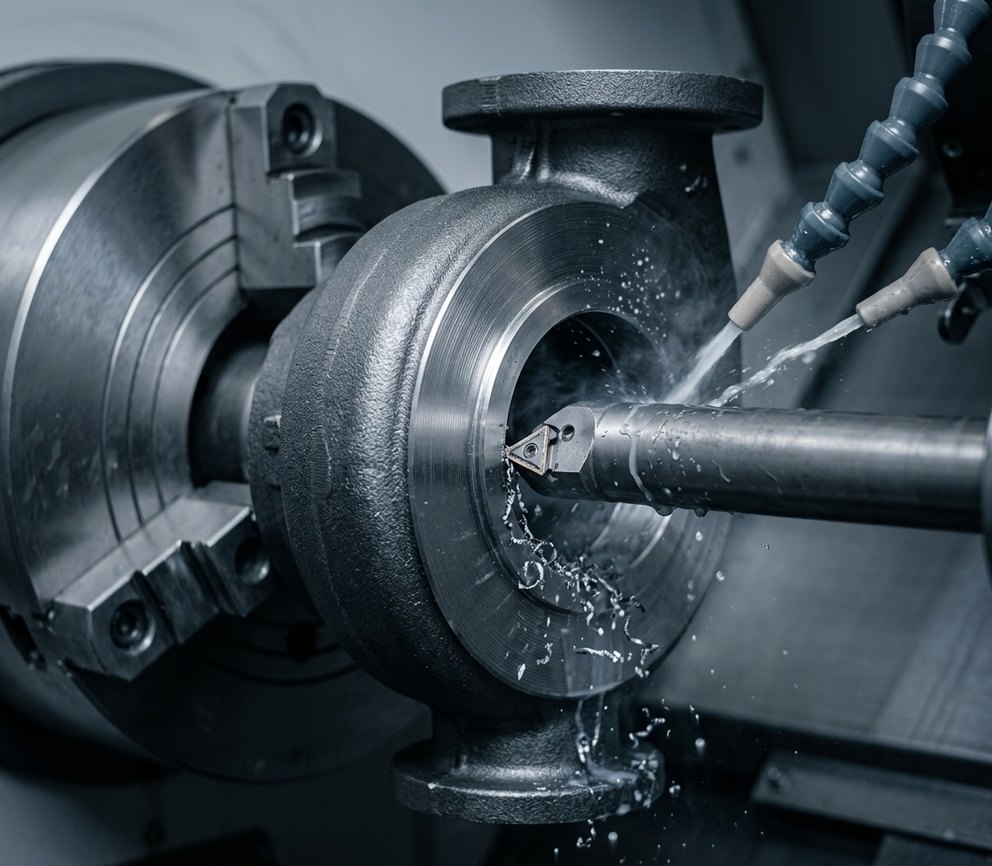
Castings and bar are milled, bored, turned and ground on 3-, 4- and 5-axis equipment, from one part to 10,000+, with tolerances set per feature.
-
1
Milling Faces & Pockets
CNC milling on 3-, 4- and 5-axis machines for mounting faces, bolt patterns, gasket surfaces and pockets, ±0.025 mm standard from bar.
-
2
Boring to H7
CNC boring and jig boring for bearing and cylinder bores to H7, typically ±0.01 mm at 50–100 mm, Ra 0.8–1.6 µm.
-
3
Surface Grinding
Surface grinding for machine bases, ways and sealing faces: flatness 0.005–0.01 mm over 300 mm, Ra 0.4–0.8 µm.
-
4
Large Part Machining
Large part machining to about 1000 mm for bases, frames and gearbox housings, with sea freight for heavy bases.
What Makes Machining Cast Iron Different
Graphite, chilled skin and low stiffness drive our approach to gray iron machining and ductile iron machining.
-
1
Graphite Lubricity & Dust
Graphite lubricates the cut and breaks chips into short segments or powder, so gray iron machines faster than steel of the same hardness, but its abrasive dust attacks ways and spindle bearings.
-
2
Dry Machining by Default
Gray iron runs dry: coolant plus graphite dust becomes an abrasive slurry. Ductile iron makes a hotter, continuous chip, so deep bores and threading in 80-55-06 may get mist coolant.
-
3
Cutting Under the Skin
The chilled as-cast layer reaches 350–450 HB over a 200 HB core. The first cut must go under it in one pass, typically 1.5–3 mm, so castings need 3–5 mm stock per face.
-
4
Datums & Thin Walls
If castings vary by 1 mm, the fixture locates on a machined datum after the first operation. With a 100–120 GPa modulus, thin-walled housings are clamped lightly on machined pads.
When Cast Iron Is (and Isn't) the Right Choice
Cast iron wins on damping, complex cavities and volume pricing; a machined alloy or carbon steel billet wins on weldability, strength and very short runs.
| Criteria | This MaterialCast iron | Alloy steel | Carbon steel |
|---|---|---|---|
| Choose it for | Housings with cavities | Strength, welds | Short runs, welds |
| Vibration damping | 10–20× steel (gray) | – | – |
| Tensile strength | 207–552 MPa | Above ~700 MPa | – |
| Thin walls | 4 mm and up | Under 4 mm | Under 4 mm |
| Best quantity | Volume pricing | 1–20 pcs (4140) | 1–20 pcs (1045) |
Typical Cast Iron Parts We Machine
Gray iron for damping and stable wear surfaces, ductile iron for shock and bending, malleable iron for fittings and farm hardware.
-
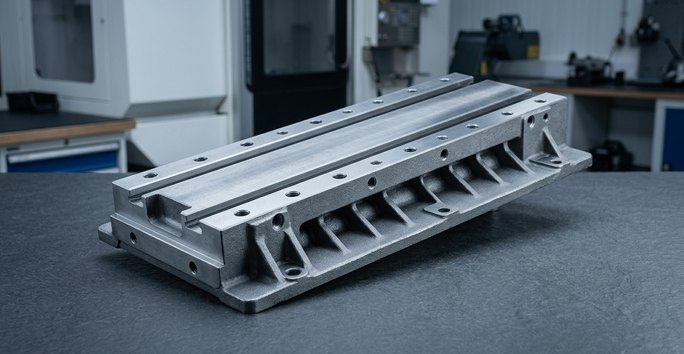 Machine Tool BasesGray iron bases and slides that need damping, compressive strength and flat ground ways for precision equipment.
-
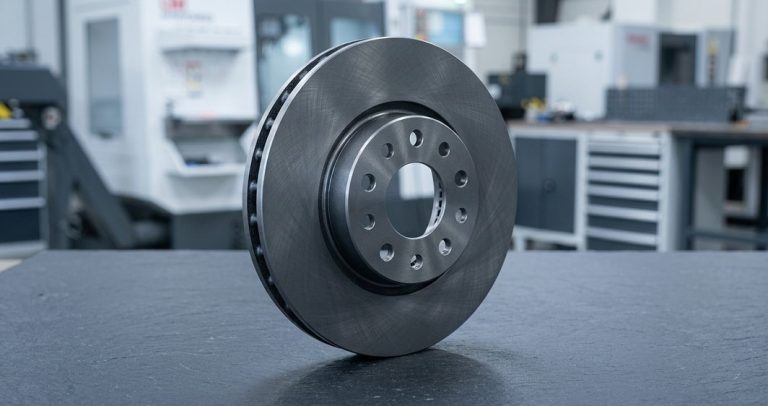
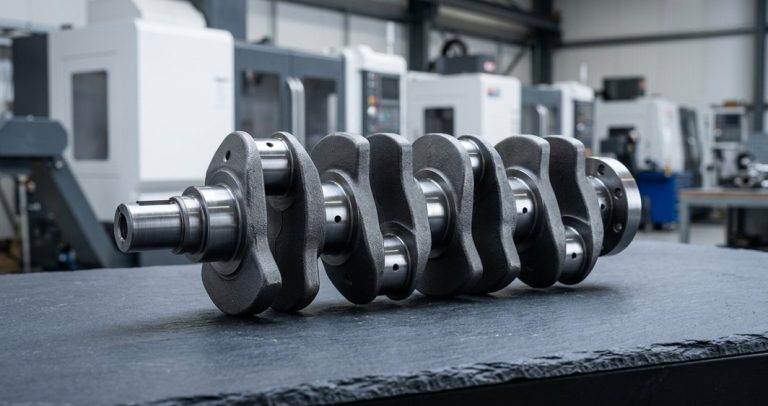
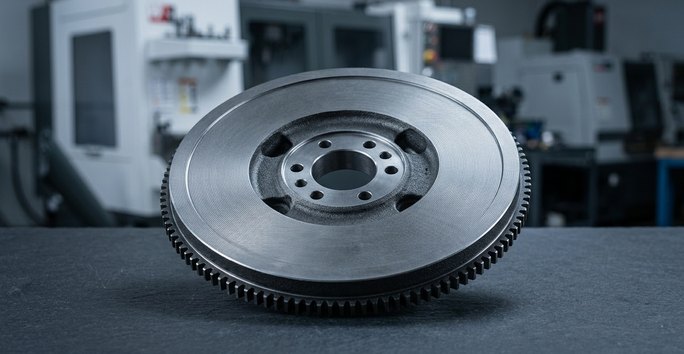 Automotive ComponentsGray iron brake discs and flywheels, ductile iron crankshafts and suspension brackets that see shock and bending.
-
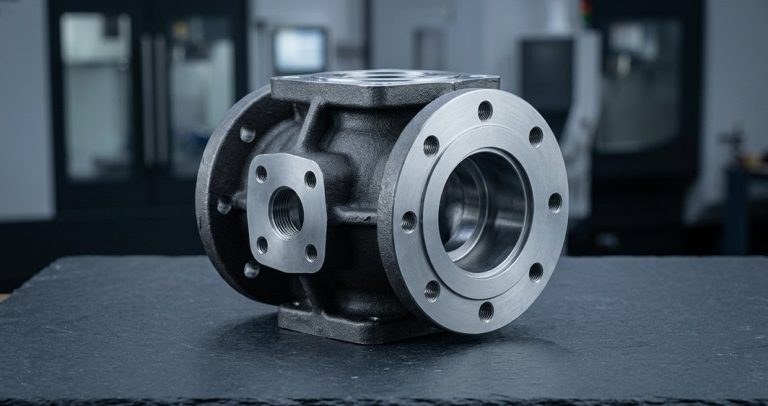
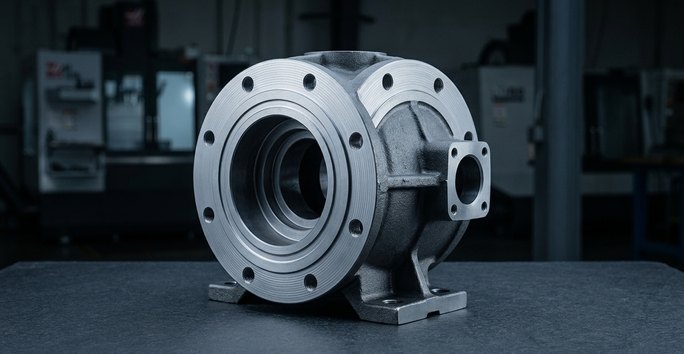 Pumps & ValvesDuctile iron pump bodies, impellers and valve bodies machined from castings with internal cavities a billet cannot match.
-
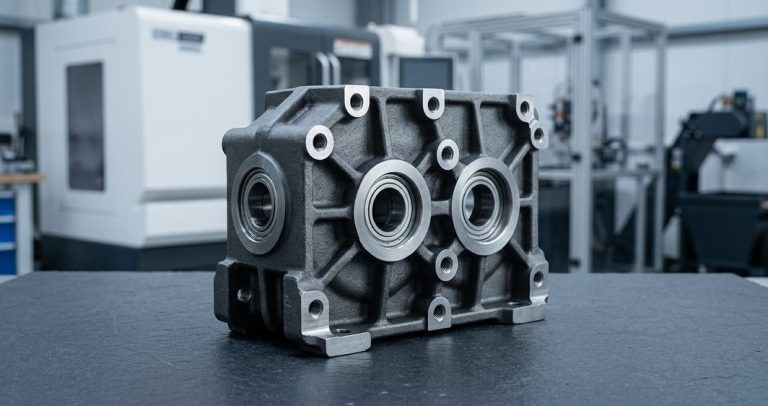
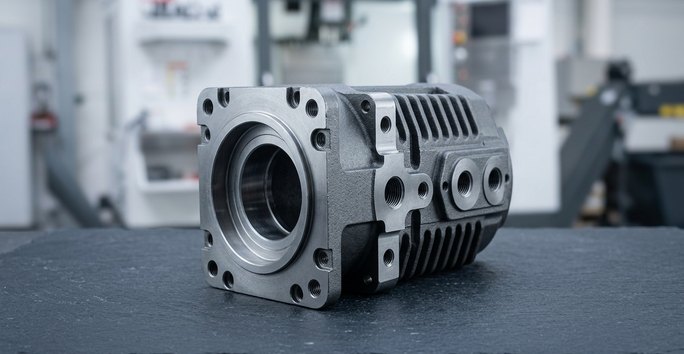 Housings & GearboxesGearbox and motor housings plus compressor blocks, bored and milled on machined datums for accurate bearing seats.
-
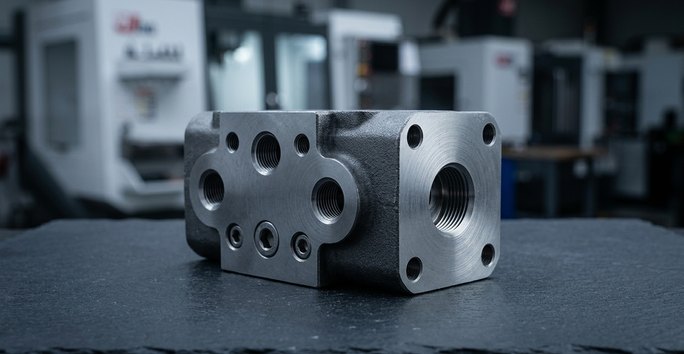 Hydraulic ManifoldsGray iron hydraulic manifold blocks with deep-hole drilled oil galleries and coolant passages, tapped and inspected.
-
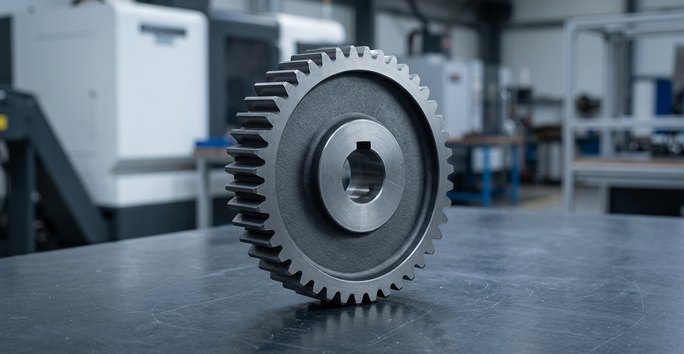 Agriculture & FittingsMalleable iron agricultural hardware and pipe fittings, plus ductile iron gears for wear parts and drives.
Heat Treatment and Finishing for Cast Iron
CNC machining + finish: hardening, coatings and corrosion protection applied to the cast iron parts we machine.
Need another finish? See all surface finish options
-
 Quench and temperMost Popular250–300 HB on ductile iron gears and wear parts, finished by grinding after heat treatment.Get a Quote
-
 AustemperingMost PopularADI at 300–480 HB on ductile iron gears and wear parts, with final grinding after heat treatment.Get a Quote
-
 Powder coatingMost PopularApplied to the cast iron frames and housings we machine, for a durable protective color coat.Get a Quote
-
 Zinc platingMost PopularUsed on small machined cast iron brackets for corrosion protection of bare surfaces.Get a Quote
Cast Iron Machining FAQ
Common questions from engineers sourcing gray and ductile iron parts.
Other Materials
-
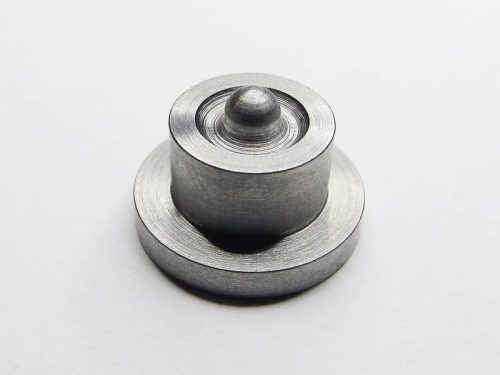 Alloy SteelAlloy steel grades 4140, 4340, 8620, 4130 and A514 for shafts, gears and structural parts that need more fatigue strength than plain carbon steel.Learn More
-
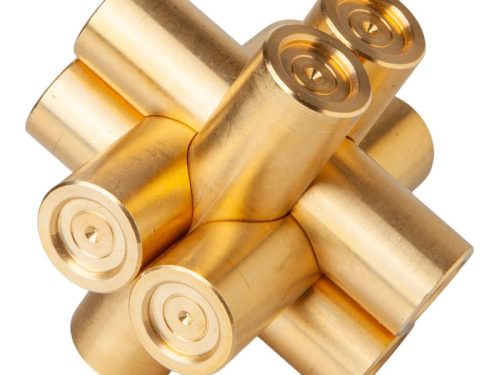 BrassC260, C360 free-cutting brass and Cz121 machined for fittings, valve parts, gears and connectors, from one prototype to production volumes.Learn More
-
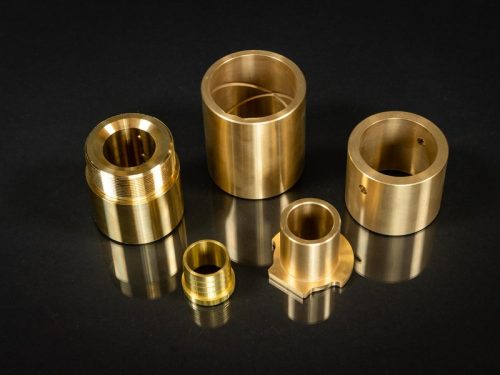 BronzePhosphor bronze C544, sintered C841, bearing bronze 932 and aluminum bronze 954 for bushings, sleeve bearings, gears, connectors and marine fittings.Learn More
-
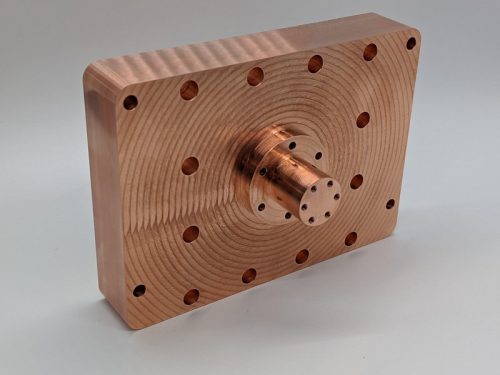 CopperCopper 101 and 110 stocked for waveguides, bus bars, connectors and heat sinks; beryllium and tellurium copper machined on request.Learn More
-
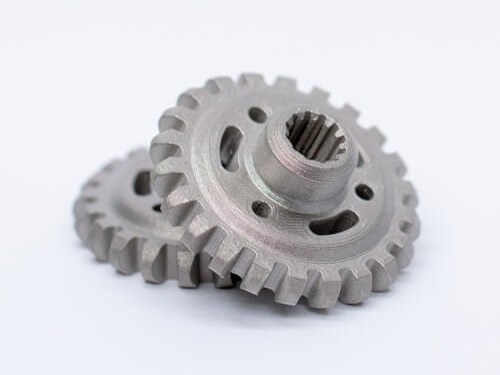 InconelNickel superalloys Inconel 600, 625 and 718, machined for aerospace, energy, medical and industrial parts exposed to heat and corrosive chemistry.Learn More
-
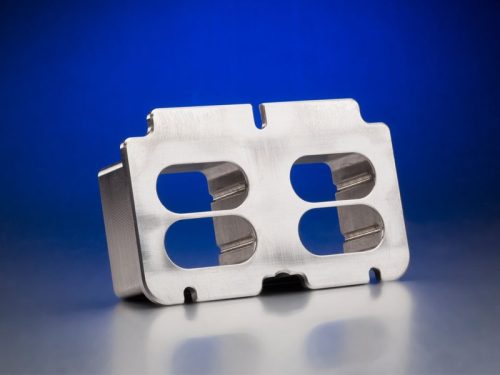 InvarInvar 36 and low-expansion Invar-family alloys, about 1.2 ppm/°C CTE, machined for optics mounts, semiconductor fixtures and measurement tooling.Learn More
-
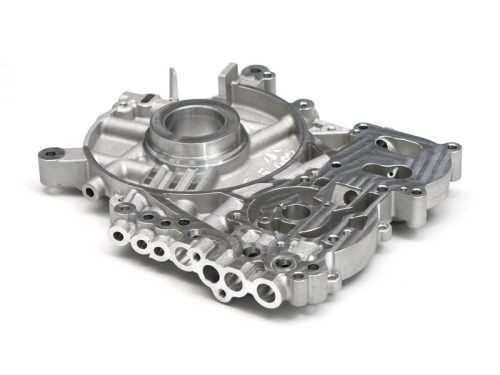 MagnesiumLightest structural metal in production use. AZ31B, AZ61B and AZ91D machined under fire-safe chip and coolant controls for weight-critical parts.Learn More
-
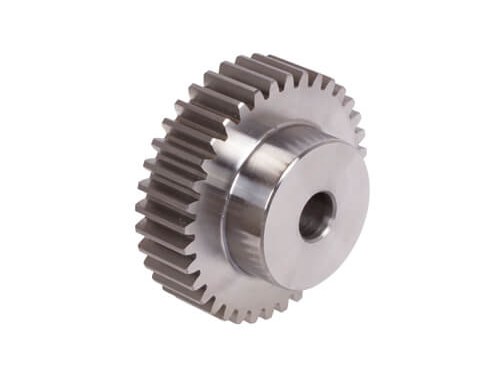 Mild SteelLow-carbon 1018, medium-carbon 1045 and free-machining 1215 and 12L14: cost-effective steel for shafts, brackets, pins, bushings and gears.Learn More
-
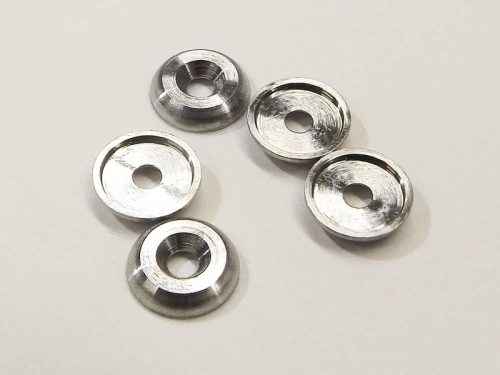 TitaniumGrade 1, Grade 2 and Grade 5 (Ti-6Al-4V) titanium, milled, turned and EDM-cut for aerospace, medical, robotics and semiconductor parts. No MOQ.Learn More
-
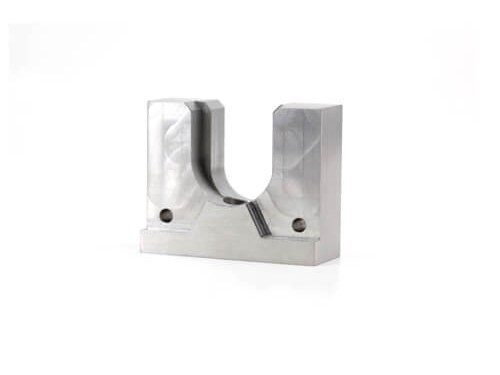 Tool SteelA2, D2, H13, O1, S7 and A3 machined into punches, dies, mold inserts and wear parts, annealed or hardened to 60+ HRC.Learn More
-
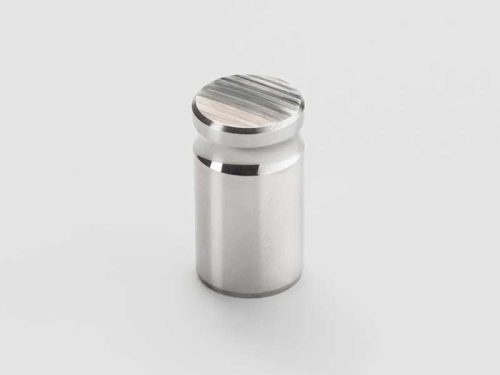 Tungsten SteelTungsten and tungsten carbide grades (YG6, YG8, YG10X, YG15, YL10.2) for wear parts, dies, punches and shielding, milled, turned, EDMed and ground.Learn More
-
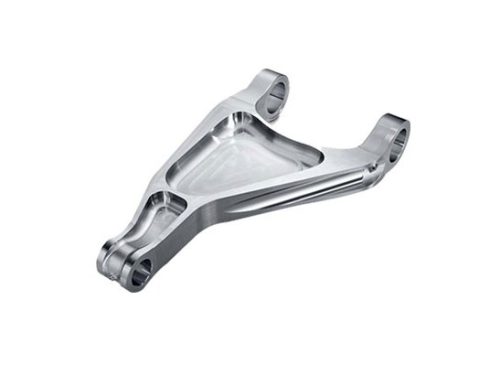 AluminumStocked 6061, 6063, 5083 and 5052 for brackets, housings, marine and fluid-handling parts, held to ±0.005 mm on fit-critical features with no MOQ.Learn More
-
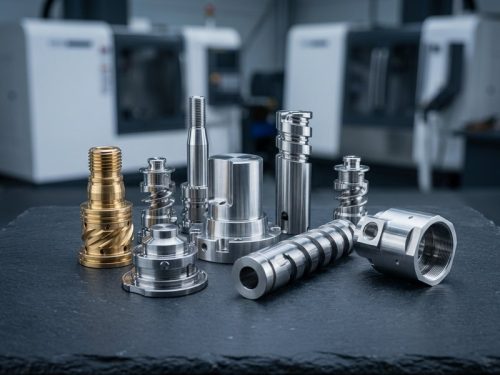 Stainless Steel303, 304, 316L, 17-4PH and 2205 duplex machined for medical, robotics, semiconductor and aerospace parts, from one prototype to production, ±0.005 mm.Learn More

Ready to Scale Your Project?
Get started with a stable process and controlled quality. Let's discuss your project.