








• English

  • French

  • German

  • Italian

  • Portuguese

  • Russian

  • Spanish

Nylon 6 Flame Retardant

Using flame-retardant Nylon 6 in CNC machining ensures that the final product meets safety standards
Get a Quote
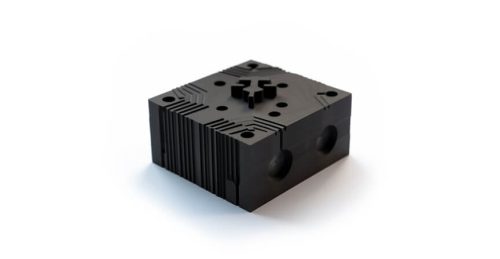
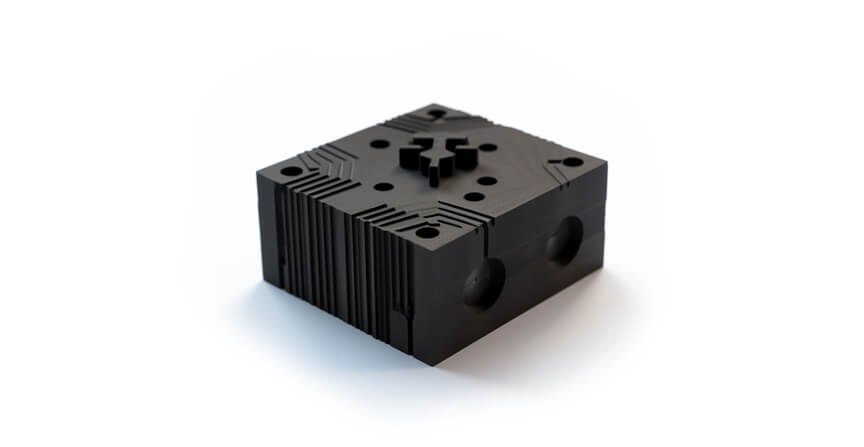
Black machined nylon block with holes and ribs
  • 82 MPa
    Yield Strength
  • 3.8 GPa
    Young's Modulus
  • 3 %
    Elongation at Break
  • 50 MPa
    Tensile Strength

Properties Table of Nylon 6 Flame Retardant
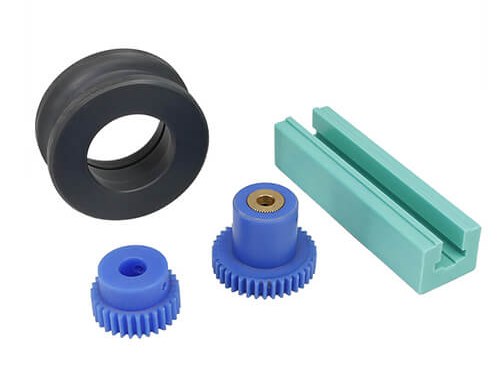
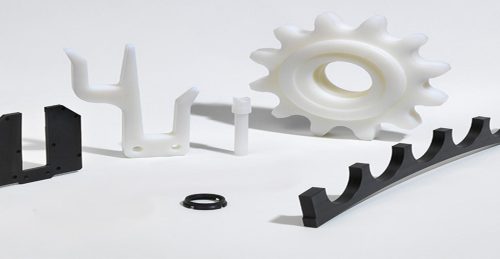
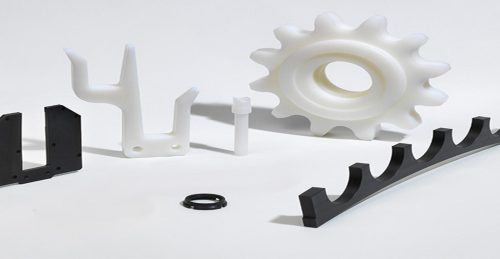
  • Nylon machined parts: gears, pulley, linear guide
Value
  • Yield Strength 82 MPa
  • Young's Modulus 3.8 GPa
  • Elongation at Break 3%
  • Hardness Moderate
  • Tensile Strength ~50 MPa
  • Flexural Strength ~80 MPa
  • Impact Strength ~25 kJ/m²
  • Elasticity High
  • Modulus of Elasticity ~2.5 GPa
  • Creep Resistance Good
  • Wear Resistance Good
  • Machinability Excellent

Nylon 6 Flame Retardant — Machining Notes

  • Nylon 6 Flame Retardant in CNC Machining and Injection Molding

    Using flame-retardant Nylon 6 in CNC machining ensures that the final product meets safety standards

    Nylon 6, a type of polyamide, can be flame retardant by putting additives during the manufacturing process. These additives release flame-inhibiting gasses when exposed to heat, suppressing combustion. Flame-retardant properties are particularly important in applications where the end product may encounter high temperatures or fire risks.

    In producing Nylon 6 Flame Retardant parts, we balance flame-retardancy, processing, and practical use. It must meet flame-retardant requirements without compromising mechanical, dielectric, insulation, and processing properties. We consider thermal conductivity, insulation, and antibacterial properties based on specific applications.

    Get A Quote
  • Basic Knowledge of Nylon 6 Flame Retardant

    Nylon 6 Flame Retardant refers to a type of nylon 6 polymer that has been modified to resist or slow down the spread of flames. Flame retardants are added to materials to reduce their flammability and enhance fire safety. This material is generally machinable and moldable. It is known for its high ductility and flexibility, moderate density and weight, chemical resistance, and low porosity. The material can withstand temperatures up to around 220°C. In terms of mechanical properties, it has moderate hardness, high tensile and impact strength, and good elasticity. Additionally, it has good resistance to creep and wear.

    • Fire Resistance
    • Self-Extinguishing Properties
    • Maintained Mechanical Properties
    • Thermal Stability
    • Versatility
    • Reduced Smoke Emission
    • Compliance with Safety Standards
    • Longer Escape Time (in case there’s fire)
    • Chemical Resistance
    • Durability
    • Electrical connectors
    • Automotive cable ties
    • Protective clothing
    • Industrial equipment housing
    • Tool handles
    • Cable insulation
    • Aerospace components
    Get A Quote

Other Materials