








Material Type
Material Name
Alternative Names
Process Compatibility
Alloy Steel 1215 in CNC Machining
Alloy Steel 1215 is not a common alloy steel. It is a resulfurized and rephosphorized steel known as free machining steel.
Free machining steels are designed to enhance machinability. The addition of sulfur and phosphorus forms inclusions within the steel that break up the continuous chip during machining, resulting in improved chip control and reduced tool wear. Due to its enhanced machinability, Alloy Steel 1215 allows for higher cutting speeds and feed rates, which carbide tools can withstand. We use coolant to dissipate heat generated during machining, extend tool life, and improve the machined part's surface finish. The formation of short, broken chips is characteristic of free machining steels, so we ensure adequate chip control to prevent chip entanglement and tool jamming.
Alloy Steel 1215 typically yields good surface finishes. However, fine-tuning machining parameters and tool selection can further enhance the final surface quality. It has poor weldability due to its high sulfur content, which can lead to the formation of sulfur inclusions and potential weldability issues. 1215 steel contains carbon as its main alloying element. It's frequently compared to carbon steel 1018, but they have notable differences. 1215 steel offers improved machinability, can maintain tighter tolerances, and has a brighter finish than 1018 steel.
Properties Table of Alloy Steel 1215
| MECHANICAL PROPERTIES | Criteria |
|---|---|
| Ultimate Tensile Strength | 355-370 MPa |
| Yield Strength | 230 MPa |
| Young's Modulus(Elasticity) | 190-210 GPa |
| Elongation at Break | 18-26 % |
| Physical Properties | |
| Corrosion Resistance | Moderate |
| Magnetism | Magnetic |
| Weldability | Poor |
| Thermal Properties | |
| Thermal Expansion Coefficient | 11.5-13.9 x 10^-6/°C |
| Thermal Conductivity | 51.9 W/(m·°C) |
| Electrical Properties | |
| Electrical Resistivity | 17.4 μΩ*cm |
Basic Knowledge of Alloy Steel 1215
Alloy steel 1215 is a low-carbon steel with superior formability and machinability. It is especially suitable for processes like cold drawing, turning, and polishing. The composition of this steel includes iron (98.42 – 98.95%), manganese (0.75 – 1.05%), sulfur (0.260 – 0.35%), carbon (0.090%), and phosphorus (0.040 – 0.090%).
1215 shows effective corrosion resistance in common conditions like fresh water, mild acids, alkalis, dry air, and some chemicals. However, it corrodes rapidly in saltwater or highly corrosive environments. In terms of heat resistance, it performs well up to about 400 degrees Fahrenheit but loses strength at higher temperatures.
Improved productivity in manufacturing processes
Alloy Steel 1215 Buying FAQs
Other Materials
Alloy Steel 8620
Alloy steel 8620 is a low-alloy steel containing nickel, chromium, and molybdenum with high strength and toughness. It is a commonly used steel that can be carburized.
Alloy Steel 4340
Alloy Steel 4340 belongs to the AISI 4000 series of steels, a heat-treatable, low-alloy steel with high strength and toughness.
Alloy Steel 4140
Alloy Steel 4140, also known as chromoly steel, is a versatile low-alloy steel that contains chromium, molybdenum, and manganese.
Get An Accurate Quote For Your Next Projects
No matter your project is complicated or simple, no matter is metal or plastic, you will get an accurate quotation within 6 hours.

WRITTEN BY
Robert specializes in material properties and machining behavior across metals and plastics. He is familiar with aluminum alloys, stainless steels, titanium, copper alloys, tool steels (including DC53, S136, SKD61), Invar, Inconel, PEEK, and carbon-fiber composites. He supports projects requiring difficult materials and helps optimize machining strategies.
Related Posts
-
 Spotface vs Counterbore Holes: Key Differences
-
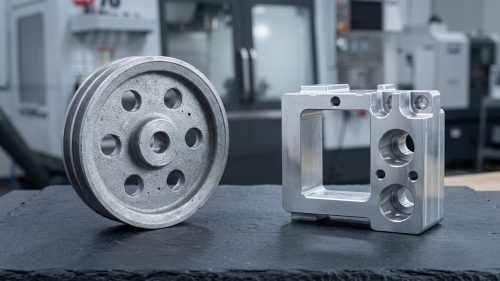 Billet vs Cast vs Forged Aluminum: Differences and Benefits
-
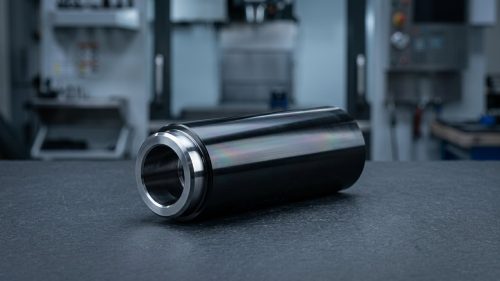 The Complete Guide To DLC Coating (Diamond Like Coating)
-
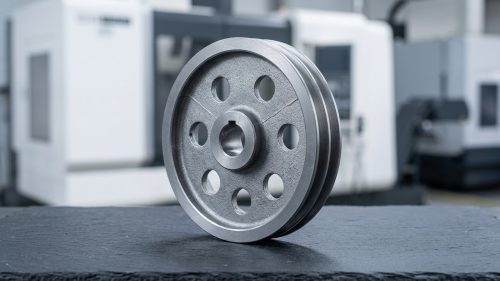 Aluminum Die Casting: Ultimate Guide
-
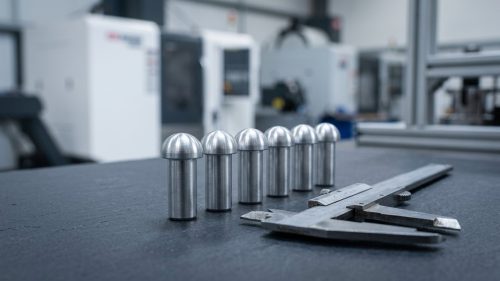 The Ultimate Guide to Rivet: Worth Everyone Reading
-
 The Beginner Guide To Crankshaft And Camshaft
-
 Red Brass vs Yellow Brass: Detailed Comparison
-
 ABS vs Polypropylene: Which One is Better?
-
 A Quick Guide To A Camshaft

Ready to Scale Your Project?
Get started with a stable process and controlled quality. Let's discuss your project.