
Magnesium vs Aluminum: A Detailed Comparison
Understanding the differences between magnesium vs aluminum helps engineers make accurate material judgments for lightweight structures. Both metals provide modern manufacturing, but they behave differently in terms of strength, corrosion resistance, and cost. This difference clarifies their properties clearly for confident industrial selection.
Magnesium vs aluminum explains the importance for industries that require minimized weight without compromising performance. This blog explains magnesium alloy vs aluminum strength, magnesium vs aluminum weight, corrosion resistance, and casting differences. It helps teams to choose the right option for technical requirements.
What is Magnesium?
Magnesium is the lightest structural metal in modern engineering, with excellent castability, natural vibration reducing, and good electromagnetic shielding. It is also appreciated by manufacturers for designs that call for weight savings.
Magnesium also favors high-speed production and efficient machining. Its ability to be cast in complex geometries helps in reducing overall system mass without sacrificing performance. Its properties make it a reasonable choice for advanced lightweight components.
Properties of Magnesium

Density
Magnesium has the lowest density (1.74 g/cm³) among structural metals. This property adds to the efficiency in aerospace, electronics, and automotive applications, where grams become very important.
Thermal Conductivity
Magnesium has fairly good thermal conductivity for the purpose of controlled heat dissipation. It can carry heat more slowly than aluminum. Thus, adequately protecting temperature-sensitive components in low-to-medium heat environments is important.
Electrical Conductivity
Magnesium has weaker electrical conductivity than aluminum. Still serves quite well for electronic structures where heavyweight is preferred over good power transmission.
Strength-to-Weight Ratio
Magnesium has an excellent strength-to-weight ratio. At very minimal mass, it provides fair structural capability for lightweight engineering designs in the aerospace and consumer electronics industries.
Machinability
Magnesium is easily machined at lower cutting forces. This lowers wear on tooling and leads to improved efficiency of the overall production process. It requires a controlled environment on account of its flame risks during high-speed cutting.
Corrosion Resistance
Magnesium is naturally more sensitive to corrosion due to the weak oxide layer it forms. Coatings or protective treatments are required for use in humid, saline, or chemically aggressive environments.
Melting Point

With a melting point of 650°C, magnesium can be easily cast and formed. Being a low-melting metal also helps in fast manufacturing cycles, thus reducing production energy costs.
Suitable Applications for Magnesium
Automotive components: Used for lightweight housing, brackets, and body structures.
Aerospace parts: Very much appreciate with respect to the lightweighting of mass in cabin systems of the aircraft.
Electronics enclosures: Give useful protection because of EMI shielding for device safety.
Sports equipment: Improves comfort with vibration dampening.
Robotics and automation: Support with the fast motion because of reduced weight.
Pros of Magnesium
Exceptional Lightweight Performance
Magnesium is the lightest structural metal. It reduces overall system weight extensively. Magnesium leads to improvements in fuel efficiency, speed, and product portability in many applications of engineering.
High Vibration Dampening
Because of its atomic structure, magnesium is a very good absorber of vibrations. Thus, relieving weakness damage in rotating components enhances user comfort in handheld devices.
Strong Electromagnetic Shielding
Magnesium naturally blocks electromagnetic interference. It protects sensitive circuits from interference, making it a good choice for housing smartphones, laptops, and industrial electronics.
Easily Castable Material
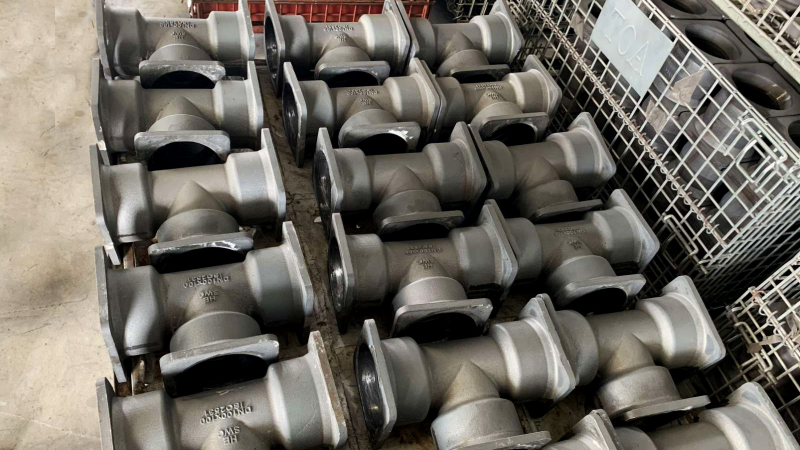
High magnesium castability allows for the design of complex shapes. Magnesium flows into molds effectively and accounts for lightweighting. It also allows good dimensional accuracy and reduced manufacturing cost.
Great Strength-to-Weight Efficiency
Considering its low mass, magnesium has much structural capability. It supports aerospace and automotive designs, which demand maximum performance with minimum weight.
Cons of Magnesium
High Corrosion Vulnerability
Magnesium would corrode very fast without protective treatment. The relatively reactive surface promotes quick degradation when moisture and salt attack. Therefore, this heavily restricts magnesium's use on earth planes with harsh environmental conditions.
Lower Fatigue Strength

Under continuous cyclic loads, magnesium has relatively low fatigue strength. If subjected to repeated stress without suitable strengthening, components may fail much sooner.
Lower Elastic Modulus
Magnesium bends easily under load because of its low stiffness. Commonly, in applications requiring high rigidity, harder metals are employed to ensure stability.
Fire Safety Concerns During Machining
Under conditions of high-speed cutting, magnesium can catch fire. Proper coolant systems and precautions have to be ensured while machining.
Lower Absolute Strength
It has a good strength-to-weight ratio. Also, magnesium lags behind aluminium in terms of absolute strength. This makes it less applicable to heavy load-bearing structures.
What is Aluminum?
Aluminum is a flexible, lightweight metal known for its essential corrosion resistance and stable mechanical strength. Its form-building capacity makes it very useful in large and complicated forms. It has also provided a stronger balance between durability, cost, and performance across industries.
Heat transfer, structural stability, and outside exposures over an extensive period are part of a long list of applications. These features enable it to serve in multiple fields such as transportation, construction, machinery, and even consumer goods. Engineers prefer it for mechanical strength without added bulk.
Properties of Aluminum
Density
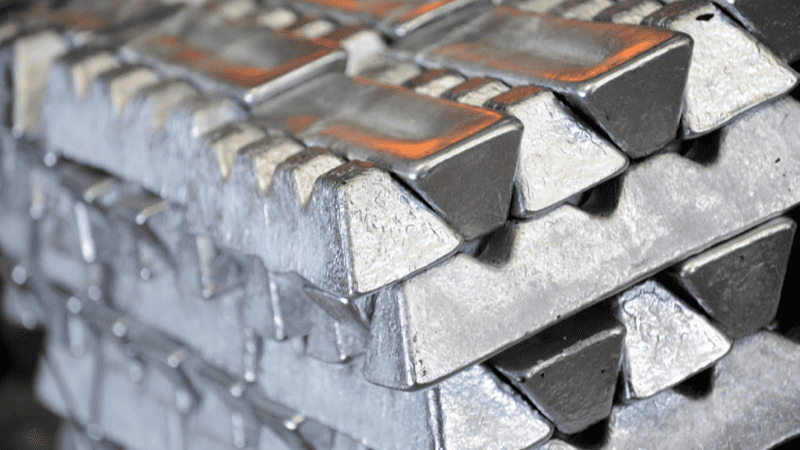
Aluminum has a density of 2.70 g/cm³. It is lightweight but heavier than magnesium. Its balanced density supports strong yet manageable components across many industries.
Thermal Conductivity
Aluminum offers high thermal conductivity. It transfers heat rapidly, protecting components from thermal stress and supporting efficient cooling systems in electronics and transportation.
Electrical Conductivity
Aluminum provides high electrical conductivity. It offers an effective balance between low weight and strong electrical performance in power components and conductors.
Strength-to-Weight Ratio
Aluminum provides strong mechanical capability while maintaining low mass. Its alloys reach high strength levels, supporting structural applications in aerospace and automotive systems.
Machinability
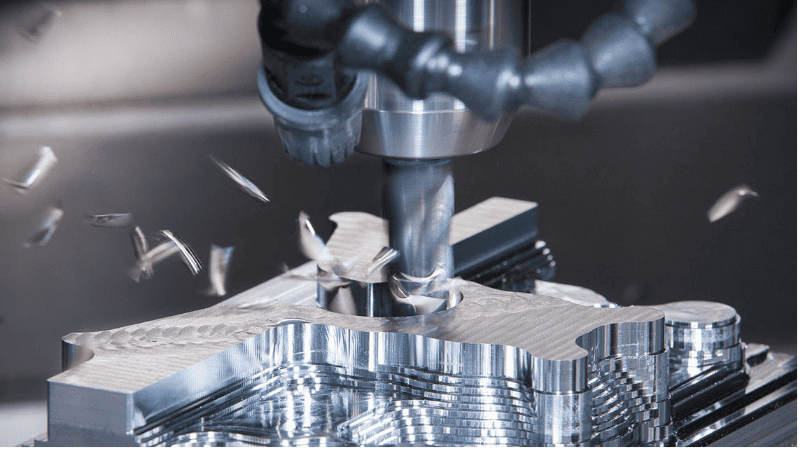
Aluminum works easily with high cutting speeds. It provides smooth surfaces but may create chip buildup, requiring proper lubrication and sharp tooling.
Corrosion Resistance
Aluminum forms a natural oxide layer that resists corrosion. This self-healing barrier protects components in humid, industrial, and outdoor environments.
Melting Point
Aluminum melts at 660°C, supporting diverse manufacturing processes. It offers excellent capability for extrusion, rolling, and forming operations.
Suitable Applications for Aluminum
Aerospace structures: Used for aircraft skin and internal structural frames.
Automotive panels: Reduce vehicle weight without losing strength.
HVAC systems: Efficient for thermal transfer.
Construction materials: Maximum life durability outdoors.
Packaging products: Provides safe, lightweight protective barriers.
Pros of Aluminum
Excellent Natural Corrosion Resistance
Aluminum resists corrosion by forming a protective layer of oxide on its surface. It gives consistent services outdoors and in industrial applications without major coating.
High Thermal Performance
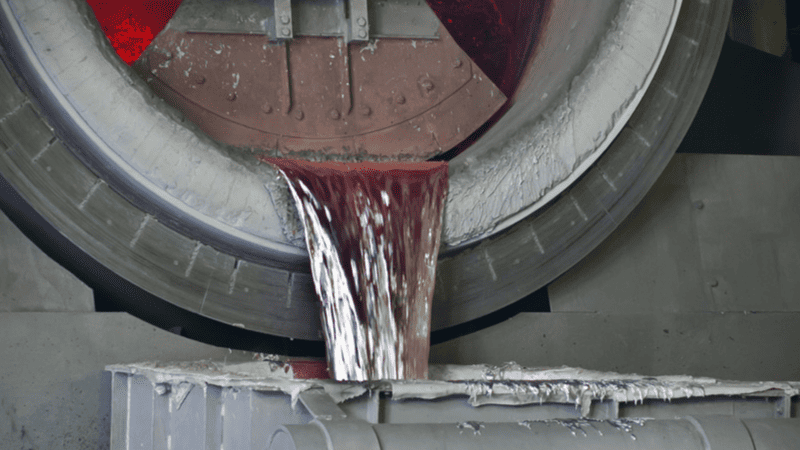
Aluminum has a very high thermal conductivity. The nature of the metal allows heat to dissipate away from sensitive components. It is useful for the increase of efficiencies in electronics, vehicles, and machinery.
Strong Mechanical Durability
Aluminum can sustain heavy loads and withstand mechanical stress in structural designs. Aluminum alloys have exceptionally high tensile strength.
Good Formability
Aluminum can be bent, formed, and extruded with ease. They create lightweight structural shapes and complex profiles with good dimensional accuracy.
Cost-Effective Material
Aluminum is widely and cheaply available. Its long life, recyclability, and great properties present a feasible economic consideration for mass production.
Cons of Aluminum
Friction Wear Issues
Aluminum is a low-friction material. Because of its low flexibility, it wears quickly under friction. This would necessitate the wearing away of the contact surfaces and supports in heavy contact areas.
Weakness Under Heat
The benefits of aluminum diminish beyond 150°C in heat. Under such conditions, it becomes reactive and sensitized.
Gummy Chip Formation

Gummy chips are formed during the machining of aluminum. Sharp tools and a good flow of coolants lead to smooth machining.
Stiffness Lower than Steel
Aluminum bends easily compared to steel. These applications need high stiffness to make aluminum strong.
Galvanic Corrosion
Aluminum tends to react with some metals under conductive environments. It has to be insulated when used in combination with steel.
Magnesium vs Aluminum: Which One to Choose?
Cost Considerations
The cost differences between the two are different. It presents magnesium as the more expensive option. Due to higher accessibility and lower processing requirements, the cost effectiveness of aluminum is magnified in large projects.
Strength
Comparative analysis of the strength of magnesium alloy versus aluminum shows that aluminum has higher absolute tensile strength. Magnesium possesses relatively superior strength-to-weight ratios but, in total, lower load capacity.
Weight
Comparing magnesium vs aluminum, the distinction between actually weighing them is very significant, as it is 33 percent lighter overall. Magnesium allows for very extreme lightweighting. On the other hand, aluminum offers a balanced weight-to-strength ratio.
Density
Magnesium density vs aluminum shows clearly that magnesium is lighter at 1.74 g/cm³. This higher density of aluminum, 2.70 g/cm³, makes more stability possible for demanding structures.
Corrosion Resistance
Due to the presence of an oxide layer, aluminum is very resistant to corrosion without protective coatings. However, magnesium will corrode in the presence of moisture, chemicals, or salts.
Operating Temperature
Aluminum performs better, in terms of strength retention, under heat than magnesium. Magnesium certainly lowers the temperature performance below 150°C, but rarely sustains high temperatures.
Environmental Impact and Sustainability
Both metals are recyclable. The recycling systems for aluminum are more developed, and the energy reuse cost is lower. On the other hand, Magnesium is less carbon-intensive in lightweight vehicles. Its recycling process needs to be carefully monitored.
Conclusion
Choosing between magnesium vs aluminum depends on weight needs, cost constraints, and performance expectations. Magnesium would be apt for lightweight structures demanding a high-speed pace. Aluminum would work for stronger and longer-lasting designs under different conditions.
The best way to select a material between magnesium vs aluminum for your project is through a professional consultant, DEK. Our experience in manufacturing confirms that everything is done consistently and with the best results. Contact us today about your engineering requirements to get reliable production support.
