
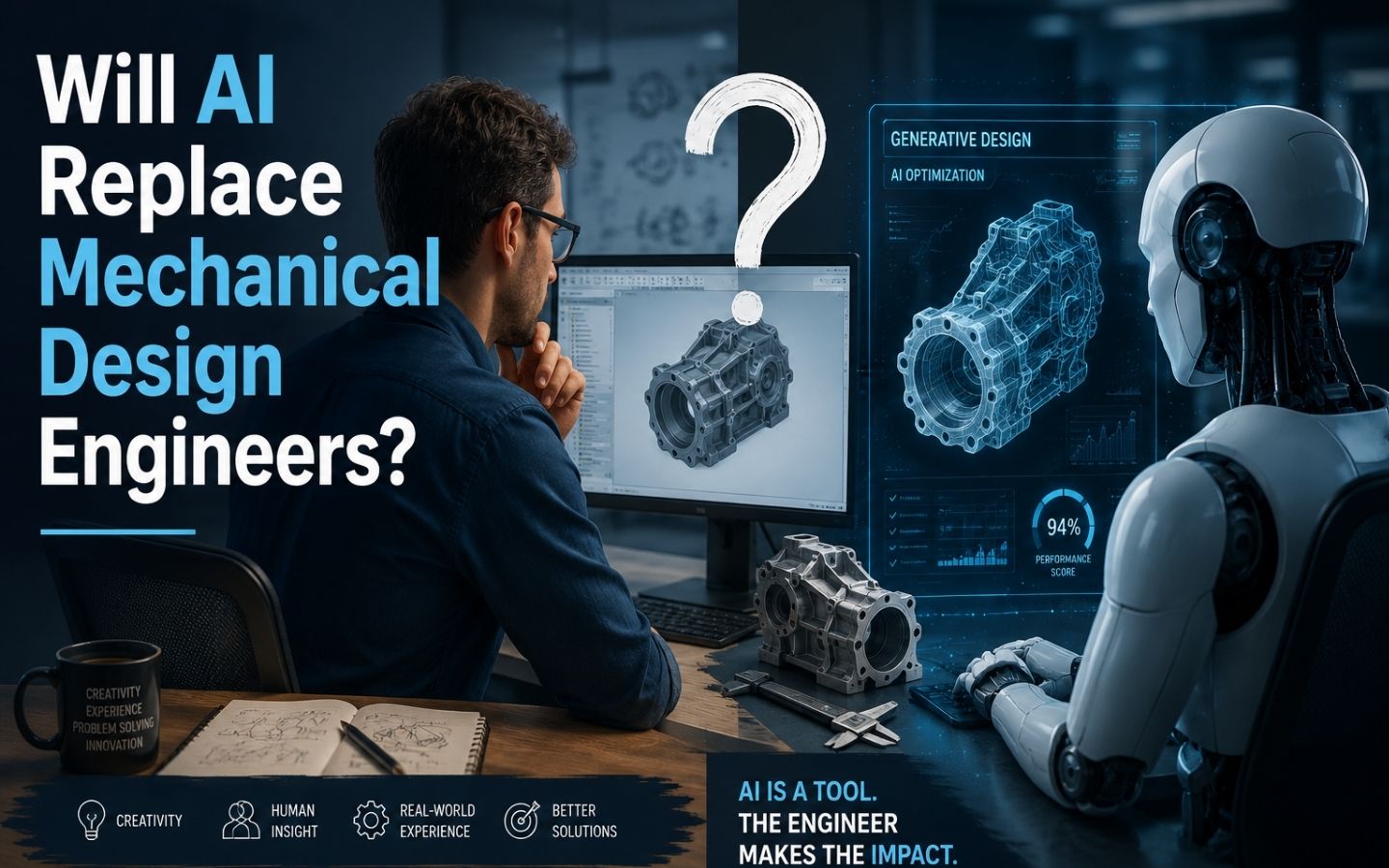
Having participated in plenty of design reviews and production floor discussion meetings, one notices the rapid changes occurring within the field of engineering. In past years, it was mainly about discussing machinability, tolerances stackup, and late design modification issues. Nowadays, engineers come up with more polished designs aided by artificial intelligence.
And the question arises whether or not artificial intelligence will replace mechanical design engineers.
As someone who finds themselves somewhere between design and manufacturing, my answer would be quite different from what others think.
What is AI Already Capable of in Mechanical Design
There is no need to argue about the fact that artificial intelligence already works pretty well in repetitive and well-structured design processes.
It provides a number of design concepts, materials choice advice, and warns about potential manufacturability problems at the early stages. Standard design features, tolerance recommendations, and interferences become automatic.
At the same time, many unproductive activities like document update, revision history, and other CAD tasks are taken away.
What AI Still Cannot Replace
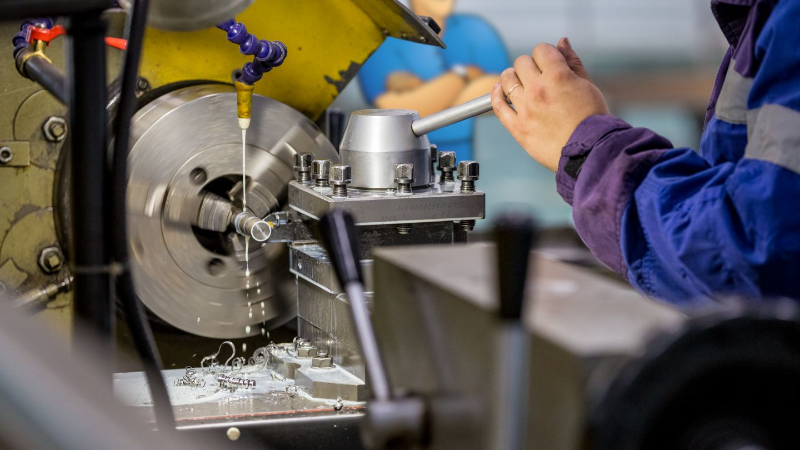
AI lacks comprehension of manufacturing truths.
It cannot gauge the performance of thin walls when being machined, assess tolerance stability due to heat, and make considerations on design in terms of inspection and assembly. This is not an issue of information but one of experience.
AI has trouble with non-technical aspects of decision-making. Trade-offs between price and lead time, toughness and complexity, or performance and manufacturing come into play here.
Above all, AI doesn’t know intent. When working as a machinist, a designer doesn’t only consider geometry; they decipher intent through geometry.
Albert Einstein once said, “The measure of intelligence is the ability to change.” In engineering, that still applies more to people than to tools.
How AI Will Reshape, Not Replace, the Role
AI removes many layers of execution from the design process.
It moves the engineering activity up to the earlier stages. Instead of spending time fixing drawings, designers spend time setting up parameters prior to modeling, especially when applying design for manufacturability (DFM) principles early.
Designers become involved in making key choices that define the end result: architectural issues, interfaces, manufacturability limitations, etc.
What I’ve Observed Working With Engineering Teams
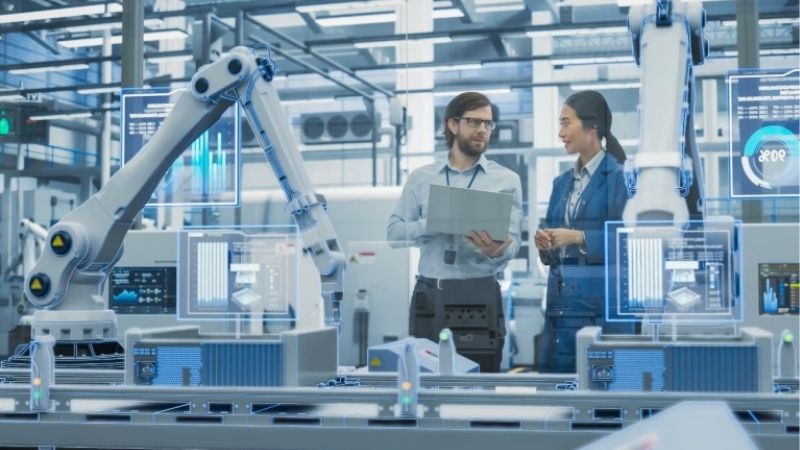
There is a growing tendency in a variety of industries, including aerospace and medical device startups. However, wherever I look, there is a consistent pattern.
Artificial intelligence enables users to discover problems earlier in the design process than ever before. For example, senior engineers may confirm their assumptions more quickly, whilst junior engineers can iterate on their work more securely thanks to real-time feedback.
At DEK, we have seen fewer engineering change orders and an equal level of alignment between what was designed and what is manufactured. Our interactions have also shifted from repairing problems to improving design decisions before manufacturing the finished product.
The Real Risk: Engineers Who Refuse to Evolve
A team resistant to AI tools will have longer iteration cycles, delayed feedback, and more repeated rework; large structural differences will develop between teams over time.
As rapid changes to design occur, but manufacturing continues at an uneven pace, the end result will be more reactive communication and late alignment of artifacts.
Automation will not create obsolescence; it will be caused by a failure to adapt to new methods of work.
How Mechanical Engineers Can Stay Indispensable
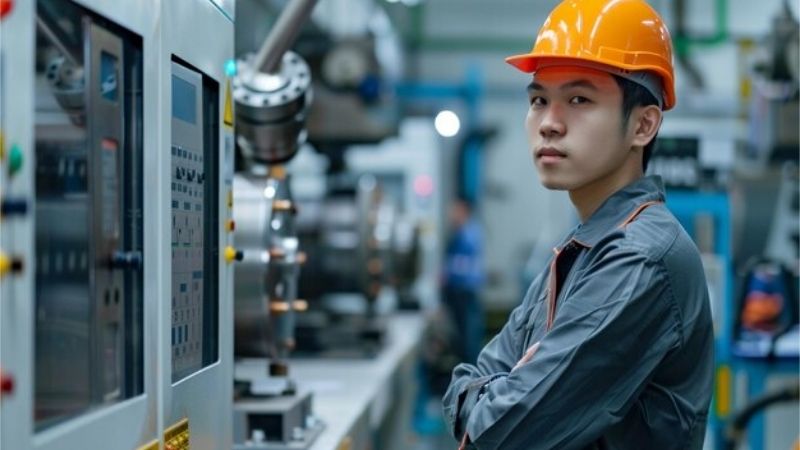
Engineers are not in competition with AI; they are leveraging AI in order to enhance their abilities.
They are knowledgeable about machining restrictions, inspection realities, and how even small design decisions can impact production. Engineers also work with their manufacturers rather than operating independently.
The engineer's greatest contribution is not necessarily in producing additional geometries but rather in improving their decision-making process prior to finalization.
In the words of Peter Drucker. "The only way to predict the future is to create it"; however, creating an engineering product still requires human judgment prior to the design being complete.
My Perspective
AI does not replace the value of engineering; it compresses how long it takes to deliver engineering products.
The new advantage of being the best manufacturer in your industry is no longer based on total quantity of production; it is based on making that correct decision as soon as possible after initial production has begun.
