
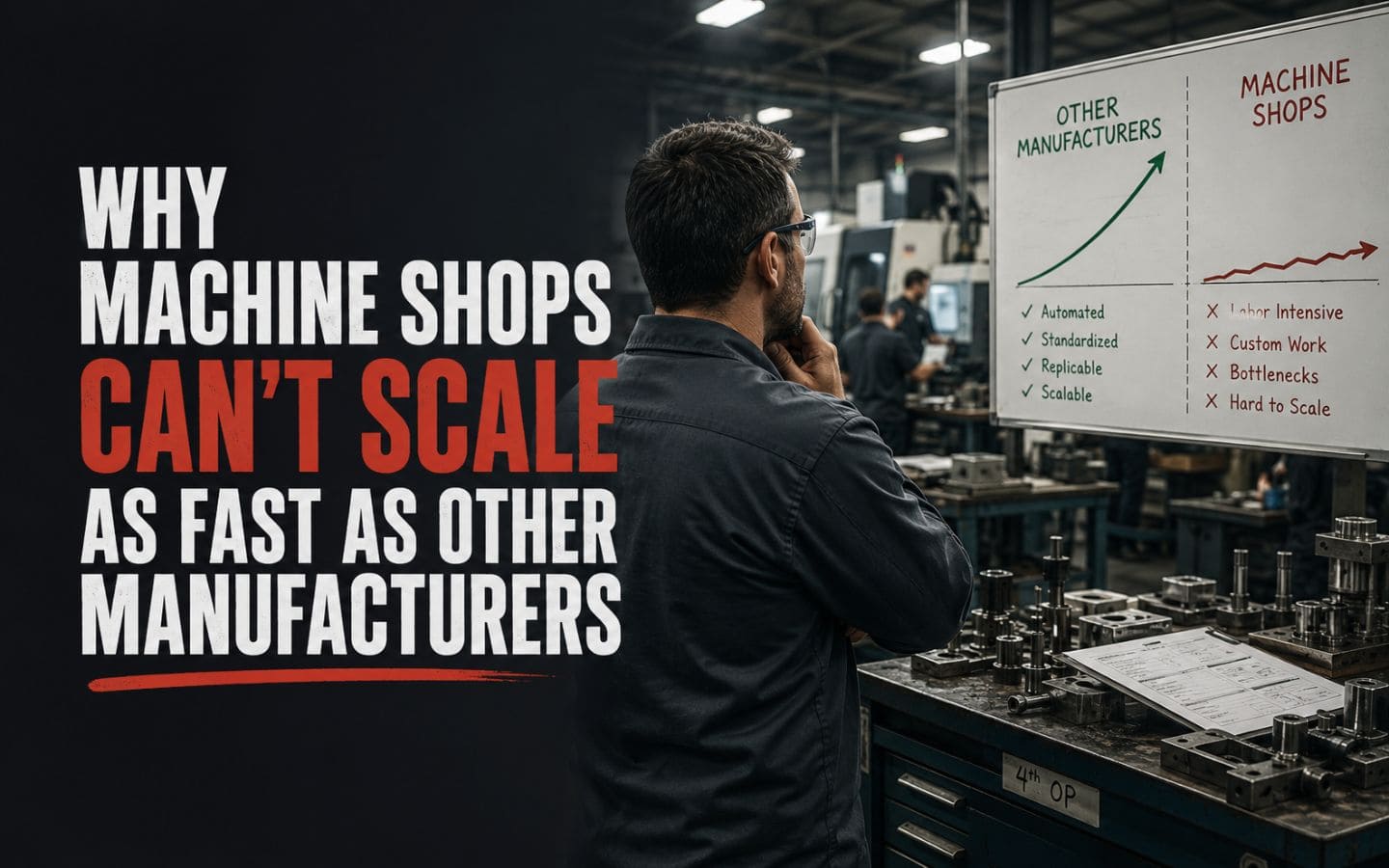
I’ve had conversations with many founders in tech or assembly who talk about ‘scaling’ as if it is some switch you turn on once you have the capital. From my experience running the same business, that could not be further from being true. When I'm looking at our capabilities, I don’t see machines. I see a system of technical constraints that do not move at the pace of a spreadsheet.
I'll tell you what I learned: we can’t simply double the machines to double output. As professional manufacturers, we produce according to customers’ requirements so as to exceed expectations. We can’t just hire someone to fill the position of an incompetent technician available at a low cost. Scaling takes time; it’s a slow and intentional balancing of equipment, specialized talent, and workflow stability. If you try to speed it up, your scrap rate will usually increase more quickly than your revenue.
The Complexity of High-Mix, Low-Volume Work
The Reality of Unique Setups
We found that a ‘set it and forget it’ production was rare in our experience. A significant portion of what we do involves a high degree of variety and low-volume output. After producing the same bracket thousands of times, you are able to optimize the cycle time down to the second. When one is leaping from one aerospace housing or medical component to another, the learning curve resets every few days.
How Variation Influences Efficiency
Each new part number we take on involves different sets of variables. We’re not simply altering a tool; we’re reconstituting the complete framework from the particular fixtures needed to the specific feeds and speeds for a difficult alloy. This perpetual back-and-forth restricts our growth speed. Scaling up in this world means not adding more machine hours but dealing with all the prep before a spindle even turns.
Scaling Variation vs. Volume
I’ve discovered that it is much harder to scale variation than it is to scale volume. In a low-volume shop, the real product is not the part but the setup and the programming. To improve my performance, I cannot just purchase an upgraded piece of equipment. I must discover methods to lessen the friction of transitions. When a startup sends us three prototypes, the choke point is using the mental energy to get those first parts right.
The Challenge of Finding Technical Talent

Specialized Programming Requirements
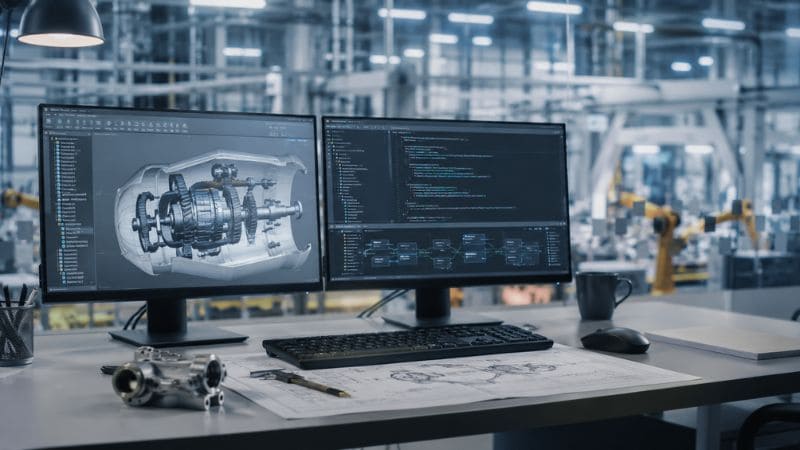
Increasing the capacity of an ops facility (with precision) is about increasing technical capability, not headcount. The efficiency of a five-axis machine relies heavily on the programmer’s skill. Without a programmer who understands the influence of material stress and tool deflection, machines either stand idle or produce scrap.
The Realistic Training Timeline
It wouldn’t work to successfully hire a talented machinist off the street and expect them to be hitting aerospace tolerances in a week. This is a craft that takes years to learn and acquire. The onboarding process for high-end work is sufficiently slow that there is a maximum limit for how quickly we can safely scale production.
Managing Internal Expertise
In many shops, the most important technical nuances are stuck in the heads of senior staff. When a company grows too quickly, this tribal knowledge does not make its way to new hires, leading to quality problems. Scaling efficiently requires thinking about how to standardize that experience without losing the accuracy the customer expects.
Hardware Expansion vs. Operational Limitations
The New Bottlenecks in Production
A balance sheet that shows more spindles on the floor always looks good. But it’s rarely the right solution for throughput. Once the new equipment is energized, the choke point merely shifts upstream to programming and downstream to quality control. Your inspection team can't keep up with output, so parts are just sitting in bins waiting for a final report.
Reasons For Machine Downtime
As a machine only generates revenue as long as the spindle is turning, uptime is a function of the efficiency of the prep. If the fixtures are not available or if the material is not prepped, a million-dollar machine is simply expensive floor decor. I've seen plenty of shops purchase equipment to address a volume problem only to discover their support processes could not feed the new capacity.
The Increasing Cost Of Complexity
The increase in operational complexity outpaces the increase in actual output. Dealing with five machines is linear. Dealing with twenty machines requires scheduling logistics that many smaller operations aren’t equipped for. With each new machine, the chances of error in the tool and material follow-up increase.
How To Calculate Real Growth
Genuine growth cannot be determined by the number of machines you have on the floor. But rather, if and how many of them are running in sync with the rest of the business. Purchasing as many devices as you like is fine, but without a plan to handle data and QC increase, that’s just more overhead. Scaling should be telling the entire workflow story and not just the cutting time.
Process Maturity Over Machine Count
Standardized Operations and Quality
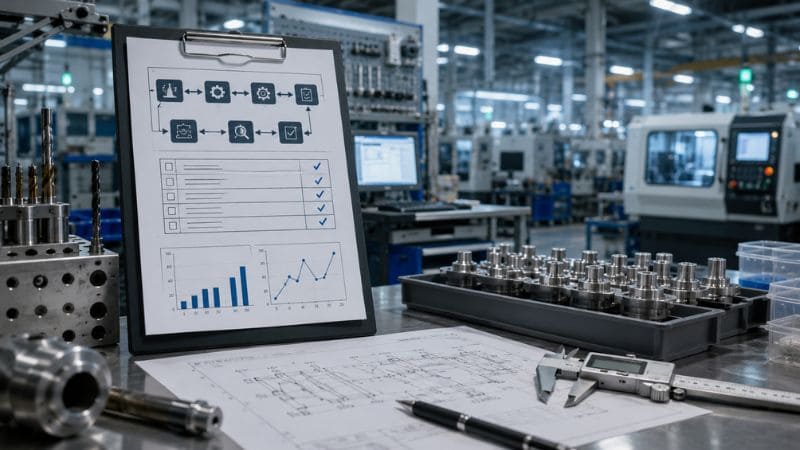
A company that does not have repeatable systems will eventually reach a hard limit on quality that no amount of equipment can fix. If you don't have some standardized procedures, every project becomes a custom one. When you grow, you can't stay consistent. The instability of the foundation creates error opportunities by merely adding more equipment.
Collapse Due to Informal Communication
Reliance on verbal instructions or check-ins causes a total breakdown in clarity as a team gets larger. Information that requires communication across several departments rather than just a few people often gets lost in the details. The absence of formal documentation is where the costliest production errors most frequently originate.
Small Mistakes Employing the Multiplier Effect
In a small operation, one process fault may only spoil a few parts before anyone notices it.
As the volume increases, those little things multiply rather than just being a small issue. I know from experience that a single undocumented step in a setup leads to a lot of scrap.
Strengthening the Foundation
At DEK, we focused on internal processes rather than hardware upgrades for scaling our production. We developed the structure to manage bigger volumes without losing accuracy by designing the workplace from the front office to the shipping dock. We were able to perform complex work with a consistency that machinery alone is unable to achieve when we prioritize the system.
Capital Risks in Scaling Production
Asset Investment and Demand Volatility
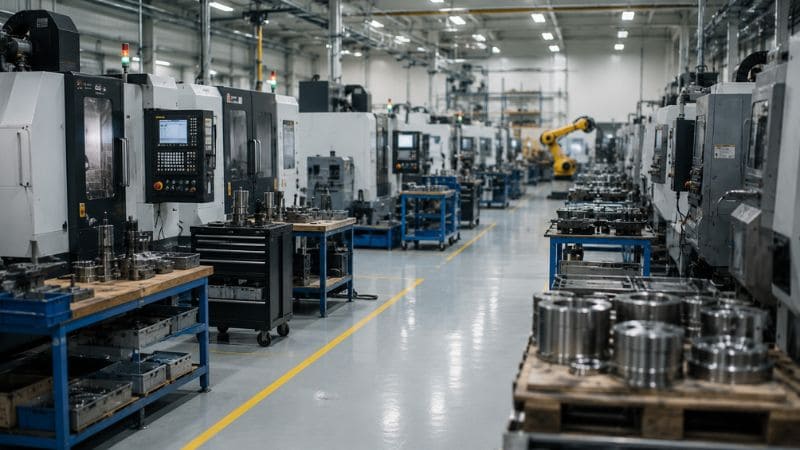
Risking expensive machinery at such a time when demand from customers is still uncertain. Essentially, capital is being trapped in long-term hardware while short-term purchase orders get executed. A sudden hold on the project can transform a new production line into a huge liability.
Cash Flow Problems From Expansion
The growth of any business requires the depletion of cash resources for tooling, raw material, and specialized labor. You face these expenses long before your client pays for the work you completed. Through my experience, I've witnessed companies move too far ahead of their cash reserves. They focus more on capacity than on the timing of payables.
Increased Overhead Impact On Margin
Increased output will usually result in a leap in indirect costs, which can involve more planners or more quality documentation staff. Although these roles are important for bringing in governance, they increase the monthly burn rate without a guaranteed increase in profit. It is necessary to have a high level of fiscal discipline to add these layers without compromising the margins that keep the business healthy.
Strategic Approaches to Sustainable Growth
Prioritizing Engineering and Process Control
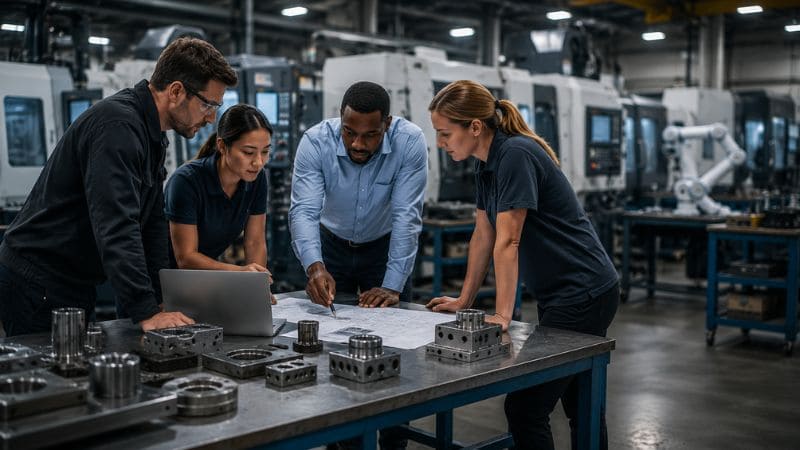
Successful growth begins with polishing the technical foundation before any new iron passes through the floor. After doing the engineering and putting in place strict process controls, we can be sure that every part is made the same way each time. By getting ahead of the curve, you can avoid all the chaos that happens when a company tries to outpace its own tech limits.
Process-Driven Delegation
In order for entrepreneurs to scale successfully, they will have to shift away from individual heroics and towards written systems that enable effortless delegation of action. When roles are clear, the business no longer relies on “tribal knowledge” contained in the heads of a few individuals alone. I discovered, as my company grew in size, that only a well-documented system could validate and ensure quality as roles became specialized.
Utilizing External Partnerships
Outsourcing specialty work or overflow to an external partner is vital to managing market volatility. It enables the business to remain efficient without incurring the enormous expenses of machines that operate only on a limited basis throughout the year. By farming out processes that aren’t core to the business, internal resources can be focused on higher value tasks, and the balance sheet remains flexible.
Implementing Hybrid Capacity Models
A hybrid model that combines internal and external assets will be better able to handle demand spikes. This arrangement allows for scaling up for larger projects without long-term risk of overstretching on capital expenditures. The modern operation maintains a high level of service while protecting the bottom line by building this type of elastic capacity.
Conclusion
Every entrepreneur instinctively wants to grow. Yet in high-precision manufacturing, speed might be a pitfall. The true scaling of technology isn't defined by the number of assets or the footprint. It is the efficient design that runs the same way whether you have one machine running or hundreds.
Growth that’s not backed by disciplined engineering and clear documentation is just a more expensive way to fail. Real success in this business belongs to those who see their firm as its own machine, requiring as much calibration, maintenance, and precision as the parts leaving the line.
