
Silicone 3D Printing Service
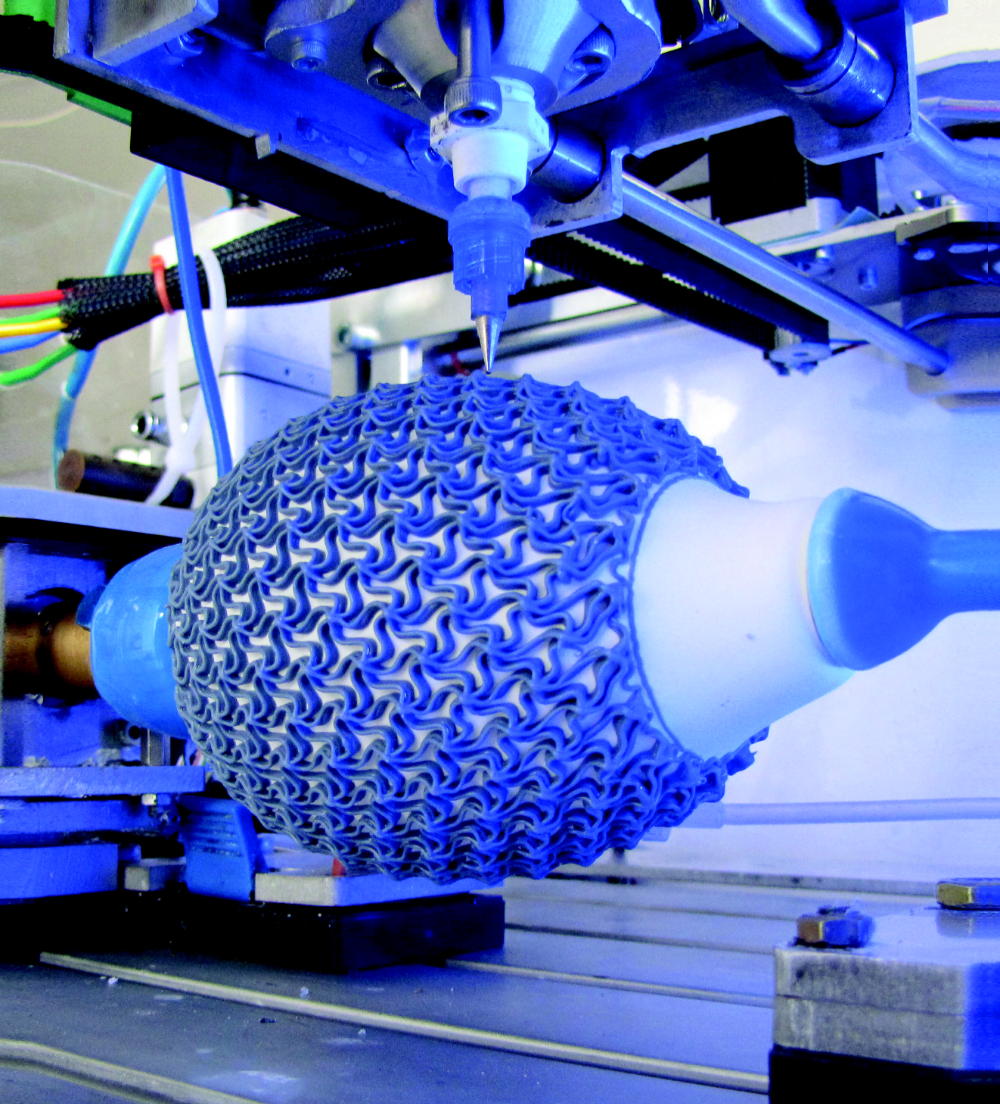
DEK provides silicone 3D printing services for custom seals, gaskets, medical parts, and flexible components, offering quick prototypes, low-volume production, and complex shapes without costly molds.
Our process is built to handle complex shapes, tight tolerances, and certified medical-grade materials while maintaining consistent, high-quality results. We guarantee reliable part performance, fast lead times, and on-demand delivery. This ensures your custom silicone parts are produced accurately and efficiently, meeting your exact design and application needs.



introduction
Silicone 3D Printing - Flexible, Precise, and Reliable Custom Solutions
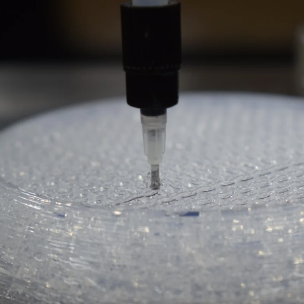
DEK offers silicone 3D printing for complex, custom parts in healthcare, automotive, and consumer products, delivering flexible, biocompatible components with precision, durability, and reliable performance.
We use advanced Liquid Additive Manufacturing (LAM) and Direct Ink Writing (DIW) printers to produce high-quality silicone parts with tight tolerances and smooth finishes. These machines handle complex shapes, internal channels, and soft, flexible designs that traditional molding can’t achieve. You can choose from medical-grade, food-safe, and industrial silicone materials, plus custom colors and surface finishes to match your exact specifications.
With fast lead times, no minimum order quantity, and competitive pricing, DEK makes it easy to get reliable, cost-effective prototypes and small-batch production parts. Our experienced team ensures quality and dependable results for every project, no matter the size or complexity.
- Low material waste
- Fast, easy design changes
- Consistent, repeatable part quality
- Multi-material and multi-color options
- Eco-friendly, low-energy process
- Certified biocompatibility

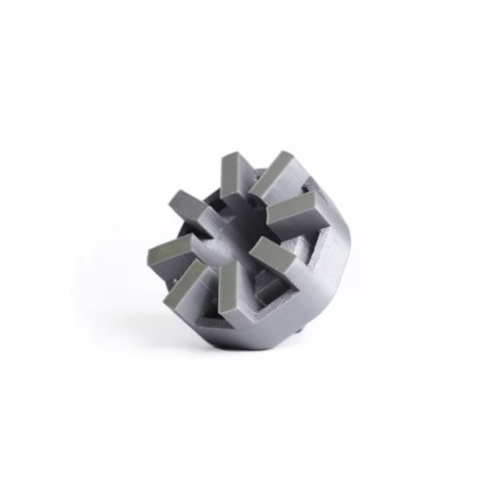
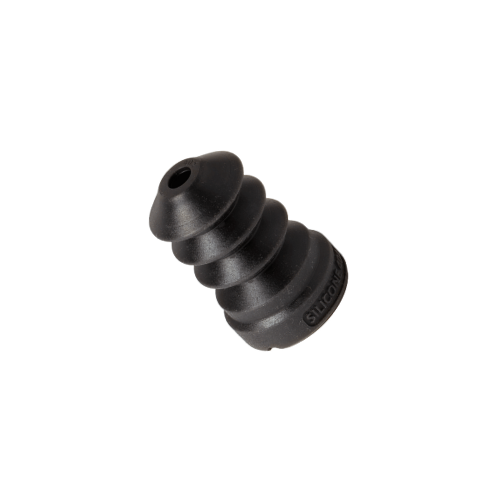
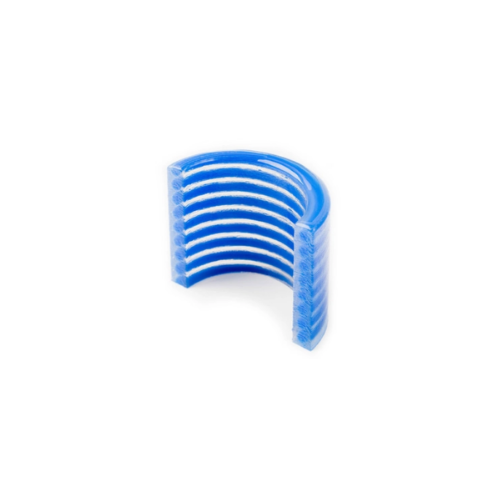
Materials for Silicone 3D Printing
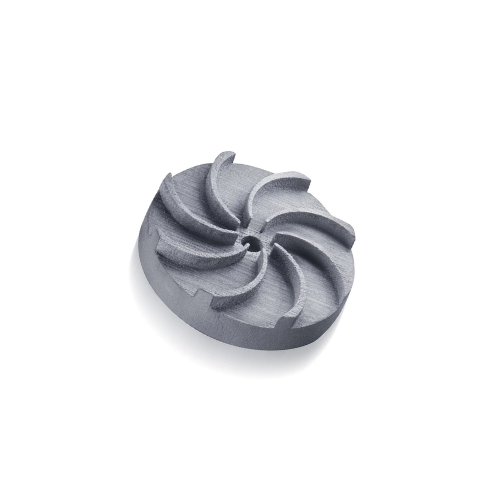
Silicone
High-temperature Silicone
High-temperature silicone is a specially engineered material designed to maintain its flexibility, durability, and sealing properties even when exposed to extreme heat and harsh environments.
This silicone can withstand continuous temperatures ranging from 200°C to 300°C without cracking, hardening, or degrading. It also resists chemicals, UV rays, and weathering. High-temperature silicone is used to make engine gaskets, exhaust seals, aerospace insulation sleeves, and protective covers, offering reliable performance in demanding conditions. Additionally, this material is used for industrial oven door seals and heat shields to withstand constant high temperatures.
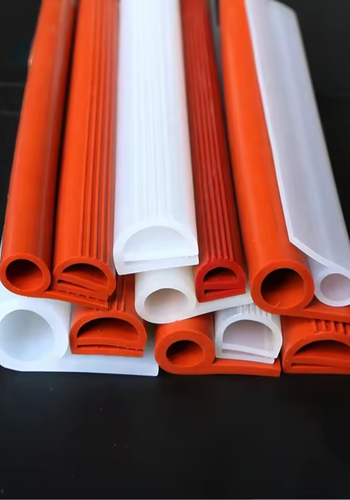
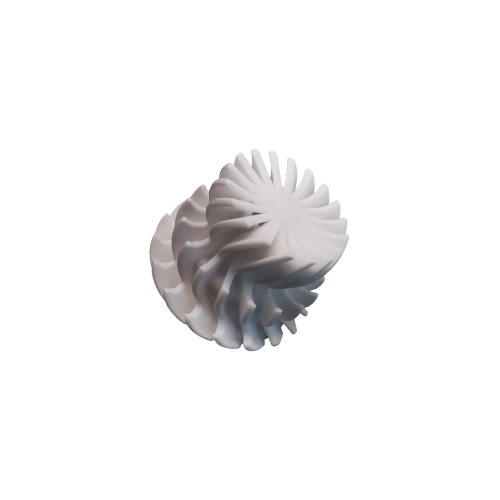
Liquid Silicone Rubber
Liquid Silicone Rubber (LSR) is a high-performance, two-part silicone material widely used in 3D printing for making soft, flexible, and durable parts with excellent heat and chemical resistance.
It consists of a liquid base and a curing agent, which are mixed together and cured into solid rubber through heat or UV light. LSR is valued for its biocompatibility, weather resistance, and ability to maintain flexibility in both high and low temperatures. It’s safe for skin contact. LSR 3D printing is used to make seals and gaskets for engines, medical implants, wearable devices, and soft touch products like grips and buttons. It is also ideal for prototypes of flexible enclosures and dampers.
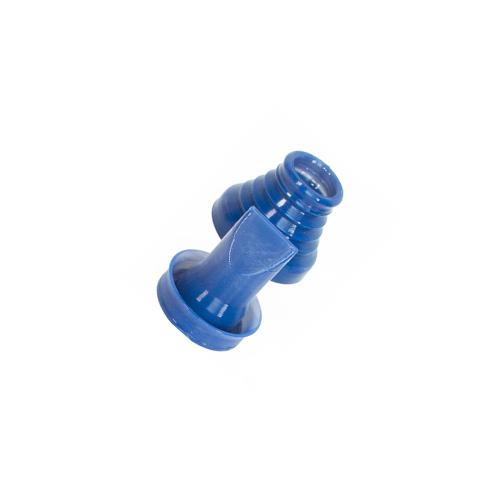
Medical-grade Silicone
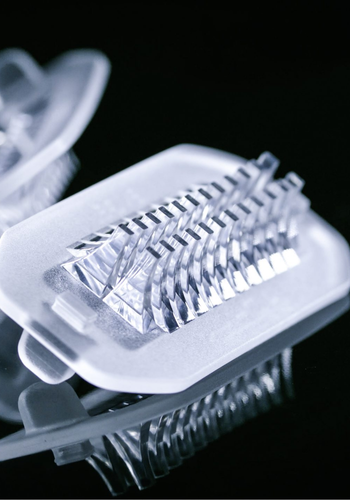
Medical-grade silicone is a high-purity, specialized material created for healthcare applications. It’s carefully tested to meet strict safety, biocompatibility, and performance standards for medical use.
This silicone is non-toxic, hypoallergenic, and resistant to bacteria and chemicals. It can be sterilized using steam, radiation, or chemicals without losing its flexibility or strength. Its durability and safety make it suitable for both external medical products and long-term implants inside the human body. Medical-grade silicone is used to make surgical implants and catheters. It’s also ideal for wearable health monitors and prosthetics, providing comfort and flexibility. This material is commonly used for seals and valves in medical devices, as well as skin-safe patches and bandages.
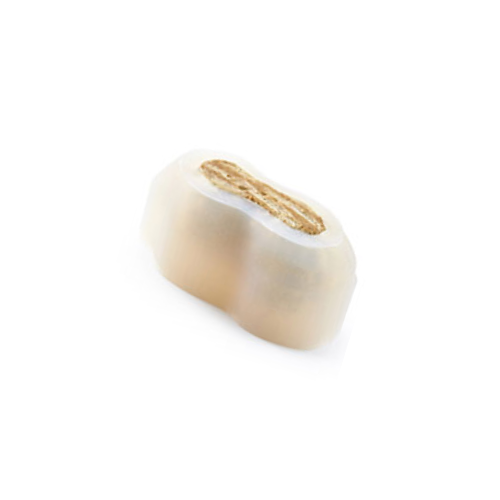
Silicone Elastomers
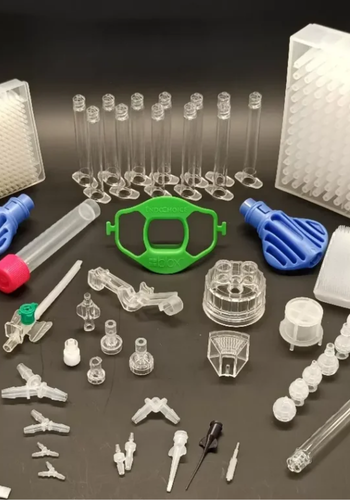
Silicone elastomers are soft, rubber-like materials used in 3D printing processes such as direct ink writing (DIW) and extrusion-based systems. They’re applied in a paste form and cured into flexible parts.
These materials offer high elongation, excellent tear resistance, and long-lasting softness, making them ideal for products that require frequent bending or compression. Silicone elastomers are used to make soft-touch grips and handles, providing comfort and durability. They’re also ideal for flexible seals and vibration dampers in various equipment. Many wearable device straps, covers, and prototypes of cushioning pads and soft enclosures are made from this material for its flexibility and resilience.
UV-curable Silicone
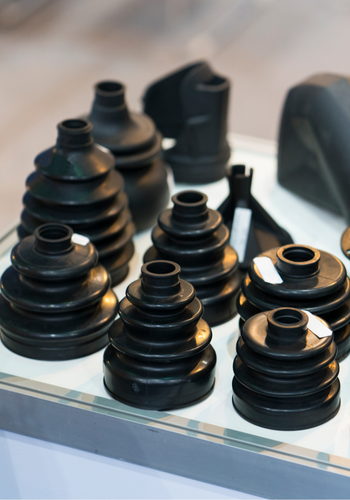
UV-curable silicone is a specially formulated material used in 3D printing processes like stereolithography (SLA) and digital light processing (DLP). It hardens instantly when exposed to ultraviolet (UV) light.
This material provides good chemical resistance and can handle repeated bending without cracking. UV-curable silicone is often chosen for applications where both flexibility and precise detailing are important. UV-curable silicone is used to produce custom medical models and soft prosthetics, offering safe and flexible solutions for healthcare. This material is commonly used for soft-touch buttons, grips, and prototypes for wearable devices as well.

Instant & Accurate Quotes

We don't use online automated quotation tools, because it is very inaccurate. Online quote platforms rely solely on calculations based on cutting amounts and fixed coefficients, they fail to account for actual processing nuances, such as material deformation after heat treatment, tight tolerance requirements, grinding after heat treatment, etc. Consequently, automated price calculations can lead to inaccuracies, ultimately increasing your costs.
But you can rest assured at DEK!
Our quotations are both cost-effective and accurate because we have a team of professional mechanical engineers who meticulously review each drawing. These engineers boast over 10 years of experience and possess deep expertise in programming, machine operation, post-processing, material properties, and more. Ensure you will get accurate quotes within 6 hours.
Our Advantages
2300+ Engineers Love Work With Us

Custom Designs
Our silicone 3D printing allows for complex and highly customized shapes that are difficult or impossible with traditional molding. This makes it perfect for detailed prototypes or unique parts that require creative designs or precise engineering.

Biocompatible
We use biocompatible, skin-friendly silicone that’s safe for direct contact with the body. It is ideal for medical devices, wearables, and healthcare applications where safety, comfort, and performance are critical.

No Tooling Costs
Our direct 3D printing method removes the need for expensive molds or tooling. This helps reduce project costs and speeds up the production process, especially useful for low to medium-volume orders or frequent design changes.

Fast Prototyping
Need to test a new idea? Our fast, accurate 3D printing lets you prototype quickly and make changes as needed. You can validate your designs early and shorten development time without sacrificing quality or performance.

High Quality
We ensure every part meets exact design standards, with precise control over shape, texture, and dimensions. This results in consistent, high-quality parts that match your expectations, even for detailed or tight-tolerance projects.

Quick Turnaround
Need only a few parts or a moderate quantity? DEK provides fast service with short lead times, perfect for small to mid-sized production runs. We help you stay on schedule while keeping your project affordable and efficient.


Our Ordering Process
Send RFQ
Send RFQ with 2D/3D drawings and detailed requirements via Email or online form.
Review & Quote
Our Engineer team will review every drawing carefully and provide an accurate quote within 6 hours.
Confirm Order
Confirm the quote, details and delivery schedule, then sign the contract.
Production
Arrange production process, start programming and machining.
Quality Control
Strict quality control during production and final inspection.
Packaging & Shipping
Pack the parts, attach part identification labels, and start shipping.
Send RFQ 222
Review & Quote
Confirm Order
Production
QC
Delivery
FAQ
Silicone 3D Printing Buying FAQs
Get An Accurate Quote For Your Next Projects
No matter your project is complicated or simple, no matter is metal or plastic, you will get an accurate quotation within 6 hours.
Get A Quote TodayKnowing Silicone 3D Printing
What is Silicone 3D Printing?
Silicone 3D printing is an advanced additive manufacturing process that creates flexible, rubber-like parts by depositing liquid silicone layer by layer. This method uses precise extrusion or inkjet techniques to cure the silicone with UV light or heat as each layer is added. Unlike thermoplastics, silicone maintains its elastomeric properties after printing, making it ideal for creating complex geometries with high flexibility, strength, and durability.
The process requires specialized equipment to handle the material's viscosity and curing requirements. Silicone 3D printing offers advantages such as freedom of design, high resolution, and the ability to produce sealed, watertight components without the need for traditional molds or extensive post-processing.
What are the Advantages of Silicone 3D Printing?
Compared to traditional molding, silicone 3D printing offers faster production, lower costs for small runs, and more design freedom. It is the smart choice for quick-turn, custom parts without tooling.
Key Advantages:
- No molds or tooling required
- Best for short production runs
- Complex shapes and internal channels
- Medical-grade and food-safe materials
- Multiple surface finishing options
- Reduce material waste and energy use
- Durable, heat and chemical-resistant
When Do You Need Silicone 3D Printing?
Use silicone 3D printing when you need soft, flexible, customized parts produced quickly without the added expense or delays of traditional mold making. It allows you to manufacture functional prototypes, limited production runs, or complex parts that are too difficult, time-consuming, or costly to produce using conventional molding processes.
This technology is especially valuable in industries where material performance and precision are critical. It’s commonly used for medical devices, wearable products, seals, gaskets, and cushioning components that require reliable, medical-grade or industrial-grade silicone. Whether you need a single prototype or a low-volume production run, silicone 3D printing delivers high-quality, flexible parts tailored to exact specifications with fast turnaround and greater design freedom.