








Brass Machining Services
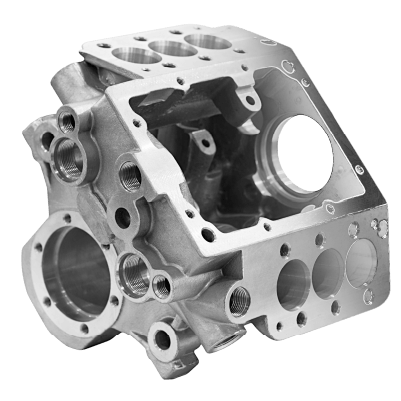
DEK provides brass machining services in C260, C360 and Cz121, from a single prototype through production volumes. There is no minimum order quantity, and prototype lead time runs as fast as 3 days.
-
±0.005mm
Tight Tolerance
-
3 days
Prototype Lead Time
-
No MOQ
From One Part

Why Choose Our Brass Machining Services?
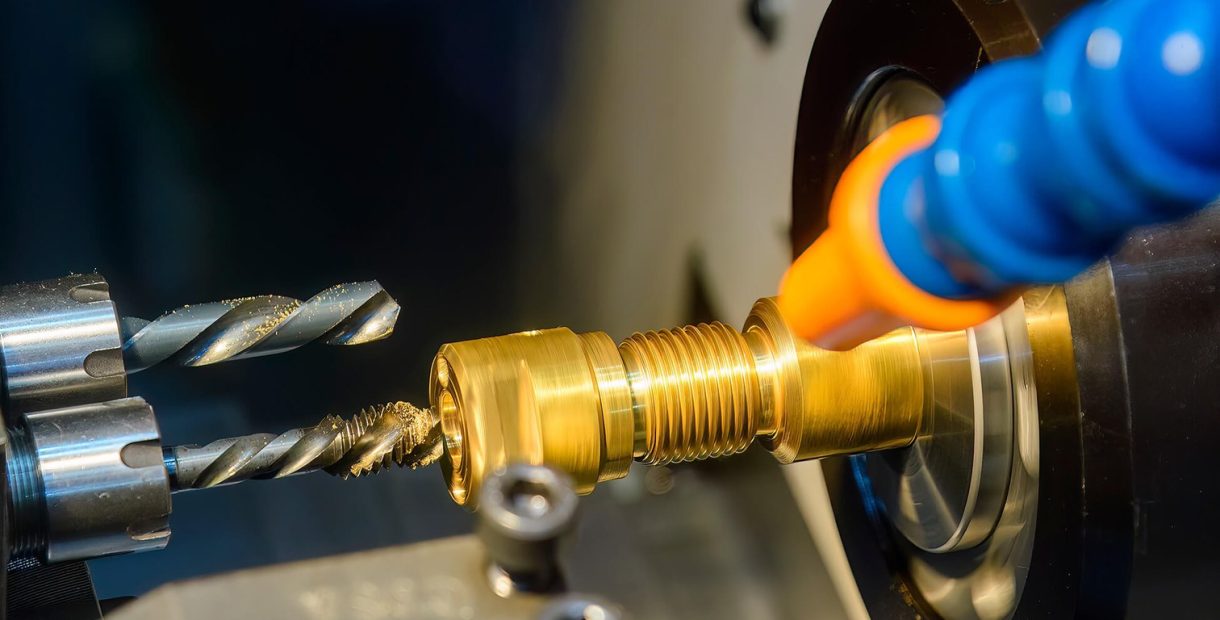
Brass, especially C360 free-cutting brass, is one of the more machinable metals we run: it allows higher cutting speeds and cleaner finishes than harder alloys. Its low coefficient of friction suits gears and bearings, and its corrosion resistance suits wet environments.
We machine brass as one of 50+ metals and engineering plastics on the same shop floor. Because there is no MOQ, the same process handles a one-off prototype and a multi-thousand-unit run without re-quoting a different setup. See all CNC machining metals.
-

Three core alloys: C260, C360, Cz121
-

Standard ±0.05 mm, tight to ±0.005 mm
-

No MOQ, prototypes in as fast as 3 days
-

ISO 9001, AS9100D and ISO 13485 certified
Brass Alloys We Machine
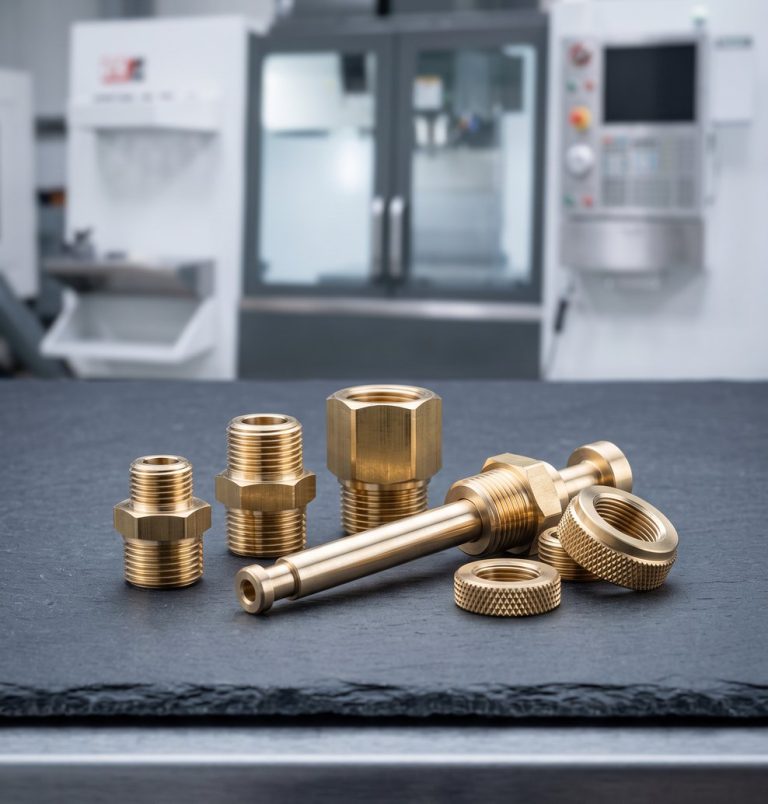
Three core brass alloys cover fittings, valve parts, gears and screw-machine work. Alloy choice depends on machinability and water contact.
-

C260
Cartridge brassFor fittings, hinges and radiator components; a better fit than leaded grades when the part touches drinking water. C260 specs.
-

C360
Lead up to roughly 3%Free-cutting brass for gears, valve parts and screw-machine work; cuts fast and clean. See C360 specs.
-

Cz121
General-purpose fittingsUsed in general-purpose fittings and fabricated parts, machined from prototype to production. See Cz121 specs.
-
±0.005mm
Tight turning tolerance
-
±0.003mm
Micro parts tolerance
-
~1000 mm
Max part size
Brass CNC Machining Capabilities
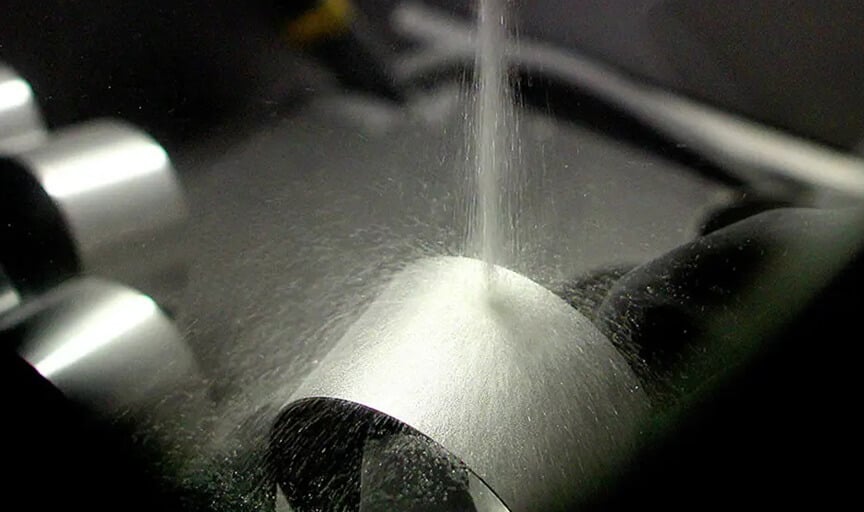
Turning, Swiss-type turning, 3-, 4- and 5-axis milling, EDM, grinding, tapping and knurling, on parts from sub-10 mm to about 1000 mm.
-
1
CNC Turning & Swiss
Small pins up to ~1000 mm parts at ±0.05 mm standard, ±0.005 mm tight. Swiss-type turning handles small-diameter, high-precision parts.
-
2
CNC Milling (3/4/5-axis)
Parts up to ~1000 mm at ±0.05 mm standard, with ±0.01 mm profile control on 5-axis milling.
-
3
EDM and Grinding
EDM for fine detail and small features; grinding for bearing and shaft fits at ±0.005 mm on fit-critical diameters.
-
4
Micro Components
Sub-10 mm brass parts held to ±0.003 mm, with tapping, knurling and thread whirling as standard secondary operations. See micro machining.
Brass Alloy Selection & Cost Tips
Key factors our engineers review before quoting brass parts: water contact, corrosion, stock size and cycle time.
-
1
Lead Content & Drinking Water
C360’s lead (up to roughly 3%) restricts its use in potable water fittings in many jurisdictions. Flag water contact before quoting: C260 or a lead-free brass may fit better.
-
2
Dezincification Risk
Zinc can leach out of high-zinc brass in aggressive water, leaving a weak, porous copper-rich layer. Tell us your fluid exposure so we can recommend a suitable alloy.
-
3
Bar Stock Diameter & Waste
Material cost rises with larger bar stock diameters and deep pockets. Designs that limit waste reduce the price of your brass part.
-
4
Cycle Time & Finishing
C360 machines faster than C260 due to its lead content. Plating or secondary finishing added after machining also adds cost, so plan it at quoting.
Brass Grades for Custom Brass Parts
Full specs for each brass grade we machine: C260 cartridge brass, C360 free-cutting brass and Cz121 for general-purpose fittings.
-
CZ121 is also known as CW614N in the European standard. It is a free-machining leaded brass alloy.Get Price
-
Brass C360, also known as free-cutting brass or leaded brass, is an alloy primarily composed of copper and zinc, with a small percentage of lead.Get Price
-
Brass 260, also known as Cartridge Brass, is composed of approximately 70% copper and 30% zinc.Get Price
Brass vs Copper, Bronze or Aluminum
Brass is not always the right call. If you need different strength, weight or cost characteristics, we also run these metal programs.
Custom Brass Parts by Industry
Fittings, valve bodies, connectors, gears and housings machined in brass for corrosion resistance, conductivity and low friction.
-
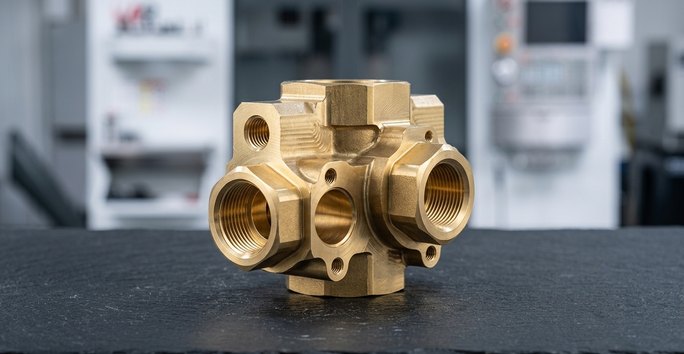 PlumbingFittings and valve bodies, chosen for corrosion resistance in wet, continuous-flow environments.
-
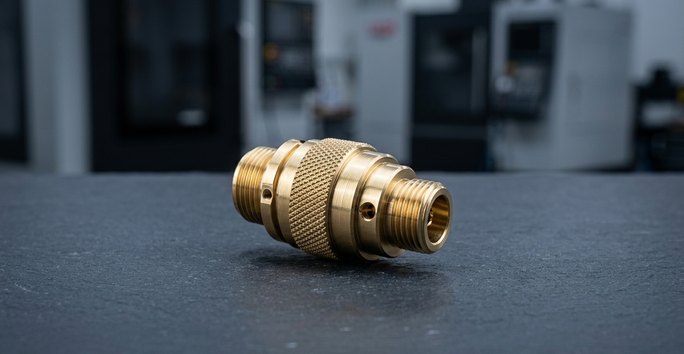 Electrical & ElectronicsConnectors and terminals, where conductivity and corrosion resistance both matter.
-
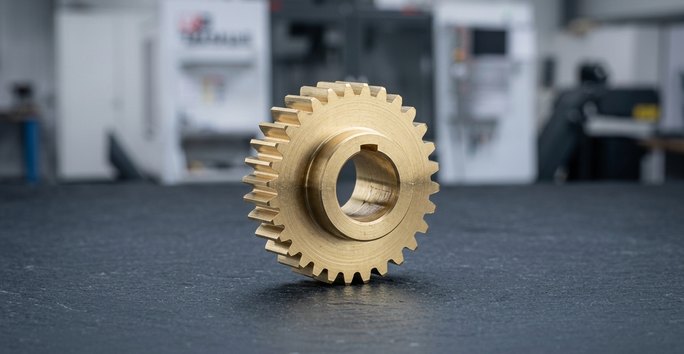 Industrial EquipmentGears and bearings, where brass's low coefficient of friction reduces wear.
-
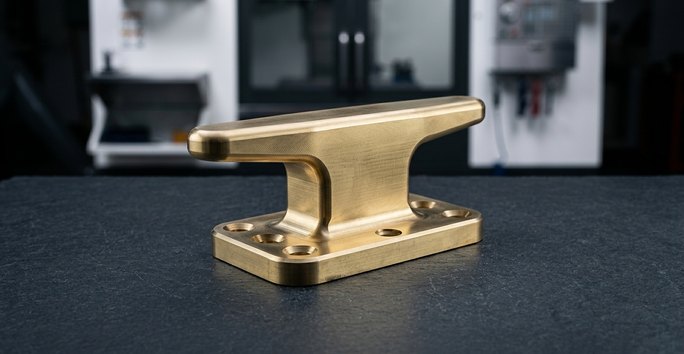 Marine HardwareFittings and fasteners exposed to saltwater, chosen for brass's corrosion resistance.
-
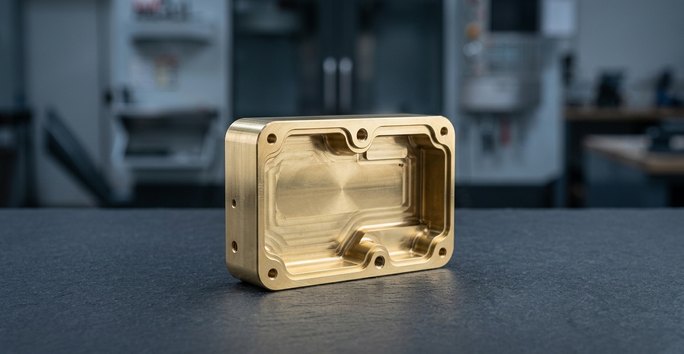 Medical DevicesHousings and small components, where brass's natural antimicrobial property is useful.
-
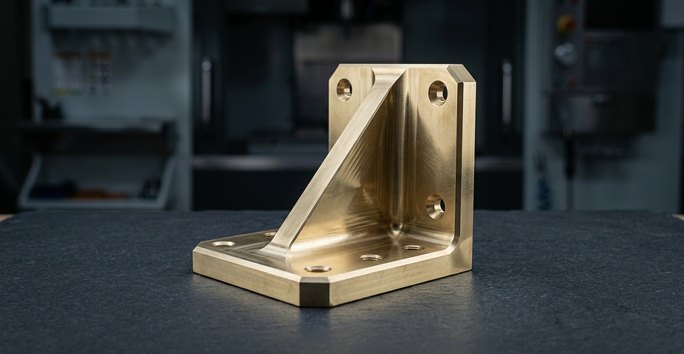 Aerospace & StructuralNon-flight-critical brackets and support parts machined in brass for structural support.
Finishing Options for Brass Parts
CNC machining plus finish: plating, passivation, lacquer or electropolish for corrosion protection, appearance and clean surfaces.
Need chrome or tin plating? Ask our engineers for a review
-
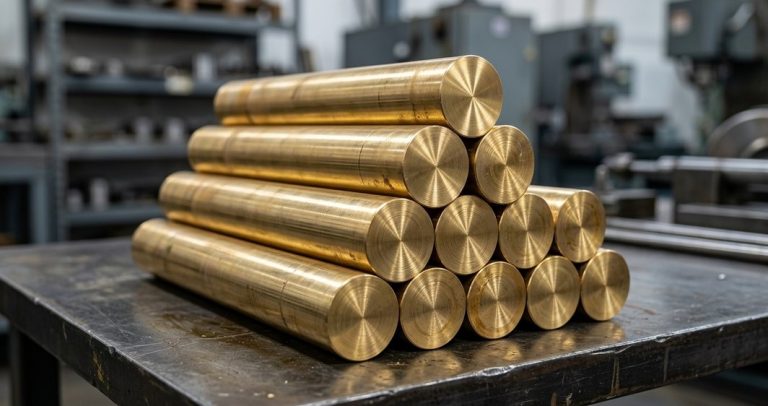 Nickel PlatingMost PopularCNC machining plus nickel plating for corrosion protection and appearance on brass fittings and hardware.Get a Quote
-
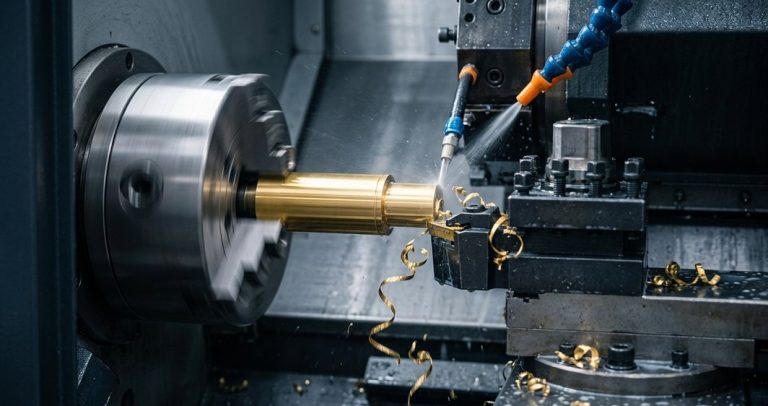 PassivationMost PopularCNC machining plus passivation to reduce the surface reactivity of machined brass parts.Get a Quote
-
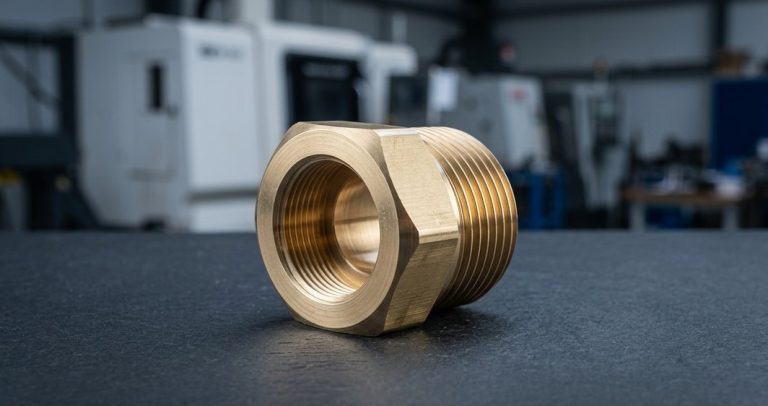 ElectropolishMost PopularCNC machining plus electropolish for a smooth, contaminant-free finish on medical or electrical components.Get a Quote
-
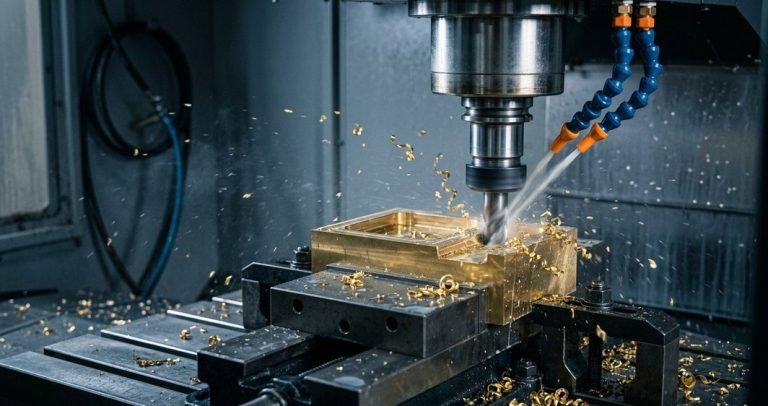 Clear LacquerMost PopularCNC machining plus clear lacquer to resist tarnish on decorative or coin-type brass parts.Get a Quote
Brass Machining FAQs
Common questions about machinability, tolerances and corrosion of brass parts.
Other Materials
-
 Alloy SteelAlloy steel grades 4140, 4340, 8620, 4130 and A514 for shafts, gears and structural parts that need more fatigue strength than plain carbon steel.Learn More
-
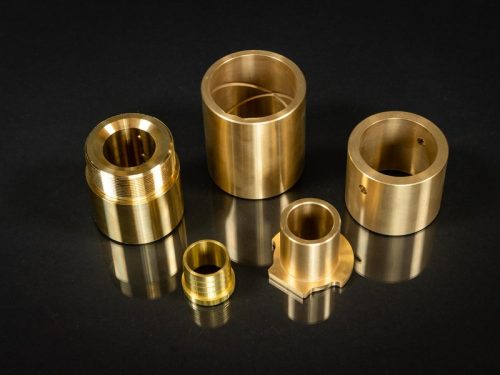 BronzePhosphor bronze C544, sintered C841, bearing bronze 932 and aluminum bronze 954 for bushings, sleeve bearings, gears, connectors and marine fittings.Learn More
-
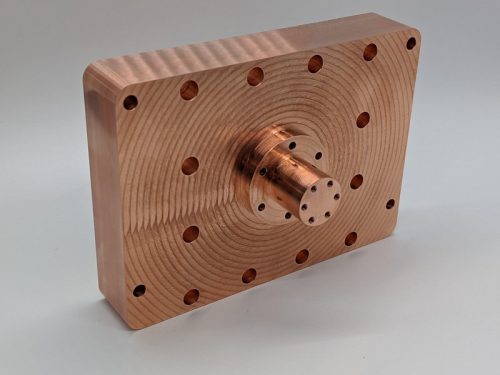 CopperCopper 101 and 110 stocked for waveguides, bus bars, connectors and heat sinks; beryllium and tellurium copper machined on request.Learn More
-
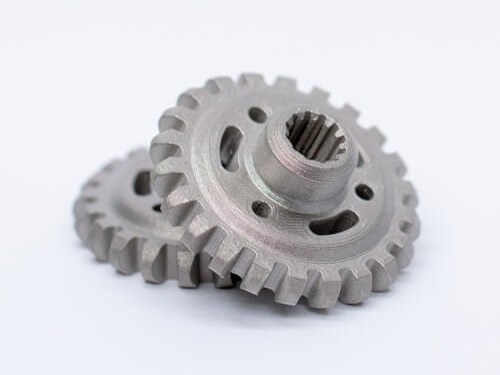 InconelNickel superalloys Inconel 600, 625 and 718, machined for aerospace, energy, medical and industrial parts exposed to heat and corrosive chemistry.Learn More
-
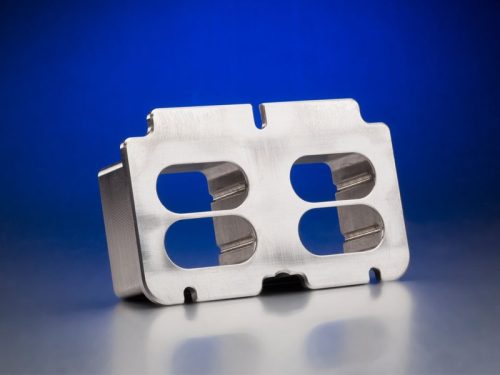 InvarInvar 36 and low-expansion Invar-family alloys, about 1.2 ppm/°C CTE, machined for optics mounts, semiconductor fixtures and measurement tooling.Learn More
-
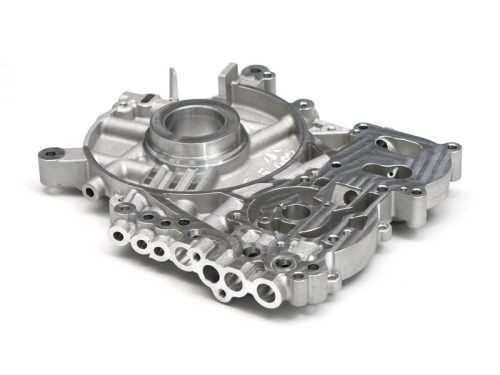 MagnesiumLightest structural metal in production use. AZ31B, AZ61B and AZ91D machined under fire-safe chip and coolant controls for weight-critical parts.Learn More
-
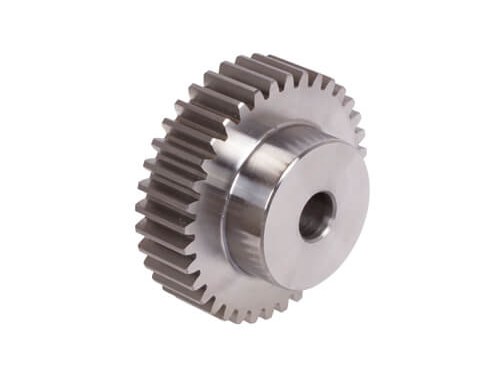 Mild SteelLow-carbon 1018, medium-carbon 1045 and free-machining 1215 and 12L14: cost-effective steel for shafts, brackets, pins, bushings and gears.Learn More
-
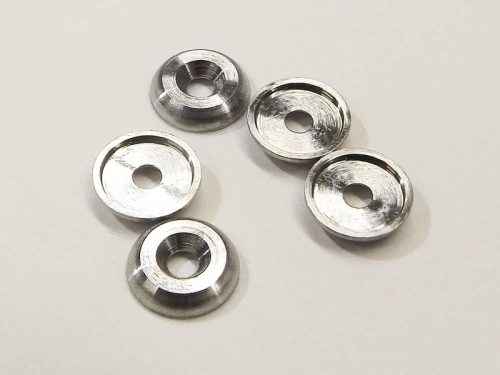 TitaniumGrade 1, Grade 2 and Grade 5 (Ti-6Al-4V) titanium, milled, turned and EDM-cut for aerospace, medical, robotics and semiconductor parts. No MOQ.Learn More
-
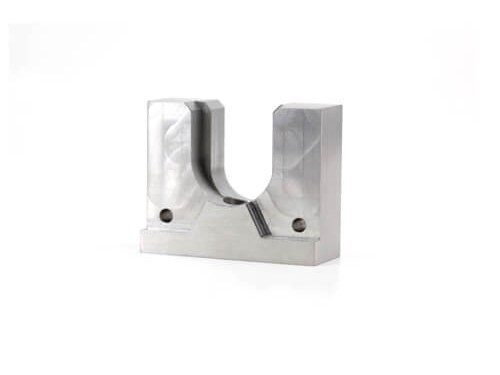 Tool SteelA2, D2, H13, O1, S7 and A3 machined into punches, dies, mold inserts and wear parts, annealed or hardened to 60+ HRC.Learn More
-
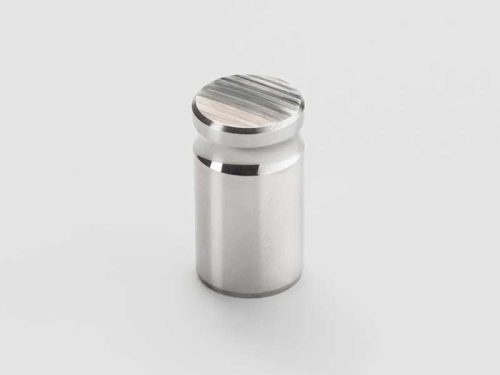 Tungsten SteelTungsten and tungsten carbide grades (YG6, YG8, YG10X, YG15, YL10.2) for wear parts, dies, punches and shielding, milled, turned, EDMed and ground.Learn More
-
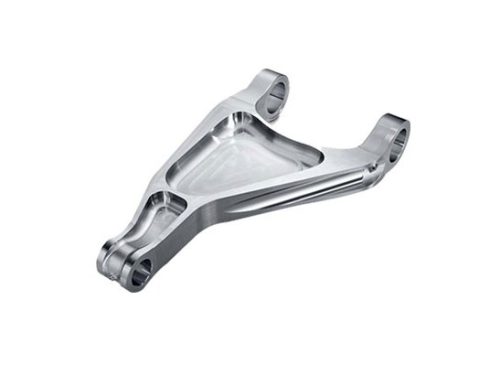 AluminumStocked 6061, 6063, 5083 and 5052 for brackets, housings, marine and fluid-handling parts, held to ±0.005 mm on fit-critical features with no MOQ.Learn More
-
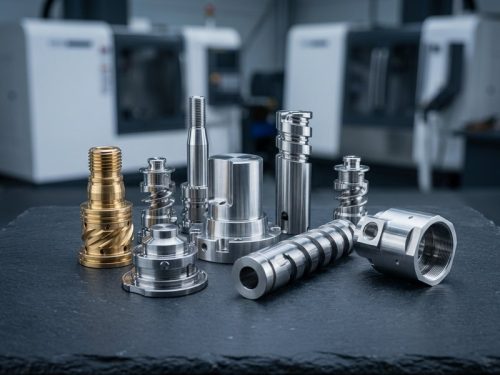 Stainless Steel303, 304, 316L, 17-4PH and 2205 duplex machined for medical, robotics, semiconductor and aerospace parts, from one prototype to production, ±0.005 mm.Learn More

Ready to Scale Your Project?
Get started with a stable process and controlled quality. Let's discuss your project.