
Which Metallic Materials Are Suitable for Oil Drilling Equipment?
Oil drilling equipment must be able to resist high pressure, heat, and destructive environments. You can choose the right metallic materials to confirm consistency and long-term capability. Selecting the accurate metal also boosts machining performance during milling, turning, and CNC production.
When you know how metals behave in extreme drilling conditions, then you can design powerful parts and secure your operations from costly failures. This blog tells you the best metallic materials for oil drilling equipment and how to choose between them.
What is Oil Drilling Equipment?
Oil drilling equipment includes all sorts of mechanical components that are used to reach the underground storage. These components are subject to highly vibrating conditions, along with abrasive materials in their operations, high torque, and extreme temperature variations in the medium.
Choosing the correct metal will allow the equipment to maintain stability during the deep drilling processes. Oil drilling components also need precision machining to create accurate fits and tight tolerances. Cutting through this is fastening four-way via milling and turning. CNC machining is all about creating stable interconnections resistant to extreme mechanical stress.
Commonly Used Metallic Materials in Oil Drilling Equipment
A variety of metals are used in oil drilling. Each is selected for its durability, corrosion resistance, and strength under high pressure. Knowledge of how these materials behave and perform is crucial to their selection in your project.
Carbon Steel
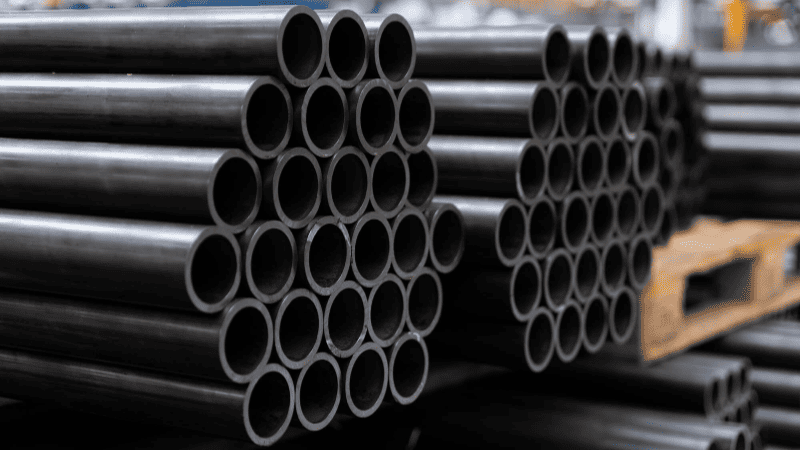
Carbon steel is used in drill pipes, casing, and structural parts. Carbon steel is characterized by good toughness and survives high-impact forces generated during drilling. It machines easily for drill pipes.
These are chosen for turning and milling operations to produce very accurate threaded connections. Another important attribute of carbon steel is that it maintains decent strength when subjected to sudden torque changes.
Stainless Steel
Stainless steel is used for anything that requires a long-term, stable performance. It has excellent corrosion resistance, which is critical for saltwater and acidic environments. These are used in valves, pumps, and safety equipment.
CNC machining creates precision stainless steel components with no compromise to surface integrity. Stainless steel also retains hardness at raised temperatures, which is essential for confidence during prolonged drilling cycles.
Alloy Steels
Alloy steels offer great strength by introducing chromium, molybdenum, and other alloying elements. They are especially used in application areas of high-load parts, where resistance to failure in fracture is crucial.
They present versatility when it comes to manipulating heat treatment to suit drilling needs. Through repeated stress, alloy steel prevents fatigue failures from arising in rotating drilling equipment.
High-Strength Nickel Alloys
Nickel alloys work under extreme conditions of heat and corrosion as well as high pressure. They are the ideal contestants for downhole tools, deep-sea drilling systems, and hydrogen sulfide-containing environments.
With a qualified CNC technique, tolerances can be controlled easily while processing the complex shapes of nickel alloyed parts. These alloys maintain structural integrity under super-deep drilling conditions where conventional metals would give in.
Specialty Metals for Oil Drilling Applications
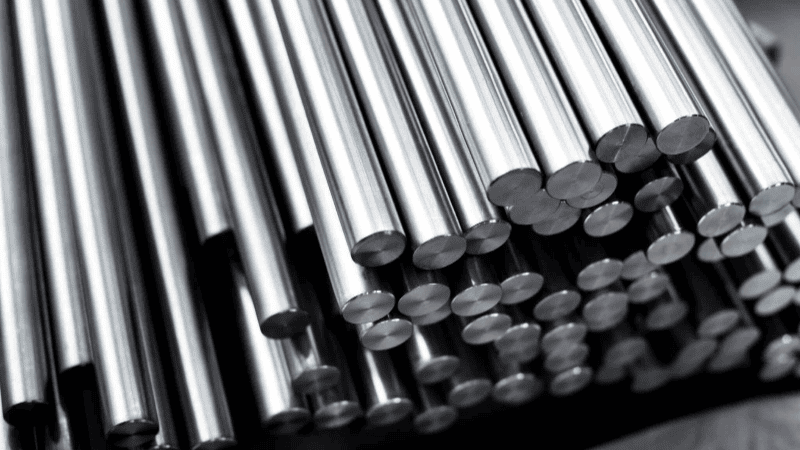
Specialty metals have unique benefits that normal materials have failed to meet performance needs. These metals are to be used when the drilling conditions get more aggressive and weight reduction becomes important.
Titanium
Titanium is both light and strong and also highly resistant to corrosion. It is used in offshore drilling systems since these systems are continuously exposed to seawater. Titanium reduces overall equipment weight, improving operational efficiency. One more thing is that this metal endures temperature fluctuation without losing stabilization.
Aluminum Alloys
Aluminum alloys bring the required property in cases where there is reduced weight alongside no structural deficiency. They are most easily machined using conventional milling and CNC manufacturing processes. These also allow the creation of complex shapes. They dissipate heat very well and play a role in protecting sensitive drilling electronics and housings.
Bronze
Bronze is best for bearings, bushings, and components under constant friction. Natural lubricity reduces wear in drilling operations. Thus, with corrosion resistance, it is necessary for mud pumps and mechanical seals. In addition, bronze keeps performing well in environments of much vibration and continual cycles of loading.
Factors to Consider When Choosing Metallic Materials

Considerations before choosing any metal rely on the observation of how items would perform in the drilling environment. Every factor has a way of influencing machining, part life, and long-term safety.
Corrosion Resistance
Parts become exposed to saltwater, chemicals, and abrasive drilling mud in oil drilling. Selecting metals that undergo early failure because of corrosion is the best way to avoid such early failures. Also, in the long run, corrosion protection lowers maintenance costs and keeps the downtime under control.
Strength and Durability
Load shocks, vibration, and bending stress must be prevented from getting through the equipment. High-strength metals are stable under pressure; consequently, drilling operations remain stable under these conditions. In addition, strength and stability during CNC machining also lead to better performance because the part retains dimensional accuracy.
Temperature and Pressure Tolerance
Extreme temperatures and pressures are reached in drilling environments. Metals must remain stable, even within deep underground levels. High temperature resistance also prevents deformation in threaded joints or machined surfaces.
Cost-Effectiveness

Every performance has its cost, especially for parts produced in large quantities. Some metals are durable but less expensive. The right material selection reduces machining time as these metals show better performance during milling and turning.
Compatibility
The metal must be compatible with the drilling fluid, connected components, and environmental conditions. Compatibility also prevents galvanic corrosion when multiple metals contact each other.
Regulations and Standards
There are certain industrial standards that oil drilling must comply with, specifically API and NACE requirements. Your material needs to be in compliance with these specifications. The established standards ensure quality is maintained consistently in their CNC manufacturing.
Availability
Materials should be easily available, especially for bulk orders. Availability helps to continue production without causing any delay. Further, a consistent supply gives uniform results in every batch in terms of machining.
Weldability and Fabrication
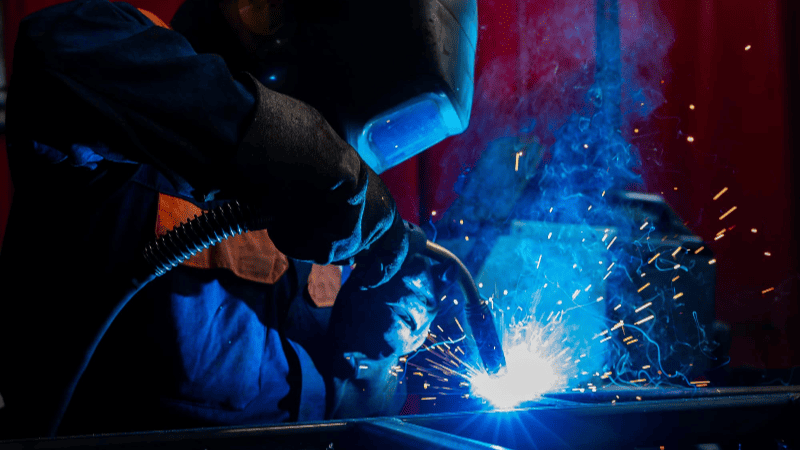
Welding or complicated forming is needed during the fabrication of some components for drilling. Metals are preferred, which are easy to fabricate without cracking. Good welded joint quality also enhances the overall assembly strength during high-pressure operation.
Long-Term Performance
The selected metal has to withstand forces and resist corrosion over a long time. Long durability decreases the costs of equipment replacement. Such materials with stable fatigue properties also permit safer operations when going deep into the earth.
Environmental Considerations
The metal should withstand extreme weather, exposure to seawater, sand, and abrasive particles. Resistance to the environment also improves the life of machined surfaces during milling and turning operations.
Emerging Metallic Materials and Technologies
More advanced materials are increasingly being embraced in modern-day drilling systems. Such quality attributes as improved corrosion resistance, high strength, and fatigue performance.
Inconel Alloys
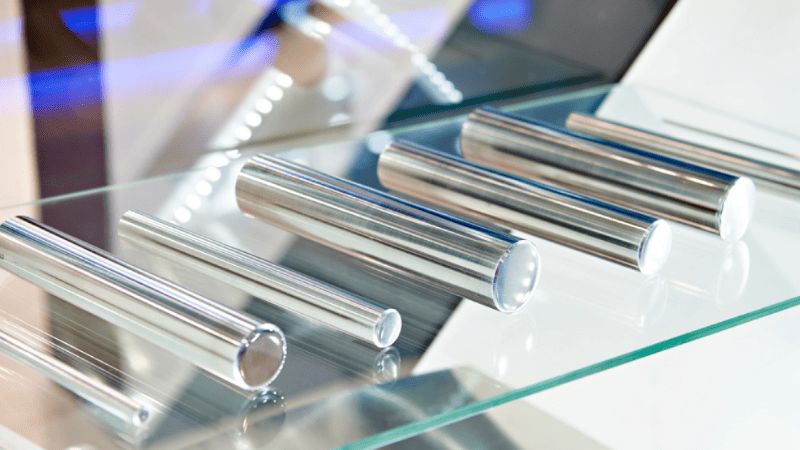
Today, it is often used for downhole equipment under very high temperature application conditions.
Inconel, when compared to all the other metals, provides a higher heat resistance property. They have very high-performance qualities with respect to nickel-chromium alloys at the time of machining. Especially CNC-based machining, which obviously makes production of finished parts way more exact and reliable.
Duplex and Super Duplex Stainless Steels
Duplex stainless steels are exceptional alloys for the properties of resilience, corrosion resistance, and fatigue strength. In seawater, duplex stainless steel is remarkably effective.
On the other hand, super duplex versions offer improved protection against corrosion, making it the alloy of choice in offshore drilling systems.
Conclusion
With adequate knowledge of corrosion resistance, strength, and temperature tolerance, you can choose with confidence the best metal or metals appropriate to the drilling environment.
The efficacy of DEK in ensuring high-quality oil drilling equipment is derived from dependable manufacturing support. The accurate CNC machining and pragmatic DFM feedback have been made available to it. If accurate, durable, and well-engineered metal parts for your drilling applications are what you need, then DEK is ready to support your next project. Contact us today.
