
Different Types of Metals: Properties and Uses
Suppose you work in manufacturing, construction, product design, or engineering. You already know that choosing the right metal can make or damage your project. You might be looking for lightweight materials for aerospace parts, corrosion-resistant metals for marine applications, or high-strength alloys for heavy machinery.
This blog will help you quickly compare 24 essential types of metals, their properties, advantages, and common uses. So you can choose the perfect material for performance, cost, and durability.
What is Metal?
Metals are elements or alloys that conduct electricity and heat efficiently. They are usually shiny, flexible, ductile, and solid at room temperature. Metals are mostly set on the left side and center of the periodic table and play an important role in structural, mechanical, and electrical applications.
Metals are often grouped based on their foundation, composition, magnetic properties, corrosion resistance, and mechanical strength. Their atomic structure enables the flow of electrons, making them suitable conductors. On the other hand, metals are reusable, which provides their eco-friendliness in modern engineering and production.
Properties of Metals
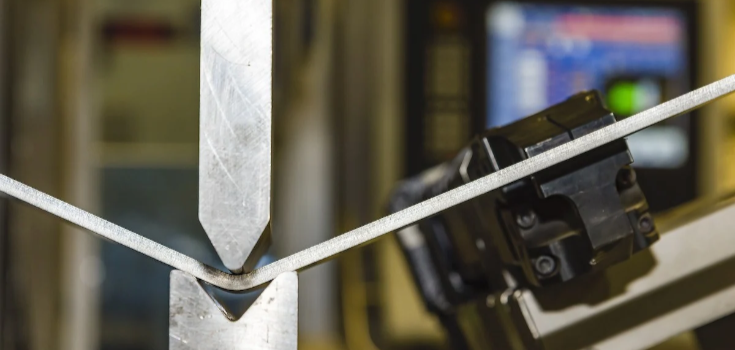
Here are the most famous and useful features that define metals:
Electrical Conductivity: Excellent conductors of electricity. e.g., copper, silver
Thermal Conductivity: Easily transfers heat like aluminum, gold, etc.
Ductility: Can be extended without breaking
Malleability: Easily pressed or rolled into sheets
Luster: Reflective surface, shiny appearance
High Melting and Boiling Points: Suitable for high-heat environments
Tensile Strength: Withstands pulling force without breaking
Hardness: Resistance to scratching, denting, and cutting
Density: Metals are heavy, except for a few, for example, magnesium, aluminum, etc.
Corrosion Resistance: Ability to survive oxidation and environmental damage (stainless steel, titanium)
These characteristics make metals flexible in fields covering from electronics to construction and heavy machinery.
What are the Types of Metal?
Metals are generally divided into two categories
- Ferrous metals
- Non-ferrous metals
What is Ferrous Metal?
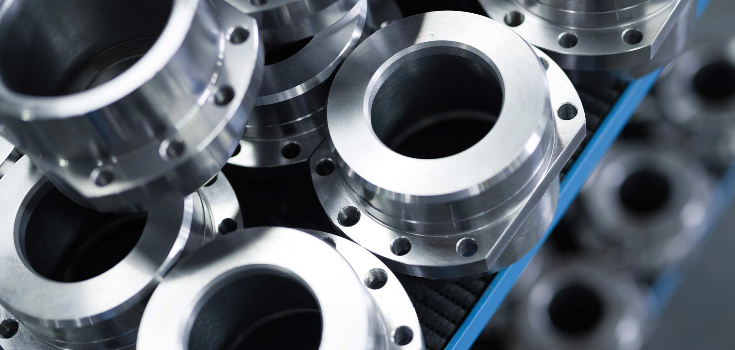
Ferrous metals contain a significant amount of iron. If you work with them, you will notice they are magnetic and have high tensile strength. However, you need to secure them from rust and corrosion unless you choose a treated or alloyed version. The most common types of ferrous metals are carbon steel, cast iron, wrought iron, and alloy steel.
Applications of Ferrous Metals
Ferrous metals are used in different industries due to their strength and durability. Common applications include:
- Construction beams and steel rods
- Machinery frames
- Automotive frame
- Railway lines
What is Non-Ferrous Metal?
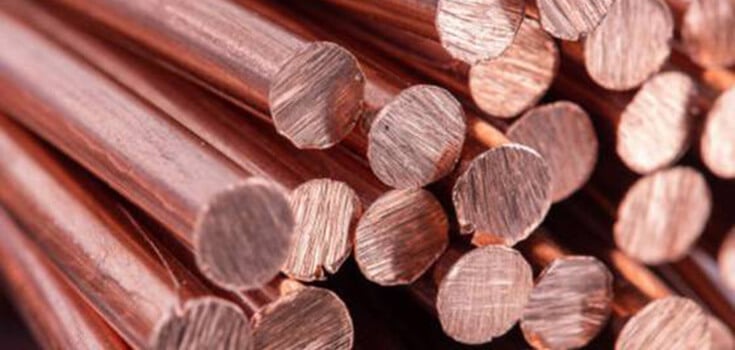
Non-ferrous metals do not contain iron. They are non-magnetic, lighter in weight, and often more resistant to corrosion than ferrous metals. These are a few non-ferrous metals. E.g., Aluminum, Copper, Brass, Titanium.
Applications of Non-Ferrous Metals
Non-ferrous metals are appreciated for their lightweight, corrosion resistance, and conductivity. Common applications include:
- Aerospace structures.
- Wiring and plumbing.
- Jewelry and decorative items.
- Heat exchangers.
The Characteristics of Different Types of Metal Materials
Aluminum

Aluminum is lightweight. It is easily workable, reusable, and conducts heat and electricity well.
Steel (Carbon Steel)
Carbon steel is an alloy of iron and carbon. It forms the backbone of the modern framework. The amount of carbon affects the hardness and strength.
Tool Steel
Tool steel is specially designed for high hardness and resistance to abrasion. It is used to make tools that cut, press, or shape other materials.
High Carbon Steel

High carbon steel includes more than 0.6% carbon. High carbon steel also offers extreme hardness and strength, but with reduced flexibility.
Alloy Steel
Alloy steel integrates other elements. For example, manganese, chromium, nickel, or vanadium to improve mechanical properties.
Stainless Steel
Stainless steel contains chromium (typically >10.5%) that provides corrosion resistance. It is durable and easy to clean.
Tungsten

Tungsten is known for its very high melting point (over 3400°C) and outstanding hardness.
Iron
Iron is a base metal and is mainly used in its alloyed forms. Pure iron is soft but becomes strong when alloyed.
Cast Iron
Cast iron contains 2-4% carbon, making it hard and brittle. It has good flexibility, which makes it proper for producing complex shapes.
Titanium

Titanium is a strong, lightweight, and corrosion-resistant metal. It is biologically compatible, making it ideal for medical use.
Copper
Copper is an excellent conductor of electricity and heat. It opposes corrosion and is antibacterial.
Brass
Brass is an alloy of copper and zinc, valued for its sound-related properties and corrosion resistance.
Bronze

Bronze is primarily made of copper and tin. It is harder/stronger than pure copper and resists wear.
Magnesium
Magnesium is the lightest structural metal. It has a high strength-to-weight ratio but is highly responsive.
Zinc
Zinc is used mostly for coating iron and steel to prevent rust. It is also a component in brass.
Cobalt
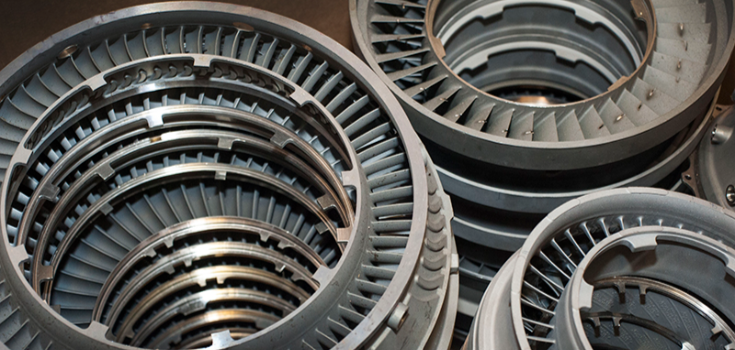
Cobalt is a magnetic metal used in high-strength alloys and recharges batteries.
Nickel
Nickel is corrosion-resistant and is often used as a coating or in stainless steel production.
Chromium
It is used for steel hardening and polishing. It is necessary for stainless steel making.
Lead

Lead is heavy, soft, and flexible with good radiation protection.
Tin
Tin resists corrosion and is typically used to coat other metals. It possesses a low melting point.
Silicon
Silicon, although not a metal, is a metalloid with metallic properties. It is important for the electronics industry.
Platinum
Platinum is a rare and dense metal that is extremely resistant to corrosion and reactive.
Gold

Gold is a good conductor of electricity and very resistant to corrosion. It is valued due to its visual decoration.
Silver
Silver has the best electric and thermal conductivity of all metals.
Applications of Metal in Various Industries
Metals are the backbone of modern industries. Their unique properties include strength, durability, conductivity, and resistance to heat or corrosion, which makes them essential in many industries.
The following are some important sectors in which metals hold an important position:
Construction and Infrastructure

Steel, aluminum, and copper are used primarily in the building and civil engineering of structures, bridges, and pipelines.
- Steel gives structural strength to stadiums and tunnels.
- Aluminum is chosen for lightweight roofing and window frames.
- Copper is used in plumbing, wiring, and roofing due to its excellent conductivity and resistance to corrosion.
Automotive and Transportation
From passenger cars to high-speed trains, metals ensure safety, efficiency, and performance.
- Steel and body panels are used for crash safety.
- Aluminum reduces a vehicle's weight for improved fuel efficiency.
- Magnesium and titanium are used in aerospace components for strength with no extra weight.
Aerospace and Defense

Materials having high strength-to-weight ratios and high resistance to extreme environments are required for aircraft, spacecraft, and military equipment.
- Titanium is an important material for jet engines and components of spacecraft.
- Aluminum alloys are the materials of choice for aircraft.
- Special steels and tungsten are used for armor and weapon systems.
Electronics and Electrical Engineering
Metals are crucial for conductivity, heat dissipation, and precision.
- Copper and silver are the conductors of choice for wiring, circuit boards, and connectors.
- Gold and platinum are used in high-performance electronics for their oxidation resistance.
- Aluminum is found in heat sinks and casings.
Medical and Healthcare

Biocompatible and corrosion-resistant metals keep patients safe and the devices reliable.
- Titanium is used for implants, prosthetics, and surgical instruments.
- Stainless steel is widely used for surgical instruments and hospital equipment.
- Cobalt-chromium alloys are used in joint replacements and dental implants.
Choose DEK For Your Metal Machining Projects
Choosing the right metal is critical for performance in your project. DEK provides accurate CNC machining services across a variety of metal materials. We provide all the needs of custom prototypes or full-scale production. Our engineers help to analyze your design and choose the best material for your application.
We ensure that our promises toward quality, speed, and customer support meet all expectations for the execution of your metal machining projects. Metal must be selected properly for each project as it impacts both performance and durability.
Conclusion
There are different types of metals you can choose from when manufacturing parts for various industries. At DEK, we are here to provide you with support in selecting the perfect material for your project. Contact us for professional CNC machining services today.
FAQs
What is the softest metal?
One of the softest metals is cesium, which can be cut very easily.
What is a lightweight metal?
Magnesium is the lightest structural metal, followed by aluminum. Both are commonly used in the aerospace and automotive industries.
Which metals are available for CNC machining?
CNC machining involves the production of aluminum, brass, copper, stainless steel, carbon steel, titanium, and magnesium.
What is the difference between ferrous and non-ferrous metals?
Ferrous metals contain iron and are generally magnetic and strong. Non-ferrous metals lack iron, are lighter, corrosion-resistant, and often non-magnetic.
