
5 Common Mistakes to Avoid When Machining a Wheel Hub
From incorrect measurements to inadequate clamping force and lack of quality control, here are five common errors you should avoid when machining a wheel hub.
Let's look at these mistakes and how you can prevent them to guarantee accurate dimensions, increased durability, and enhanced efficiency.
What is a Wheel Hub?
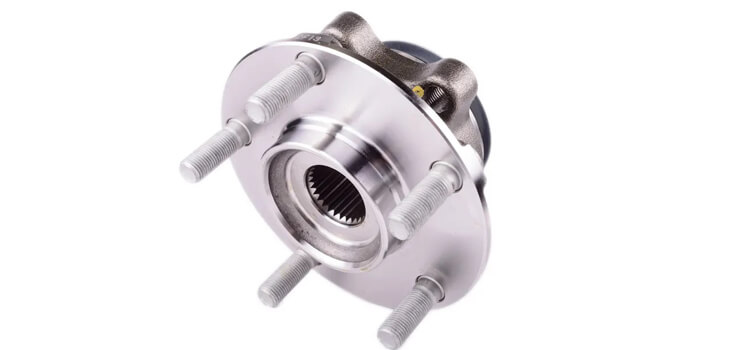
A wheel hub assembly is essential to any vehicle as it connects the wheels, tires, brakes, and suspension together.
Improperly installed wheel bearings or misread blueprints can lead to improper sizing of the wheel hubs, which may cause issues when mounting or balancing tires. This could lead to wheel hub failure and other symptoms like under-tightening lug nuts due to rust from lackluster maintenance.
Importance Of Proper Machining Techniques For Wheel Hubs
- Ensures Accurate Dimensions And Tolerances
- Increases Durability And Performance
- Prevents Safety Hazards
5 Common Mistakes to Avoid When Machining a Wheel Hub
Mistake 1: Incorrect Measurements and Specifications
Improperly sized wheel hubs can not only affect the mounting and balancing of tires but also cause significant performance and safety issues in the long run.
Accurately measuring dimensions and understanding design requirements are vital to ensure proper fit and alignment when machining a wheel hub.
If the hub will be paired with aftermarket wheels, it helps to cross-check fitment specs (PCD, center bore, offset) from professional alloy wheel manufacturers, such as KIPARDO
It's essential to double-check all the specifications before you begin machining a wheel hub. Even small inaccuracies in measurements can cause major problems down the line.
Mistake 2: Poor Material Selection
Selecting a material based on strength can help prevent unexpected failures due to excessive wear and tear.
Good corrosion resistance is important for hubs exposed to harsh weather conditions or road salt, as this can reduce maintenance costs over time. A high thermal conductivity rating can help dissipate heat from friction during operation.
Using the wrong materials for a wheel hub can lead to costly consequences, such as decreased performance and safety issues. To avoid these issues, it's important to ensure that the material you use matches the intended use of the wheel hub.
Incorrectly selected materials can also cause problems in machining operations, as they may not be able to withstand the temperatures or pressures associated with cutting. This could lead to premature tool wear or even damage to the spindle and bearings during the loading and unloading.
Without proper care in selecting materials, you risk wasting time and money due to having to redo your work.
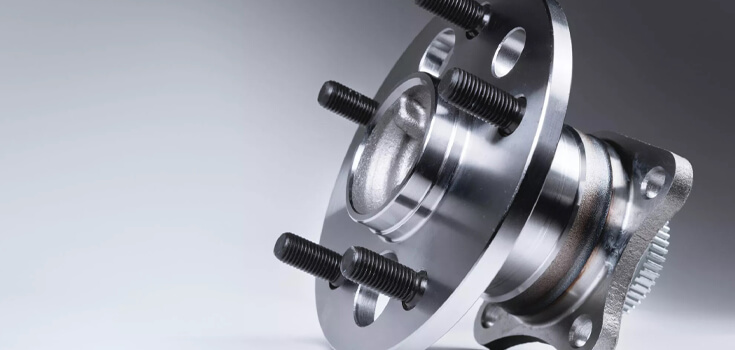
Mistake 3: Inadequate Machining Techniques
You want to ensure precision when machining a wheel hub. So, choosing the right machining processes, the proper cutting tool, and the feed rate is important.
The wrong tool or too fast of a feed rate can cause surface finish issues, sizing problems, or equipment damage. Investing in quality tools like digital calipers and micrometers helps with accurate measurements and consistent parameters.
Proper lubrication is essential for preventing damage during part loading and unloading. Taking these measures seriously allows for high-quality parts with greater accuracy, free from errors.
Mistake 4: Neglecting Surface Finishing
Understand the importance of surface finishing when machining a wheel hub. It impacts performance, aesthetics, and long-term durability.
Rough or uneven surfaces can lead to unwanted wear, increased friction, and corrosion. Poorly finished surfaces will cause premature wear on the outer surface of the hub due to increased friction, leading to rusting and eventual failure of the part.
Additionally, this could create safety issues, as improper mounting or balancing of tires may occur if the hub is not properly machined.
Mistake 5: Lack of Quality Control
To ensure accuracy and reliability, it's essential to implement thorough inspections and quality checks during and after machining.
This includes regularly inspecting parts using accurate measuring equipment, monitoring for any wear or deterioration on cutting tools, and testing finished products through rigorous performance tests before production.
Poor quality control can lead to real-world problems like under-tightening or inadequate sealing of the hub, which can lead to bearing system failure or rust build-up.
To avoid these issues, make sure you're monitoring for deterioration or wear on cutter tools. Test finished products through rigorous performance and stress tests before production.
Tips For Successful Wheel Hub Machining
Choose The Right Machine
Choosing the right machine for your machining project is essential to ensure accurate dimensions and tolerances. The wrong tool or improper setup can lead to costly errors.
Make sure the machine has enough power for the job - bigger jobs require more powerful machines. Choose the right cutter type for each operation - different materials require different tools.
Follow the Manufacturer's Instructions Carefully
Carefully follow the manufacturer's instructions to ensure optimal results when setting up the machine.
Before you begin, ensure you understand exactly what is expected from your wheel hub and any other materials it needs to be mated with. This will help you determine the most suitable cutting tools for the job.
Be sure to choose a machine capable of producing accurate dimensions and tolerances based on the material type and providing enough power for heavy-duty operations like milling and drilling.
Additionally, check if features such as auto-feeds are available - these can save time and effort while improving accuracy during long projects.
Most importantly, take extra care when tightening or loosening parts during setup processes - this could cause damage to expensive components over time if done improperly!
Properly Maintain And Clean The Machine
Taking proper care of their machines is important, as dirt or debris can create inaccurate cuts or result in costly repairs.
Here are a few key tips on how to properly maintain and clean your machine:
- Regularly inspect all parts for signs of wear, such as broken cutting tools or worn spindles.
- As the manufacturer's manual instructs, make sure to lubricate all moving parts with oil.
- Clean the machine regularly with a soft cloth to prevent a build-up of dust and dirt particles that can cause damage over time.
Stay Up To Date With New Technology And Techniques
This will help you stay ahead of the competition. Keeping your finger on the pulse of what's happening in CNC machining will ensure you're leveraging the most efficient processes available. This could mean more accurate parts with faster lead times, which is great for customer satisfaction and cost savings.
Plus, newer machines often have advanced safety features that may not be found in older models. Understanding how these technologies can improve your workflow is important, allowing you to take full advantage of their capabilities.
Seek Expert Advice When Necessary
Consult with engineers who designed the wheel hub for accurate information and design modifications as needed.
Ask experienced machinists for advice on the best cutting tools and clamping techniques based on material selection and operational conditions, such as tire mounting or balancing.
Conclusion
To ensure the accuracy of your wheel hub machining project, it's important to avoid the five common mistakes discussed in this post.
Firstly, double-check measurements and understand design requirements before starting any machining process.
Secondly, use appropriate fixtures and lubrication to prevent movement or shift during machining.
Finally, select the correct cutting tool for each operation based on material selection.
Investing in proper tools and maintaining open communication with engineers can also help steer clear of mistakes when machining a wheel hub.
