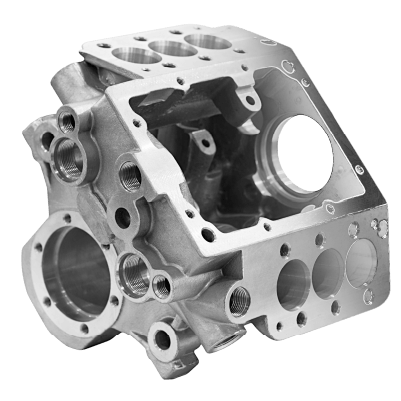









Custom Manifold Machining
Manifold machining with passage position held to ±0.05 mm, cross passages drilled to 20:1 and ports cut to SAE ORB, BSPP, NPT and ISO 6149. No MOQ; prototypes ship in 3–5 days.
-
±0.05 mm
Passage Position
-
20:1
Passage Depth
-
3–5 days
Prototype Lead
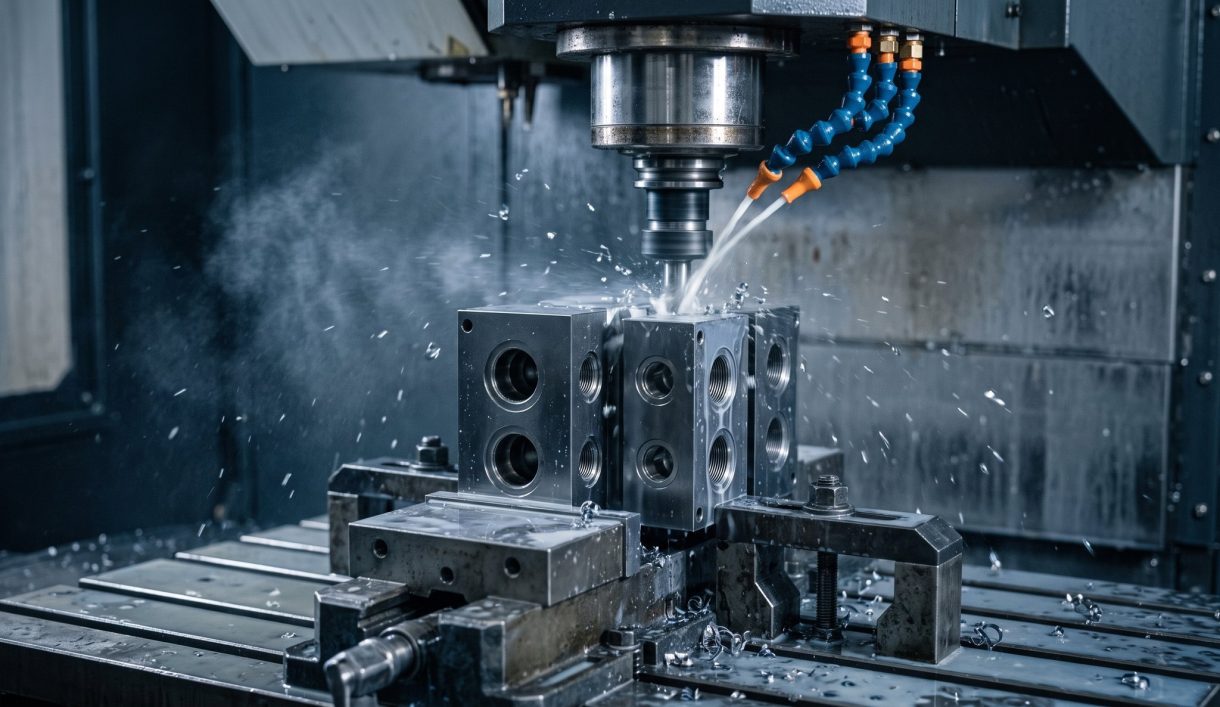

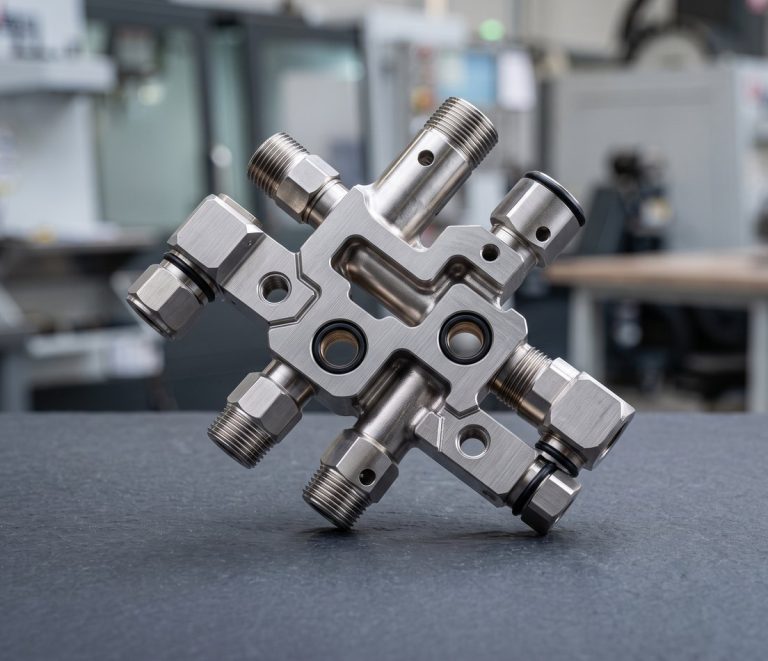
Hydraulic Manifold Machining and Fluid Blocks
DEK machines hydraulic valve manifolds, pneumatic manifolds, coolant and fluid distribution blocks, and gas manifolds from 6061 and 6082 aluminum, 304/316 stainless, and ductile iron.
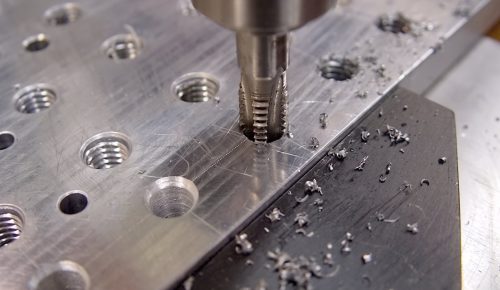
A manifold is a block of intersecting holes, so what matters is passage position, wall thickness between passages, port thread quality and deburred intersections. Long passages are gun drilled by deep hole drilling. Manifolds are part of our custom CNC machined parts catalogue.
Types of Manifolds We Machine
Hydraulic, pneumatic, coolant, fluid and gas manifolds, machined from solid aluminum, stainless, iron, brass or PEEK blocks.
-
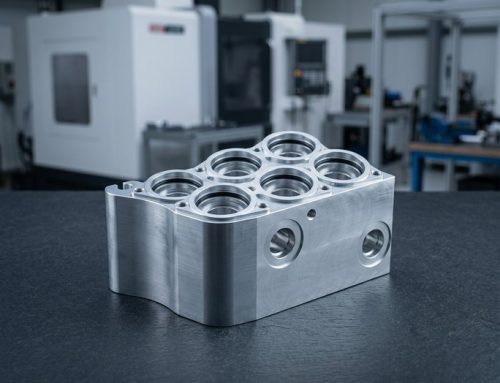 Hydraulic Manifold BlocksCartridge valve cavities cut to the valve maker's form-tool spec.
-
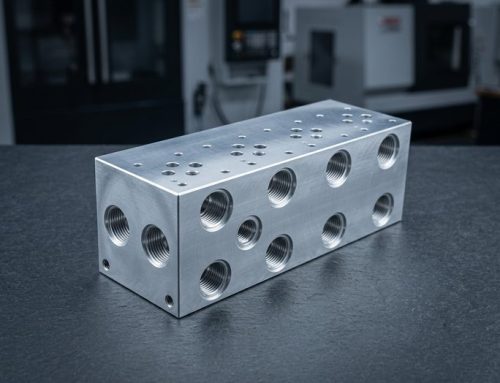 Subplate & Sandwich ManifoldsValve patterns to ISO 4401 (CETOP 3/5, D03/D05) for stacked valves.
-
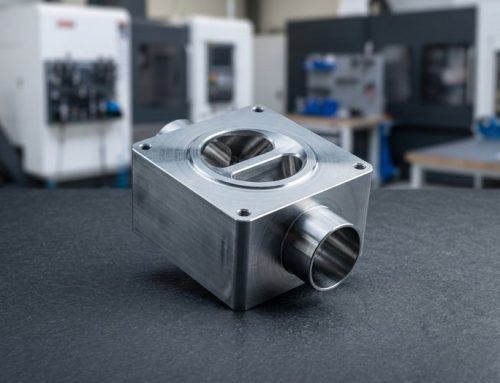 Pneumatic Manifold CNC BlocksFor solenoid valve islands, grippers and end-of-arm tooling.
-
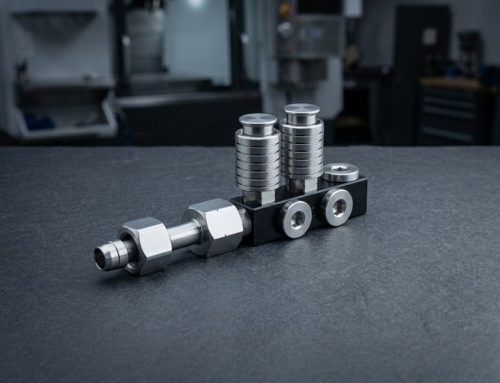 Coolant & Thermal ManifoldsCoolant distribution for machine tools, lasers and battery packs.
-
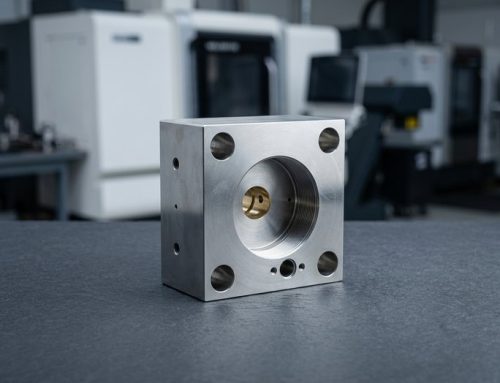 Fluid Manifold BlockFor analytical, medical and dosing instruments in 316L, PEEK or Delrin.
-
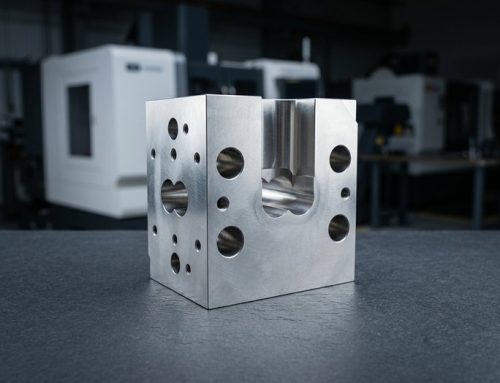 Gas Distribution ManifoldsGas and sample manifolds, incl. high-purity parts for semiconductor tools.


Materials, Processes & Specs for Manifolds
From material choice to port standards and pressure testing, the specifications that define a machined manifold block.
Design Tips for Custom Manifolds
Manifold cost and reliability are decided at the drawing: drill access, wall thickness, port type and cleanliness callouts.
-

Straight, Drillable Passages
Drill every passage straight from an outside face and plug the entry with an SAE plug; avoid unreachable angled or blind intersections.
-

Wall Between Passages
Hold 2 mm of wall between passages in aluminum at 210 bar, 3 mm to a cavity; drill drift over 20:1 depth eats into thin walls.
-

Prefer ORB or BSPP Ports
Choose SAE ORB or BSPP over NPT: tapered NPT threads seal by deformation and are harder to make leak-free in aluminum.
-

Name the Cavity Code
Specify the valve maker's cavity code (for example a Sun T-11A) so we use the matching form tool instead of interpreting the profile.
What to Call Out on Your Drawing
-
Deburring & Cleanliness
Call out deburring at intersections plus flushing and capping explicitly; both are inspection points on the traveler, not assumptions.
-
Working Pressure
State working pressure so the 2 mm minimum wall is checked at drawing review and material is chosen (aluminum to 210 bar, iron above).
-
Pressure Test Terms
State test pressure, medium and hold time on the drawing; hydrostatic testing to 1.5× working pressure, up to 350 bar, is then priced in.
-
Port Callouts
Name each port standard (SAE J1926 ORB, ISO 1179 BSPP, ISO 6149, NPT) and any ISO 4401 valve pattern in the STEP model and drawing.
Applications & Industries
Hydraulic manifold machining for agriculture and construction equipment, automation valve islands, semiconductor gas manifolds and oil and gas wellhead blocks.
-

Aerospace
-

Medical
-

Automotive
-

Robotics
-

Semiconductor
-

Electronic
-

Telecom
-

Drone & UAV
-

Energy
-

Oil & Gas
-

Marine
-

Industrial Equipment
-

Construction
-

Agriculture
-

Consumer Products
-

Military & Defense
-

Mining
-
 AerospaceNon-flight-critical brackets, cabin hardware and fittings under AS9100D, in 7075 aluminum, Ti-6Al-4V and Inconel 718, with FAI.Learn More
-
 MedicalInstrument shafts, handles and cannulas in 316L stainless, titanium and PEEK under ISO 13485, with lot traceability as standard.Learn More
-
 AutomotivePrototype and low-to-mid-volume sensor housings, valve bodies and shafts in aluminum, 4140 and 4340 alloy steel, stainless and brass.Learn More
-
 RoboticsJoint housings, harmonic drive flanges and gripper fingers in aluminum and hardened steel, with 5-axis milling in one setup.Learn More
-
 SemiconductorChamber components, wafer handling fixtures and vacuum flanges in 6061 aluminum, 316L, PEEK and Kovar, with burr-free edges.Learn More
-
 ElectronicConnector bodies, heat sinks, RF shields and precision pins in aluminum, brass and copper, held to ±0.01 mm on contact features.Learn More
-
 TelecomWaveguide components, filter housings and RF enclosures in aluminum and copper alloys, with silver or nickel plating for conductivity.Learn More
-
 Drone & UAVMotor mounts, gimbal frames and landing gear fittings in 7075 aluminum, titanium and magnesium to cut weight without losing stiffness.Learn More
-
 EnergyBattery end plates, busbars, inverter housings and fuel-cell fittings in aluminum, copper and stainless, machined flat and burr-free.Learn More
-
 Oil & GasValve components, manifold blocks, downhole tool parts and flanges in 4140, 17-4 PH, duplex 2205 and Inconel, with hardness specs.Learn More
-
 MarinePropeller shafts, pump parts and deck hardware in 316 stainless, bronze and aluminum bronze, chosen first for corrosion resistance.Learn More
-
 Industrial EquipmentGripper plates, linear guide mounts, cam followers and machine frames in aluminum and steel, with fixtures kept on file for repeats.Learn More
-
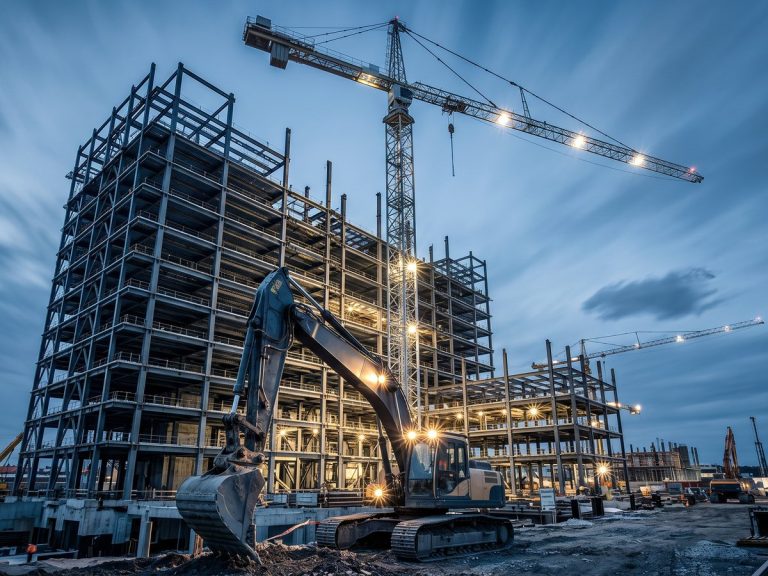 ConstructionStructural brackets, anchoring hardware and hydraulic fittings in mild steel, alloy steel and aluminum, zinc plated or powder coated.Learn More
-
 AgricultureGearbox housings, shafts, sprayer nozzle bodies and sensor mounts in cast iron, steel and stainless for abrasion and moisture.Learn More
-
 Consumer ProductsKnobs, handles, enclosure parts and audio hardware where the machined surface shows, anodized, bead blasted or polished to sample.Learn More
-
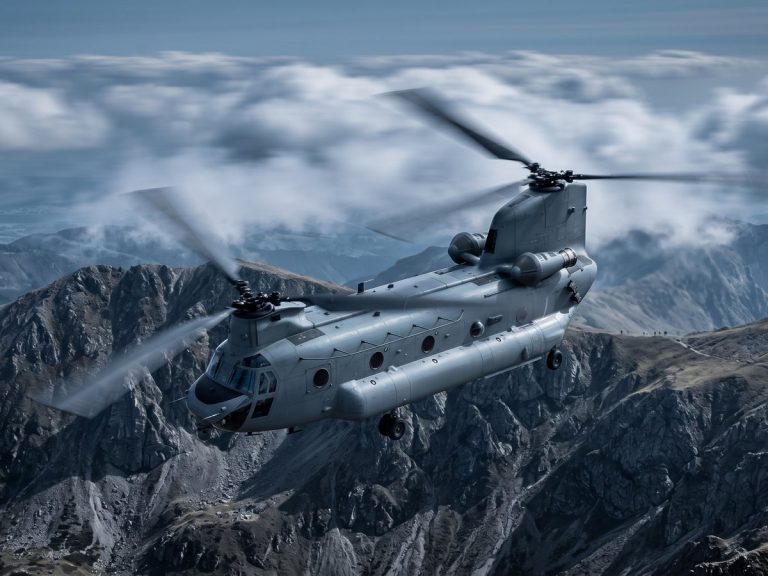 Military & DefenseOptical mounts, enclosures and accessory rails in aluminum, steel and titanium, with material certification and FAI reports.Learn More
-
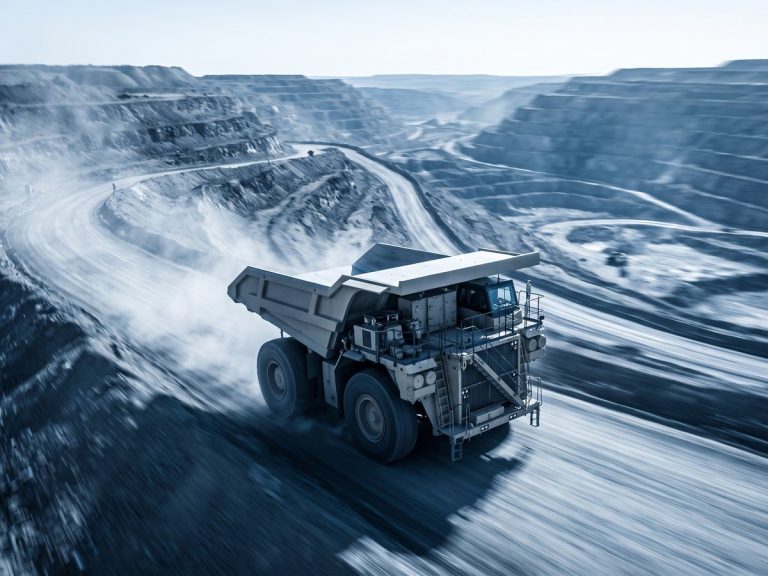 MiningWear plates, bushings, crusher components and hydraulic fittings in hardened alloy steel, bronze and stainless for dust and vibration.Learn More
Why DEK for Manifold Machining
Gun drilling, deburring and testing drive manifold cost, so every drawing is reviewed by an engineer, not a calculator.
-

Engineer-Reviewed Quotes
An engineer reviews every manifold drawing by hand, checking wall thickness and drill access, and quotes within 6 hours.
-

All Steps In-House
Deep hole drilling, tapping, deburring and finishing run in-house, so passage alignment is not lost between vendors.
-

CMM-Verified Passages
Passage positions are verified on CMM and port threads with gauges; inspection reports ship with the block.
-

Certified Quality
Manifolds are produced under ISO 9001:2015, ISO 13485 and AS9100D certified quality systems, with no MOQ from prototype on.

Clean, Tested Blocks
Every intersection is deburred, the block is flushed and its ports capped before shipment. Hydrostatic testing to 1.5× working pressure, up to 350 bar, is available on request.
Certified Manifold Quality
Manifolds are machined under ISO 9001:2015, ISO 13485 and AS9100D systems.
-
 AS9100D
Aerospace Quality Management System
-
 ISO 9001:2015
Quality Management Standard
-
 ISO 13485
Medical Devices Quality Management
Manifold Materials and Finishes
Aluminum, stainless, iron and brass, combined with finishes applied to the manifolds DEK machines.
Surface Finishes
Need another alloy for your manifold? Ask our engineers
All MaterialsManifold Machining FAQ
Answers on port threads, internal deburring and pressure testing of machined manifolds.
Get a Quote for Custom Manifolds
Send your manifold machining files: an engineer checks wall thickness and drill access, then quotes within 6 hours.
- STEP model with the passage network
- Port callouts and cavity codes
- Working pressure and test pressure
- Quantity: no MOQ
- Prototypes ship in 3–5 days

Ready to Scale Your Project?
Get started with a stable process and controlled quality. Let's discuss your project.