






6061 Aluminum Machining (6061-T6, T651)
Also known as Alloy 61S · A96061 · AlMg1SiCu6061 aluminum machining is the most common job on DEK's floor: the alloy engineers default to for brackets, housings and fixtures. We machine 6061-T6 and stress-relieved 6061-T651 plate and bar to ±0.005 mm on request, with prototypes in 3–5 days and no MOQ.
-
310 MPaTensile Strength
-
276 MPaYield Strength
-
8–12%Elongation
-
95 HBHardness
-
2.70 g/cm³Density
6061 Machining Capabilities and Tolerances
Tolerances DEK holds on 6061-T6 and T651 parts milled, turned and Swiss-turned in our Shenzhen shop.
-

Milled & Turned
±0.025 mmstandard
-

Tight Tolerance
±0.005 mmon request
-

Bores and Pin Fits
H7±0.01 mm at 20–50 mm
-

Flatness, T651 Plate
0.02 mmover 300 mm as machined
-

Swiss-Turned Features
±0.003 mmsmall features
-

Surface Finish
Ra 0.8–1.6 µmRa 0.4 µm fine passes
-

Milled Part Size
~1000 mm3- and 4-axis milling
-

Turned Diameter
1–300 mmCNC and Swiss turning
6061 Aluminum Properties and Equivalent Designations
Property data for 6061-T6 / T651, a heat-treatable Mg-Si alloy strengthened by Mg2Si precipitates formed during aging.

- Tensile Strength 310 MPa (290 MPa min)
- Yield Strength 276 MPa (240 MPa min)
- Elongation 8–12%
- Hardness 95 HB
- Modulus 68.9 GPa
- Machinability ~90% (1212 = 100%)

- Density 2.70 g/cm³
- Thermal Conductivity 167 W/m·K
- Thermal Expansion 23.6 µm/m·°C
- Max Service Temp 150–170 °C

- Mg 0.8–1.2%
- Si 0.4–0.8%
- Cu 0.15–0.40%
- Cr 0.04–0.35%
- Fe ≤0.7%
- Al Balance

- Both tempers Solution treated, aged
- T651 stretch 1.5–3% before aging
- Specify T651 Plate over ~12 mm
- T6 plate bow 0.1–0.3 mm over 300 mm
Why 6061 Machines So Well
How 6061-T6 behaves on the shop floor: surface speeds, chip control, tool life and the two issues we manage on every job.
Aluminum 6061 CNC machining runs at 800–1,500 m/min surface speed with polished-flute carbide, which is why a 6061 part costs a fraction of the same geometry in steel. Chips break cleanly in T6 and the material does not work harden.
Two things still need managing: built-up edge on dull tools, which shows as smearing on walls, and thermal growth on large plates during heavy roughing.
- Flood coolant and sharp high-helix end mills on CNC milling jobs
- Rough-then-rest strategies keep walls down to 0.8 mm and floors of 1 mm flat
- Housings and impellers in one setup on 5-axis machining
- Parts measured at 20 °C after soaking; ±0.01 mm advised unless the fit needs tighter
-
Surface Speed
800–1,500 m/minPolished-flute carbide
-
Machinability
~90%1212 steel = 100%
-
Speed vs Steel
3–5×Surface speed of steel
-
Chip Control
Clean breakingT6 temper
-
Tool Life
DaysNo work hardening
-
Thin Walls
0.8 mmFloors of 1 mm stay flat
Typical Machined 6061 Parts
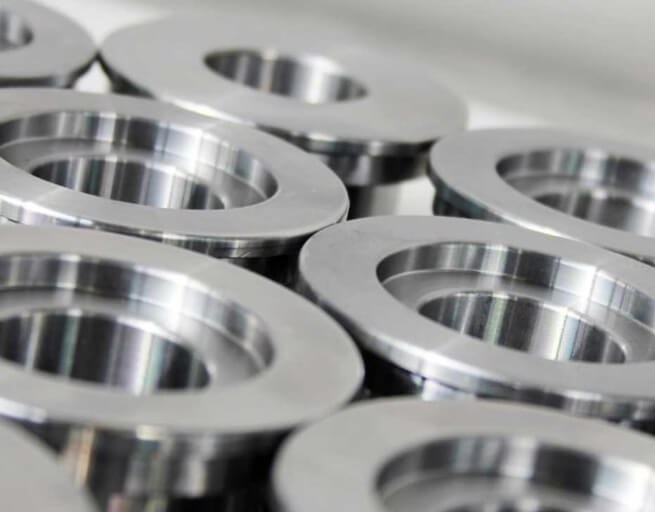
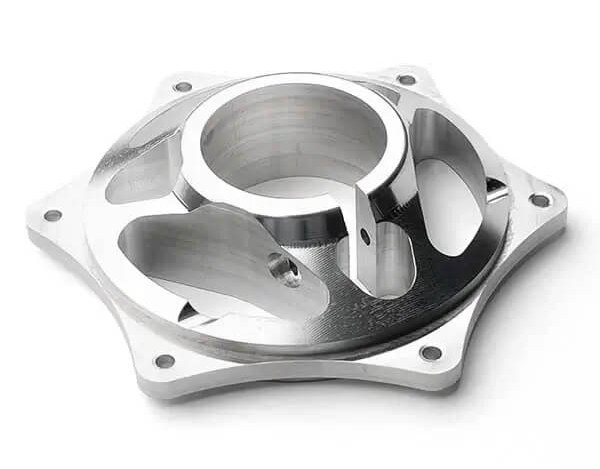
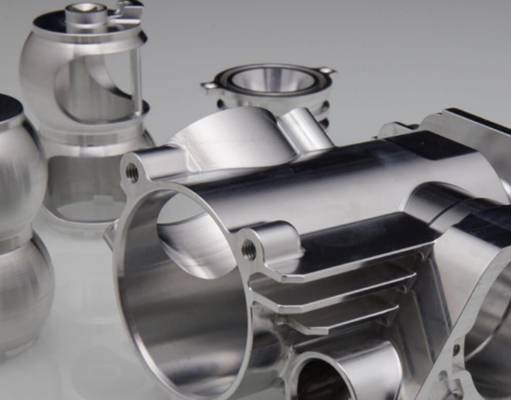
Machined 6061 parts DEK ships across electronics, robotics, automation, drones, semiconductor equipment, automotive and medical.
-
 Housings & EnclosuresElectronics housings and enclosures, milled from 6061 because it machines fast and anodizes cleanly.
-
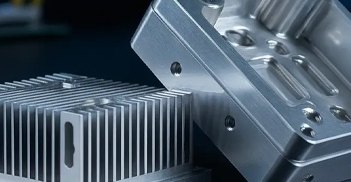
 Heat Sinks & Cold PlatesHeat sinks and cold plates that use the 167 W/m·K thermal conductivity of 6061-T6.
-
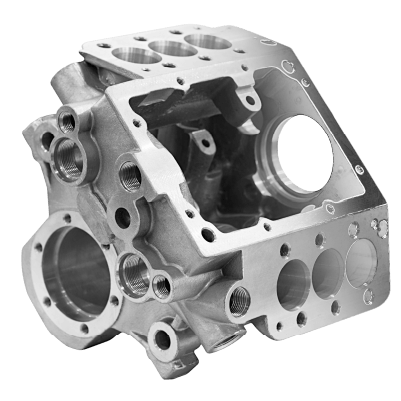
 ManifoldsHydraulic and pneumatic manifolds milled on 3- and 4-axis machines from 6061 plate and bar.
-
 Fixtures & Vacuum ChucksTest fixtures and vacuum chucks, ideally in stress-relieved 6061-T651 plate so they stay flat.
-
 Robot Arm LinksRobot arm links and end-effector plates for robotics and automation, light at 2.70 g/cm³.
-
 Drone FramesDrone frames in 6061 where weldability and cost win; strength-limited structures move to 7075.
-
 Mounts & BracketsCamera and sensor mounts, bicycle and automotive brackets that need 276 MPa yield at low cost.
-
 Medical Device ChassisMedical device chassis machined under ISO 13485, anodized after machining with dimensions set after coating.
When to Choose 6061: 6061 vs 7075 and Other Grades
Use 6061 unless the part is strength-limited. Against 2024, 6061 gives up fatigue strength but wins on corrosion and anodizing: see the 2024 vs 6061 aluminum guide.
| Criteria | This Grade6061-T6 | 7075-T6 | 6082 | MIC6 |
|---|---|---|---|---|
| Yield strength | 276 MPa | 503 MPa | Slightly higher | Lower |
| Relative cost | Baseline | 1.5–2× more | – | – |
| Weldable | Yes | No | – | – |
| Stress corrosion | Lower risk | More prone | – | – |
| Plate stability | Good (T651) | – | – | Better |
| Best for | General parts | Loaded structures | EN drawings | Flat plates |
Heat Treatment and Finishing for 6061
CNC machining + finish: the coatings we apply to the 6061 parts we machine, from Type II anodizing to chem film.
-
Anodizing Type II ExcellentClear, black or colors at 5–25 µm. 6061 takes color evenly and is the best-anodizing structural alloy; final dimensions are set after coating.
-
Hard anodizing Type III Available25–75 µm at 350–450 HV for wear surfaces, slides and pistons machined from 6061, applied to the parts we machine.
-
Chem film / Alodine AvailableMIL-DTL-5541 conversion coating on machined 6061 parts where electrical conductivity or paint adhesion matters.
-
Bead blasting On RequestBead blasting on request for an even matte texture on 6061 parts after machining, often ahead of anodizing.
-
Powder coating On RequestPowder coating on request for machined 6061 housings and brackets that need a thicker colored protective layer.
-
Electroless nickel On RequestElectroless nickel plating on request for machined 6061 parts, applied as part of the CNC machining + finish order.
Request a 6061 Aluminum Machining Quote
Upload a STEP, IGES or PDF drawing. An engineer confirms T6 vs T651 stock, flags thin-wall or anodizing issues and returns pricing within 6 hours.
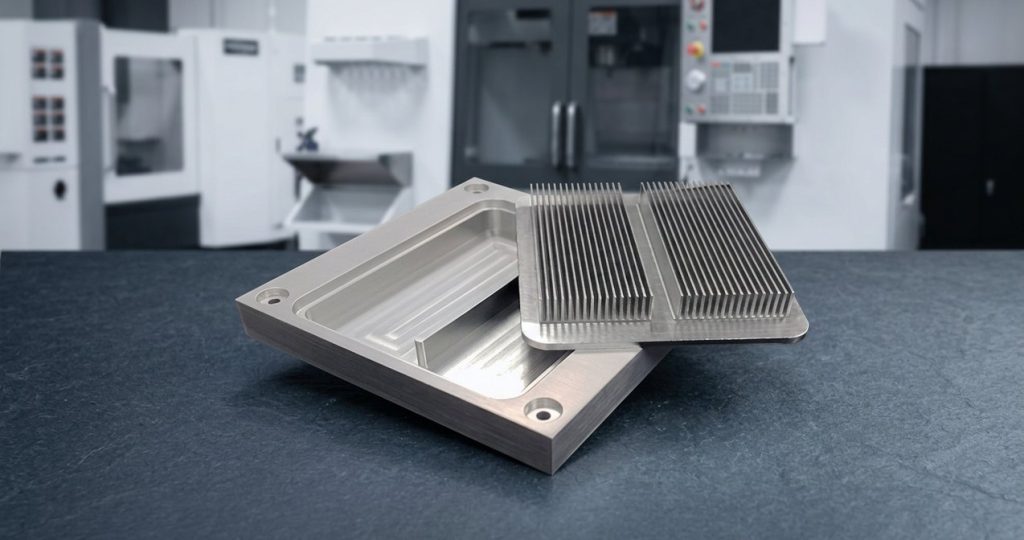
Aluminum 6061 CNC Machining at DEK
6061 arrives in T6 or T651 and needs no further heat treatment for most parts. We machine it on 100+ CNC machines and run every drawing through engineer review before quoting.
20+ years of aluminum machining, ISO 9001:2015, ISO 13485 and AS9100D certified by TÜV (quality system), with 100+ CNC machines including 5-axis mills and Swiss lathes. 6061 is one of a dozen grades on our aluminum machining page.
- Spectrometer verification of incoming bar and plate
- CMM inspection and material certificates on request
- Engineer-reviewed quotes within 6 hours; no MOQ, one piece to 10,000+
- Prototypes in 3–5 days, small batch 4–7 days, shipping in 3–7 days
Both T6 and T651 are solution treated and aged to the same strength; T651 is stretched 1.5–3% to relieve quench stress. Specify T651 for plate over about 12 mm or parts removing more than half their stock.
If a part is welded, the heat-affected zone drops to roughly T4 strength; a post-weld re-age recovers part of it. Anodizing grows about half its thickness outward, so anodized tolerances are specified after coating.
-
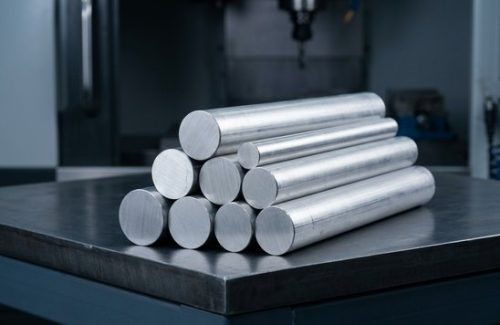 Raw Stock
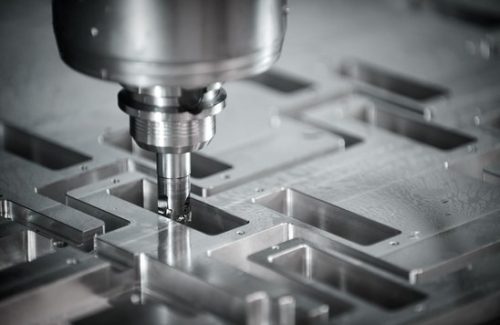 CNC Machined
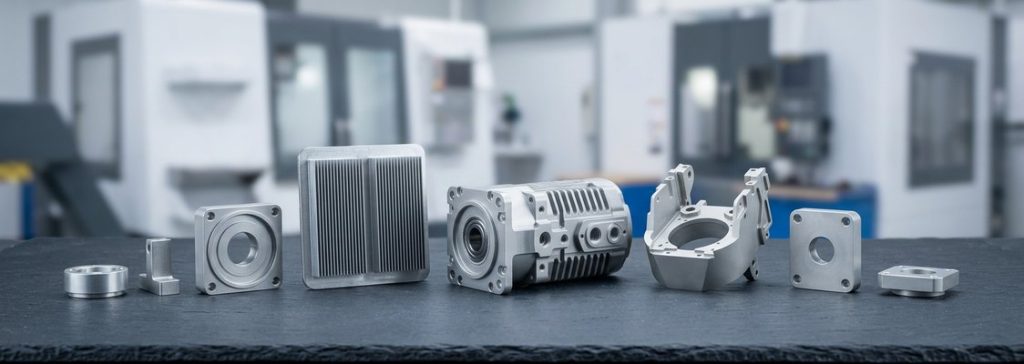 Finished Parts
-
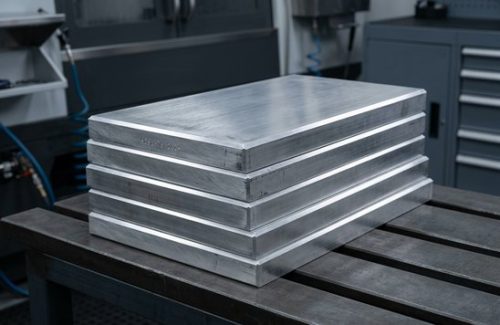 Raw Stock
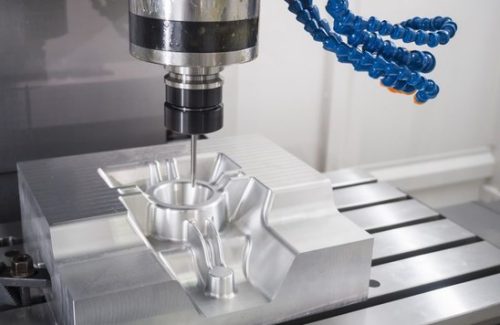 CNC Machined
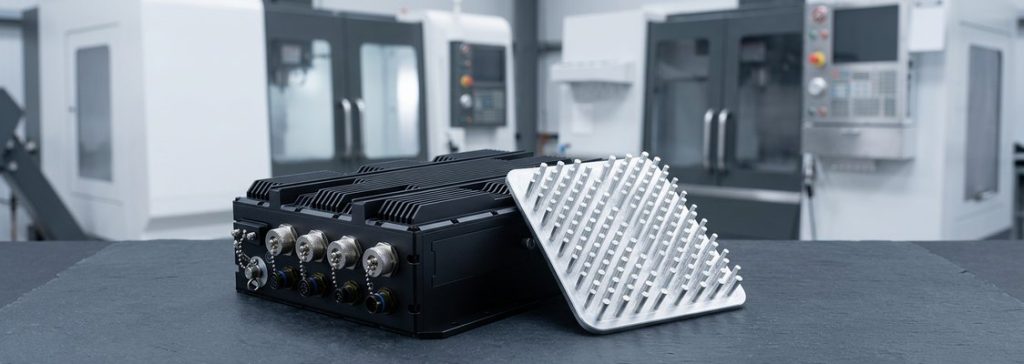 Finished Parts
6061 Machining FAQ
Common questions from engineers specifying 6061 aluminum parts.
Other Materials
-
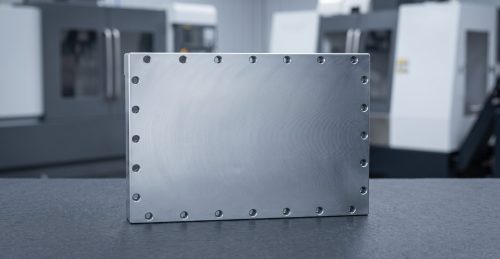 Aluminum MIC6MIC-6 is a cast aluminum plate made from a mix of metals. It offers high accuracy and easy machinability.Learn More
-
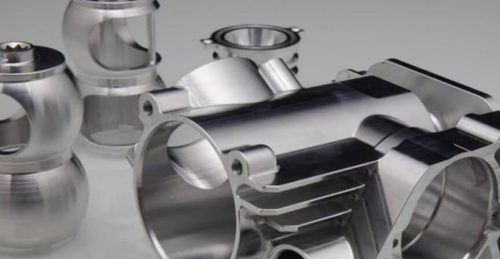 Aluminum 5052Aluminum 5052 is widely used in CNC machining because of its formability and corrosion resistance. It belongs to the 5xxx series of aluminum alloys and offers moderate strength.Learn More
-
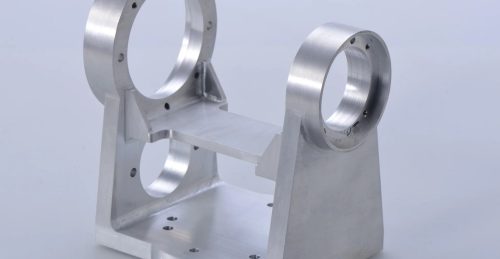 Aluminum 2014Aluminum 2014 is a strong alloy widely used in aerospace. It's easily machinable in specific conditions and often formed into bars and profiles through extrusion.Learn More

Ready to Scale Your Project?
Get started with a stable process and controlled quality. Let's discuss your project.